The useful thing about a restaurant menu is what it leaves out. You do not want twelve pages of omelets, curries, sushi, pizza, barbecue and pie. You want the kitchen to make a choice, because choice is evidence. It tells you someone has decided what the place is for. B Public Relations made this decision in January 2011, when colleagues Jordan Blakesley and BrieAnn Fast founded a Denver agency for hospitality and travel. Their first strategic document might as well have been an exclusion list.
They had worked together at a larger PR firm and felt blocked from delivering the results they wanted. Fast later wrote that starting BPR was less an act of courage than one of desperation. The constraints of the old arrangement failed first. The answer was not a grand technology or a cheap new channel. It was permission to focus: take clients in industries they personally cared about, grow slowly, and decline the rest.
That decision still explains the company better than its list of services. BPR handles media relations, social and digital media, influencer programs, strategic partnerships and brand engagement. Plenty of agencies can print those nouns on a capabilities slide. BPR's distinction is that the nouns orbit one world - the places people sleep, eat, drink and travel to see.
The publicist who can read a wine list
In 2019, Blakesley offered a detail that sounds almost too tidy for a hospitality agency: BPR employed four certified sommeliers, a cicerone and an aspiring spirits expert. Blakesley herself is a Level II sommelier. The point was not to collect handsome certificates. It was to remove the translation layer between client and agency.
A generalist can learn that a hotel has a restaurant. A hospitality specialist is more likely to notice that the pastry program, the cellar, the local growers or the odd little room amenity contains the story. BPR says its staff includes former and current journalists, content creators and career hospitality professionals. That makes the agency useful on both sides of a pitch: it can understand the operator's business and recognize what an editor might actually use.
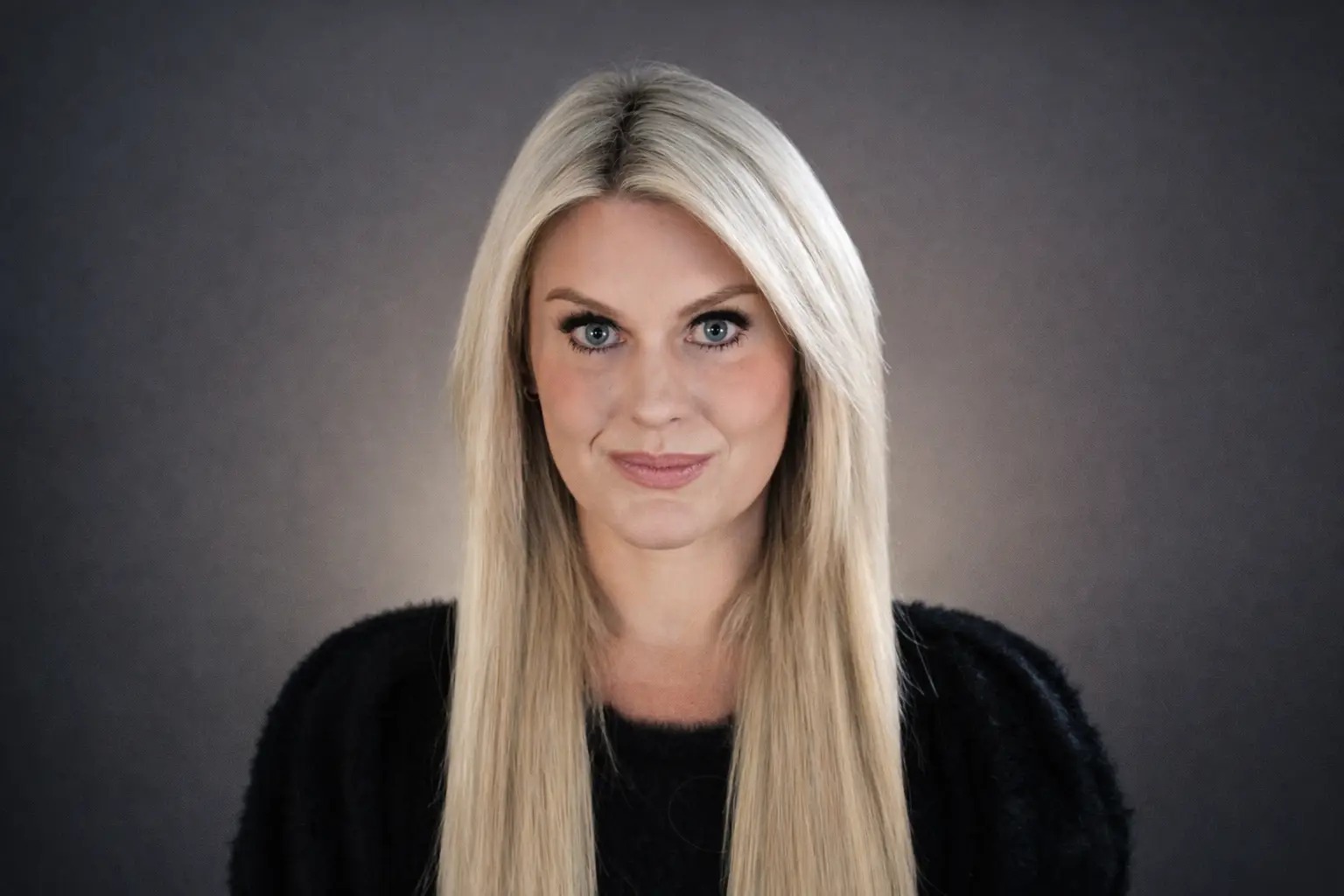
We're hyper-specialized, working only with clients in the hospitality, tourism and culinary fields.Jordan Blakesley, describing BPR's focus in ColoradoBiz
The client list makes the boundary concrete. It runs from The Excellence Collection and Drury Hotels to Snowmass Tourism, C Lazy U ranch, The Ramble Hotel, Snooze and Kings Seafood Company. These organizations are not buying publicity for publicity's sake. A resort needs qualified attention that can become bookings. A restaurant group wants openings, chefs and menu changes to reach diners. A destination needs a collection of businesses and experiences to add up to a visit.
Four routes into the same decision
BPR's service mix follows the changing route between curiosity and purchase. Earned media supplies third-party credibility. Social channels keep a brand present between news moments. Influencers lend access to an audience that already trusts a person. Brand engagement makes the pieces look and sound related. The company sells tailored projects and ongoing account work, with scope shaped to the client rather than a public menu of packages.
One guest decision / four communications routes
Media relations
Find the angle, package the story and put it in front of relevant editors and producers.
Social + digital
Define voice and visual rhythm, then manage content, community and paid distribution.
Influence + partners
Vet audiences, negotiate the work and connect brands with credible creators and allies.
Brand engagement
Make each encounter feel like it came from the same place, for the same guest.
The progression has been deliberate. Merideth Hartung joined in 2015 to start the social division and later grew it to seven full-time employees. Influencer work became a managed discipline - audience checks, contracts, deliverables and reporting - rather than a stack of free-stay requests. The agency expanded its toolkit without expanding its identity into meaninglessness.
A pitch anatomy / one new ingredient
The hotel room that became a Christmas movie
A hotel client already had rooms with projectors, screens and beds positioned for viewing. The feature was old news. Blakesley added a seasonal frame: a package built around gloriously corny Christmas movies. The playful angle earned a standalone Travel + Leisure story plus roundup coverage from SFGate, The Denver Post and 5280.
This is the practical product beneath PR's fuzzy language: make an existing asset newly legible. In another public case, Schulte Hospitality reported that BPR's work for The Lodge at Jackson Hole produced 12 earned-media hits, seven influencer stays and 585 million media impressions beginning in July 2020. The impression figure is a potential audience measure, not 585 million bookings. The useful numbers are the first two. They show the machinery: placements and hosted creators, each attached to a property people can choose.
A small agency where the client stays large
BPR's preferred contrast is not boutique versus capable. It is being a large account at a small agency versus a small account at a large one. Snowmass Tourism has praised the team for studying the destination's businesses and stakeholders deeply enough to act as an extension of its staff. That intimacy is the commercial promise. It also sets a limit. A company seeking one vendor for every industry, market and adjacent marketing discipline may find BPR's boundaries inconvenient. The agency says it calls trusted partners for work outside its expertise.
The ownership story tightened in 2020. Fast, newly a mother and involved in hospitality developments including Denver's Ramble Hotel, sold her share to Blakesley. The co-founder left the agency, but not the industry that had shaped it. Blakesley continued as owner and CEO. By 2024, Denver Business Journal had named her a Most Admired CEO.
Culture is part of this model because agency attention cannot survive constant staff churn. Most Loved Workplace ranked BPR No. 15 on its 2025 U.S. list and reported zero turnover in 2024. Its profile describes financial reports shared at an annual summit, scopes and contracts reviewed with account teams, four weeks of vacation at the start, half-day Fridays and remote flexibility. The benefits matter, but so does the operating signal: people are allowed to understand how the business works.
The part another service firm can copy
- Write the exclusion list before the capabilities list. Focus becomes believable when it costs you possible work.
- Hire people who know the client's world, not only people trained in your own professional craft.
- Add channels around a stable customer problem. BPR expanded from press into social and influence without abandoning hospitality.
- Turn familiar assets sideways. A seasonal frame or cultural tension can make yesterday's feature useful to an editor today.
- Share enough of the business with employees that “extension of the team” applies inside the agency too.
The category is narrow; the map is not
BPR remains headquartered in Denver, but its company profile lists a distributed U.S. presence and work across North America, Mexico and the Caribbean. Its clients range from independent restaurants to international resorts and multi-property groups. In September 2026, the agency celebrated seven clients recognized in Sunset's Travel Awards - city stays, nearby-nature hotels, a restaurant, a historic hotel, a mountain destination and a coastal escape. Variety arrived without changing the category.
That is the quiet trick. Specialization can look small from the outside because it removes so much. From the inside it creates more distinctions: resort versus ranch, launch versus recovery, critic versus creator, room night versus dinner reservation. The generalist sees hospitality. The specialist sees the menu.