destination-marketing
(35)
The Ad Agency That Learned to Move a City
R&R Partners wrote four words that escaped advertising and entered the language. The more revealing trick is what happened next: the Las Vegas agency learned to treat campaigns as coalitions, cities as products and persuasion as infrastructure.

Paradise Advertising & Marketing Sells a Place Twice
A pretty travel ad wins attention. Paradise has spent more than two decades arguing that the real product is what happens next - bookings, bed-tax receipts and a community with more reasons to thrive.

The Agency That Put a Spreadsheet Behind the Story
Roar Media began with a simple marriage: old-school press instincts and digital measurement. Eighteen years later, its most interesting work still happens where a headline meets a dashboard.

The Agency at the Edge of the Map Found the Center of the Sale
From a Mississippi River office, Red Letter turns awkward market evidence into campaigns for toolmakers, tourist towns and working brands. Its trick is less mystical than most agency talk: notice what customers are already telling you, then build the whole machine around it.

The Agency That Put a Birthday Candle on a 75-Foot Rocket
Flock and Rally built a business around the unglamorous art of making many moving parts move together. Its best work shows what happens when audience research, public-sector fluency and a little theatrical nerve share one table.
The Tourist Office That Became a Living Room
Visit Fort Collins learned that the best way to sell a city might be to give the city a room of its own. By day, it guides visitors. By night, the Welcome Center hands the microphone back to the people who live there.

The Rivals Who Built One Brain
Two casino marketers met on opposite sides of the Las Vegas Strip. Then the economy buckled, their young agency learned to do more with less, and an inconvenient partnership became a durable operating system.
B Public Relations Bet the Agency on Knowing the Menu
A Denver PR firm discovered that saying no to most industries could make it more useful to one. Fifteen years later, its specialists still pitch hotels, destinations and restaurants with the instincts of people who actually inhabit that world.

The Agency That Makes Travel Advertising Behave Like Travel Media
BrandsTravel found a useful place between the glossy travel ad and the booked room: a bilingual, data-minded bridge connecting destinations with the people, press, agents and creators who can move travelers across the Americas.

The Agency That Waits for the Audience to Move
BCH sells advertising, but its more interesting product is a change of mind: the moment a client stops talking to the audience it remembers and starts watching the audience that actually exists.
Adventure Sold the Outdoors by Measuring the Dream
Adventure built ads for people who would rather be outside. Its sharper trick was proving that longing could be researched, aimed and counted.
Brandman opens the hotel before the hotel opens
A luxury resort gets one first impression, but Brandman has spent 25 years proving that an opening can happen twice - once for the guests, and earlier in the minds of the people who might send them there.

The Cookie That Asked the Publicist to Stop
Nicholas & Lence sells a rare New York combination: the ability to make a story travel and the judgment to know when enough people have heard it.
The Travel Publicists Who Know a Hotel Is More Than a Pretty Room
Diamond PR sells the hardest luxury in travel: a reason to care. Its advantage is knowing when a room needs a press release - and when it needs 30 TikTok creators, a brass band and an island-hopping itinerary.

The Little Agency That Teaches Wine Country to Speak
Solterra Strategies built a business by spotting the detail a committee overlooks and a traveler remembers. Its real product is not publicity. It is a usable story about place.
The Little Agency That Makes a Place Feel Famous
The ACE Agency found a durable niche in a slippery business: it sells attention for places people can actually enter. Parks, museums, restaurants and shopping districts become the medium - and the measuring stick.

62ABOVE gives places a personality. Then it counts the visitors.
A casino gets a VP of Party. A city gets a new invitation. Inside the San Diego agency connecting the peculiar art of destination branding to the practical business of getting people through the door.

C&R knows what comes before the booking
A ski-town story, a magazine in a hotel room, a carefully timed introduction. Inside the PR agency that helps expensive places give people a reason to care.
Zapwater knows why a groundhog belongs in a lawn-care launch
A Chicago communications agency turns happiness, housewares and even canceled street festivals into reasons to pay attention. The useful part is what happens after the headline.

Reynolds & Associates makes the media budget travel further
A Los Cabos campaign puts the agency’s “+ Factor” in focus: a $1.3 million base budget, $7.9 million in reported media exposure, and a business built around making the parts work together.
Myriad knows a beautiful destination needs a way in
A free flight to the Outback. A tea tour built from scratch. Myriad International Marketing works in the gap between wanting to go somewhere and knowing how to get there.
Verdin sells the town. First, it has to win the room.
A California agency turns towns into characters and public programs into stories. Its real specialty is giving visitors, residents, and the people holding the budget a reason to care.

Searle Creative Makes the Case for the Overlooked
A Ventura agency sells the places, products and public services that need explaining. Its work runs from a Seattle-area tourism reboot to precision wire and a strawberry festival with a new address.
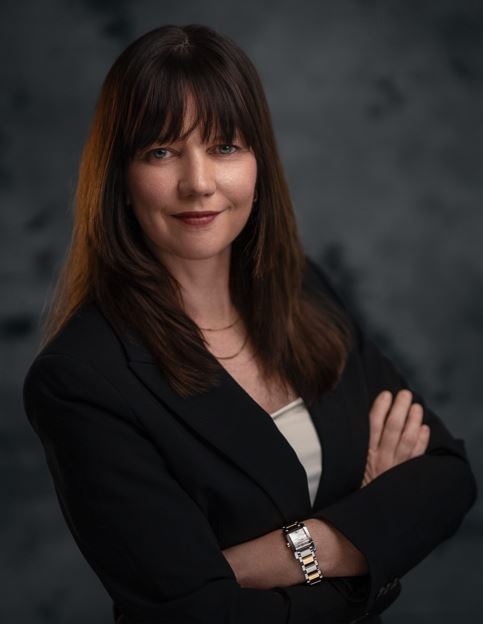
Paula Port Is Teaching the Internet to See Toronto at 100%
After more than two decades telling one city's story, Destination Toronto's chief marketing officer is preparing for a world in which travellers ask machines where to go - while insisting that curiosity, community and human judgment still lead the way.

Sylvie Charette Made Montreal Feel Like a Living Campaign
Across telecom, coffee, rail and tourism, Sylvie Charette kept returning to the same practical idea: a brand matters when it makes an experience easier to feel. Her Tourisme Montréal chapter turned residents, seasons and the city itself into the message.

Joann Fitzgerald Sells Nova Scotia by Making Room for the Unexpected
For Joann Fitzgerald, destination marketing is an exercise in attention: find the gap between what travellers recognize and what they have yet to imagine, then give them a reason to cross it.

Lauchlan Rogers Maps the New Journey to Ontario
A childhood split between downtown Toronto and Nova Scotia, a mapmaker's education and years of learning creative tools from scratch shaped a tourism marketer who treats curiosity as both craft and strategy.

The Tourism Board That Turned C$10.2 Million Into 1 Million Trips - With an Asterisk
Destination Ontario built a public-sector growth loop from research, stories and partner links. The useful bit is not the postcard - it is how the agency measures attention all the way to estimated trips and spending, then admits where the math and the channels changed.
The 107-Year-Old Tourism Bureau That Learned More Visitors Isn’t the Whole Point
Tourisme Montréal once sold motorists a road to the city. After tourism collapsed, it rebuilt the pitch around residents, winter, culture and measurable local value - a useful playbook for anyone marketing a place they do not control.
Tourism Nova Scotia Missed a $4 Billion Bet - Then Built a Better Playbook for Selling a Place
A pandemic broke the province's neat growth forecast. The rebuild reveals a useful lesson for every place brand: advertising works better when the product, the operators and the calendar improve with it.