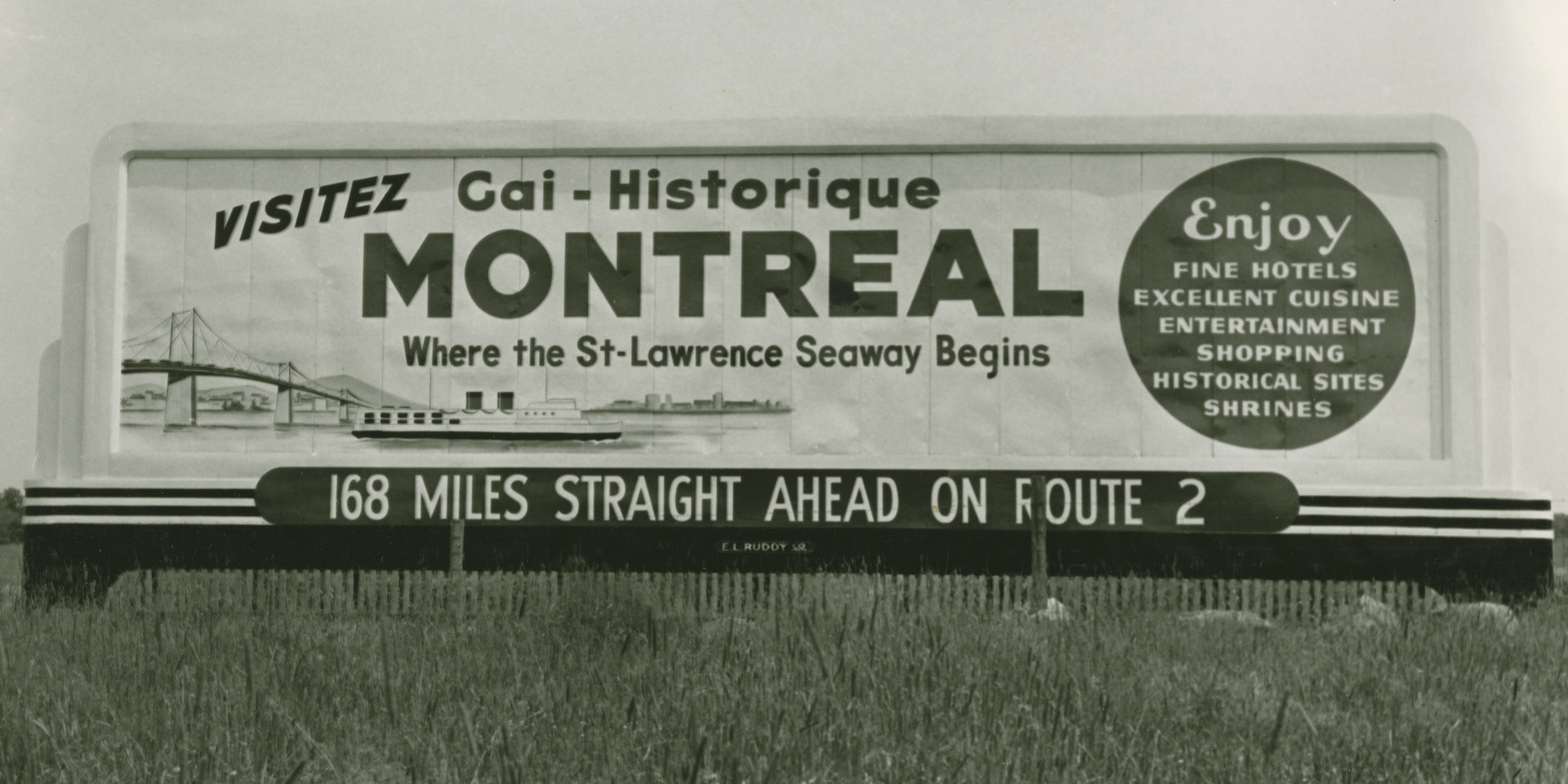
In October 1919, the Automobile Club of Canada opened the Tourist Bureau of Montreal with a pleasantly mechanical brief: promote the roads, bring in motorists, fill the city. Henry Birks & Sons, Holt Renfrew, the Ritz-Carlton, railways, steamships and City Hall helped. A visitor was a moving body with a wallet. The bureau supplied the map.
A century later, Tourisme Montréal still moves people, but the map has become a stack of businesses disguised as one nonprofit. It is a publisher for trip planners, a sales team for conventions, a funding partner for festivals, a researcher of visitor and resident sentiment, a city-brand studio, a visitor-information network and the operator of two consumer products: Passeport MTL and the restaurant event MTLàTABLE.
This is the important distinction. Tourisme Montréal does not own the room, cook the meal, produce the jazz set or run the metro. It markets a product assembled by thousands of other people, many of whom have different margins, seasons and definitions of success. Its core competence is not travel content. It is alignment.
The product is a city with no product manager
For leisure travelers, the visible layer is mtl.org: bilingual guides to neighborhoods, food, museums, festivals, nightlife, transit and seasonal itineraries. It reduces the first problem every city visitor meets - too much choice and no useful order. Passeport MTL goes one step further, bundling three or five attractions into a discounted purchase. In 2025, more than 26,300 passes generated C$1.825 million in sales and over 86,000 attraction visits. Ninety-two percent of surveyed users said it offered good value.
For event organizers, the company behaves more like an enterprise sales operation. Its Business Events Montréal team finds leads, prepares bids, hosts scouting visits, connects planners to hotels and venues, helps with promotion and logistics, and can provide financial support when a project qualifies. In 2025, the team handled 677 files and confirmed 254 future business and sports events. Those wins represented an estimated C$261 million in economic impact.
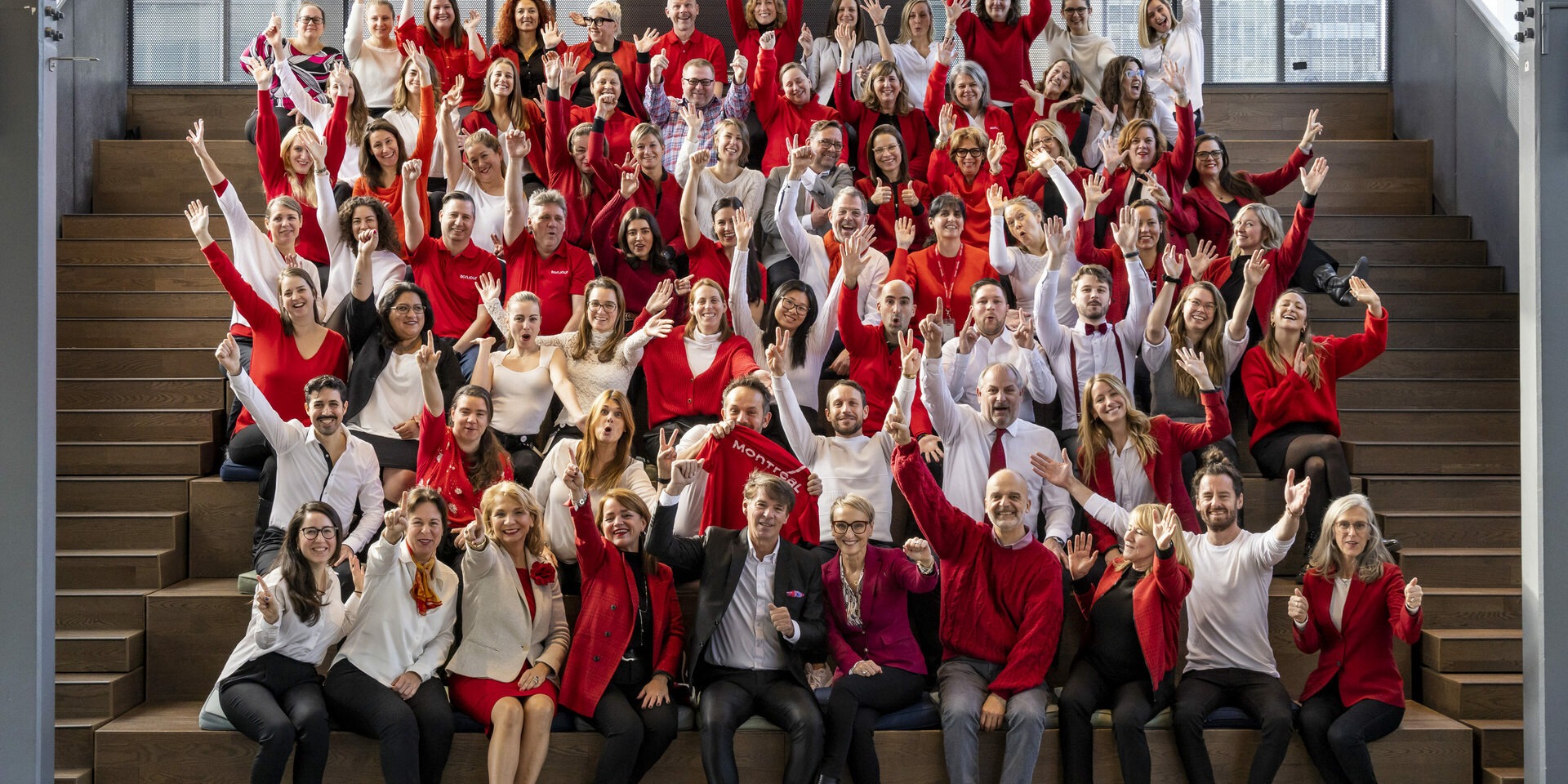
For members - hotels, attractions, restaurants, venues and service providers - Tourisme Montréal provides distribution, industry data, training, networking and access to campaigns. For residents, it now promotes local offers, runs restaurant programs and asks a formerly awkward question for a tourism bureau: do the people who live here think tourism is helping?
The lodging-tax flywheel
What did it cost? C$76.6 million, mostly spent in public
Tourisme Montréal is not venture-backed and has no meaningful startup valuation. Its economics resemble a civic flywheel. In 2025, it recorded C$77.4 million in total revenue. The lodging tax supplied C$55.8 million - 72 percent of the total. Public funding added C$7.3 million, private funding C$8.6 million and the provincial tourism alliance C$5.7 million.
The organization spent C$76.6 million. Marketing and promotion took C$44.5 million, while C$12 million went directly to events. Research, product development and public relations cost C$8 million; administration and technology cost C$4.8 million; C$7.3 million went back to the Alliance de l’industrie touristique du Québec. The useful lesson is structural: visitors finance the acquisition of future visitors, while the organization reinvests enough in the underlying experience to keep the advertisement honest.
What failed first? The assumption that the visitor would arrive
The pandemic did not merely pause Tourisme Montréal’s advertising. It attacked the transaction that funded the advertising. Between May and July 2020, passenger traffic at Montréal’s airport fell 98 percent from a year earlier. Hotel occupancy averaged 14 percent from May through August, down from 85 percent. International visitor spending dropped 95 percent in the second quarter. Tourism had been a C$5 billion visitor economy supporting nearly 60,000 jobs in 2019; suddenly the city center had lost more than 92 percent of its traffic.
The first failure, then, was not a slogan or a media buy. It was dependency. A destination optimized for outside demand had to face the residents already inside it. In 2021, Tourisme Montréal began marketing local tourism offers to Montrealers, encouraging them to become customers and ambassadors. That move widened the audience and introduced a more demanding test: would a product built for tourists also be chosen by locals?
“Create products that Montrealers love first and foremost, and that also appeal to tourists visiting the city.”Tourisme Montréal’s sustainable-tourism principle
What changed their mind? Empty streets and a crowded mandate
The recovery did not produce a return to the old dashboard. In 2022 the organization launched Destination harmonieuse, a framework that treats visitor growth, resident quality of life, inclusion and environmental performance as parts of the same system. The 2025-2030 plan aligns with Montréal’s climate plan and the UN Sustainable Development Goals. Staff and members receive training in food-waste reduction, universal accessibility, Indigenous realities, environmental claims and business transition.
The shift changes what counts as good work. Winter campaigns are not only about making snow photogenic; they spread demand into quiet months. Convention programs favor international events with longer stays and broader intellectual or social effects. A resident-sentiment study gives nearly 600 locals a place in the measurement loop. A responsible-visitor campaign drew 2.65 million video views. In 2025, Montréal placed first in North America on the Global Destination Sustainability Index and lifted its destination-management score from 83 to 91 percent.
City branding with receipts
The best evidence of Tourisme Montréal’s model is found in programs where a poetic city promise becomes a countable action. MTLàTABLE’s 2025 edition brought more than 210,000 diners to 149 restaurants over 18 days, producing more than C$13.5 million in customer spending. American Express presented it; Air Canada collaborated; metro posters, MasterChef integrations, digital video and audio supplied the distribution. Ninety percent of participating restaurants were satisfied or very satisfied.
The convention operation offers another receipt. A single confirmed group can create hotel nights, venue rentals, restaurant checks and air traffic years after the bid. Tourisme Montréal’s advantage over booking platforms is that it can coordinate this whole bundle. Against peer destination organizations in Toronto, Vancouver, Québec City or Boston, the differentiator is less a secret feature than accumulated trust: local champions, government relationships, a member network, research, media reach and the staff who know which ballroom actually works.
Even the old campaigns show the same instinct. For Montréal’s 375th anniversary, an airplane flew an unexplained “Sorry Toronto” banner over the neighboring city. Door hangers, newspaper takeovers and videos later revealed the joke: Montréal was apologizing in advance for the noise it planned to make all year. William Shatner joined the second phase. The campaign won awards because it used a Canadian reflex as the media idea, but the important part was that a full calendar of actual celebrations could cash the creative cheque.
What can you copy?
Tourisme Montréal is unusually instructive for marketplace founders, economic-development teams and anyone selling an ecosystem they do not own. The tactics are portable if the operating discipline comes with them.
A fourth lesson is to sell around a constraint instead of hiding it. Montréal will not win a January campaign by pretending to be Miami. Winter becomes the product: light festivals, food, hockey, underground routes and a reason for hotels and restaurants to staff a quieter season. A fifth is to make the partner network visible to itself. Tourisme Montréal’s member events, training and data are not glamorous, but they reduce the coordination cost behind every glossy promise.
When this playbook does not work
- When the underlying experience is weak, unsafe or inaccessible. Distribution amplifies disappointment too.
- When tax revenue rises but residents cannot see a local benefit. The flywheel then looks extractive.
- When partners cannot handle the demand, honor the package or share useful data.
- When a city copies Montréal’s tone without Montréal’s culture, bilingual texture or event density.
- When leaders optimize only for arrivals. Seasonality, room nights, spend, dispersal and sentiment matter more together.
The harder sequel to the comeback
By 2025, Montréal had passed its old visitor record with 11.9 million overnight tourists and C$5.73 billion in spending. The airport offered 156 direct links outside Québec. The city remained North America’s leading destination for international association meetings. Recovery is no longer the interesting question.
The harder question is whether a visitor economy can keep compounding without flattening the place people came to experience. Tourisme Montréal’s answer is a hybrid: keep the bright campaigns, the food guides and the convention pipeline, but attach them to resident research, climate goals, off-season demand and local products. It is messier than counting arrivals. It is also closer to the actual job.
The old bureau gave motorists a route. The modern organization has to give a city a reason, a rhythm and some boundaries. That is destination management: less like making an ad, more like conducting a band in which nobody technically works for you.
Keep exploring