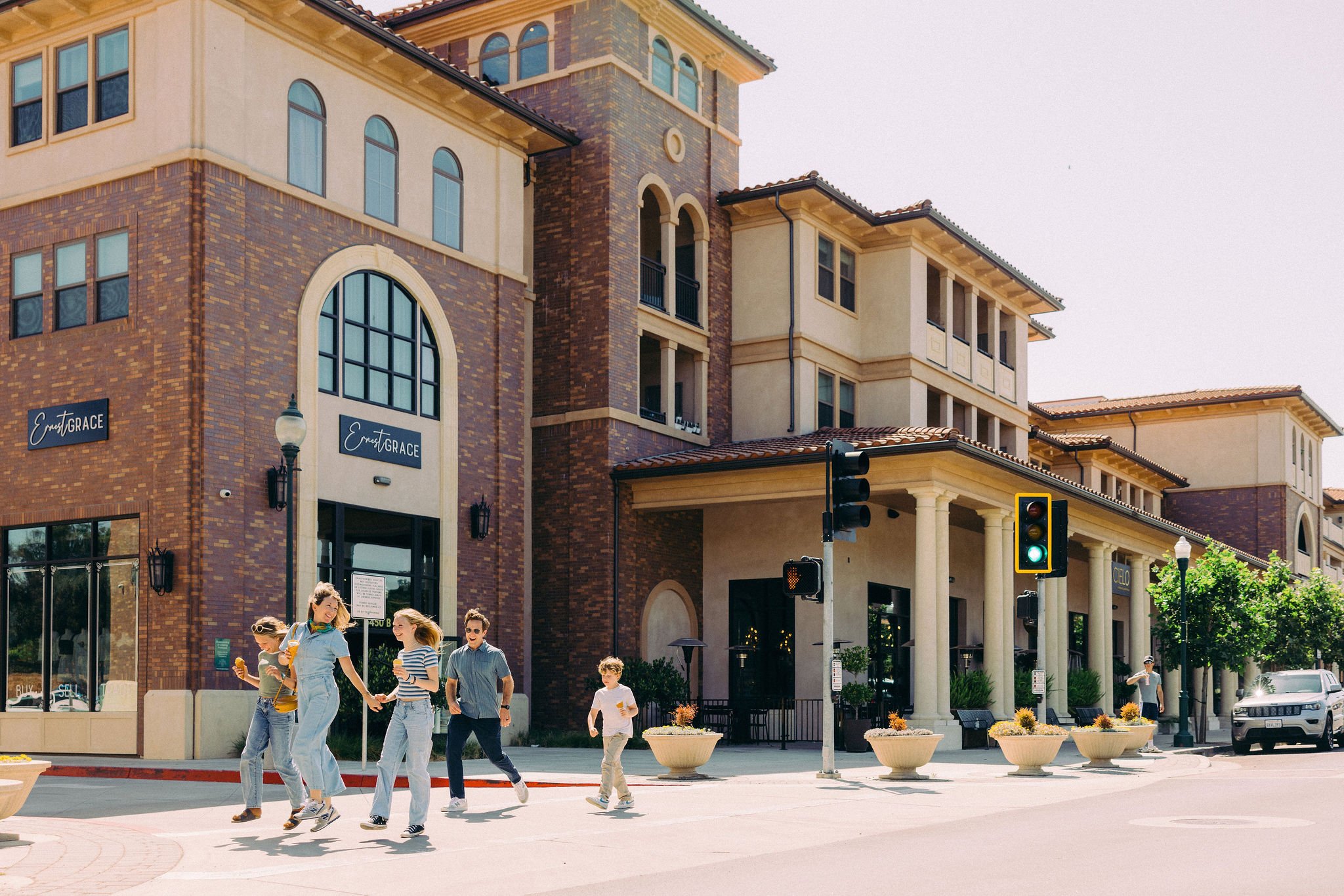
A town has an awkward problem when its best-known attractions are somewhere nearby. Point toward the vineyards and you may send the visitor down the road. Mention the ocean and you invite an obvious question: why stay here? For Atascadero, Verdin found a pleasantly domestic answer. Be the neighbor.
The agency’s Your Favorite Neighbor campaign makes the town a character: welcoming, a little nostalgic, comfortable with a joke. There is a video in the manner of a 1990s sitcom and a custom jingle produced by local artists. Proximity becomes part of the personality. The vineyards and ocean belong to the neighborhood.
This is an appealing bit of creative work. It also reveals the practical problem underneath Verdin’s business. A destination needs a story that outsiders understand and insiders recognize. Get either audience wrong and the cleverness has a short shelf life.
A town has more than one customer
Mary Verdin started the agency in 2003 with a card table and a laptop. The first contract was with the Community Foundation of San Luis Obispo County. That origin fits the business it became: an agency whose work repeatedly brings it into contact with the organizations that keep a community functioning.
Today its portfolio spans tourism destinations, parks and recreation, municipal campaigns, and economic development. The common complication is accountability. The person commissioning an advertisement may answer to a board, elected officials, business owners, and residents. Those groups need not want precisely the same thing.
Verdin’s own account of its specialty emphasizes approval cycles, reporting, and the scrutiny attached to public dollars. That is a more useful distinction than a claim to unusual creativity. Plenty of agencies can design a handsome advertisement. Knowing who must approve it, and what they need to understand, belongs to the work too.
The menu is broad: brand assessment and strategy, stakeholder relations, campaigns, media buying, social content, websites, and public relations. Buyers can commission a project or use Verdin through an ongoing agency-of-record relationship. The company sells professional time, judgment, and execution. Its website describes fixed fees, hourly engagements, and other arrangements tailored to scope.
Before the font, the walk
For Visit Burbank’s rebrand, the team spent two full days exploring restaurants, shops, and public spaces, and talking with people. Stakeholder surveys and conversations helped establish descriptors. Then came the less obvious step: agreeing on what those words should look and feel like.
It is easy to nod along when someone says a place is creative. It is harder to agree on whether creative means an exuberant color palette or restrained typography. Verdin describes workshops, sketches, and a visual system drawing on local details. The resulting identity extended to the website, templates, signage, collateral, and merchandise.
Gilroy presented another version of the problem. Its association with garlic was useful but incomplete. Verdin worked within an existing rebrand, using immersion tours and market research to identify overlooked attractions. The agency reports a 55% year-over-year rise in website sessions for that program. That is a traffic result, not a count of additional travelers.
“Kind Folks, Clever Marketing”
Verdin’s own introduction
In Oxnard, the initial problem was more literal: the tourism logo resembled the city government’s identity too closely. Verdin’s case study describes creating a distinct destination brand. Across these projects, the work begins with a specific mismatch between a place and the way it presents itself.
The unromantic part of the postcard
What does this cost? A historical Atascadero proposal supplies a useful view inside the machinery. A June 2017 council report set out a proposed $180,000 marketing scope for 2017–18. The largest line was media hard costs, planning, and placement.
Historical proposed scope, including media costs. Not a current rate card or the budget for Your Favorite Neighbor.
The requested increase from $120,000 would bring additional advertising and event opportunities into the scope, reducing separate change orders. The budget makes a useful distinction visible: buying an agency’s work and buying space for that work can sit inside the same contract. Treating the whole amount as a design fee would badly misread it. Atascadero’s proposal details the allocation.
Control over distribution matters too. Verdin adopted Basis in 2019 to bring programmatic buying in house. A February 2021 vendor case study reported a 23% improvement in click-through rate and a 140% increase in site traffic for its largest client without a budget increase. Those are historical vendor-reported results, not a forecast. The account describes the buying and reporting changes.
A pretty campaign still needs participants
San Luis Obispo’s Restaurant Month is a useful smaller-scale example. The problem was January: a slow period in which participating restaurants offered special menus and pricing. Verdin made digital and print materials, email templates, promotional graphics, and sidewalk stickers, and worked with local influencers and news coverage.
The important detail is that restaurants received things they could use. In Verdin’s account, nearly 60 businesses participated, and more than half reported increased traffic year over year. The agency also reports 5,706 digital clicks. The business responses are a different kind of evidence from the ad count; neither establishes how much extra revenue the campaign caused.
Walk the place.
Talk to its people.
Make shared words
mean something specific.
Give participants
materials they can use.
Uplift Central Coast, a six-county economic development effort, needed community participation as well. Verdin supplied an identity, editable templates, bilingual reports, and video storytelling. For Greater Vallejo Recreation District, the work included bringing department voices into a recognizable brand. A useful identity must travel through other people’s hands.
That provides a practical borrowing opportunity. Before commissioning another batch of posts, ask which partners must participate and what would make participation easier. A template may solve a problem that another slogan leaves untouched. This is an inference from the projects, rather than a promise that the same materials will work everywhere.
Even the agency needs a community
Verdin describes a deliberately small internal team supplemented by contractors. Its hybrid arrangement includes a weekly shared office day, with brainstorming and visual reviews often scheduled together. An employee group called the Better Betterment Bureau organizes activities such as making bracelets and painting succulent pots. The name sounds like bureaucracy acquired a craft drawer.
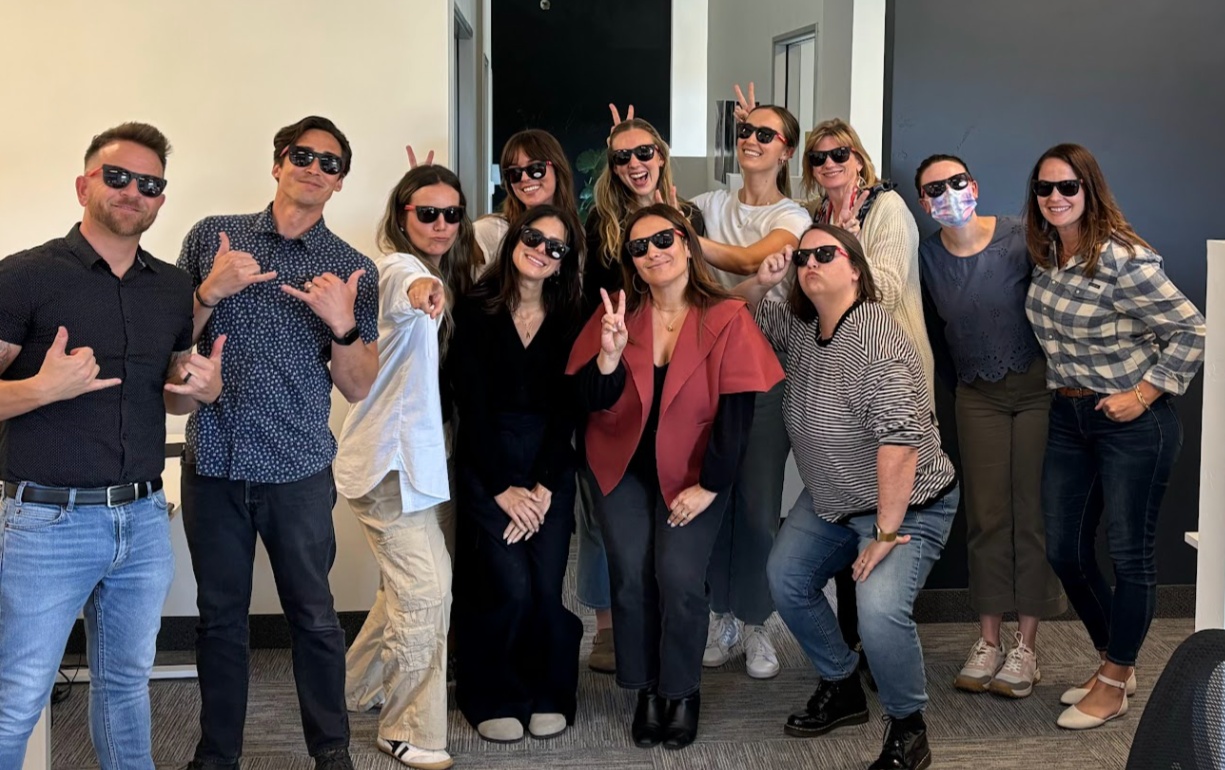
The community connection also has a deadline. In 2014, Verdin launched its 24-Hour Give, donating a nonprofit rebrand with help from media partners and local creatives. The first event assembled more than $80,000 in donated services, according to the agency. In 2020, it adapted the effort into a virtual mental-health awareness campaign with Transitions-Mental Health Association.
These activities use the same underlying resources as client work: relationships, coordination, and people who can make things. They also help explain why the agency’s public-sector focus feels connected to its history rather than bolted onto a service list.
The room gets a vote
There is a revealing procurement lesson in Morro Bay’s public record. A staff report recommended combining tourism marketing and public relations under one firm, Mental Marketing. Previously, Verdin had handled marketing and Mental Marketing had handled PR. Staff and the board believed a single contract would improve coordination. That documents a change in buying priorities, not proof of deficient creative work. The city’s report explains the rationale.
Verdin sits in that competitive market: destination specialists, regional agencies, and clients’ own teams, with the buyer deciding how much work to keep together. Its particular appeal is familiarity with places and the institutions behind them.
The neighbor idea is worth borrowing only if the welcome is real. Local participation, a credible visitor experience, and agreement about the desired result give the campaign something to stand on. Without those conditions, a nostalgic jingle offers a pleasant thirty seconds. With them, a town has a story its residents might actually tell someone else.