web-design
(238)Designer Web Agency Looks Beyond the Website
The Atlanta agency pairs web design with search, advertising, and marketing follow-up. Its service mix offers a useful way to think about what happens before a click - and after it.
the Loft makes the next step obvious
A baklava guide. A better product picture. A shorter route to checkout. The Missouri creative agency turns the small details of buying into the substance of a brand.

NinjaSites and the price of doing everything
A website builder, unlimited domains, and a bundle of business apps for $14.99 a user. NinjaSites made a persuasive bargain. Its parent’s next move reveals the cost of keeping that promise.

Plan B® finds the buyer before it buys the ad.
A kitchen designer. A supercar dealer. A family choosing care. This Chicago agency builds campaigns around the people who can actually move a decision.
ZF Technologies and the $247 follow-up
A small-business marketing offer put the website, the inbox and the front desk in one loop. Its most revealing detail is a spa scorecard - and the arithmetic hiding inside it.

Shane Michael and the art of getting out of the way
The founder of Mittun came to nonprofit websites through design and action sports. His most useful idea asks the person making the website to surrender a little of the spotlight.

Josh Wilhelm and the question before the design
Before the logo, the website or the marketing plan, Josh Wilhelm wants to understand the customer. The LightHouse Graphics founder has carried that habit from design work into business radio and, more recently, AI automation.

Philly Online Marketing follows the click to the customer
A local marketing business makes a practical case for connecting search ads, websites and follow-up. The interesting part happens after someone clicks.
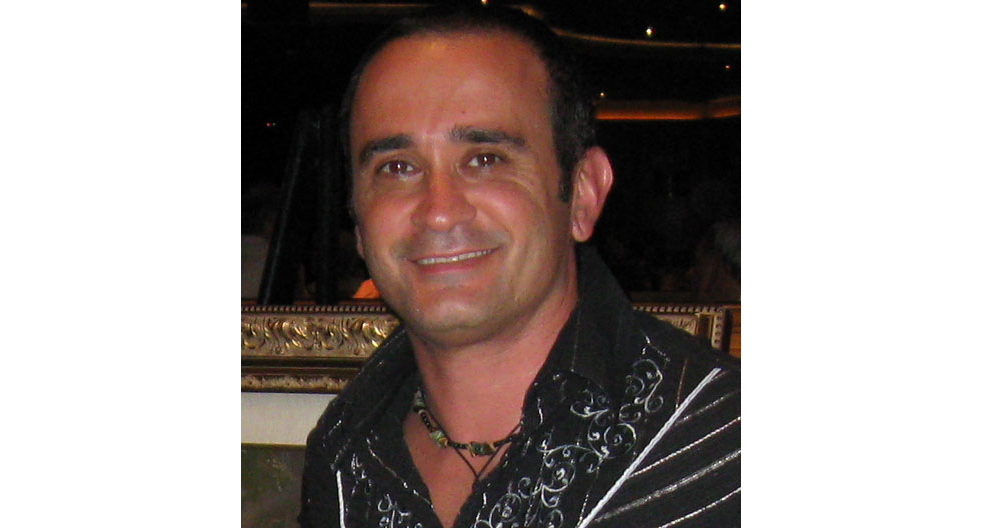
Angelo Frisina and the Business Between Soundchecks
A touring drummer learned to build websites while waiting for the next show. The work grew into Sunlight Media, a Los Angeles agency, while the music kept its place in his life.
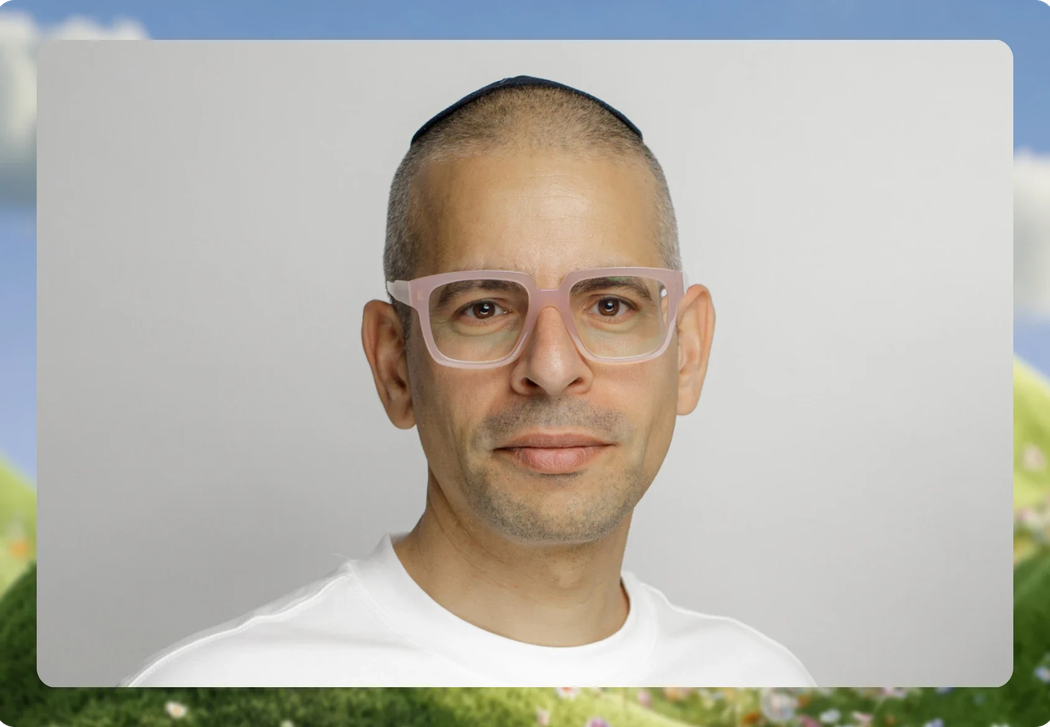
Yoni Luksenberg and the problem worth repeating
Before Elementor, Yoni Luksenberg kept rebuilding the same parts of other people’s websites. The designer’s answer became a business built around a deceptively personal question: what keeps getting in the creator’s way?

John O’Nolan and the company he can never sell
Ghost’s co-founder made independence a condition of the business. From a music-school detour to a publishing platform built to outlast him, John O’Nolan keeps asking who the tools really serve.

Top Page Rankers and the price of being found
Top Page Rankers sells businesses a route into search results. Its public record offers a more interesting lesson: buying visibility begins with agreeing on what a result actually means.
Big Drop Inc makes the complicated look simple
A course catalog, a cybersecurity business, a hair-care academy: Big Drop Inc turns tangled information into websites people can use. The interesting work begins before anyone chooses a color.

The Grid Sold the Website That Would Design Itself. Then People Tried to Use It.
A startup offered to remove the fiddly work from making a website. Its customers discovered that choosing less also meant controlling less - and that an elegant promise could become a very long wait.

Cameron Adams and the Beautiful Usefulness of Being Wrong
Before Canva reached hundreds of millions of people, Cameron Adams built beautiful things that failed. Those failures taught him the useful difference between making a product impressive and making it belong to everyone.

The Office That Came Before the Company
Sakebomb rented an office before it had a business, then turned Hollywood movie sites, skate culture and a taste for mischief into a working model for the early web. Its surviving portfolio is a time capsule of what happened when a tiny studio was allowed to make the campaign part of the entertainment.
The Sign Shop That Learned to Tell a Whole Valley's Story
David Boring turned a joke about his surname into a homegrown agency that sold everything from signs to strategy. Its most revealing campaign may have been the way it closed.

The Print Factory Bet That One Vendor Could Print the Whole Brand
A business card, a tent and an embroidered polo look like separate errands. This Ontario print shop built its proposition on making them one conversation.
The Design Firm That Kept Changing the Canvas
Visible Design spent three decades doing something unfashionably useful: following a company’s message wherever it needed to go - from a logo to a trade-show wall to a technical diagram.
The Agency That Put Two Histories Through One Door
Qantm Creative was born when two Virginia agencies retired their familiar names and moved under one roof. The useful lesson is not the new logo - it is how an agency turns inherited experience into one repeatable operating system.
CRIMSON Outgrew a Famous Name. Then It Put Purpose on the Door.
Born from a Detroit anchorman's newsroom instincts, CRIMSON spent three decades learning that a famous name can become a ceiling. Its answer was a sharper promise: fix the brand before buying the megaphone.

The Most Expensive Part of Marketing Is the Handoff
A Pittsburgh agency has spent nearly four decades making a quiet bet: the fewer times an idea changes hands, the better chance it has of changing minds.
The Agency That Put Family First - and Became Southwest Florida’s Marketing Department
Priority Marketing began at a dining-room table with a constraint disguised as a name. Thirty-four years later, that constraint has produced a 65-plus-person agency, millions in donated work, and a simple lesson: creative work gets sharper when somebody keeps score.
DMH and the Website That Wasn't a Website Problem
The Kansas City agency makes websites, campaigns and brands. Its more interesting product is the moment a client realizes it asked for the wrong thing.

The Bank Said No. Social Driver Built the Agency Anyway.
Two founders arrived in Washington without capital or connections. Fifteen years later, their agency's sharpest trick is still the same: finding the human route through a digital problem.
Belfort Group Learned to Count What Happens After the Click
The Boston agency does PR, media, design and websites. Its more interesting product is the connective tissue between them - a habit of following attention until it becomes an application, a qualified lead or a unanimous vote.
The $1,000 Bet That Taught a Small Agency How to Stay Small
Kate Austin began with seven clients, an old laptop and $1,000 she could afford to lose. Fifteen years later, the lesson was not how to become a giant agency - it was how to make useful marketing fit the people usually priced out of it.

The Agency That Learned to Say No
Studiothink began by trying to do everything. Its sharper business emerged when founder Christine Lobas discovered that the useful part of a full-service agency is not the size of the menu - it is knowing what deserves to be on it.
The Radio Host Who Learned That Storytelling Was the Easy Part
Tuuti Agency grew by selling stories. Then founder Shawnda Huffman discovered the harder product was a team that could deliver them - without losing the human touch that made the agency worth hiring.
He Sold the Turntables. The Agency Kept Changing the Record.
MSM Digital began with a bedroom computer, free websites and a name built for the design era. Twenty-seven years later, its most useful product may be the habit that forced a rebrand: noticing when the old answer has stopped fitting the problem.