The trouble with selling an expensive kitchen tap is that the person who wants one may already be too late. The cabinets are ordered. The plumbing is settled. A small domestic dream has become a construction problem. For a marketing agency, this is a revealing predicament: attention can arrive after the opportunity has left.
When Culligan brought Plan B into Zip Water’s North American launch, the agency identified that timing problem. HydroTap delivered boiling, chilled and sparkling water. But installing it belonged in a renovation conversation. The useful audience included the person drawing the kitchen, well before the homeowner admired the finished sink.
- The offer: brand strategy and the practical work of campaigns, CRM, social and websites.
- The method: work out who influences the purchase, then build the route to them.
- The distinction: on-demand execution with coordinated brand oversight, plus B Corp certification.
A faucet with a gatekeeper
Plan B put design professionals first. At the Kitchen and Bath Industry Show, it developed the booth, demonstrations and surrounding communications. Consumer media followed. Its H₂O³ creative idea gave three water options a compact identity.
The assignment came with a tight timeline and a limited budget. That made sequencing consequential. Spending broadly before the people specifying kitchens understood the product could leave the campaign generating desire that was difficult to fulfill. The agency’s account reports a Best of KBIS Silver award for Zip Water.
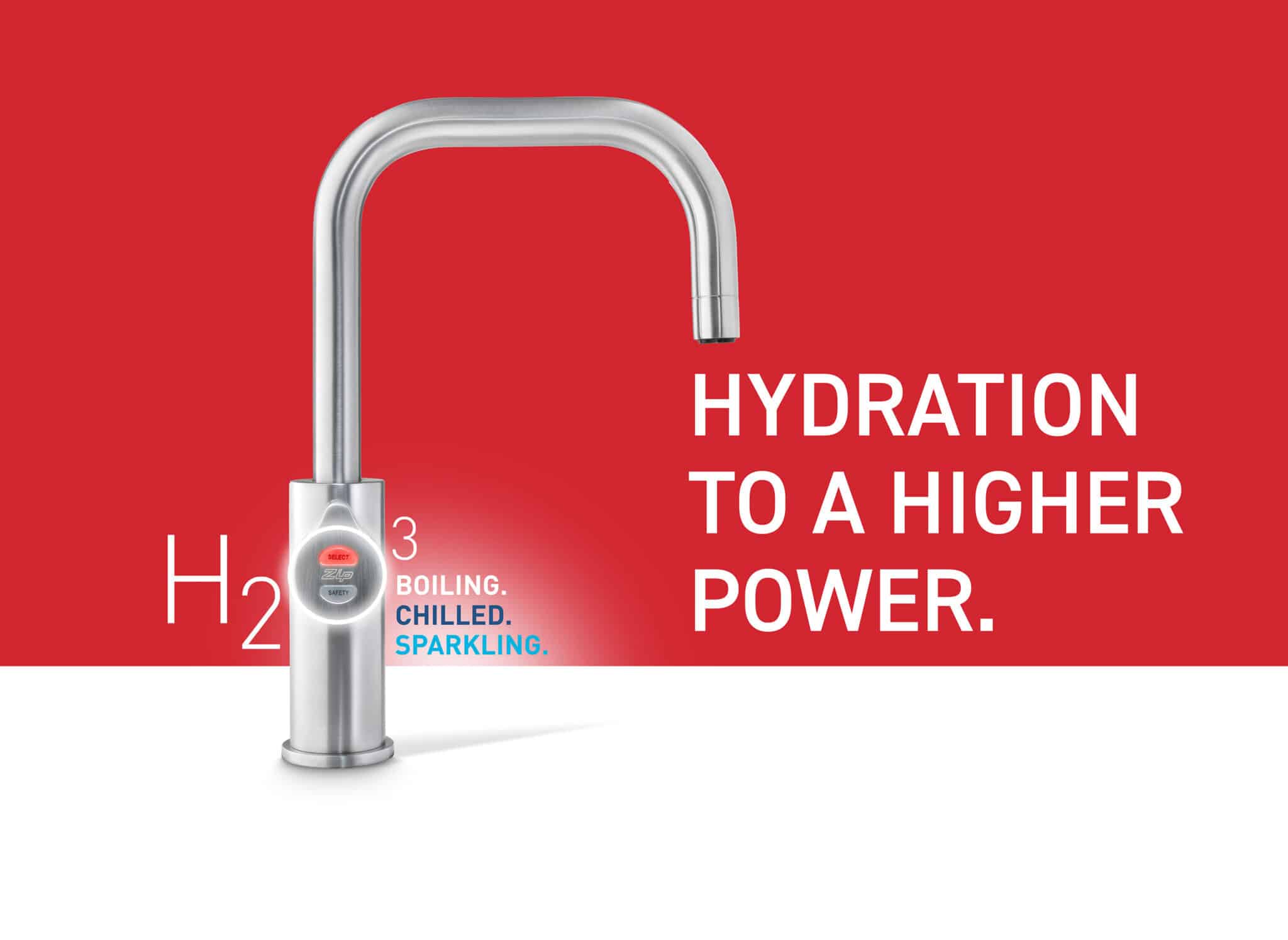
The transferable idea is simple: map the purchase backward. Find the point where a customer’s options narrow. Reach the people who shape that moment. This logic is useful when products require installation, professional advice or advance planning; an everyday impulse purchase presents a different problem.
The fan is not always the buyer
McLaren posed another sorting problem. Plenty of people enjoy looking at supercars. A dealership needs prospects who might own one. And a national campaign has to contend with local weather, geography, wealth and competing vehicles.
Plan B began its prospecting program in four markets. It used vehicle-ownership information and audience segments to shape messages across digital advertising, email and events. The experiment gave the team a way to learn before extending the approach across the network.
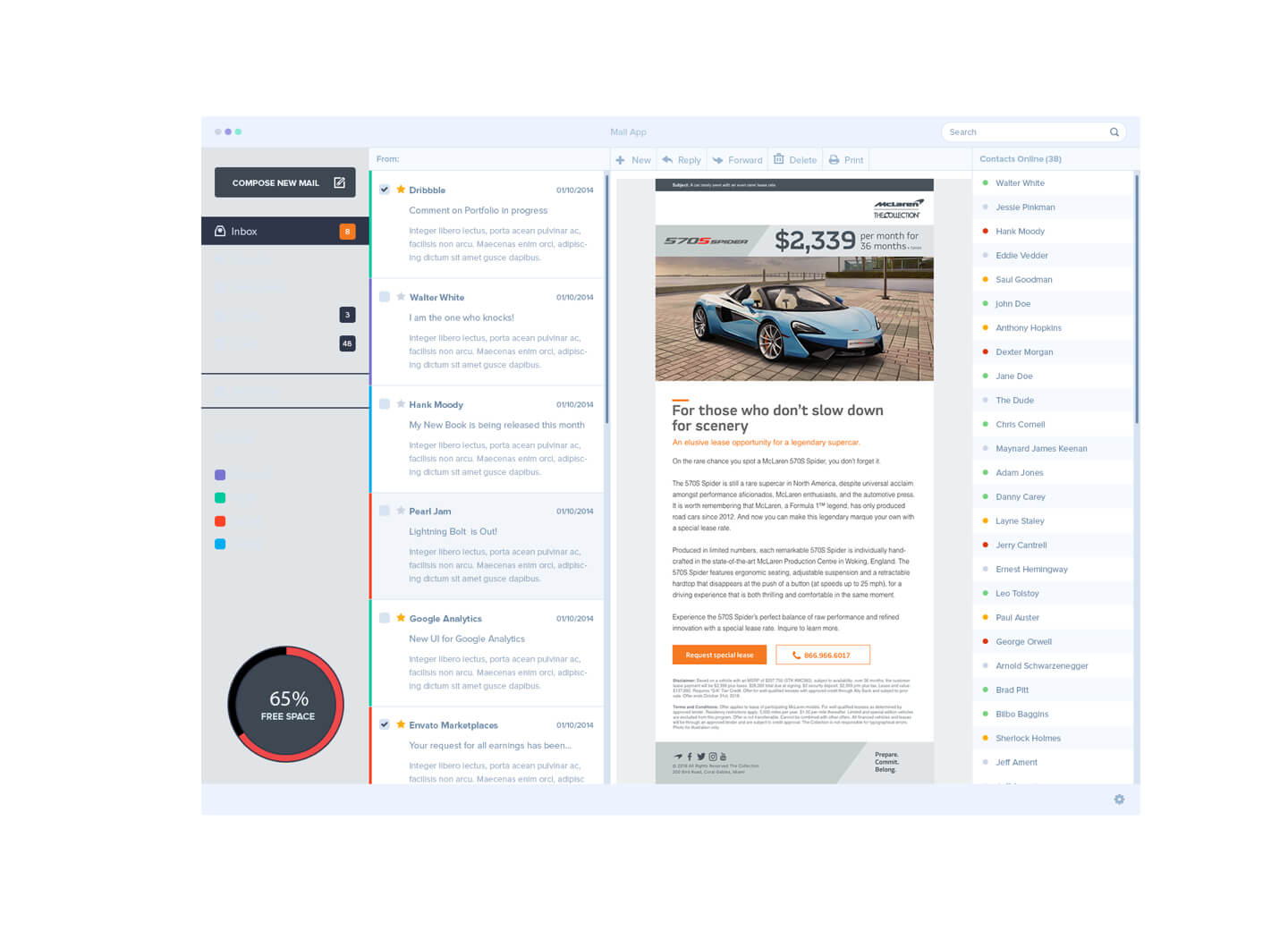
Qualified leads for participating dealerships. Five vehicle sales or leases was the program goal.
Those are different measures. A lead is a chance to sell, and the dealer still has work to do. For a marketing buyer, that distinction is a useful habit: agree on the commercial outcome, then name each intermediate measure honestly.
The business between the handoffs
Plan B sells the work required to connect these pieces. Its services cover research, identity, advertising, websites, social media, CRM and events. The customer is generally a marketing team buying expertise and execution. The offer is client service, with an on-demand pitch and agency-of-record-style coordination.
That positioning addresses a familiar management burden. A brand can hire separate specialists and become the organization responsible for making them agree. Plan B proposes to keep oversight and execution together. For buyers comparing agencies, the question becomes concrete: who owns the journey between the campaign, the website and the next customer interaction?
- 01Find the
decision - 02Identify the
influence - 03Shape the
message - 04Build the
next step
The service menu reaches into details that often sit behind the finished ad: usability testing, sales tools, automation roadmaps, influencer programs and reporting. That breadth makes Plan B relevant to established brands with several connected needs. A buyer seeking one small, isolated deliverable should compare the scope with a specialist’s offer.
Thirteen front doors, one address book
For Goodwin Living, the obstacle was understanding. The organization’s activities extended beyond senior living campuses into health services, home care and other programs. One undifferentiated presentation could make those choices harder to grasp.
In an August 2025 account, Plan B described eighteen months of discovery, brand development and digital work. The result included thirteen websites with a shared look and voice. Different audiences received more specific entrances, while the organization retained a coherent identity.

Culligan Cares presented a related problem. Its charitable mission had outgrown its digital presence. Plan B’s August 2025 project account describes simpler navigation, clearer project stories and refined donation functionality. Here, useful branding included making a practical action easier to complete.
A B with an assessment behind it
The agency’s values pitch has an external reference point. B Lab records Plan B as certified since May 2023, with an overall B Impact score of 89.8. Its listed assessment covers governance, workers, community, environment and customers.
Certification belongs to the business. A client campaign needs its own evidence. Torqeedo’s electric-motor work illustrates the next question: which argument persuades? Plan B tested sustainability-themed creative alongside a concept emphasizing the practical benefits of moving away from gasoline motors.
For a prospective client, the useful move is to bring a decision problem into the first conversation. Specify the audience, the action and the constraint. Then ask which work is necessary, how it will be measured, and who will handle the handoffs. The scope should follow those answers.
The people who do the connecting
Ric Van Sickle’s agency biography dates his role in founding Plan B to 1998, following thirteen years in larger agencies. Clay Cooper and Don Weaver joined him in building the alternative. Their public biographies make experience feel unusually informal.

“Making art without starving.”Don Weaver, describing his job
The company now promotes AI-related capabilities while arguing for human creative judgment. Its strategy page also openly borrows established ideas, including archetypes and Maslow’s hierarchy. The interesting claim is in their application. Across these projects, Plan B’s most useful question remains wonderfully ordinary: who needs to understand this, and what must happen next?