The telling detail in a marketing agency is rarely the logo on its own door. It is the order in which the agency does things. In December 2023, the City of Fishers hired THE PLAID AGENCY to help its health department communicate with the public. The scope did not begin with a tagline, a color palette or a social calendar. It began with baseline measures, underserved audiences, outreach programs and the possibility of a qualitative survey. The first billable artifact was understanding.
Only then came the brand identity, messaging pillars and a year-long editorial plan. Activation followed after that. The sequence sounds obvious, in the way that sensible ideas often do after someone has written them down. Yet marketing is full of reversed sequences: the video is ordered before the audience is understood; the website is redesigned before anyone can say what decision it should help a visitor make.
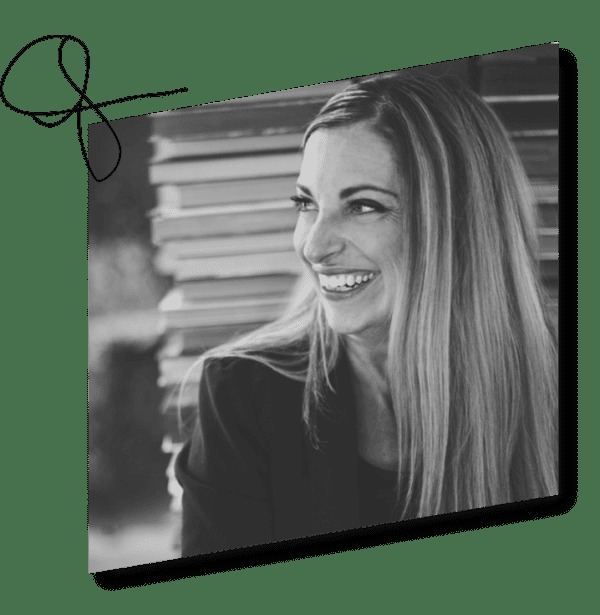
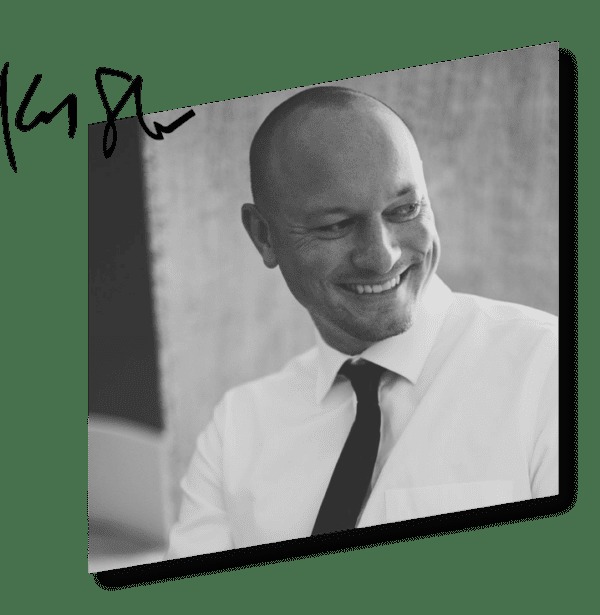
PLAID's wager is that the order matters. The firm was founded in 2015 by Samantha Schwartz and Kylan Stuck in Carmel, just north of Indianapolis. Schwartz had spent more than 15 years in healthcare marketing, including leadership roles at Eli Lilly and Avant Healthcare Marketing. The agency they built now lists roughly 15 employees and a formidable menu: strategy, branding, public relations, web development, digital marketing, video and events. The menu is broad. The method underneath it is surprisingly narrow: discover, collaborate, craft, fine-tune, activate.
The public price of thinkingA scope of work, in three acts
Agency pricing is usually foggy by design. PLAID does not publish a rate card, but the Fishers agreement makes one engagement legible. Discovery cost $4,000. Building the identity, strategic messages and editorial system cost $11,000. Two months of initial activation cost $5,000, capped at 20 hours a month. Optional media spend and a $9,000 partnership project could be added with approval.
Baselines, audiences, outreach programs and qualitative inputs.
$4,000Identity, messaging pillars and a 12-month editorial plan.
$11,000Templates, educational materials and live communications.
$5,000This is the firm's business model in miniature. PLAID sells projects and retainers, but what the buyer gets is continuity across disciplines. The person conducting stakeholder interviews can sit near the writer naming the initiative, the designer shaping it, the publicist pitching it and the developer publishing it. For clients without all those functions in-house, that proximity is the product.
The old language gives wayWhat failed first was not the campaign
Consider National FFA. The organization had history, scale and extraordinary affection. Its difficulty was that established ways of communicating could make it sound like a monument to traditional farming rather than an invitation into technological, inclusive agriculture. PLAID helped evolve the website and brand image, then built the material for the 91st National Convention and Expo: guidelines, videos, social posts and collateral.
The most revealing result came from a modest verb. On Alumni Day in 2018, PLAID asked former members to “check in.” More than 12,000 did so in one week. The campaign did not invent alumni loyalty. It made that loyalty easy to perform. At the same convention, PLAID helped introduce the Blue Room, a 17,000-square-foot space for experiential learning around new food and agriculture technology. One effort made nostalgia actionable; the other made the future tangible.
“Our story went from being told only from established methods to stretching beyond who we are.”National FFA client testimonial
The thing that changed was not FFA's underlying mission. It was the organization's view of the container. A website, an event space and an alumni prompt could all carry the same repositioning. That is where a full-service agency earns the adjective: not by producing everything, but by preventing each piece from becoming its own little country.
Campaigns that ask for actionFrom awareness to a countable yes
PLAID's portfolio leans toward institutions with too many audiences and ideas that are easy to agree with but hard to act upon. EmployIndy's Good Wages Initiative needed employers, workers and consumers to recognize the same proposition from different angles. PLAID ran surveys and focus groups, studied barriers and bias, tested the naming, then built a messaging matrix, FAQs, implementation plan and media rollout. Sixty-three employers joined within the first nine months.
Change the Frequency began with the Indiana Department of Education as a mental-health awareness campaign for schools. It used educator toolkits, digital resources and video. Its success led the state's Division of Mental Health and Addiction to extend it to families facing pandemic-era strain, including shelters and foster-care programs. The campaign kept traveling through 2023 because it was not only an advertisement. It was a box of usable parts.
AgriNovus Indiana offers another version of the problem. Indiana's food and agriculture economy had companies, universities, government programs and talent, but the sector needed a shared story. PLAID's “It's Happening Here: #timetotell” campaign won 2018 Davey Awards for cause marketing and marketing effectiveness. The more interesting fact is that AgriNovus later described PLAID as a five-year partner across rebrands, websites, videos, media buying and collateral. Awards announce a moment. Repeat work reveals whether the plumbing held.
What to copyMake the brief do more work
The portable lesson is not to hire an agency for seven services. It is to insist on a chain of evidence. PLAID's public work suggests a practical sequence any team can borrow:
- Name the behavior you want - join, check in, seek help, visit, inquire - before naming the deliverable.
- Interview the people who must say yes and the people who will implement the idea.
- Turn the findings into a message matrix, not one precious slogan.
- Build reusable tools around the message: FAQs, templates, editorial pillars, video and landing pages.
- Choose channels only after the message can survive translation across them.
Preferred Global, an industrial painting and flooring company, is the cleanest commercial example. The original problem was weak exposure and web traffic. PLAID investigated search opportunities, redesigned the user experience and rewrote the content. Six months later, the client said organic traffic had more than tripled and that inquiries had produced sales. The sales team also emailed PLAID-designed case studies to prospects. The website stopped being a brochure and became a supply line for sales.
This model needs access: to customers, internal stakeholders, performance data and decision-makers. It is a poor fit when leadership wants decoration without discovery, cannot align on the behavior it seeks, or needs the economics and always-on scale of a software platform rather than a hands-on services team.
A small shop with a wide benchThe useful tension inside “full service”
PLAID occupies the busy middle of the agency market. A specialist may go deeper in paid search or identity alone. A holding-company network can place teams across continents. An in-house department owns more institutional memory. PLAID's alternative is senior proximity and coordinated execution, particularly for regional organizations, public bodies and mission-driven clients that need several capabilities but do not want to manage several vendors.
The technical side is expanding. A current front-end role spans WordPress and Elementor alongside Next.js, React, Storyblok, Vercel and Supabase, with animation tools such as GSAP and Framer Motion. That is a revealing combination: the dependable stack many clients already use beside the modern stack they may grow into. The job description also expects the developer to join client meetings and explain choices in plain language. The loom is getting more technical, but it is still a loom.
Inside the office, the company turns its own name into five cultural pillars: Partnership, Lifelong Learning, Acumen, Integrity and Dedication. The careers page then lowers the temperature with an inventory of sunlight, La Croix, snacks, six collaboration spaces, 96 dry-erase markers and 88,000 minutes of Spotify. It is office copy, naturally. But it also hints at the kind of organization required by the business model. If the disciplines do not talk, “full service” becomes seven invoices wearing one trench coat.
The plaid metaphor can feel almost too convenient: separate lines becoming a durable pattern. Yet the firm's best case studies make the metaphor earn its keep. Research crosses language. Language crosses design. Design crosses channels. The result is not valuable because everything matches. It is valuable because the audience can recognize the invitation wherever it appears - and knows what to do next.