A fire-apparatus dealership and a can of California wine have little reason to share a marketing brief. One sells equipment that departments depend on; the other might end up in a picnic cooler. In MHD Group’s portfolio, both become exercises in the same practical question: what should a business look and sound like when it is ready for its next chapter?
The Modesto agency’s answer extends well beyond the logo. Its work moves through websites, packaging, employee communications, advertising and the materials that customers actually handle. The interesting part is how often the relationship continues. A design launch becomes an annual marketing plan. A publication becomes another issue. A client’s expanding operation gives the agency a fresh problem to solve.
Founded by Marcia Herrmann in 1987, MHD now describes itself as a strategic branding and creative agency. Its account of its approach puts business goals ahead of creative decisions. The portfolio gives that proposition some texture: fire trucks, eggs, wealth management, university publishing and a fintech leadership summit. The range is broad, but the recurring assignment is surprisingly specific. Help the public understand what this organization has become.
The fire trucks came with an inside job
Golden State Fire is the clearest example of MHD settling into a client’s working life. According to the agency’s case study, the relationship began more than a decade ago, when the dealer operated from one location. MHD started with internal messaging, helping employees share an understanding of the company before changing its presentation to customers.
The assignment developed into an embedded marketing-team role. MHD lists annual planning, identity and messaging, website development, social media, paid campaigns, photography, video and custom software among its contributions. That is a substantial spread of work for a relationship that could otherwise be described, rather vaguely, as branding.
MHD reports that Golden State Fire grew from 13 employees to more than 60, with locations in Elk Grove and Tracy. Those figures describe the client’s expansion during the relationship; they do not isolate marketing’s contribution. The operational detail is more instructive: regular access to leadership lets the agency connect recruiting, internal communications and customer-facing work instead of treating each request as a separate creative emergency.

A bear with somewhere else to be
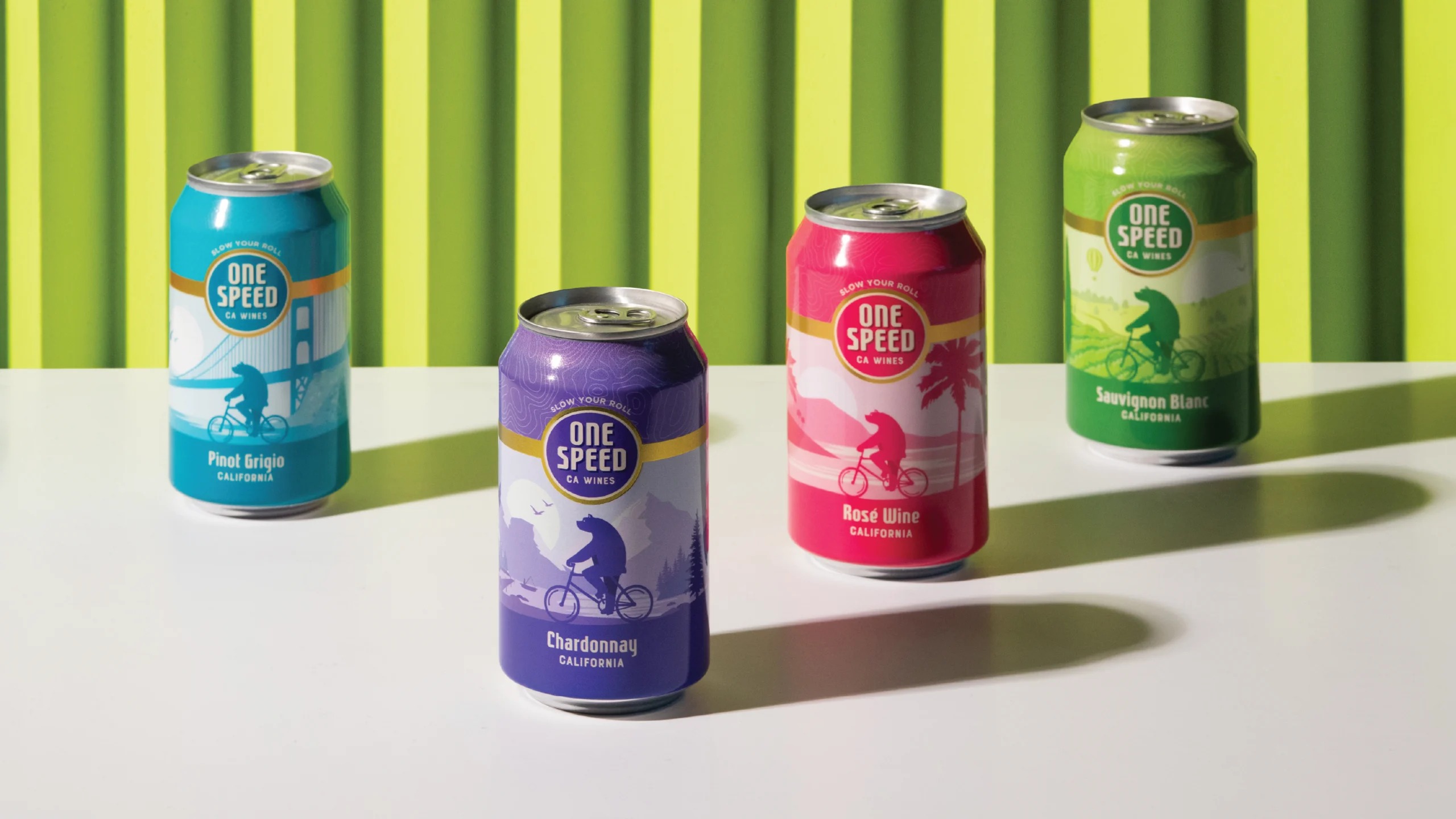
For One Speed, the business problem lived on a grocery shelf. MHD’s client brought a canned-wine concept to Raley’s, creating an opportunity for a control brand: a product that could help distinguish the retailer’s own assortment. The client, an artist, arrived with a developed creative point of view. MHD describes its role as turning those ideas into a complete brand and packaging system.
The resulting California bear rides through different illustrated landscapes. Four varietals share a family resemblance while keeping their own colors and settings. The 375-milliliter can makes the format portable; the illustration gives it a relaxed personality. It is an unusually cheerful piece of commercial problem-solving. The bear appears to have declined an urgent calendar invitation.
One Speed also has a specific piece of outside recognition: MHD’s packaging appears on the 2023 Communication Arts Design Competition shortlist. A shortlist is a design distinction, separate from a sales result. It provides a firmer description of the achievement than an unspecified claim to award-winning work.
Pleasant Valley Farms presented a related challenge from the opposite direction. It already supplied grocery businesses under other companies’ labels. Creating Nature’s Gift meant developing a consumer identity the supplier could call its own. MHD built a mascot, packaging and a website that addressed retail shoppers and wholesale buyers. Its case study emphasizes room to add products without rebuilding the identity.
The useful distinction is between a package and a repeatable design system. A single attractive carton answers today’s brief. A consistent structure for names, colors, illustrations and product information can help the next carton belong to the same family. Designer Ani Bijoyan also credits her collaboration with MHD on Nature’s Gift, offering a view of the creative contributors behind the agency name.
When the business outgrows its introduction
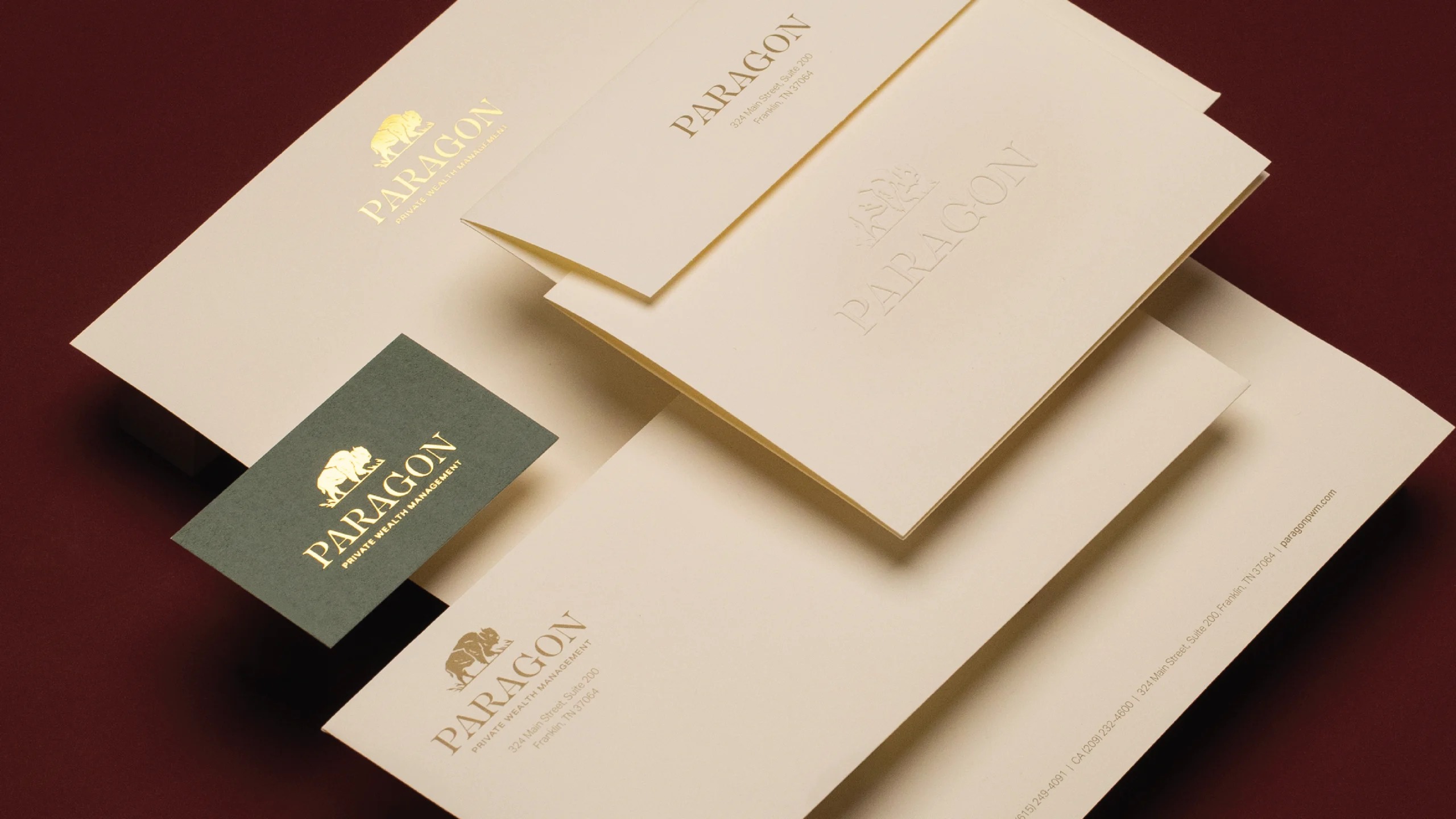
Paragon Private Wealth Management brought a different kind of mismatch. The firm served clients with complex financial needs from two offices, with its main office in Franklin, Tennessee. MHD’s account says its identity had fallen behind its expertise. The task was to bring the firm’s various introductions into alignment, from its website to its stationery.
The Paragon assignment included visual guidelines, a defined voice, digital tools and presentation materials, including a proprietary tool used in client meetings. Advertising and social-media work continued afterward. The point for a service business is straightforward: the first impression happens across several encounters, and the team needs usable materials for the conversations that follow.
Legacy Athletic Center had outgrown a different introduction. Its owner was moving from the RIDE 209 boutique spin studio in Manteca to a larger athletic center in Ripon. The name and vision were already established when MHD took on the identity. Its work included a logo, typography for motivational wall messages and the TAB Collective apparel line.
In MHD’s telling, the relationship had reached eight years, and the original community followed the transition. The business change explains the new brief; it does not require a story of a failed old brand. A shirt, a sign and a wall graphic had to feel related while supporting a more expansive facility. The agency was designing for places and objects, as well as screens.
“Authentic design doesn’t follow trends. It builds trust that outlasts them.”
Marcia Herrmann · MHD Group
Yes, there is a price tag
A proposal in Del Puerto Health Care District’s April 2022 board packet gives a concrete historical example of MHD’s pricing. It proposed using the shorter DP Health name and quoted $4,800 for logo design, $3,500 for stationery design and $2,000 for a style guide and brand assets. These were proposal figures for that assignment, not a current rate card or proof of payment.
The boundaries matter as much as the amounts. Logo work included three initial options and one revision round. Additional concept rounds carried a $200 hourly charge with a cap. Printing was separate. For a buyer, this is a useful habit to copy: ask how many decisions, revisions and finished files the fee covers. The word “branding” alone is a poor purchasing specification.
The meeting behind the meeting
MHD’s Upstart summit project supplies another view of cost: labor and coordination. The assignment was to design the visual environment for a fall leadership gathering at Chicago’s Drake Hotel. The scope expanded as additional spaces and event requirements emerged. MHD handled stage environments, wayfinding, registration, LED content, room signage and other communications.
Its reported production tally includes eight concept-development rounds, more than 30 client meetings and touchpoints, and five trips to Chicago. The case-study counter lists more than 60 final assets. These are the sorts of numbers that disappear behind a polished event photograph. A directional sign still needs the correct room, the correct dimensions and somebody to get it into place.
The lesson is a planning one. When an assignment grows to cover more rooms, formats or audiences, its approval and production workload grows too. Buyers can use this example to ask who owns revisions, vendor coordination and installation. A limited brief with a fixed launch date calls for especially clear decisions about what can be added and what must wait.
The next issue is already another assignment
At the University of the Pacific’s Thomas J. Long School of Pharmacy, the recurring object is Interactions. MHD’s work combines publication design, custom illustration and copywriting. The agency describes a stable editorial structure with room for distinctive feature spreads, developed with the school’s marketing team. The relationship also extended to other university materials.
This helps explain MHD’s place in the market. Its professional-services business covers defined projects and continuing marketing work. A company can hire specialists separately, assemble freelancers or build an internal department. MHD offers coordination across those disciplines, with the strongest evidence in accounts where the agency repeatedly makes, updates and manages the work.
That arrangement makes sense when several parts of a business need a consistent identity and someone has authority to approve it. A narrowly defined asset may call for a smaller engagement. An organization unwilling to settle its audience, message or decision-making process will struggle to make a broad branding assignment productive, however attractive the first concepts look.
The most portable idea in MHD’s portfolio is to define the next business use before judging the design. Can the wine range add another varietal? Can the adviser use the presentation in a meeting? Can the gym member wear the identity home? Can the next magazine issue feel related without feeling repeated? Those questions give creative work a job, and give the client something concrete to judge when the files arrive.