packaging-design
(73)
The Agency That Fired the Hallway
Clorox once kept print people in one silo and digital people in another. Then it moved 43 desks, rewired the reporting lines, and built an agency that could make a bottle label, a website and a board game without leaving the company.
Colony and the Art of Knowing What Not to Design
The Los Angeles studio built its reputation by making brands unmistakable. Its more interesting habit is deciding, before a single logo moves, whether design is the problem at all.

The Logo Is Only the First One Percent
Grafik Design Co makes identities for the moment after the reveal - when a logo meets a deadline, a sprawling team, and the thousandth asset nobody planned for.
The Agency That Starts Before the Pitch
Most PR firms arrive when the story is ready to pitch. Brooklyn's Isetta would rather help decide what the story is - and what it looks like - before anybody opens the press list.
The Agency Between the Ingredient and the Aisle
MarketPlace built a business in the narrow, consequential gap between what a nutrition product does and why anyone should care. Its advantage is not louder advertising. It is knowing the molecule, the buyer, and the shelf at the same time.
The Agency That Chose Three Verbs
For three decades, Portland's Sasquatch Agency has organized its business around a suspiciously simple appetite: eat, drink, play. The trick is what happens after choosing a narrow lane - and learning every shelf, trail and tap handle inside it.
The Agency With No Office - and a Taste for Hard Problems
Barbara Gorder built UNLO around a quietly radical premise: the right agency team does not have to share an office - it only has to share the problem.
MADE gives a brand promise something to do
A tweet-driven typewriter. A racetrack hospitality village. A fish taco brought back into focus. Inside the agency that turns brand strategy into things people can actually experience.
Rooster Creatives follows the brand all the way to the table
A website can get someone through the door. This California design agency also thinks about the menu, the room, and what holds the soup.
Davel Creative Agency knows where to look before you look at the ad
A wine label, a skincare launch, a cancer-awareness campaign: Davel’s work starts with the details people usually leave out of the brief.

Brick Design knows where a brand comes apart
A logo can survive the boardroom and still unravel in a sales deck. Brick Design’s work for Mood, Qwilt and Localytics shows why a brand needs more than a good first impression.

Hybrid Design makes a brand something you can touch
A speaker pattern pressed into a book. A paper sample dressed as a recipe box. Inside the San Francisco studio that turns brand strategy into objects with a reason to exist.
MiresBall and the art of making the complicated clear
A rejected Intel pitch taught John Ball to look past the pretty picture. The San Diego agency’s work shows what happens when design starts with the decision a customer needs to make.
TRIXMEDIA and the art of being picked up
A wine label, a bag of nuts, a bottle of juice. The Beverly Hills agency works on the small surfaces where a business has to make a very quick introduction.

Album Agency takes its own advice into the ocean
The San Clemente branding studio helped build a surfboard business of its own. Its client work reveals what happens when a company’s appearance catches up with what it actually sells.

Traina and the art of being seen differently
A space museum looking forward. A grocer finding its neighbors. A tractor maker recruiting technologists. Traina works in the gap between what a company has become and what people still think it is.

McLean helped create Monster by questioning the can
Hansen’s wanted a bigger energy drink. McLean proposed a different kind of brand. Its work since then reveals when packaging should shout, and when it should leave well enough alone.

( iii ) DESIGN put its town in the picture
A snack-bar startup, a college bond website, a procession of downtown banners. For more than 15 years, this San Luis Obispo studio gave local ideas a public face.
Thompson Design Group knew the shelf was the real test
A wine-estate dome, a familiar white cat, and an almond label with a printing problem. Inside the work of the San Francisco studio that closed in 2019, leaving a useful education in how packaging earns its place.
ScaleCreative and the case of the missing three weeks
A pet retailer needed four weeks to get campaign creative out the door. ScaleCreative says it brought that down to one. The interesting part is what happened between the brief and the finished ad.
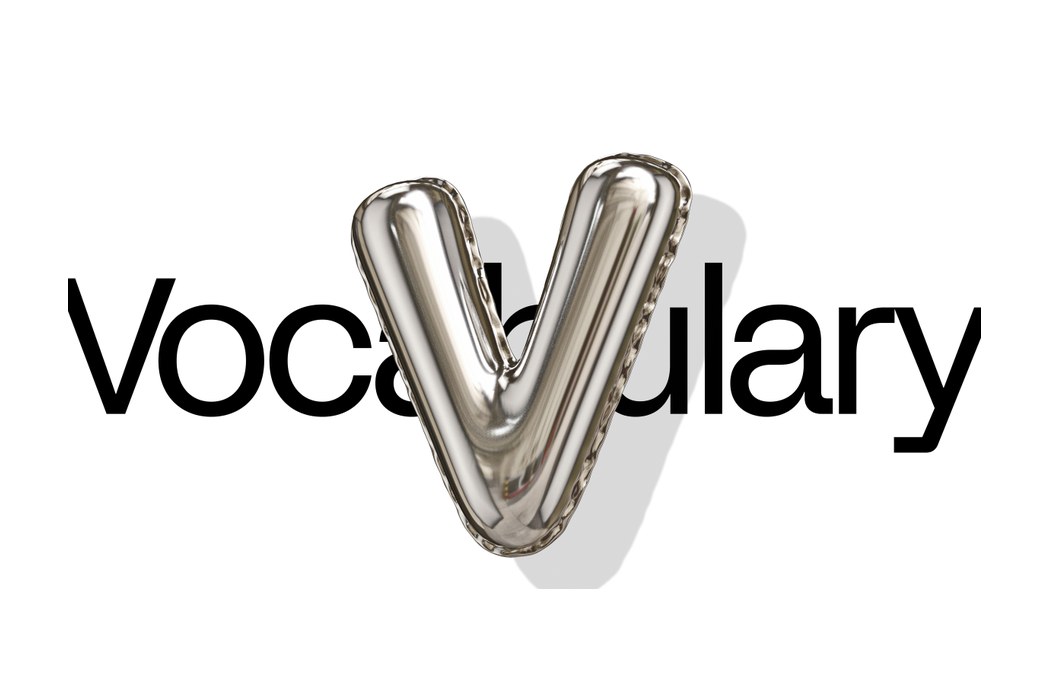
Vocabulary has a way of making brands happen
A monolith full of chips. An Oscar seen seven ways. Inside the small creative agency connecting brand strategy to the things people actually encounter.
Motion Graphics and the art of handing over the keys
A chef, an electric motorcycle and a Montreal landmark had different stories to tell. This design studio’s portfolio reveals a shared concern: who gets to update the website after the designers leave?

Elixir Design knows what a green dot can do
A San Francisco design firm turns small details into reasons to care. Its work for Tipping Point, prAna and SFMOMA shows how much thinking can fit inside a deceptively simple idea.
Okay knows a good brand needs something real to stand on
A whale, a whiskey label, and a 50-pixel square: inside the design practice of Carl Bender, where the useful detail does the talking.
Mile 9 makes the unfamiliar worth a try
A California agency turns unfamiliar drinks, dinners, and brands into something people can understand - and buy. Its most useful work begins where a clever advertisement stops.
Ammunition makes the future feel familiar
The studio behind Beats, Ember and Square works on the awkward moment when new technology meets an old habit. Its most useful design move is often knowing what to leave alone.
Poster Posse made the fan art. Then Hollywood bought it.
Eight artists made a World War Z tribute. Paramount bought artwork from the project. Poster Posse built a business around the distance between loving a film and knowing how to sell it.
Truly Creative knows which parts of the package to keep
A bag of fries. A box of pasta. A parent scanning the wellness aisle. Truly Creative builds brands for the moment someone has to choose.
Another makes the bottle match the room
A skincare bottle, a barbershop and a sneaker-inspired swimsuit reveal how the Los Angeles creative studio connects a brand’s many moving parts. Its 2024 acquisition by TUX gave that approach a bigger home.
Ha Design Studio and the case for hot-pink tea
A tea website, a healthcare award, and a deceptively ordinary business card reveal how Thuy Ha’s studio turns a company’s identity into something people can actually use.