There is an old agency trick: announce that you can do everything, for everyone, everywhere. It sounds expansive. It also leaves a prospective client with a small problem. If everyone is welcome, who exactly belongs? Sasquatch Agency answered that question in 1995 with three words that could have been weekend plans: eat, drink, play.
The words are cheerful, but the decision behind them is stern. Sasquatch is a full-service marketing firm - strategy, research, identity, packaging, advertising, public relations, social, paid media, websites and ecommerce all sit on the menu. Yet the menu is offered mainly to food and consumer-product companies, beverage makers and outdoor brands. The firm narrowed the clients so it could broaden the work.
That inversion explains why a Portland shop of roughly 30 people can plausibly talk about both the curve of a beer label and the arithmetic of media buying. It is not trying to know every kind of buyer. It is trying to know certain kinds of buying unusually well: the six-second scan of a grocery shelf, the private rituals around a favorite drink, the credibility test an experienced camper applies to a stove or a jacket.
The aisle is part of the advertisement
Consider the pecan. For decades, American grocery stores trained shoppers to find it beside flour, sugar and pie ingredients. That made perfect sense in November. It made less sense for the other eleven months, when almonds and cashews were busy becoming desk snacks, hiking snacks and things eaten directly from a resealable pouch.
For the American Pecan Council, Sasquatch worked with fellow independent agencies Cayenne Creative and MARCA Miami on a campaign called “Surprisingly Snackable Pecans.” The important move was conceptual before it was visual: treat the pecan not as a baking component but as a modern snack that happened to be hiding in the baking aisle.
The pecan repositioning, reduced to its mechanics
The campaign moved through connected television, social, digital, influencers, out-of-home, retail media, point-of-purchase and sampling. Signs appeared in both baking and snack aisles. According to AMIN Worldwide's award account, the work drove a 728 percent increase in return on ad spend; 18 percent of purchases came from new buyers; in-store signage produced a 15.1 percent sales lift; and sampling added a 143 percent increase in sales.
These are reported campaign results, not a laboratory experiment. Still, the mechanism is useful. The creative idea did not end at the edge of the ad. It extended into where the product sat, what occasion it claimed and how a shopper classified it. That is what category fluency looks like when it stops being a slogan.
“It’s better to do something rather than nothing - even if it’s not exactly right.”Ken Chitwood, co-founder and CEO
A full-service shop with a short menu
Sasquatch is owned and operated by Ken Chitwood, its sole remaining founding partner. Chitwood grew up in rural Southern Oregon, studied journalism and advertising at the University of Oregon and has spent three decades building brands around the activities he also enjoys. That biography has become an organizational principle.
Read the team's public biographies and the pattern becomes almost comic in its consistency. The account director for “play” grew up running around Central Oregon and works across recreation and conservation. The social media manager wing foils on the Columbia River. The creative director prefers life on two wheels and a well-brewed beer. A studio manager runs a recording studio; a consumer-connections leader once worked as a line cook and wildland firefighter. The people sound less like demographic targets than participants.
That matters because enthusiasts have sensitive nonsense detectors. A climber notices when an ad confuses scenery with use. A brewer knows when “craft” has been sprinkled on copy like parsley. Experience does not guarantee good creative, but it shortens the distance between the conference room and the person opening the package.
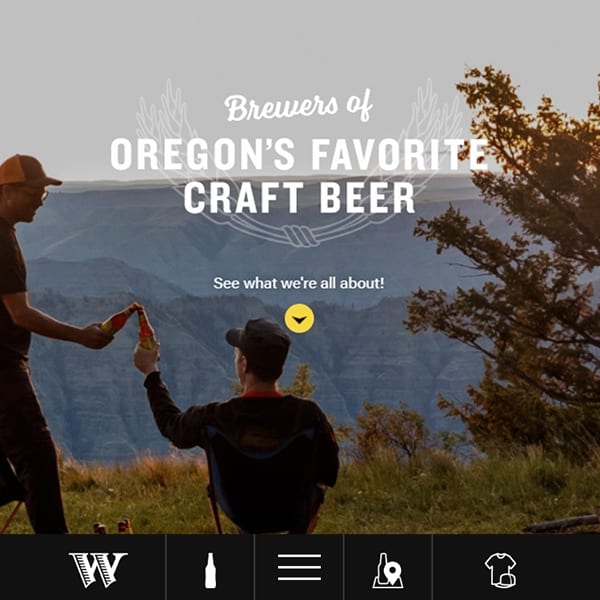
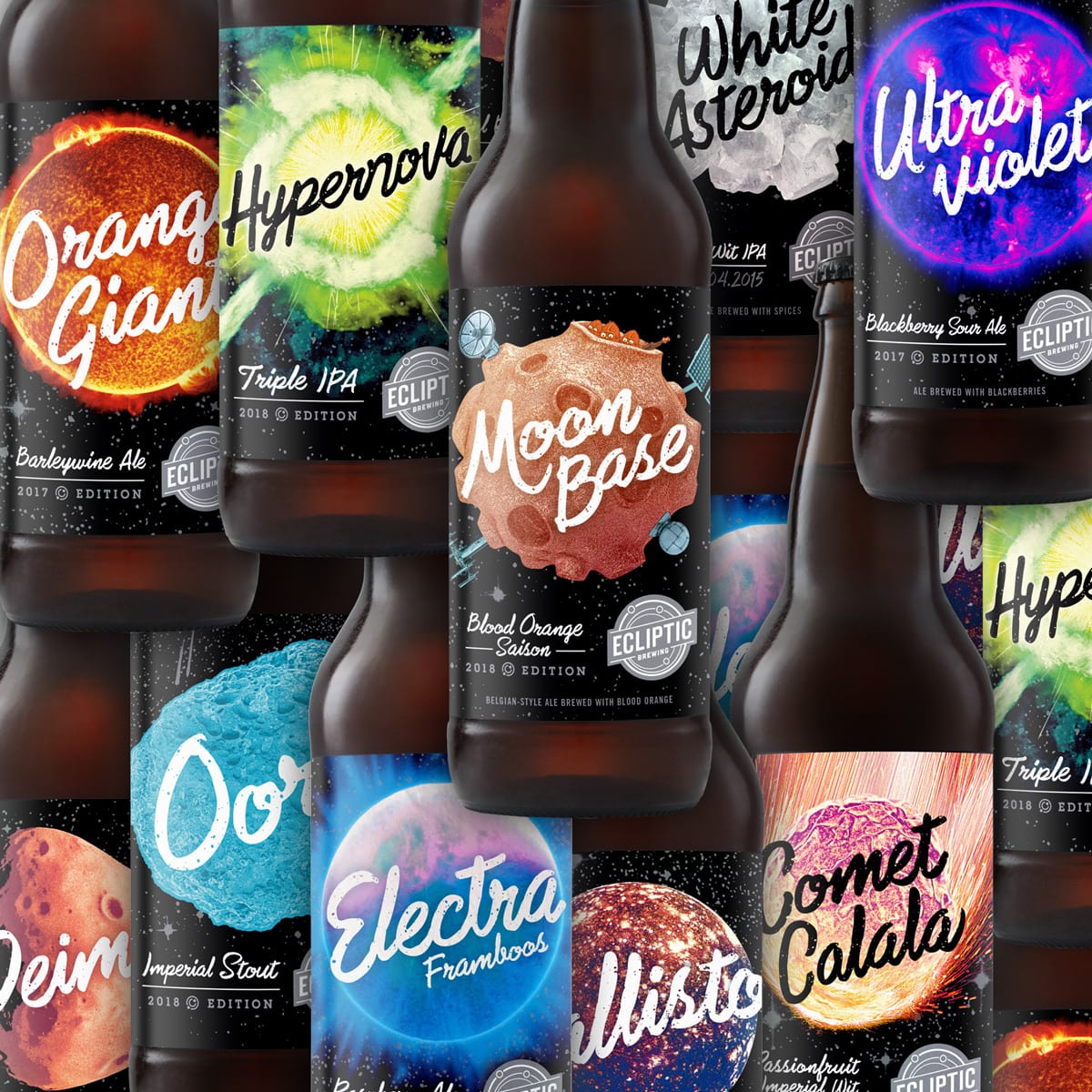
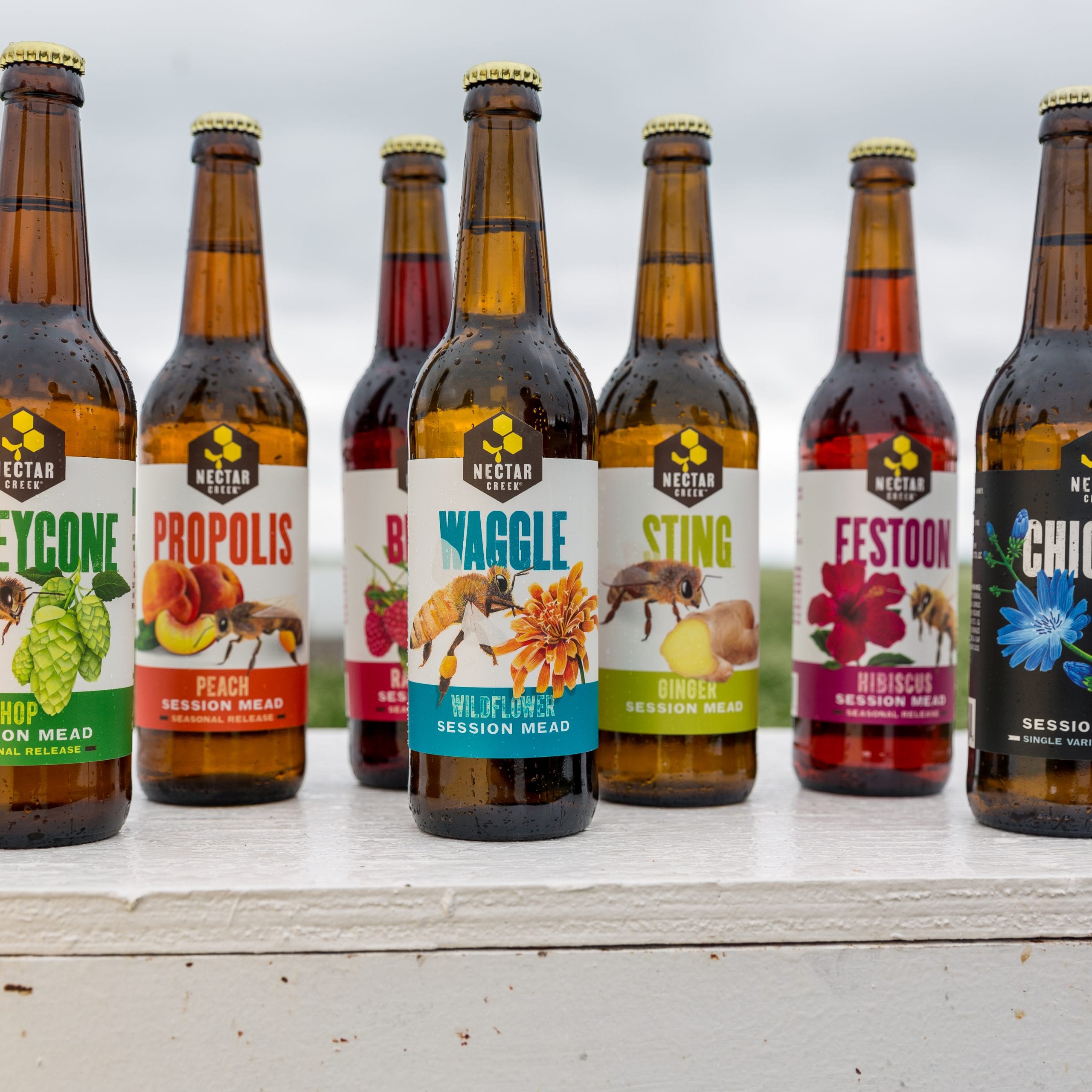
The services themselves are conventional. Brand strategy turns into identity; identity reaches packaging; packaging meets retail; media and PR generate attention; social keeps the conversation moving; digital and ecommerce close the loop. Sasquatch calls the combined work around PR, social and paid media “Consumer Connections.” The phrase is less elegant than eat, drink, play, but more revealing: the agency organizes channels around the points where a person actually encounters a brand.
Small office, expandable map
Specialization creates a second problem. A focused independent agency may know the product intimately but lack offices in distant markets. Sasquatch's answer is AMIN Worldwide, a network of more than 50 independently owned agencies in 30 countries. The model offers local market knowledge and production reach without turning the Portland firm into a branch of a holding company.
The relationship is old, not ornamental. In 2026, when Chitwood joined AMIN's Americas board, he said the network had been core to Sasquatch since the agency was founded. The pecan campaign demonstrated the practical version: Sasquatch, Birmingham-based Cayenne Creative and MARCA Miami collaborated across specialties, then won AMIN's 2025 award for best collaboration.
The limits are equally instructive. Deep vertical focus is most valuable when buyer rituals repeat, expertise compounds and a client needs several connected disciplines. It is less convincing for a one-off assignment far outside the agency's categories, for a business seeking a huge embedded production bench, or for a company that simply wants the cheapest isolated deliverable. Familiarity can also become a trap if it hardens into assumption. The pecan work succeeded precisely because the team questioned the category's familiar shelf.
Sasquatch's client list stretches from Reser's Fine Foods and USA Pears to GSI Outdoors, Mountain Hardwear, Mystery Ranch, Widmer Brothers and J. Rieger & Co. In 2021, GSI expanded an existing relationship with the agency to add public relations to creative, social and website work. This is the business model in miniature: begin with a category fit, prove usefulness in one discipline, then connect more of the customer's journey.
Thirty years is a long time for an independent agency to keep the same three words. Their durability comes from being neither a mission statement nor a list of services. They are a filter. A filter tells you what to study, whom to hire, what work to decline and what details ought to feel obvious by now. In an industry forever announcing its next reinvention, Sasquatch offers a quieter proposition: pick a world worth learning, then stay long enough to notice where the pecans have been misplaced.