There is an unspoken rule in advertising that the interesting national work happens in a handful of coastal zip codes. Big Communications has spent three decades making that rule look optional. From an office in downtown Birmingham, Alabama, the independent agency has built a client list that reads like it belongs to a much larger shop - Valvoline, DoorDash, Mercedes-Benz, Kroger, FedEx, Google - while still making the kind of hometown work that Birmingham grew up watching on local TV.
The company is small by the numbers that agencies usually brag about: roughly 49 employees and an estimated $25 million in annual revenue. What makes it worth a closer look is not size but longevity and independence. Founded in 1995, Big has never been swallowed by a holding company, never moved to chase a bigger market, and never narrowed itself to a single specialty. It sells four things at once - creative, public relations, media, and digital - and it has been selling them as one integrated offer since before that was the industry default.
01 / The IdeaPR and advertising, under one roof
The origin is almost quaint now. In 1995, a 27-year-old named John Montgomery had bounced through a few Birmingham agencies and wanted a place where public relations and advertising were not treated as rival departments. He built one and gave it a deliberately blunt name: BIG. No initials, no founder surnames stacked on a letterhead - just three letters chosen to feel disruptive.
That founding bet - that earned media and paid media should be planned together - is the thing that still explains the company. Big approaches campaigns from what it calls an earned-media perspective, which in plain terms means asking what will actually get talked about before asking what will fill a media buy. Three decades later, most large agencies claim to be "integrated." Big just had a 20-year head start on the pitch.
"We don't have proprietary systems. I think we just have a depth of really innovative thinkers here." John Montgomery, CEO & Founder
02 / The WorkLocal folklore, national reach
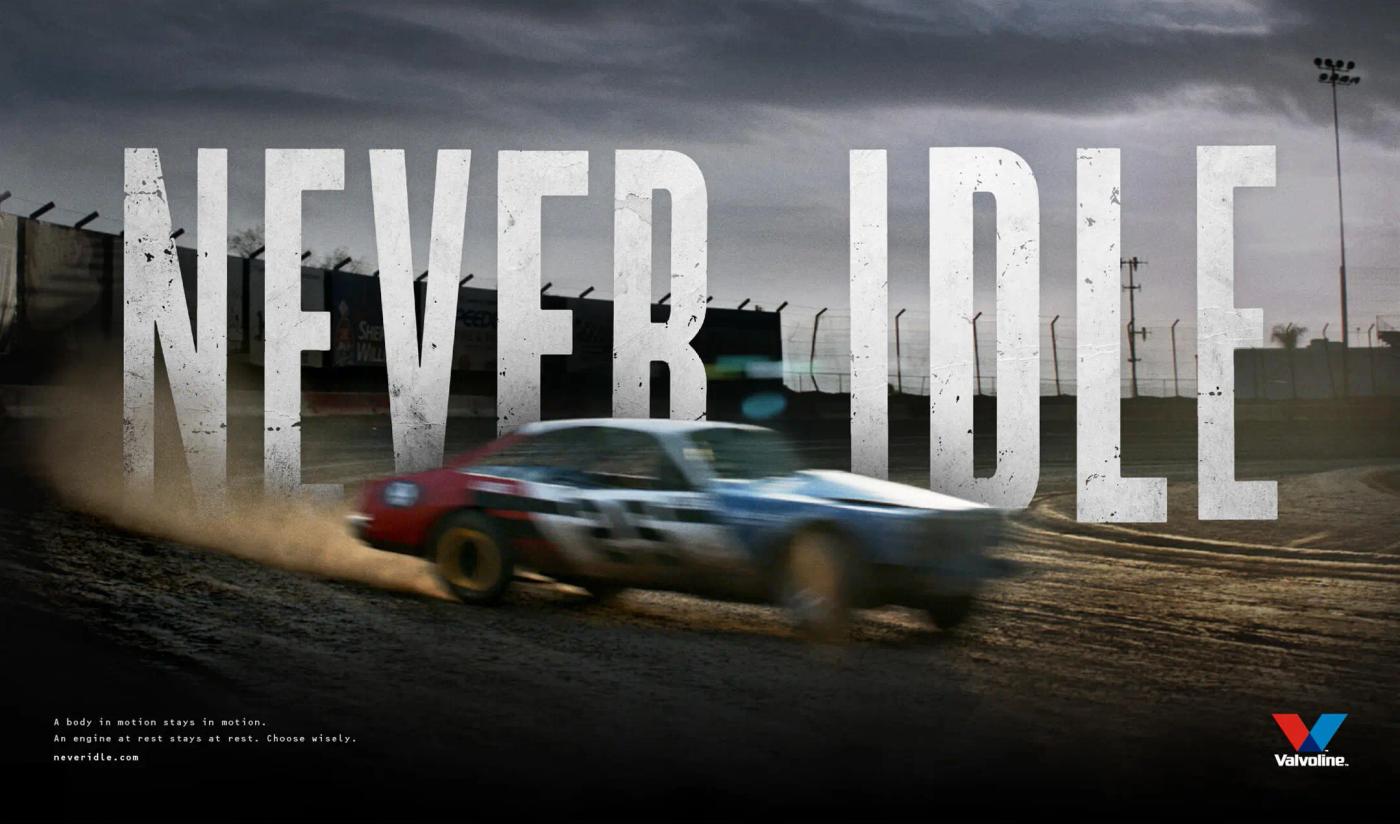
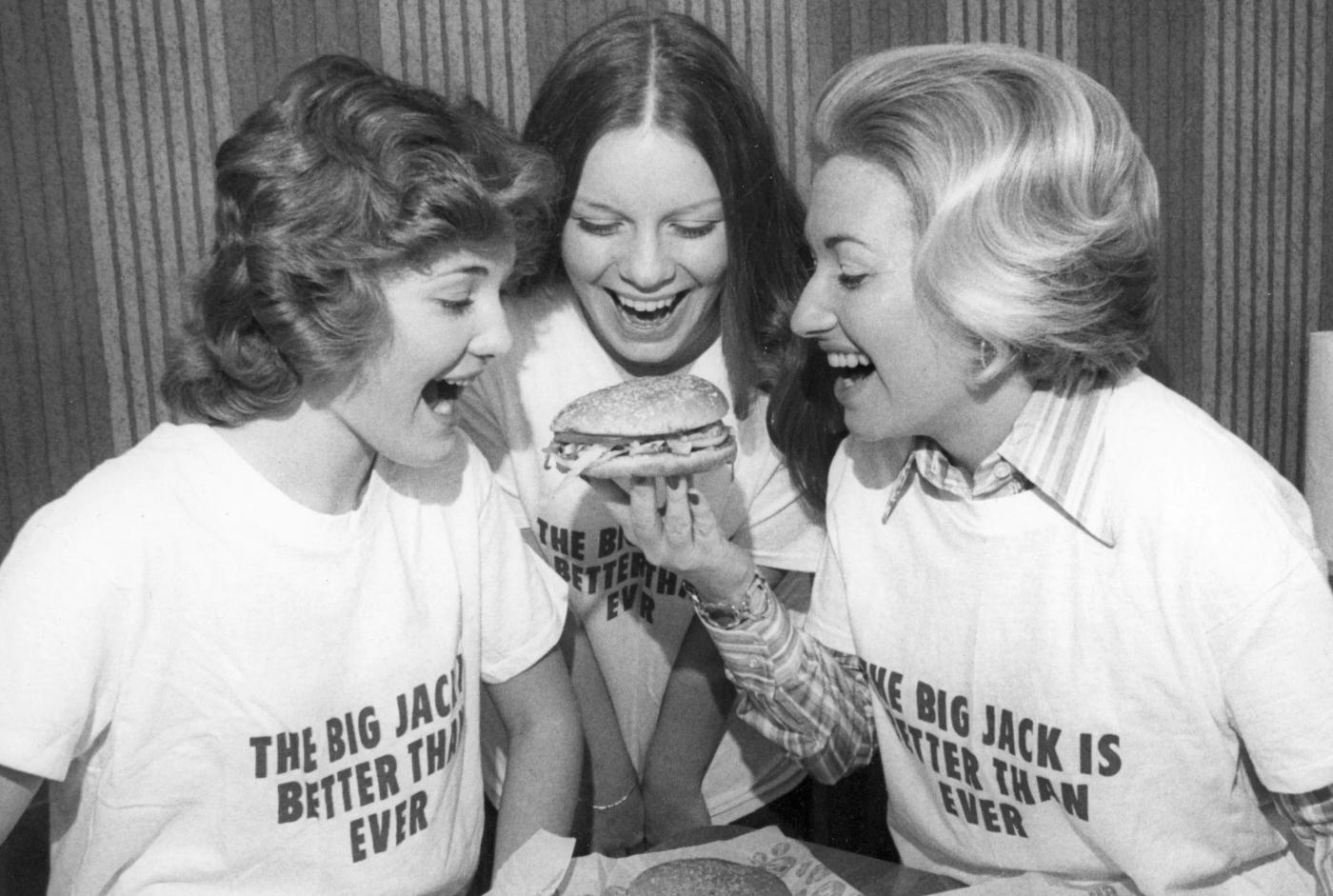
The clearest way to understand Big is to look at the two ends of its portfolio. On one end is Jack's, the Alabama fast-food chain whose "Big Jack" advertising is old enough to be local folklore. On the other is Valvoline, the Kentucky motor-oil brand for whom Big made a trio of national films called "Never Idle." The 90-second spot "Run" was shortlisted for a 2018 Clio and swept Best in Show at the regional ADDYs - the sort of hardware usually claimed by shops ten times Big's size.
Between those poles sits everything else: a national ADDY-winning "Go Build" campaign that recruited construction workers for the Alabama Construction Recruitment Institute, an award-winning sales video for Royal Cup Coffee, workforce advertising for the Alabama Department of Workforce, and digital storytelling for DoorDash's public-policy team. The range is the point. Big does not present itself as the automotive agency or the healthcare agency; it presents itself as the shop that can do the burger and the motor oil in the same week.
03 / The CustomersWho actually hires Big
Big's clients cluster into a handful of industries: quick-service restaurants, financial services, government and public affairs, manufacturing, retail, and healthcare. It is a deliberately spread bet. Some clients are local institutions - UAB Callahan Eye Hospital, Jack's. Some are national - Valvoline, DoorDash, Texas Children's Hospital, and brand names like Google, FedEx, Mercedes-Benz and Kroger that appear across its work.
The through-line among them is the kind of problem Big is hired to solve. It is rarely a single ad. More often it is a perception problem - a category that is misunderstood, a workforce that will not apply, a brand that is invisible in a market where a competitor is loud. "Go Build" had to make construction feel like a career worth choosing. The Valvoline films had to make an oil-change decision feel like a character test. These are jobs that need PR framing, a creative idea, and a media plan pulling in the same direction, which is exactly the shape of shop Big built itself to be.
04 / The ModelHow the business actually makes money
There is nothing exotic in the mechanics. Big is a fee-and-retainer agency: it earns project fees and ongoing retainers for integrated creative, PR, media and digital work, and it layers media buying on top for clients who want their spend managed as well as designed. Independence keeps more of each dollar inside the building, and a Birmingham cost base means a client's budget stretches further into senior time than the same budget would in New York. The estimated $25 million in revenue across roughly 49 people is the visible output of that math - a shop that runs lean enough to compete on price and deep enough to compete on craft.
Approximate mix of Big's account base by sector - a diversified book, not a single vertical.
Sector weighting is approximate, drawn from Big's stated client categories.
05 / The DifferenceWhy not just hire a network agency?
This is the fair question for any regional shop, and Big's answer is structural rather than promotional. Being independent means there is no holding-company layer taking a cut or steering accounts. Being in Birmingham means a lower cost base than a coastal office, which lets a mid-size budget buy senior attention. And being genuinely multi-disciplinary - PR wired into creative and media from the start - means a client is not stitching three vendors together.
That combination is the moat. A national brand that wants Madison Avenue polish without Madison Avenue overhead, and that would rather talk to the people doing the work than to an account-management pyramid, is Big's ideal customer. The agency says it looks for "ambitious brands with something to prove," which is also a fair description of itself.

"Challenge. Disrupt. Deliver, big time." The Big Communications ethos
06 / The CultureAn "obsessive pack of problem-solvers"
Big describes its own people as "an obsessive pack of problem-solvers" and lists its values as honesty, respect and work ethic. Some of the culture is the usual creative-agency furniture - a cross-disciplinary "Culture Club," off-site field trips, a bring-your-dog-to-work policy that is daily rather than annual. More telling is the volume of pro-bono and civic work: branding for Birmingham's Civil Rights Heritage Trail, a digital revival of the city's Veterans Day parade, and campaign support for local economic-development efforts. The stated ethos, "make a difference and make a living," is doing real work in how the shop spends its time.
07 / The Market PositionBig fish, chosen pond
In the Southeast, Big competes with other independents - Luckie & Company, Intermark Group, o2 Ideas - and, for national accounts, with far larger network agencies. Its 2013 title as Ad Age's Small Agency of the Year is the credential that still opens doors, but the more durable position is simpler: it is one of the more nationally-credible independent shops operating outside the usual media capitals. That is a small category, and Big has held a spot in it for years.
John Montgomery, 27, launches the agency to merge PR and advertising.
A sales video for the coffee roaster earns national recognition.
Advertising Age names Big its Small Agency of the Year.
Big relocates into the Daniels Building on 2nd Avenue North.
The Valvoline film "Run" is Clio-shortlisted and sweeps regional ADDYs.
Big markets a national roster while remaining an independent shop.
08 / The TakeawayWhat a mid-market agency can copy
Big's playbook is unusually copyable, which is part of why it is interesting. Diversify the client book across industries so no single sector downturn is fatal. Barbell the roster - local retainers for ballast, national names for reputation. Keep the disciplines under one roof so integration is real, not a slide. And treat independence as a feature you sell, not a stage you grow out of. Where it would not work is the obvious place: a shop that wants to be famous fast, or one whose founders would rather cash out than compound. Big's edge is patience, and patience does not scale on demand.
Big Communications - Around the Web
Figures for revenue and headcount are approximate. Sector weightings are illustrative, based on Big's stated client categories.