The telling detail in a chef’s website project is a tutorial. There is food photography, naturally. There is custom navigation. There are sections built to tell a story. But in Motion Graphics’s account of its work for Canmore Organic Chef, the final piece is a program that helps George Bayne make edits himself. The chef gets a website. He also gets the keys.
That small addition changes how you read the rest of this Montreal studio’s portfolio. An electric motorcycle appears. So does the Montreal Forum. There are animated greeting cards, brand identities and information graphics. Across the web projects, a practical question keeps returning: what happens when the client needs to change something?
Motion Graphics describes itself as a web and graphic design studio serving customers worldwide. Its archived work supplies a more particular portrait: a practice comfortable moving between illustration, programming and marketing, with an interest in making the finished thing manageable. The projects discussed here come from its 2016 retrospective. Their appeal lies in the decisions, which remain worth examining long after a website’s visual fashion has changed.
A chef needs an edit button
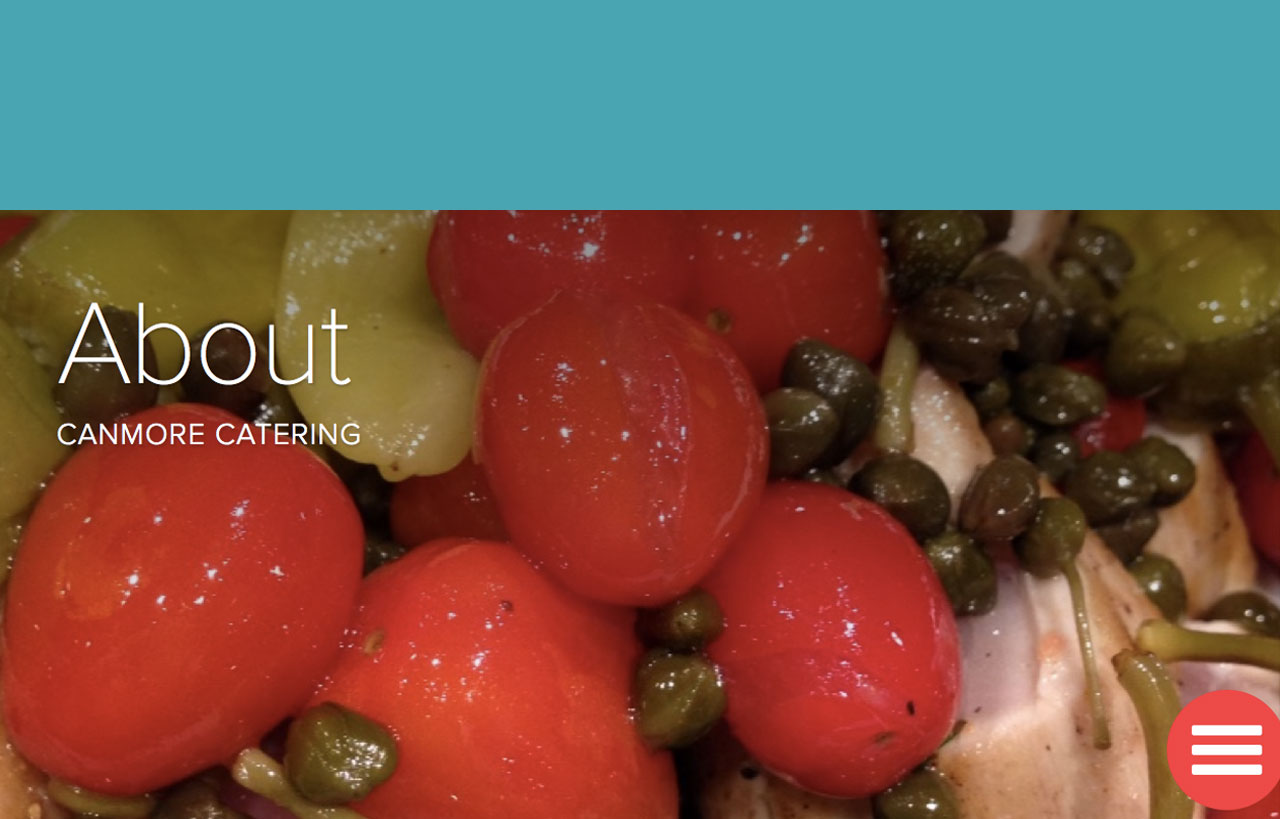
For Canmore Organic Chef, the studio describes a rebuild around Bayne’s food and outlook. It created custom icon navigation around sections made with Adobe Slate, the storytelling tool used in the project. The content system was intended to be simple to maintain. Tutorials completed the delivery.
Bayne’s own recommendation of Judith Rudd, the studio’s digital-media and experiential-marketing team member, supports that account. He credits her with his website and logo, and specifically mentions training. It is a modest testimonial with an unusually useful detail. You can see what the service included.
“She assisted me with training”
George Bayne · Canmore Organic Chef
Recommendation for Judith Rudd
The lesson to borrow is precise: make an ordinary edit part of the handover. Ask the person who will maintain the site to replace an image, correct a sentence and publish the result. Treat that exercise as a design test. A navigation system has two audiences: the visitor trying to find something and the owner trying to keep it useful.
The motorcycle and the marketing department
The SORA electric motorcycle project approached the problem differently. Motion Graphics describes a prototype website using AJAX animations for text and images, alongside a content management system. The stated intent was to keep the site interactive while making its content easier for search engines to handle. Movement had a job, and updating had its own provision.
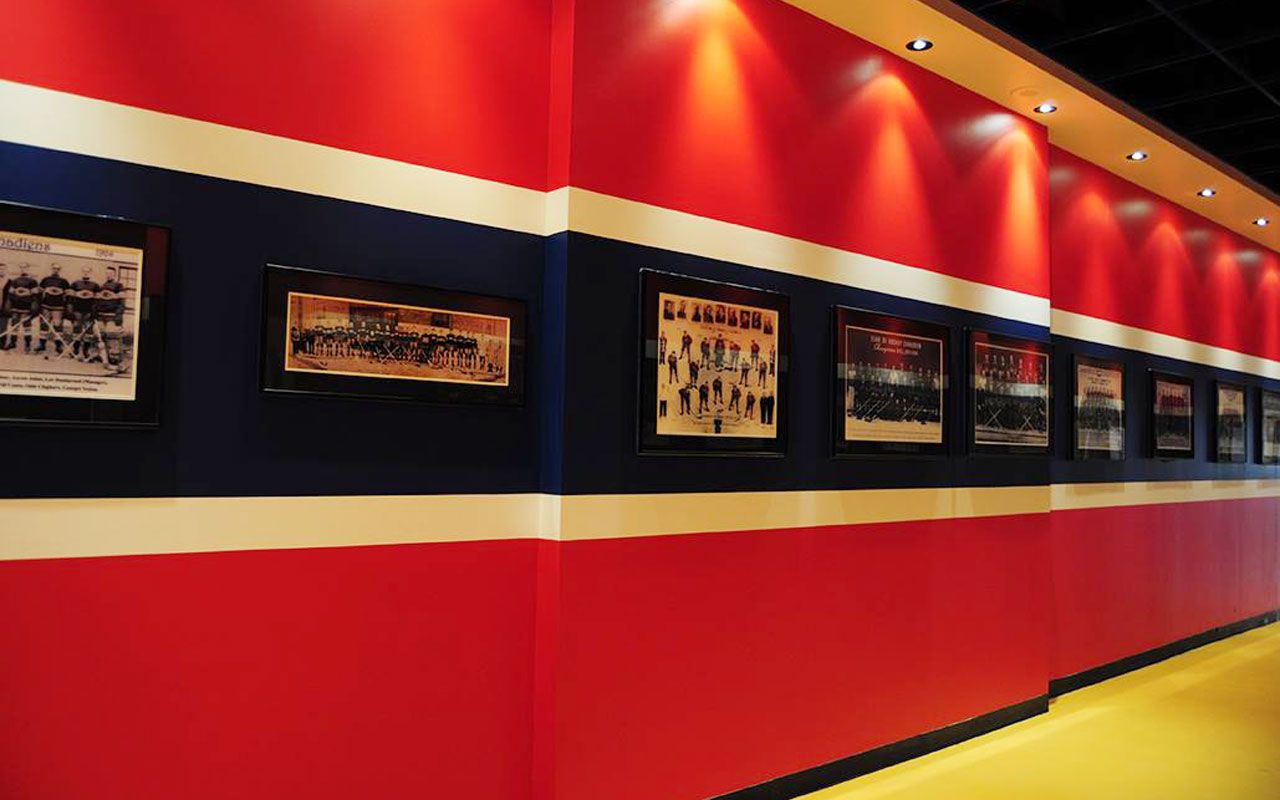
For the Montreal Forum, the studio used Wix. Its project account describes a digital pamphlet that the marketing department could maintain, with content management supporting coordinators and group sales. The choice looks revealing beside the SORA work: the portfolio accommodates both custom interactive development and a hosted website platform.
Read together, the three projects suggest a practical basis for choosing tools. A chef needs to present food and make edits. A motorcycle presentation calls for interaction. A venue’s marketing team needs to keep information moving. This is an interpretation of the project accounts, rather than a claim that one platform produced better commercial results.
When the greeting card moved online
The studio dates its beginnings to the period after September 11, 2001. In its own telling, anthrax appearing in North American mailboxes encouraged a move toward electronic promotion. That is the company’s explanation of its opening in the market, and a striking origin for a business concerned with how messages travel.
Its recollection names the tools: Flash and Dreamweaver under Macromedia, alongside Photoshop, Illustrator and InDesign. The team combined drawn imagery, animation and custom soundtracks. The electronic greeting card becomes easier to understand in that setting: a compact branded production delivered through a screen.
The retrospective credits Adam Partington with art direction on five e-card shorts. The project navigation names Accovia, Hype Energy Drink, IHG, Algotex and Savannah. A separately archived page identifies an Intercontinental-Hotels Montreal e-card. These are concrete examples of the studio’s promotional work, with the emphasis on drawing, timing and a scripted sequence.
A small format can contain several disciplines. Someone has to decide what happens first, what the audience should notice and when the piece should end. The studio’s combination of storyboards, code and music gives its name substance: graphics arranged to unfold over time.
A studio wide enough for packaging and code
The archived team page identifies three complementary practices. Rudd spans digital media and experiential marketing. Chikako Komatsu is presented as a graphic artist with a packaging specialty and experience in Japanese design studios. Partington combines interior design and new media, with interests including music, film and photography.
That range helps explain a service list extending from logos and brochures to databases and graphical interfaces. The commercial offer is commissioned creative work. In market terms, Motion Graphics sits among multidisciplinary design studios: businesses hired to turn an idea into communications across several formats.
The distinctive evidence is the combination of those disciplines in actual deliverables. The chef’s project joined identity, web design and instruction. The e-cards joined illustration, scripting and art direction. The Forum project addressed the people responsible for content. Those examples are more useful to a prospective buyer than a long menu of capabilities.
Put the handover in the brief
For a reader planning similar work, the copyable practice is to specify ownership alongside appearance. Name the future editor. Identify the changes that person will make most often. Include a demonstration and a tutorial in the delivery requirements. Ask for a proposal that distinguishes design, implementation, training and ongoing maintenance, so the scope can be compared before work begins.
The approach depends on someone having time and responsibility for the content. An editable system alone cannot supply either. A project requiring elaborate integrations may also need a different technical solution from a brochure site. The useful principle is to let the task determine the tool, then test it with the person who will operate it.
Return to the chef. The food is the subject, and the website gives it a setting. But the tutorial is what lets the owner keep that setting alive. Among Motion Graphics’s animated cards and illustrated screens, this quiet deliverable earns its place in the portfolio: a client learning how to make the next change.
Open the portfolio
Explore the studio’s retrospective and the people behind it.