montreal
(58)
LYTIKA saves you a seat
The marketing consultancy makes an unusually concrete promise: one business category, one municipality, one client. Its service menu shows how that idea extends from local search to the checkout.
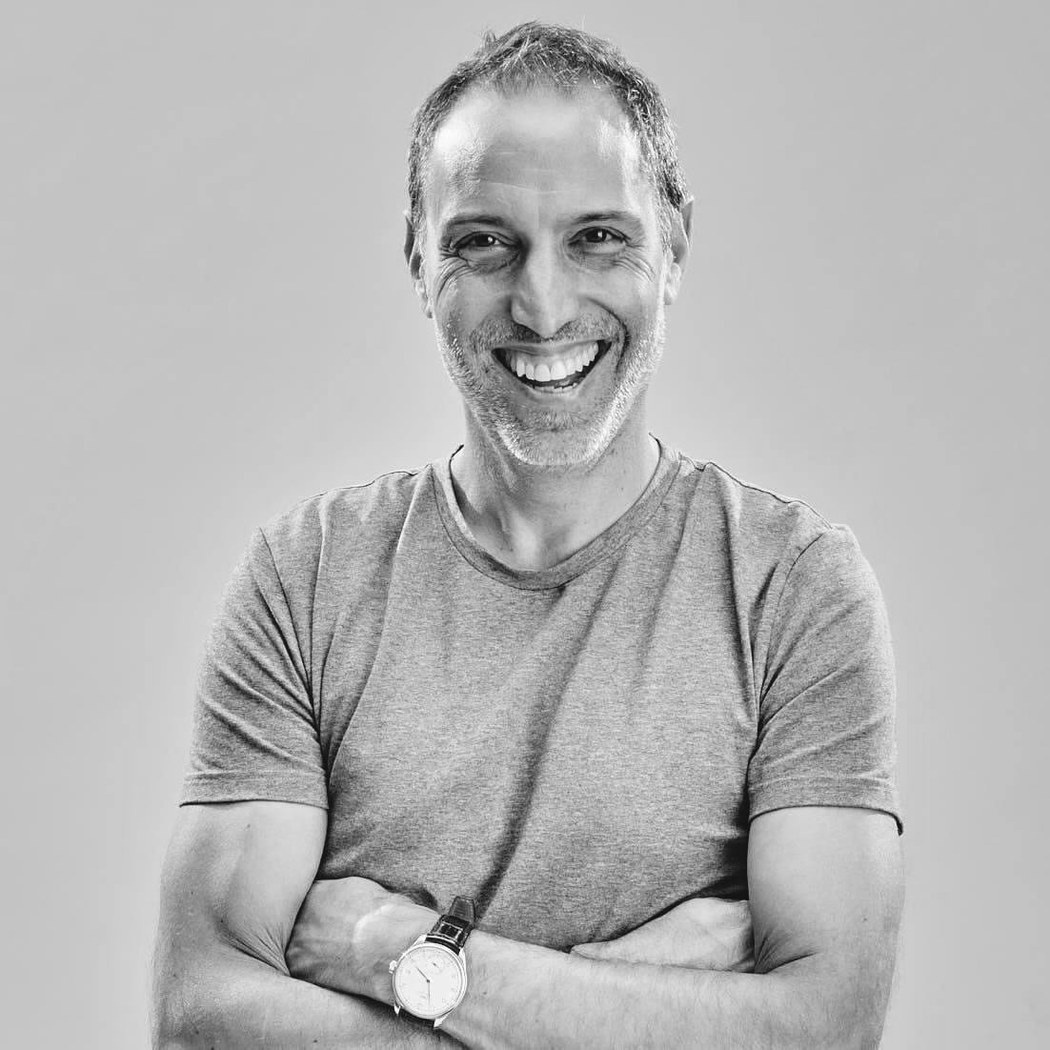
Jean-François Bouchard’s unfinished business
He co-founded Sid Lee and helped turn Montreal creativity into an international business. Now his photographs and films follow people making lives outside the usual frame.
CGI built a business on staying
The technology industry loves a launch. CGI makes its living in the years that follow, when banks, utilities and governments need the machinery to keep working.
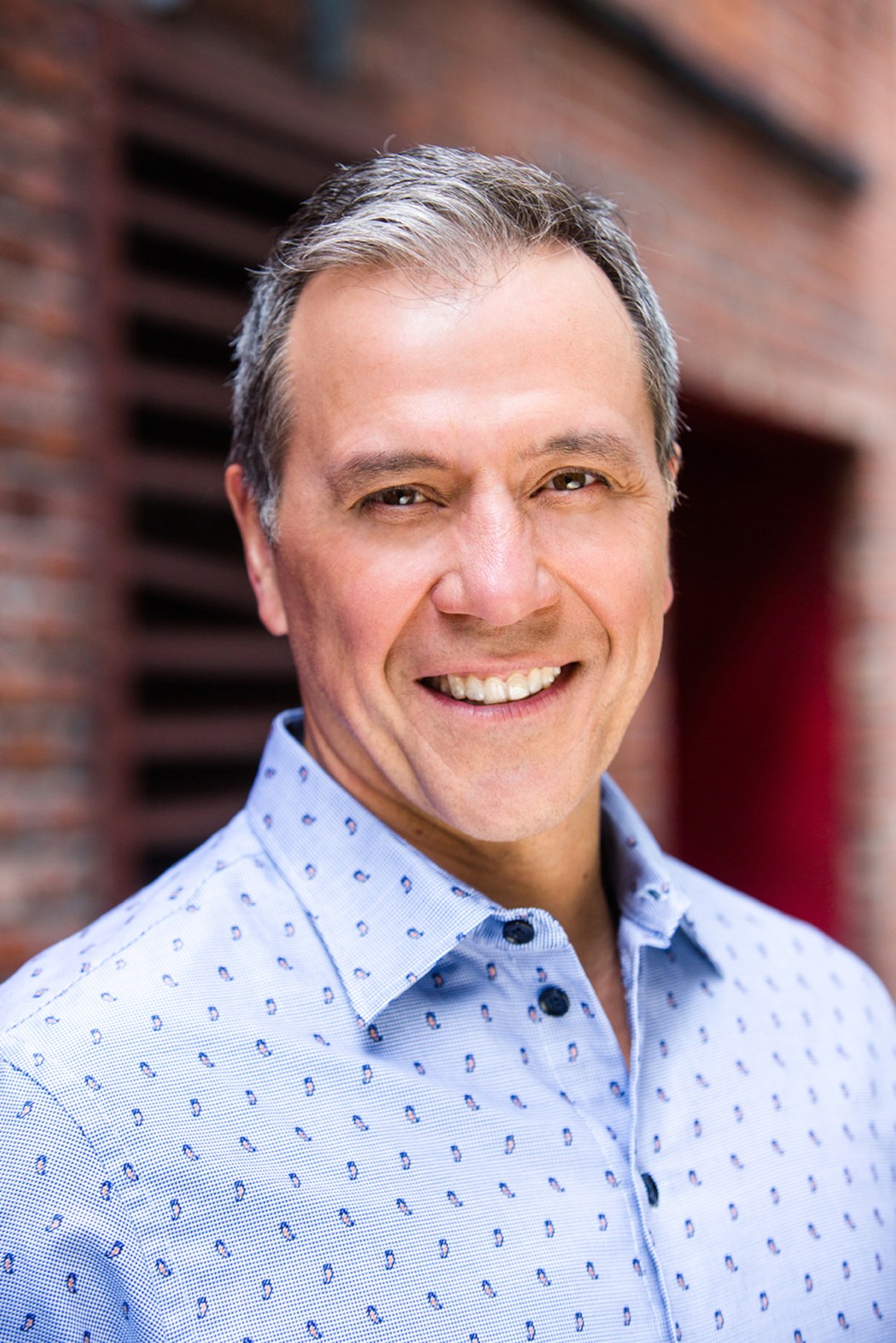
Robert Dumas and the business of belonging
After 28 years at Mercer, Robert Dumas joined Sun Life to help deepen its place in Quebec. His work across finance, museums and community boards raises a practical question: what does it take for a company to belong somewhere?
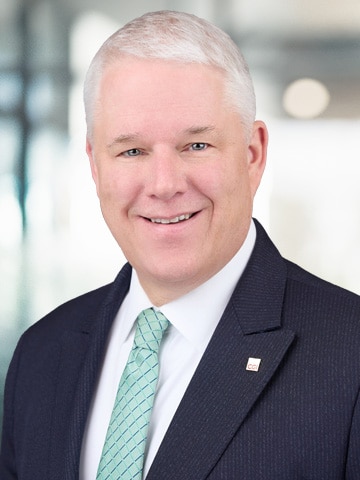
Tim Hurlebaus and the education of a payday
His first assignment helped pay 32,000 people around the world. Now CGI’s CEO, Tim Hurlebaus faces a new test: making the promises of artificial intelligence work where the consequences are real.
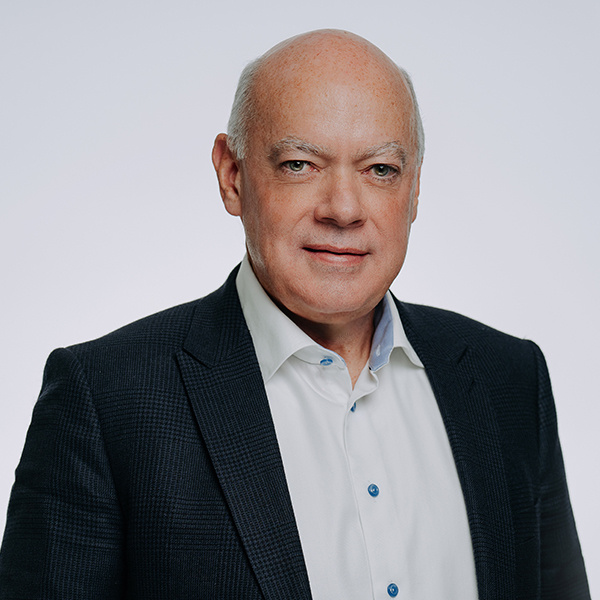
Peter Brereton and the business of getting things there
A Chevy Nova, a brother’s basement and an unexpected turn toward America. Peter Brereton’s four decades at Tecsys trace a career spent making complicated businesses work.
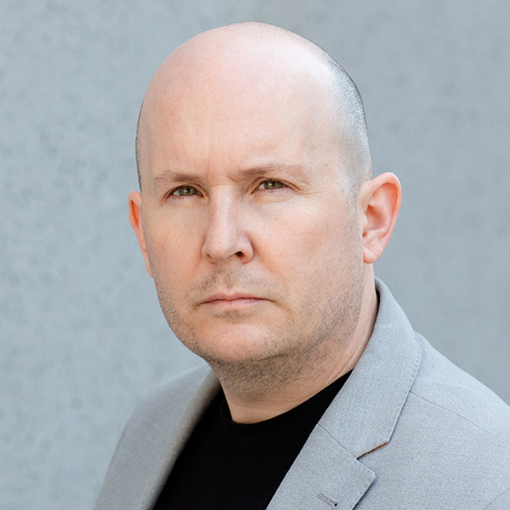
Marc-André Forget and the Power of Coming Home
He spent years advising electric utilities, then co-founded dcbel to give households more control over their energy. After a long California apprenticeship, his idea has come home to Quebec.
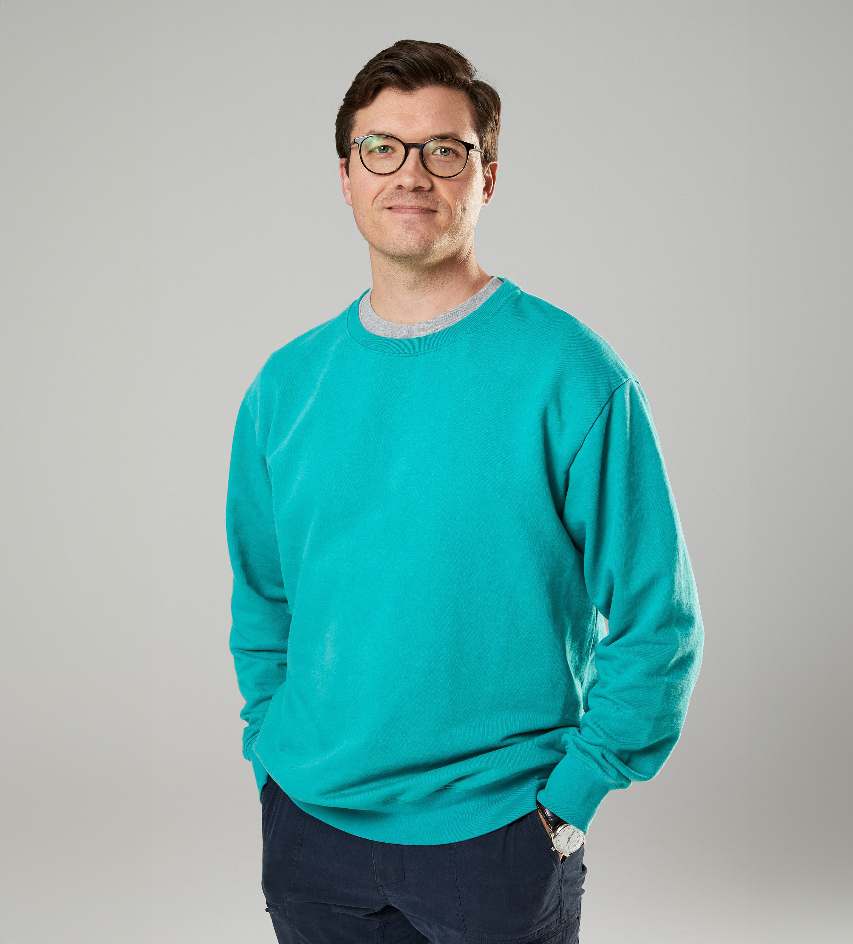
Maxime Dubois and the shop that outgrew its walls
He bought Altitude Sports with a friend in 2011. Building it meant learning when to trust the internet, when to trust a paper catalogue, and when to pay people more.
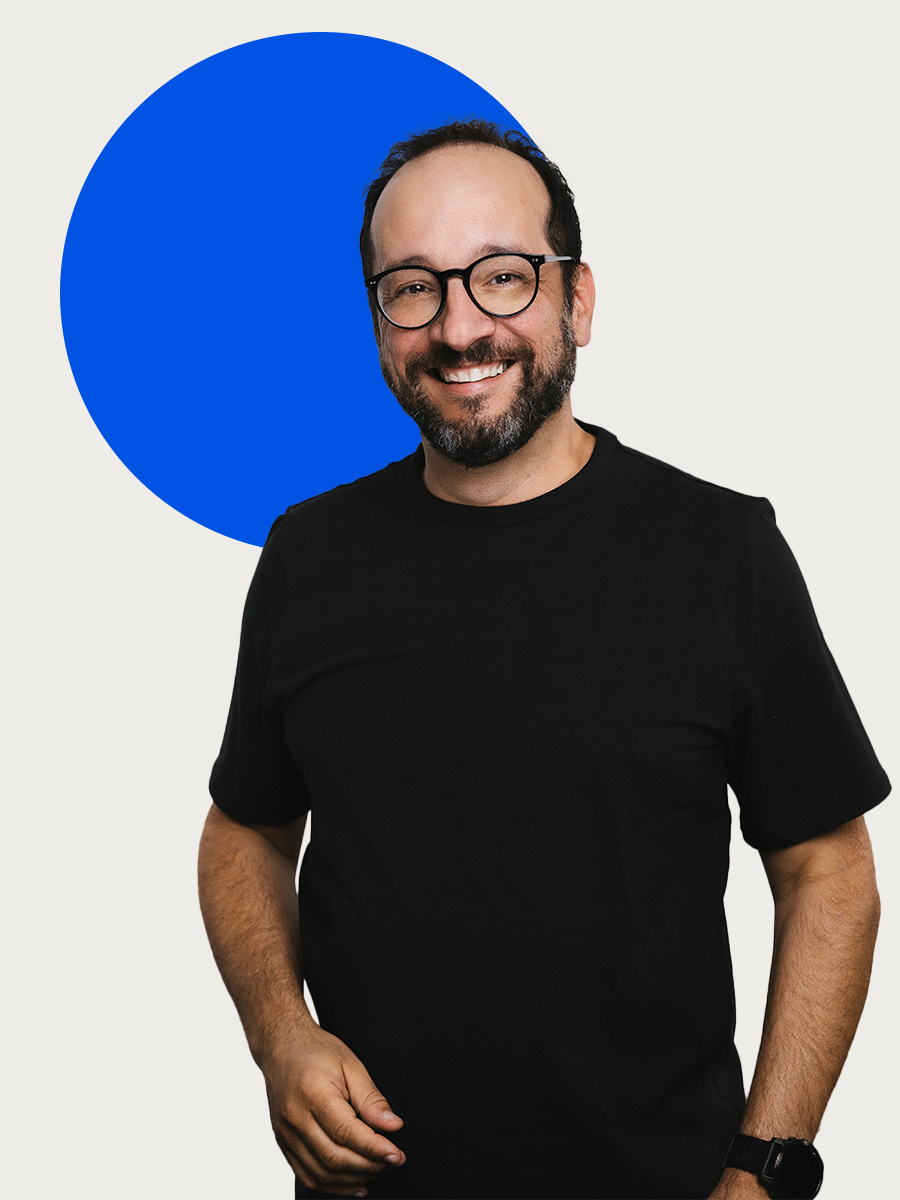
Malik Yacoubi and the Value of Starting Over
He built businesses before the iPhone, learned the habits of big brands at Cossette, then started again with mortgages. Malik Yacoubi’s career is a study in moving quickly - and staying with the same people long enough to change direction.
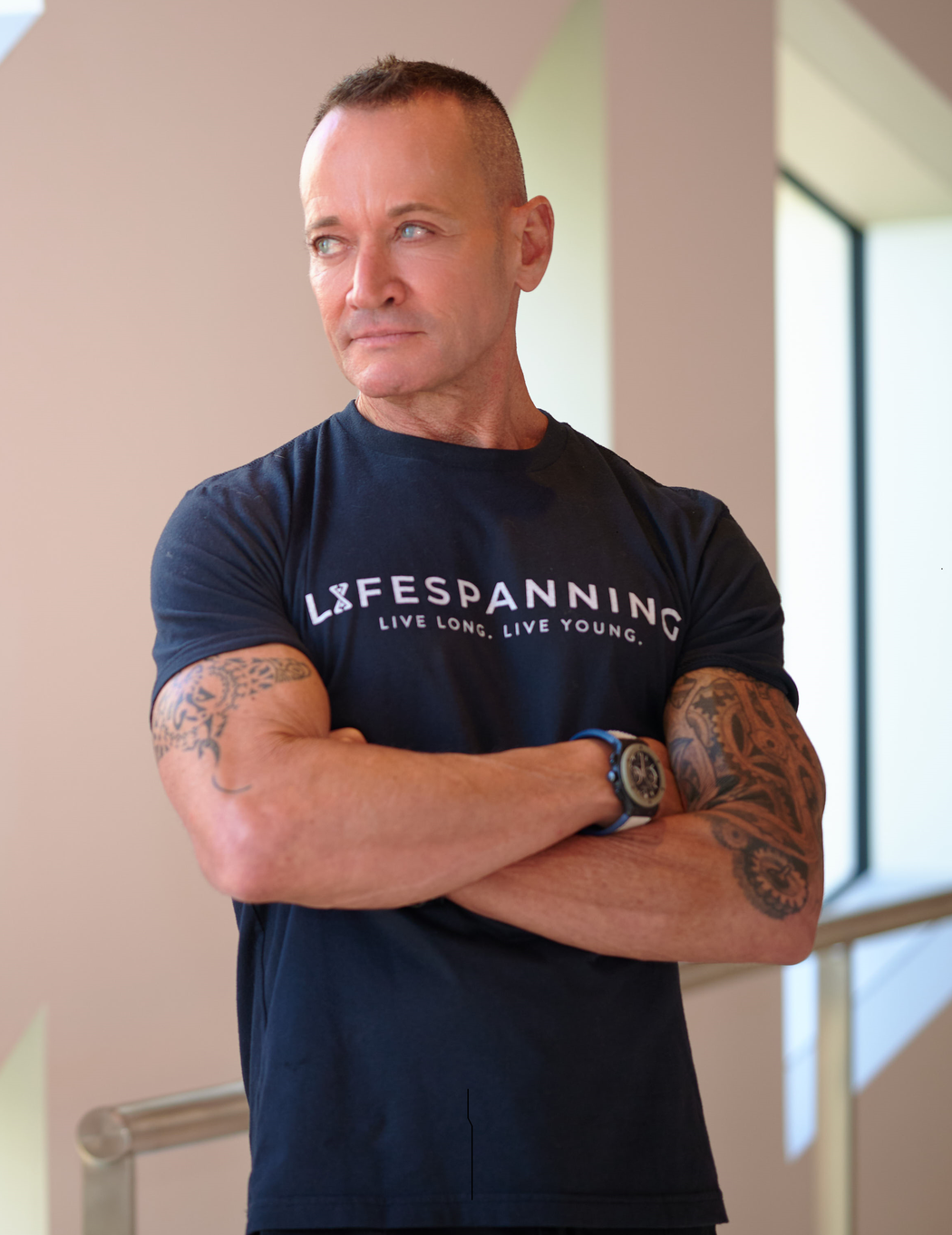
Jean Fallacara and the price of being his own boss
Jean Fallacara spent years building companies in Montreal, then joined the corporation that bought his business. His next chapter at Lifespanning brings him back to the work he prefers: making the decisions.
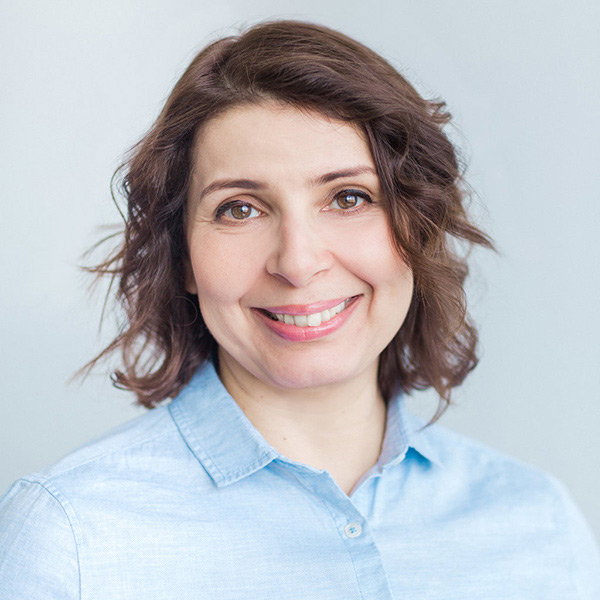
Narjès Boufaden and the trouble with listening
Long before chatbots became a daily habit, Narjès Boufaden was studying the untidy business of human conversation. At Keatext, she turned that research into a company built around a deceptively difficult question: what are people actually telling you?
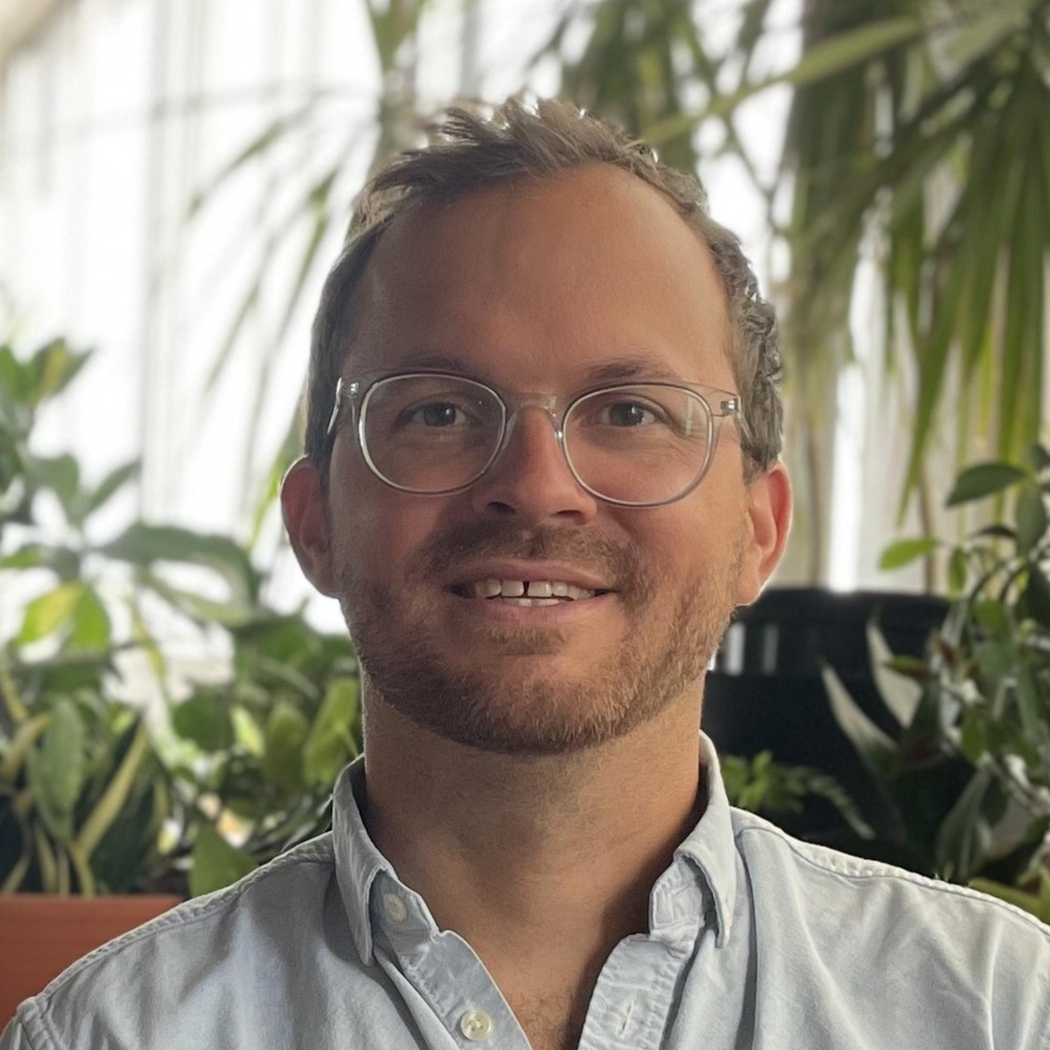
Sam Vermette and the art of catching the next bus
A Montreal designer built Transit around a question people ask at the curb. Fourteen years later, Sam Vermette is still working on the answer - and on the city that surrounds it.
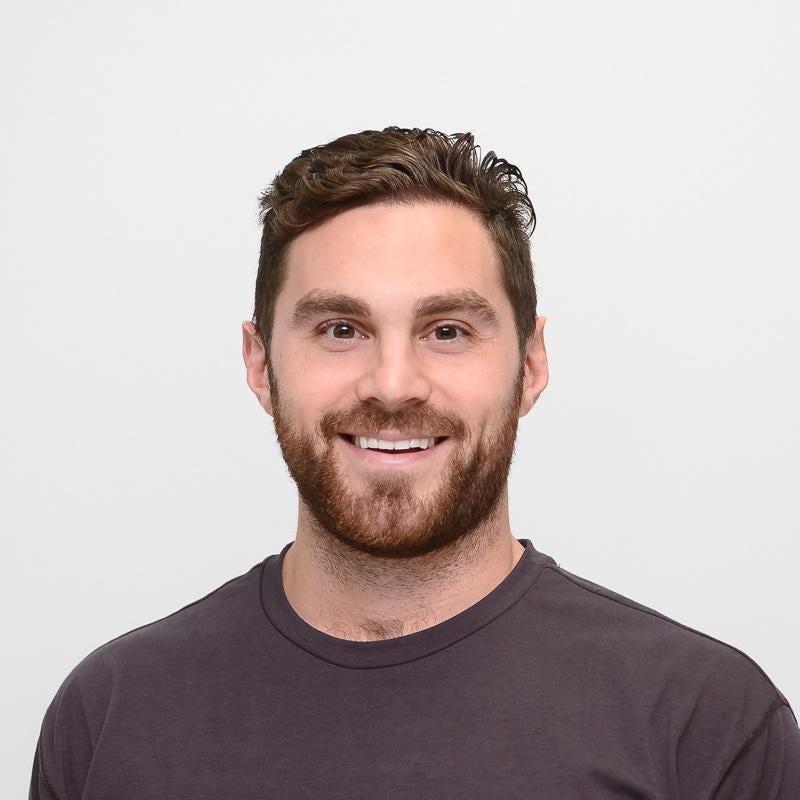
Philip Cutler and the price of getting a chance
He built Paper around a classroom problem: extra help depended on what a family could afford. After a decade in education technology, Philip Cutler is bringing another overlooked opportunity onto the field.
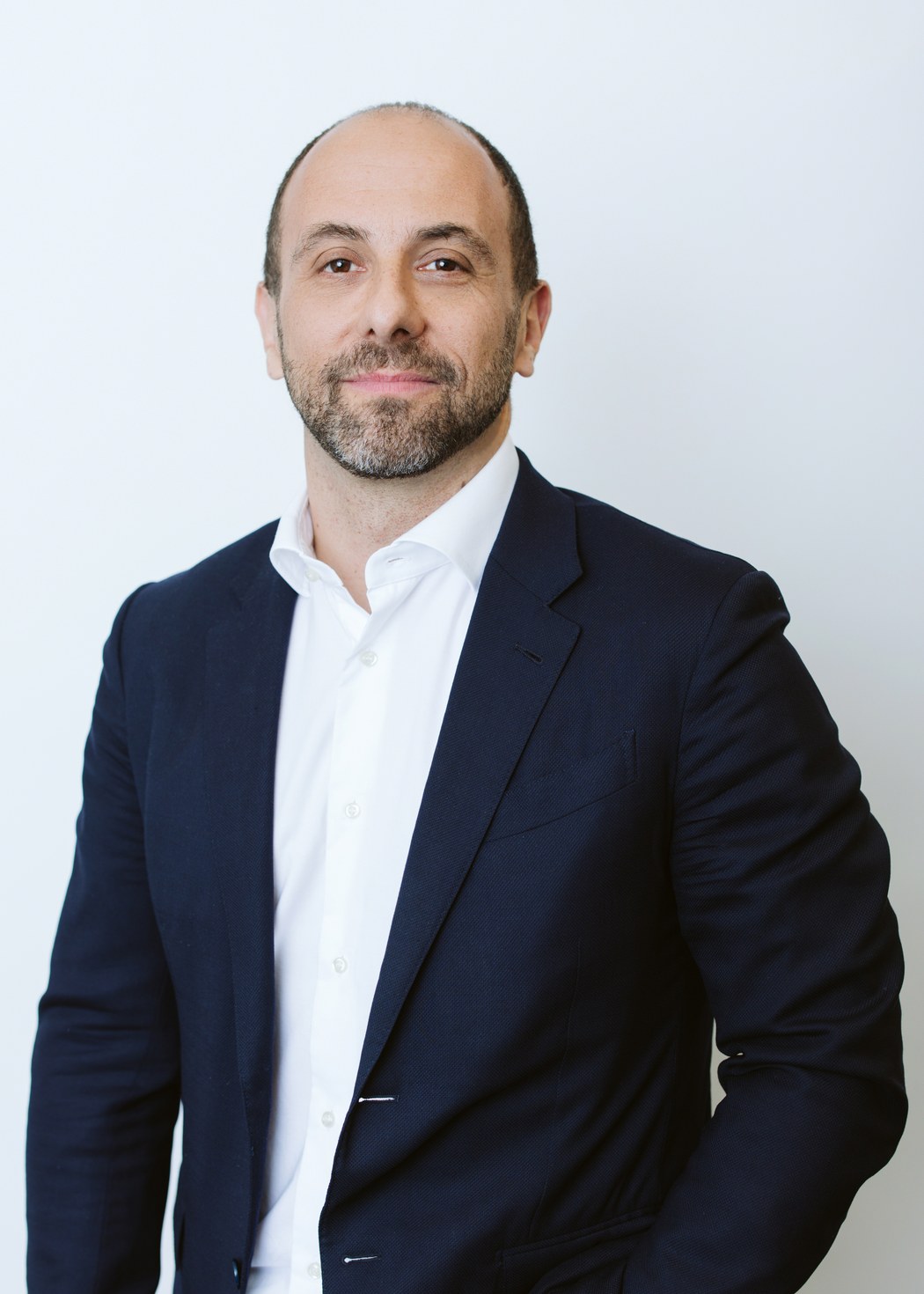
Massimiliano Paganelli and the long way back to Rome
He left Rome, built a career in Montreal, and co-founded Morphocell with Claudia Raggi. Now the company’s expansion is bringing an Italian chapter to a partnership twenty years in the making.
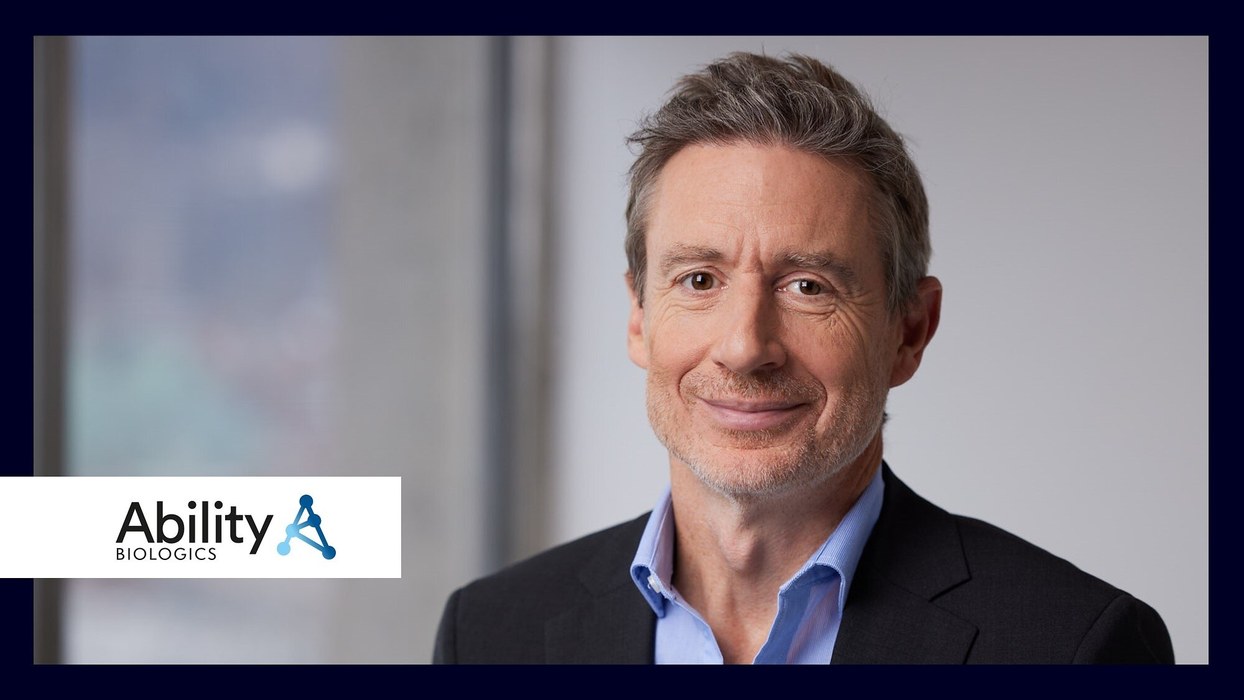
Giles Day and the compound interest of good company
Giles Day built Distributed Bio through customer revenue and partnerships before starting again at Ability Biotherapeutics. His second act carries forward a practical conviction: the people around the table help determine what a company can become.

MEDFAR wants the doctor back in the room
Two aeronautical engineers built an electronic medical record around the work of a clinic. MEDFAR’s next bet is that connecting the paperwork can give the appointment back to the patient.
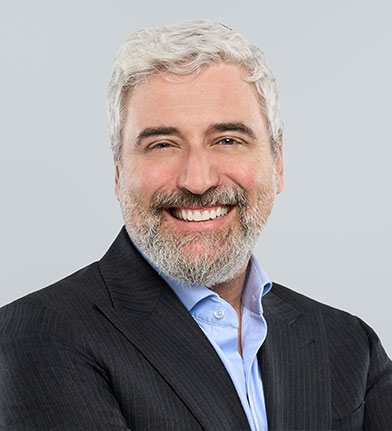
Stéphan Morency and the second life of a savings account
A factory’s energy bill. A farmer’s lease. A pension contribution. The new CEO of Fondaction has spent years finding ways to connect ordinary financial decisions to the future of Quebec.

Christopher Baron and the business of staying connected
Before leading Sofistic.AI, Christopher Baron co-founded a portable charger business and worked in venture capital. His return to wealth management puts a familiar customer at the centre of a new job.
Mario Venditti and the distance between an idea and a business
From cybersecurity operations to concrete, ocean buoys and aircraft cabins, Mario Venditti keeps returning to the work that comes after invention. At Montreal’s Innovobot, he pairs early-stage investment with the engineers and operators needed to bring technology to market.
Martin Raymond and the second life of a piece of land
From property valuation to the leadership of Québec’s Fonds immobilier de solidarité FTQ, Martin Raymond has built a career around what land can become. His current work puts that question to a practical test: more homes, different building methods, and partnerships that last beyond the first shovel.
François-Charles Sirois and the cost of playing it safe
A crêpe dispute in Los Angeles offers a glimpse of the Telesystem chief’s appetite for a challenge. From Montreal’s music business to a gaming venture run from Madrid, François-Charles Sirois keeps putting his ideas about risk to work.
Ken MacKinnon and the value of staying at the table
After co-founding MKB in 2007, Ken MacKinnon spent more than sixteen years as its CEO. His work with founders offers a view of the energy transition measured in board meetings, factory space and relationships that last.
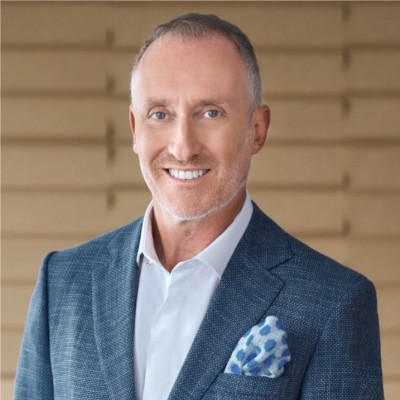
Luc Fortin and the problem with closing time
After decades on the banking side of the trade, Luc Fortin crossed over to the exchange. His work at TMX asks a practical question: how does a Canadian market keep pace with clients whose day has already begun?
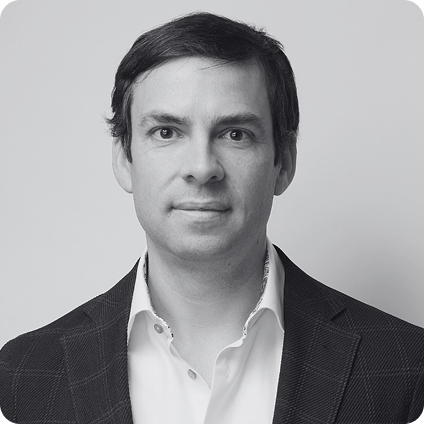
Francois Lafortune and the business of starting before the beginning
He sold computers at 13, built a window-cleaning business, and spent years inside large financial institutions. At Diagram, Francois Lafortune now works on the part of entrepreneurship that happens before a company has a founder, a product, or a name.
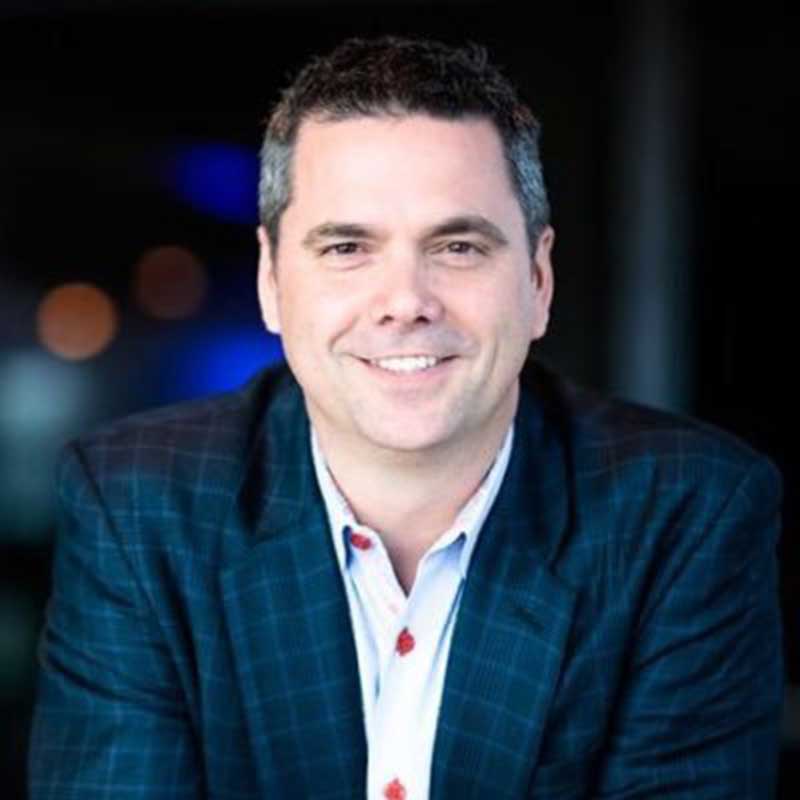
Chris Arsenault and the art of keeping doors open
Before he backed Canadian founders, Chris Arsenault was one of them. His career at Inovia turns on a practical question: how do you give a company room to choose its own future?
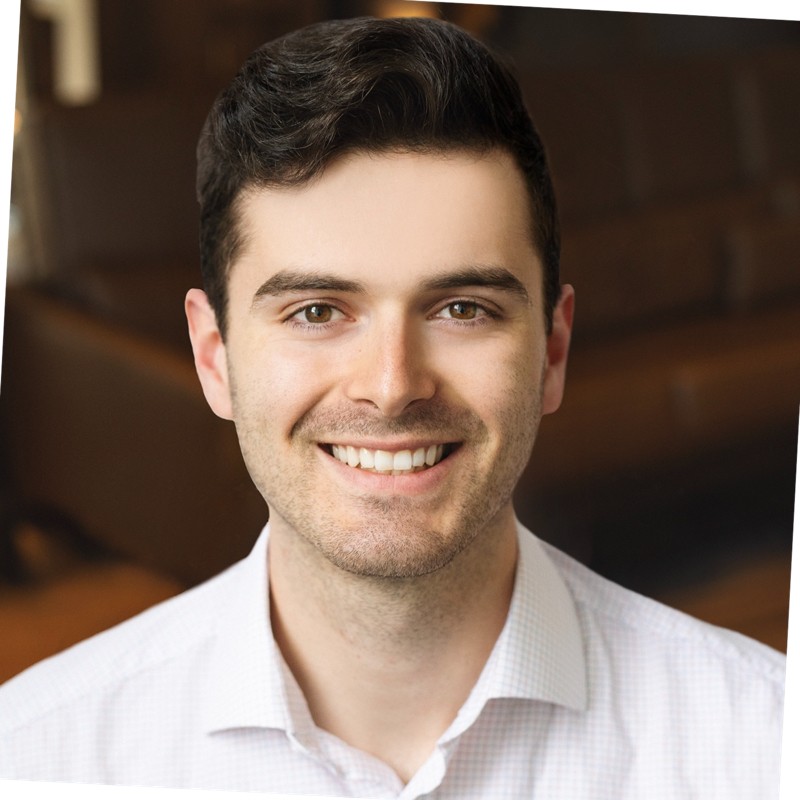
Thomas Boucher-Charest and the value of what already works
A Montreal stock-market competitor grew into an investor and software operator. At Valstone, Thomas Boucher-Charest is helping build a manufacturing portfolio around a practical question: what should an acquisition preserve?
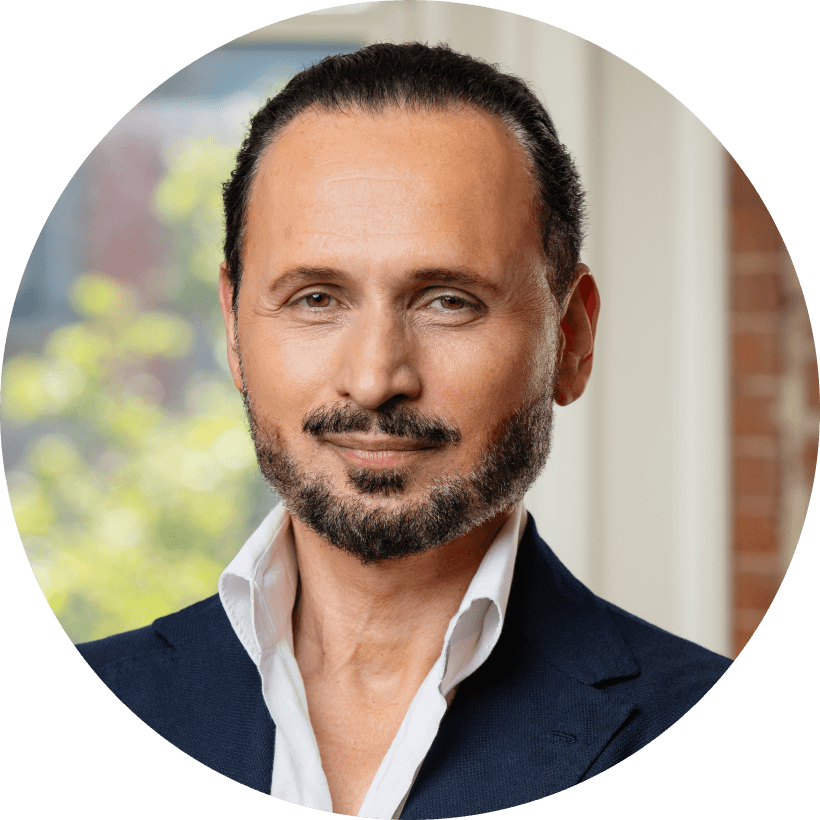
Tasso Roumeliotis and the business of picking up
Raised around a Montreal convenience store, Tasso Roumeliotis built Location Labs, sold it to AVG, and started again with familiar colleagues. At Numa, he is betting that the next customer relationship begins with the call somebody almost missed.

Cycle Capital bets on the parts that save power
A chip, a membrane, a better molecule: Cycle Capital backs the machinery behind a less wasteful economy. Its wager is that climate technology wins customers when it improves the bill as well as the planet.

Startupfest puts your pitch to the grandmother test
In Montréal, a startup festival pairs investor access with a jury that has little patience for jargon. Its real product is the carefully arranged encounter.
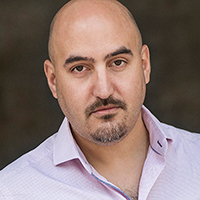
Elias Farah and the business that began over lunch
An aerospace engineer, a conversation in a Bombardier cafeteria, and a partnership that lasted. Elias Farah’s route to MEDFAR runs through patient engineering, acquisitions, and a deadline called 2030.