The week before the newspaper story, there were 24 new sales leads. The week after, there were 179. The property was Tributary, in Idaho’s Teton Valley. The publicist was C&R. And the interesting part of the story happened long before anyone counted the inquiries.
According to C&R’s account, the agency approached Wall Street Journal reporter Nancy Keates in autumn 2022 with a proposition: consider Teton Valley as an alternative to better-known ski destinations. An expansion at nearby Grand Targhee supplied a timely reason. A reporting visit followed in summer 2023; the feature appeared that fall.
That sequence is worth lingering over. There is a place, a comparison, a reason to look now, and an opportunity to inspect the claim. A prospective buyer has something to think about. An editor has something to investigate. C&R works in the small but commercially consequential space where those interests meet.
The figures describe a before-and-after observation. They cannot isolate everything else that influenced a buyer that week. Even so, they offer a more useful conversation than an impressive pile of press clippings: did the attention reach somebody who might actually want the thing?
A view is a start. A reason is better.
C&R sells communications services to businesses whose products tend to come with a view: hotels, resorts, luxury residences and golf properties. Its customers need people to discover a destination, understand its appeal and eventually book, visit or inquire. The agency helps shape the message and arrange the encounters through which that can happen.
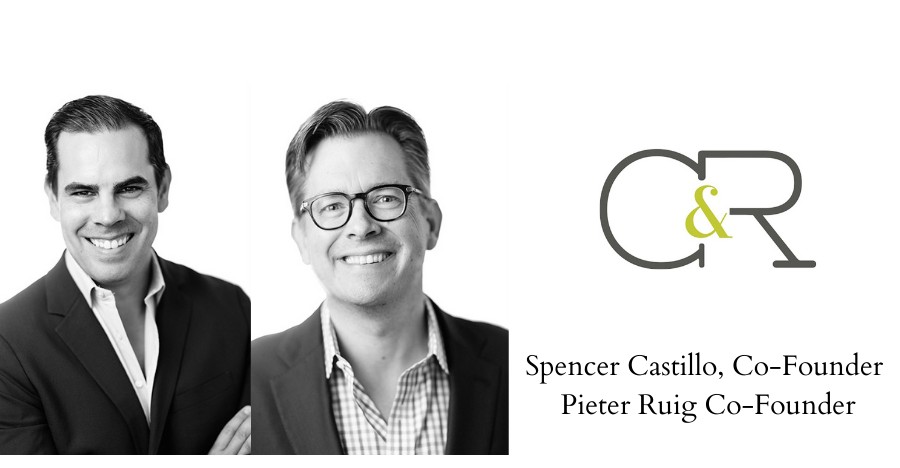
Its own brand promise, “Creativity & Results,” is a neat second life for the founders’ initials. Spencer Castillo and Pieter Ruig established the firm in 2009. C&R says both principals remain involved in every account. That is a meaningful buying proposition for a client who wants experienced people in the room when a launch date moves or a promising story needs a quick decision.
There is an obvious difficulty in this business. Beautiful rooms resemble other beautiful rooms. A property owner may consider every finish remarkable; a reader has a train to catch. The publicist’s job includes finding the detail that survives that collision of interests. A particular landscape, an unusual experience or a credible comparison gives the conversation somewhere to go.
C&R’s service menu starts with message development and competitive research, then extends to media pitching, social campaigns, influencer partnerships and press events. It also helps devise guest programming. This last service changes the assignment: sometimes the business needs to create an experience worth describing before there is much to pitch.
The editor moves to the other side of the desk
In January 2018, C&R launched a creative studio led by Bruce Wallin, who had spent 15 years at Robb Report. C&R Content offered custom publishing, digital editorial, native advertising and video production. It also announced property audits covering areas such as service and marketing.
“Original creative content has become an integral part of our clients’ marketing and communications strategies.”
Spencer Castillo / announcing C&R Content, 2018
That explanation identifies the commercial shift. Clients were commissioning more material of their own. C&R added the people and services to make it. The distinction matters to an agency buyer: an independent publication decides what it will cover, while a commissioned magazine gives a brand a publication it can plan and distribute.
There are tangible examples. Wallin announced Distinct, a magazine produced by C&R Content for Montage and Pendry, with stories ranging from skiing in Big Sky to artists and skimboarding. Copies were made available through the hotels. He later introduced The Agency Magazine, another C&R Content publication, distributed through the real-estate brokerage’s offices.
Consider the reader in each setting. A hotel guest already has a relationship with the brand. Someone in a brokerage office may be imagining a different life. A well-made magazine can give that person more to explore. Its usefulness depends on being interesting enough to open; the distribution arrangement alone cannot do that work.
The publication controls the outcome.
The client commissions the work.
Four wine tastings, one awkward launch year
Montage Healdsburg engaged C&R in April 2020. A wine-country resort was preparing to open during the pandemic. The agency’s documented response included four virtual wine tastings, wine sent to editors, hard-hat tours and early visits for publication consideration. C&R reports more than 250 press hits across the three-year campaign.
The practical lesson is about access. When the usual ways of experiencing a place become difficult, a campaign needs another way to make the experience concrete. A tasting gives a conversation a subject. It also asks the hotel and agency to do actual work: arrange the participants, handle the materials, make the encounter worthwhile.
At Park Hyatt Aviara, C&R supported the reopening after a $50 million transformation. That figure describes the resort renovation. It is not the PR fee. The distinction is essential when reading luxury marketing case studies: a building budget tells you about the scale of the property, not what its communications cost.
For an agency buyer, the useful exercise is to separate the communications assignment from the resources needed to deliver it. Who will host the visit? What can a reporter see? Who can answer detailed questions? A pitch can open a conversation, but somebody at the property must be ready to continue it.
The golf course has more than one audience
C&R’s golf practice makes its market position clearer. It works where sport overlaps with hospitality and residential development. Panther National’s campaign, for example, drew on the collaboration between Jack Nicklaus and Justin Thomas as well as the property’s architecture. The same development can interest a golf reader and a prospective homeowner for different reasons.
Clear Creek Tahoe illustrates a narrower assignment. C&R describes a two-year effort to arrange golf-media and course-rater visits before the course appeared in Golf Digest’s second hundred ranking in 2023. The work involved understanding how a particular recognition process operated and getting the relevant people to experience the course.
This is the case for buying specialist expertise. Knowing the subject helps an agency distinguish between audiences, publications and occasions. It does not mean C&R has the market to itself. J/PR also serves luxury hospitality and real estate and offers public relations, content and partnerships. Buyers can compare relevant work, staffing and access to senior people rather than treating a long service list as a deciding factor.
An office close to the customer
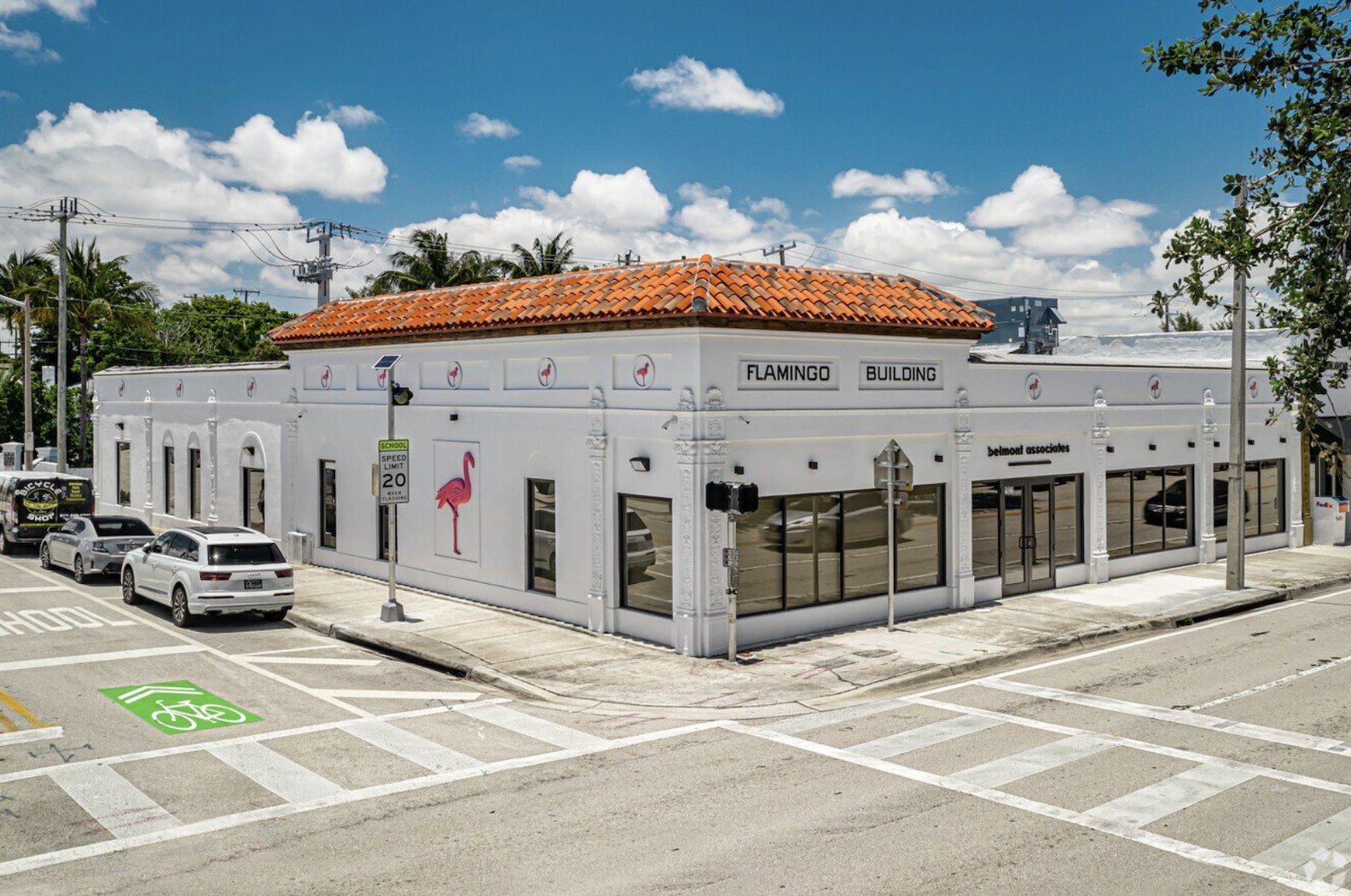
In April 2025, C&R announced a West Palm Beach office inside the Living by IMI building, extending an existing relationship. The location put the agency closer to a concentration of luxury hospitality and real-estate business. Its announced client footprint spans the United States, Mexico, the Caribbean, Asia Pacific and Europe.
The business itself sells professional services through client engagements, including continuing agency relationships and specific campaigns. Inc. lists C&R at No. 3,846 in its 2025 growth ranking, with 97 percent three-year growth and a company-size band of 11 to 50 employees. These describe an established specialist firm with room for individual relationships to matter.
The 2024 PR Net profile supplies a few useful details about how it supports those people: individual development plans, training, interoffice travel and an employee travel award. For a communications business, retaining knowledge and relationships is part of keeping the service useful.
Borrow the question before borrowing the campaign
A smaller business can copy the discipline without copying the resort itinerary. Identify a detail that would help someone make a decision. Connect it to a timely question. Offer access to people who can explain it. Decide in advance which response matters, whether that is an inquiry, a visit or a purchase.
The conditions matter. A business without anything distinctive to show will struggle to sustain the attention. A team that needs a guaranteed volume of customers by Friday should be careful about depending on an editor’s schedule. And a successful story can waste its moment if nobody responds to the resulting inquiries.
That brings us back to Tributary’s two weeks. The memorable number is 179. The more portable idea is the work that came before it: give the reader a specific reason to consider a place, then make that reason possible to examine.