The breakfast biscuit sat alone on a plate. To the people who had commissioned the advertisement, it represented speed: a warm meal for the morning rush. To the Latina mothers MarketVision spoke with, it represented something rather less flattering. It looked unfinished. It looked like a shortcut. In the private moral arithmetic of feeding a family, convenience could register as guilt.
This was not a translation problem. The Spanish could be perfect and the picture would still be wrong. So MarketVision changed the visual argument. It added fruit, juice, steaming coffee and the bright colors of morning. It shifted the emphasis from convenience to taste. The same product now suggested that a mother had added care rather than subtracted effort. ConAgra ran one version for the total market and another, with the deliciousness dial turned up, for Hispanic shoppers.
That small correction contains the agency's larger proposition. MarketVision is a San Antonio firm founded by Yvonne "Bonnie" Garcia in 1998, but its most useful product is not an ad, an event or a social post. It is the discovery that comes before any of them: the bit of human friction that makes an apparently sensible idea fail.
The trouble with a perfectly good brief
Garcia arrived at this idea from inside corporate America. Before MarketVision, she led Hispanic marketing at Coca-Cola and worked at Stroh Brewing. She became the first Latina marketing director for each company, and at Coke she was the first corporate marketer to sign Selena to a brand contract. Her career began when large companies were only starting to take emerging consumer groups seriously. She learned the opportunity and the trap at once: noticing an audience is not the same thing as understanding it.
MarketVision began as what Garcia called a "below-the-line" multicultural agency. The company later expanded into research, strategy, shopper marketing, promotions, events, public relations, media, influencer programs, digital work and service design. It has worked with more than 200 organizations, by its count, including Coca-Cola, MassMutual, CDC and CDC Foundation, Mondelez, Fisher-Price, H-E-B, USAA, GO RIO Cruises, UnidosUS and Alamo Colleges District.
The business model is familiar - clients pay for projects and ongoing agency services - but the range of outputs is wider than the word advertising suggests. MarketVision may produce a retail display, a Facebook community, a product journey, a national event, a press program or the research that tells a client not to make the thing it originally imagined. That places it between a multicultural creative agency, a behavioral-insights consultancy and an integrated production partner.
“Our work reveals insights about people and their behavior.”MarketVision
A promise you can buy in 20 minutes
Consider life insurance, a category with a rare ability to make both mortality and paperwork feel urgent. MassMutual wanted to reach Latino and other middle-income millennial families who were not well served by traditional financial services. The obvious brief might have been financial education. The first thing to fail, however, was the assumption that importance creates action. Families already considered insurance important. They delayed because it seemed expensive, complicated and remote from the bills in front of them.
MarketVision spoke with Latino and non-Latino families and found a more useful frame: insurance was a way of fulfilling promises to the people one loved. That insight became ValoraLife, a new brand and online-mobile experience designed with IDEO. The team wrote the content, made educational video stories and built a route through which a customer could learn about and buy coverage in as little as 20 minutes. Then it launched a Houston pilot with digital media, community events, public relations, influencers and a live program hosted by Mario Lopez.
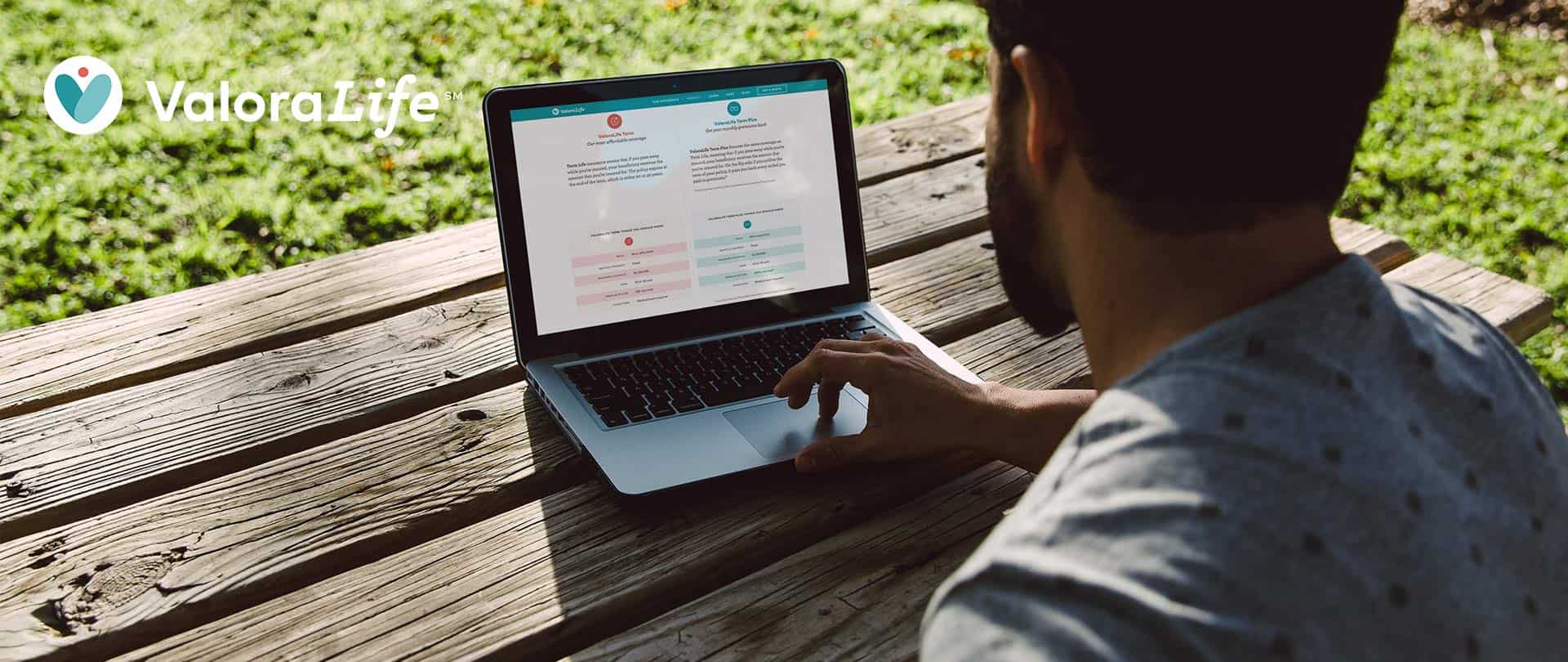
The interesting move was not better persuasion around the old process. It was changing the process. Research altered the brand, the language and the customer journey. MarketVision tested the program locally before considering scale - a habit worth copying because cultural confidence is especially dangerous when it has not met a real customer.
When the measure is a decision
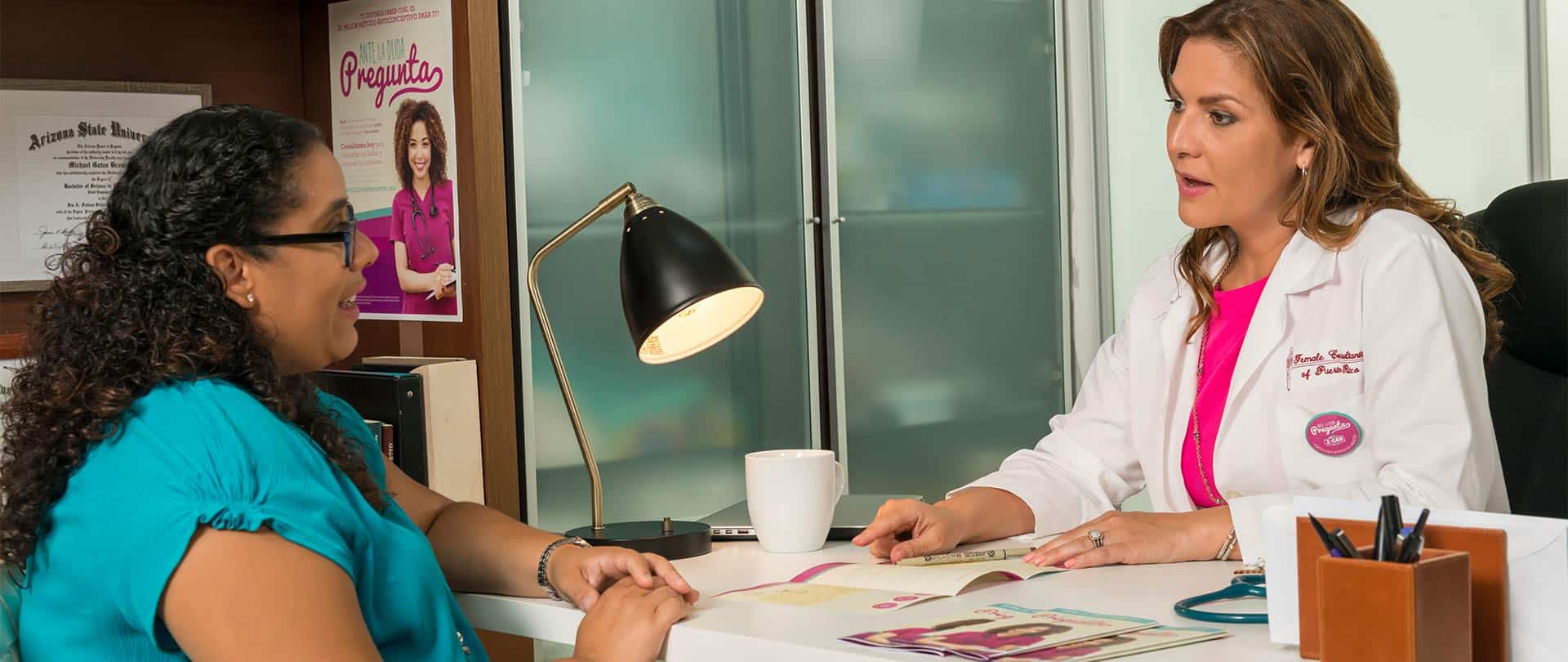
The agency's strongest case is also the one least suited to advertising theater. During the Zika emergency in Puerto Rico, women who wanted to avoid pregnancy needed quick, intimate answers: how the virus spread sexually, which contraceptive method fit them, what it cost and where to get help. MarketVision's conversations revealed not merely an information gap but an asking gap. Many women did not know which questions to bring to a clinician.
The resulting campaign, Ante La Duda, Pregunta - when in doubt, ask - used a website, clinic finder, testimonials, radio personalities, influencers, paid media, local events and a Facebook community. The community grew past 25,000 women in a year and became a live research loop: the questions people asked shaped the next round of content. Videos received 2.3 million views. MarketVision says 29,000 women obtained a contraceptive method during the initiative, and the CDC Foundation turned the approach into a model for future emergency-response work.
Those figures are not directly comparable, which is precisely the point. An impression, a video view, a community member and a health decision occupy different rungs of consequence. MarketVision's public-health work is persuasive because the communications system was designed to move down the ladder - from seeing, to asking, to choosing.
Old rituals are cheaper than invented ones
For Mondelez, the hidden behavior was considerably more cheerful. Bilingual Latina mothers described childhood meriendas, the late-afternoon snacks they had prepared with their own mothers. They wanted that closeness for their children but had less time. MarketVision did not manufacture a new occasion. It dusted off an old one and made it workable on a Tuesday.

The programs used Nabisco products in Latino-inspired recipes, in-store displays, bilingual Pinterest boards, direct mail and content from 59 influencers plus chef Pati Jinich. Together they produced more than 75 recipes and 9.9 million in social reach. Pinterest engagement beat two earlier Mondelez efforts despite lower spend. The economical lesson is almost comic: a remembered ritual did more work than a newly coined marketing occasion.
MarketVision can also operate at national retail scale. Its Coca-Cola BE campaign for Black History Month activated more than 10,000 stores and generated 115 million media impressions. Yet even there, the premise was cultural rather than cosmetic: Black history was presented as American history, with local sales teams able to customize the program instead of forcing every market into one execution.
The part worth stealing
- Find the behavior the brief treats as irrational.
- Ask what that behavior protects - pride, family, safety, identity or time.
- Change the offer or experience before polishing the message.
- Pilot where the learning loop is short.
- Measure the decision you wanted, not the applause you received.
This method needs conditions that many campaigns lack. The audience must trust the researchers enough to say the impolite thing. The client must give the agency authority to change more than copy. There must be time to test, and a useful behavior to measure. If the research has been hired merely to approve a predetermined answer, "culture" becomes decoration and the advantage disappears.
The independence habit
Garcia's ownership history supplies a final clue about the firm's character. MarketVision sold a 49 percent stake to CoActive Marketing Group, then Garcia bought it back in 2006. The agency had grown 214 percent over the previous three years, but she said ties to a publicly traded partner could impede creative energy. Her blunt reason for reversing course was that buying back the company would give her more time with clients.
In 2008, MarketVision merged with strategy firm Garcia 360. It remained privately held and founder-led. In 2025, Garcia entered the American Advertising Federation's Southwest Advertising Hall of Fame; in 2026, the agency helped Alamo Colleges District bring the Alamo Technical Institute brand to market. The client list ranges from packaged food to public health, finance, education and tourism. What connects the work is not an industry but a kind of problem: a large institution wants a human being to act, and its first explanation of why that person has not acted is incomplete.
Years in the gap between message and meaning.
MarketVision competes with multicultural agencies, integrated shops, research consultancies and in-house teams. Its niche is the overlap: cultural depth strong enough to challenge the premise, and execution broad enough to build what replaces it.
That is why the lonely biscuit matters. It was not offensive. It was not badly designed. It was simply carrying the wrong moral meaning. Most marketing mistakes are less dramatic than people imagine and more expensive than they look. MarketVision's wager is that someone in the audience can tell you where the meaning changed - if you ask before buying the media.