consumer-insights
(89)
Listen Labs and the Question After the Answer
A customer can say “fine” and mean almost anything. Listen Labs built a research business around the next question - and made it possible to ask that question thousands of times.
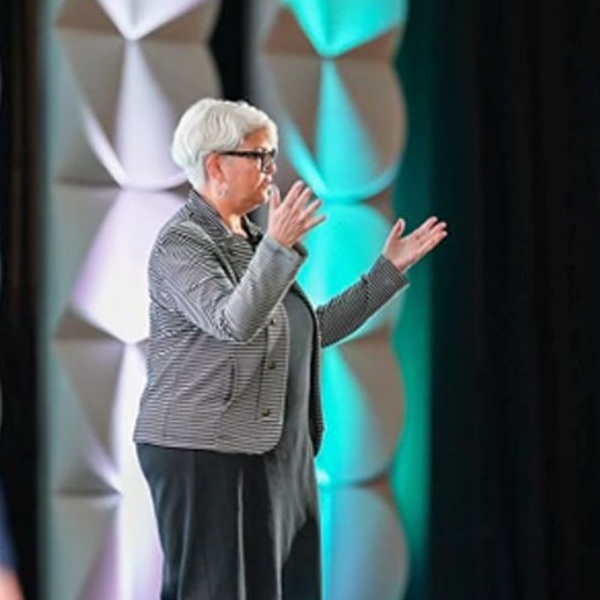
Michele Salomon Has a Stack of Index Cards and a Question for the Room
The market researcher built a career by asking who needs to be heard, what a decision really requires, and whether the useful finding can survive a walk around the block.

The Ad Agency That Carpeted a Rhino to Make a Point About the Mind
Intermark Group built an advertising agency around a stubborn idea: people rarely do what a spreadsheet says they should. Its answer combines behavioral science, media buying and creative work - occasionally with a rhinoceros standing on the product.
The Agency That Learned to Sell the Whole Conversation
DKC began with the old New York art of getting people talked about. Thirty-five years later, it sells something larger: the research, story, social post, live moment and search result that decide what the talking means.

The Company That Turns Opinions Into Headlines
We are Talker found a useful gap between the survey firm and the newsroom: ask better questions, turn the answers into human stories, then make those stories easy to publish. Now it is applying the same machinery to the strange new reader in the room - AI.
The Morning the Press Review Learned to Think
AITASTIC is betting that the valuable part of media monitoring begins after the mention is found. Its machine reads the noise; its people decide what deserves a morning meeting.

The Agency That Took Authenticity Off the Mood Board
Idea Ranch built a national agency around a stubborn proposition: the people in an advertisement should look as if they might actually use the thing being sold. The trick is making that sincerity perform like a business tool, not a campfire story.

Creative Concepts Was Early to Social Media. Now It Is Reading the Comments.
In 2006, Valorie Luther gathered executives to discuss a business tool few companies knew they needed: social media. Twenty years later, her consultancy is making the same bet on AI visibility - and on the unruly truth hiding in other people's comment sections.

The Agency That Starts Before the Ad
MarketVision built a business by noticing the moment before a campaign begins: when a frozen biscuit feels like guilt, insurance feels like homework, or public-health advice feels impossible to ask. Its answer is to listen first - and let culture change the brief.
The Food Group Knows Why the Mayonnaise Matters
A 58-year-old agency built a business around an easily missed truth: food is sold twice - first to the people who serve it, then to the people who eat it.
The Ad Agency That Put Feelings Ahead of Facts
Signal Theory spent half a century learning that people rarely buy for the reasons they recite. Its answer is an agency built to find the emotional signal hiding underneath the sensible explanation.

The Small-City Agency That Put the Emergency Room in a Slip ’N Slide
The Mitchells Agency learned that the fastest route from a small Florida office to a national stage was not to act bigger. It was to notice the ordinary things bigger shops might miss - a nervous parent, a winter lunch, a human answering the phone.
Bastion US and the art of buying the missing piece
A PR firm, a research shop, a digital team, then a Nashville agency. Bastion built its US business by joining specialists together. The useful question is what that buys the client.

The Axis Agency knows what a slipper can say
A grocery ad, a football jersey, an insurance application. The Axis Agency builds campaigns around the cultural details that make people pay attention - and the practical steps that help them act.
ACC wants its agencies to stop competing with each other
Michael Nyman built Acceleration Community of Companies around a deceptively difficult idea: give specialists a reason to help one another. A hotel takeover, a dancing vending machine, and a growing entertainment business show what that looks like in practice.
Luminate counts the hits. The hard part is deciding what counts.
The company behind Billboard’s charts has turned music measurement into a business spanning Hollywood, brand deals and Fortnite. Its real product is a number the industry can agree to use.

Streetbees heard the consumer. Then it ran out of runway.
Its chat-style research helped brands rethink coffee, grooming and the weekly shop. After administration and an asset sale, Streetbees is attempting a new chapter with the same valuable idea: ask people better questions.

Vypr wants your bad idea caught before it hits the shelf
From bread bags to birthday cards, Vypr lets brands test the small decisions that shape a launch. Its bet: consumer research earns its keep when there is still time to change the product.
System1 puts a price on how an ad makes you feel
A kangaroo, a Christmas wish and millions of emotional responses power the London company’s pitch: test the feeling before buying the airtime. Now its own future is being tested by AI competition and a contested takeover.

Pulsar Stopped Counting Mentions and Started Mapping the Crowd
The London software company built its business on a sharp correction to social listening: the loudest post is rarely the whole story. Its platform maps the communities, narratives and behavioral signals underneath the noise.
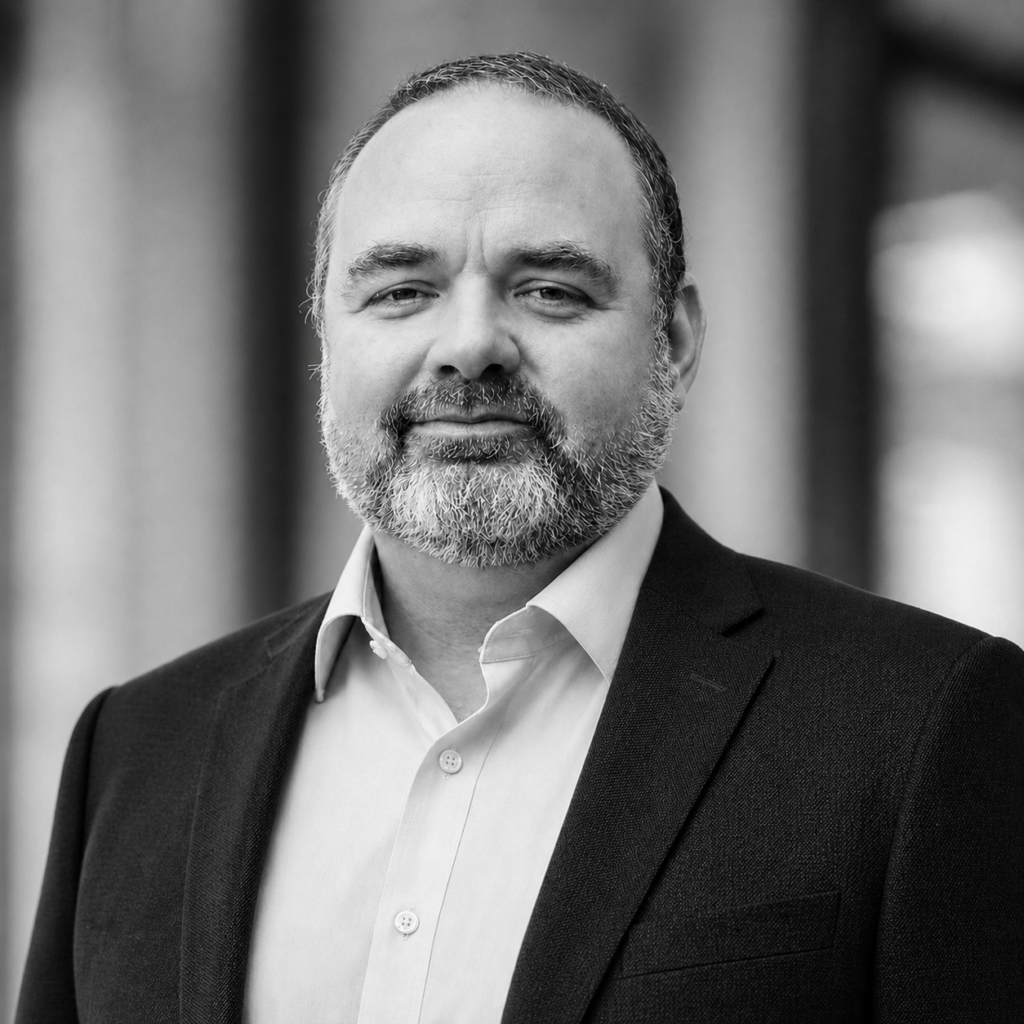
Daniel Stradtman Wants Companies to Stop Losing What They Know
After more than 25 years turning consumer research into corporate decisions, Bloomfire's CMO has a blunt diagnosis for the AI era: the cleverest system in the room is still only as useful as the knowledge people can trust.

Donna Perlstein Wants Marketing to Hear the Product, Not Just Applaud the Ad
After more than two decades in go-to-market work, Donna Perlstein has learned to distrust applause without understanding. Her answer is simple to say and difficult to practice: let the customer write the brief.
Brands Were Copying Amazon Reviews Into Excel. Revuze Turned the Mess Into a Daily To-Do List
Revuze started with a travel-planning idea, found its real market in retail, and built an AI system for turning scattered customer comments into product fixes, sharper listings and earlier warnings. The bet is simple: a complaint becomes valuable when someone knows what to do next.
BERA Wants to Put Brand Love on the Balance Sheet
Marketing has always had a language problem: the CMO talks about meaning while the CFO asks for money. BERA built a weekly data stream, a predictive model and a rather memorable love curve to make the two sides speak in numbers.
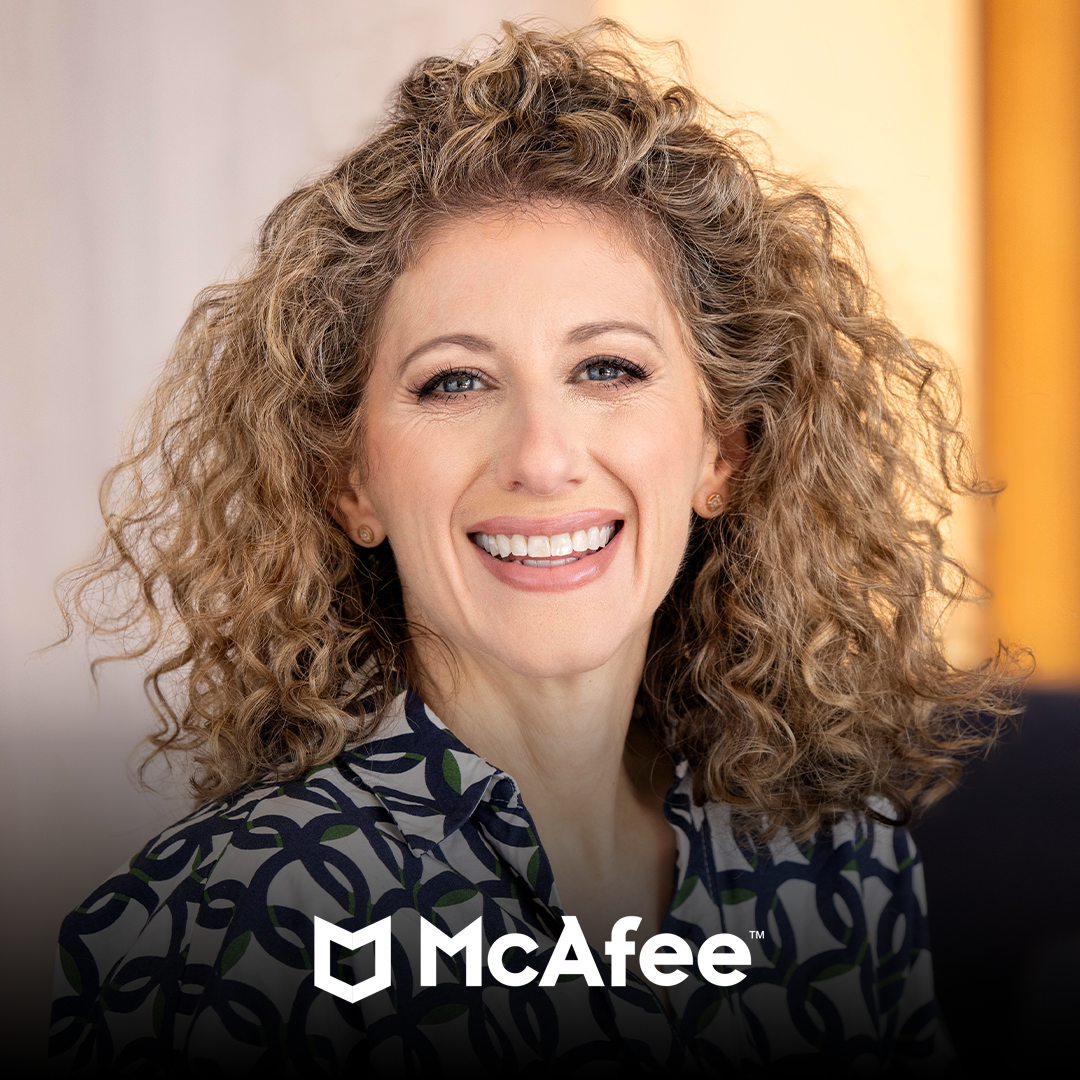
Stephanie Fried Spent 20 Years Studying Attention. Now She Has to Earn Trust.
The marketer who learned to read audiences at NBCUniversal, Vevo, Discovery, Condé Nast and Fandom has taken on a trickier subject: what makes people feel safe online.

Kumar Doshi Keeps Finding the Story Inside the Data
From an invented rotation at Intel to Microsoft experiments, startup detours and a New York consumer-data company, Kumar Doshi has built a career around one stubborn question: how do you turn information into action?
Tubular Labs Built a Telescope for 25 Billion Videos - and Sold the View to Media’s Biggest Players
YouTube was only the opening act. Tubular Labs spent 14 years turning the unruly social-video universe into a dataset that publishers, brands and agencies can actually interrogate - then became a key piece of Chartbeat’s media software stack.
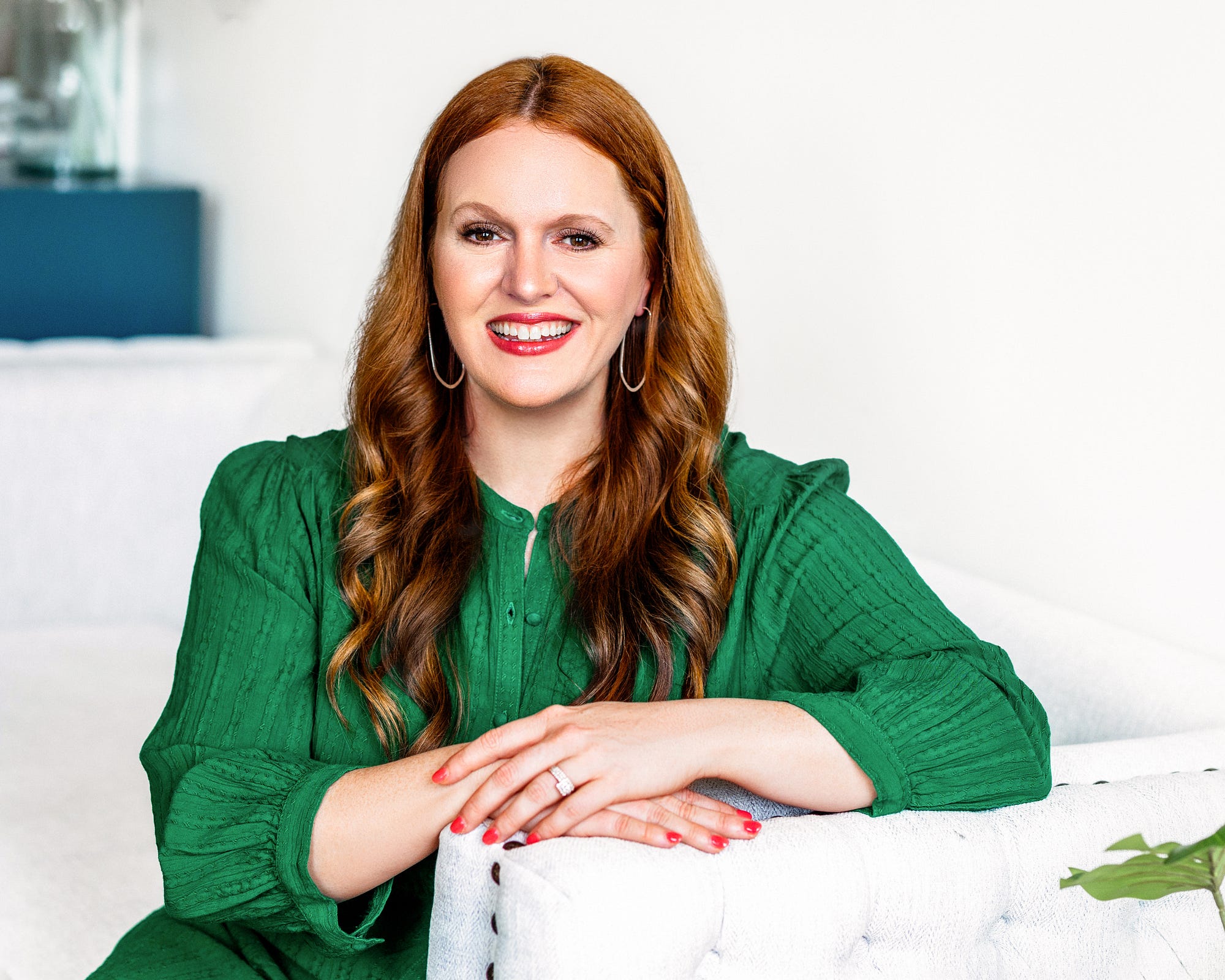
Nataly Kelly Learned to Read the World Before She Learned to Market It
From an Illinois farm town to Ecuador, HubSpot and Zappi, Kelly built a career around one durable idea: understanding people is the work before the work.

Zappi Put Market Research on Fast-Forward. Then It Learned Speed Wasn’t the Product.
The Boston-based insights company began by making surveys faster and cheaper. Its bigger bet is that every test should make the next decision smarter - a useful playbook for any team drowning in one-off data.

Datassential Built a Crystal Ball From 7.5 Billion Menu Items - Here’s What Food Brands Can Copy
The food industry used to test ideas by putting them on menus and hoping. Datassential built a cheaper rehearsal room - one where 25 years of menu history, consumer reactions and operator data can warn a brand before dinner gets expensive.