The internet has been Stephanie Fried's laboratory for two decades. She watched network television learn to stream full episodes, music video become a digital habit, magazine brands chase readers across screens and fan communities turn affection into an exhaust plume of data. Now her subject is fear - the fraudulent text, the copied voice, the suspicious QR code - and the old laboratory feels more like a crowded city after dark.
In March 2025, Fried became executive vice president and chief marketing officer of McAfee. The appointment gave her a famous name and an awkward communications problem. People knew McAfee as antivirus. The company wanted them to see a broader consumer proposition: identity, privacy, scam detection and the ordinary business of moving through digital life with fewer reasons to flinch.
It was a striking turn from Fandom, where Fried had spent five and a half years marketing imagined worlds to the people who could recite their rules. Yet the move makes sense if you ignore the products and look at the human material. Fandom is partly about identity. Online safety protects identity. Each depends on intimate knowledge, and each treats an impostor rather badly.
“Passionate fans know their fandoms inside out and they can spot an imposter instantly.”Stephanie Fried, on the price of borrowed authenticity
A career built one question earlier
Fried describes her career as an inquiry into what goods and services people want, and why. The wording matters. Many marketers begin with reach. She begins before reach, in the untidy interior of motive: values, attitudes and emotional needs. Her jobs have widened in scope, but the curiosity has stayed put.
At NBCUniversal, she developed research into full-episode streaming behavior when the major networks were launching streaming platforms in 2006. The assignment now sounds obvious because success has a way of laundering uncertainty out of history. At the time, the screen was changing and the viewer's habits were still being named.
Digital research as television learned the grammar of streaming.
Analytics infrastructure, digital insights and cross-functional audience strategy.
Research grew into audience development and full marketing leadership.
Fan identity, brand, communications, experience and growth at massive scale.
Translating consumer security into confidence people can recognize.
At Vevo, Fried grew a research and analytics team fourfold and built the infrastructure that served content, sales and partnerships. At Discovery, her remit crossed sales, distribution, editorial and product. By Condé Nast, she was leading marketing, research and analytics for a collection that included Vogue, Vanity Fair and The New Yorker. Her teams there grew digital audiences by 50 percent and engagement by 82 percent year over year.
This is the useful progression in Fried's résumé: research did not get discarded on the way to the C-suite. It acquired more responsibilities. Data led to audience development, then to communications, design, experiences and brand. She became a CMO by steadily widening the frame around the evidence.
When affection becomes data
Fandom offered a peculiar abundance. Its users did more than click on a show. They burrowed into characters, weapons, storylines and connections between fictional universes. Fried described 45 million pages of content and trillions of behavioral signals. A streaming service could know where somebody stopped an episode. Fandom could see which character made them keep reading.
That material became FanDNA, a system for understanding affinities within and across entertainment properties. The point was not merely to locate popularity. Fried's sharper claim was that Fandom could understand why something was popular. The distinction is the distance between a chart and a clue.
The story is part of the person's identity and daily life.
Chooses a genre deliberately and leans into reviews and awards.
Wants the conversation, the context and a point of view.
Enjoys entertainment broadly, with lighter attachment.
Her team identified four fan identities: advocate, intentionalist, culturalist and flirt. The names are slightly mischievous, but the model resists a common marketing laziness. A large audience is not one emotion multiplied. The person who names a pet after a character and the person who wants enough plot to survive dinner are both fans. They require different invitations.
Under Fried's leadership, Fandom expanded beyond 350 million monthly visitors. Its portfolio came to include TV Guide, Metacritic and GameSpot. She helped lead the “For the Love of Fans” rebrand, build FanDNA Insights and stage live fan celebrations, including an opening-night party at San Diego Comic-Con. The data was immense; the stated company value was almost quaint: “We Bring Joy.” Fried's work sat in the productive tension between the two.
The tools arrive after the thinking
Fried is plainly comfortable with measurement, though she does not worship the dashboard. She has called herself process-oriented and data-driven, then pointed out that many marketing failures occur before the tools appear. Teams disagree about the opportunity. Insights live in separate systems. Acquisition pours customers into what she once called a “leaky bucket experience.” New software can make confusion move faster.
Her prescription is almost stubbornly human: build a shared understanding of the customer, connect specialized teams across the journey and decide what the business can genuinely deliver. The modern marketing department may contain paid search, affiliate, influencer, email and loyalty experts. Expertise is useful. Silos are expensive.
There is a quiet discipline in that order of operations. Fried has worked inside public companies, portfolio businesses, family enterprises and her own entrepreneurial project. The ownership structure changes, but the organizational temptation is familiar: buy a specialized answer before agreeing on the question. She has seen analytics serve content teams, sales groups, distributors, product leaders and advertisers, each with a legitimate claim on the same customer. Her version of marketing leadership is partly an act of translation between those claims. The researcher asks what the evidence says. The operator asks what can be built. The brand leader asks what promise will still be true when the customer arrives. Keeping all three in the room is less glamorous than unveiling a campaign, and much closer to the work that decides whether the campaign succeeds.
A dashboard can count attention. It cannot decide what the company deserves to mean.
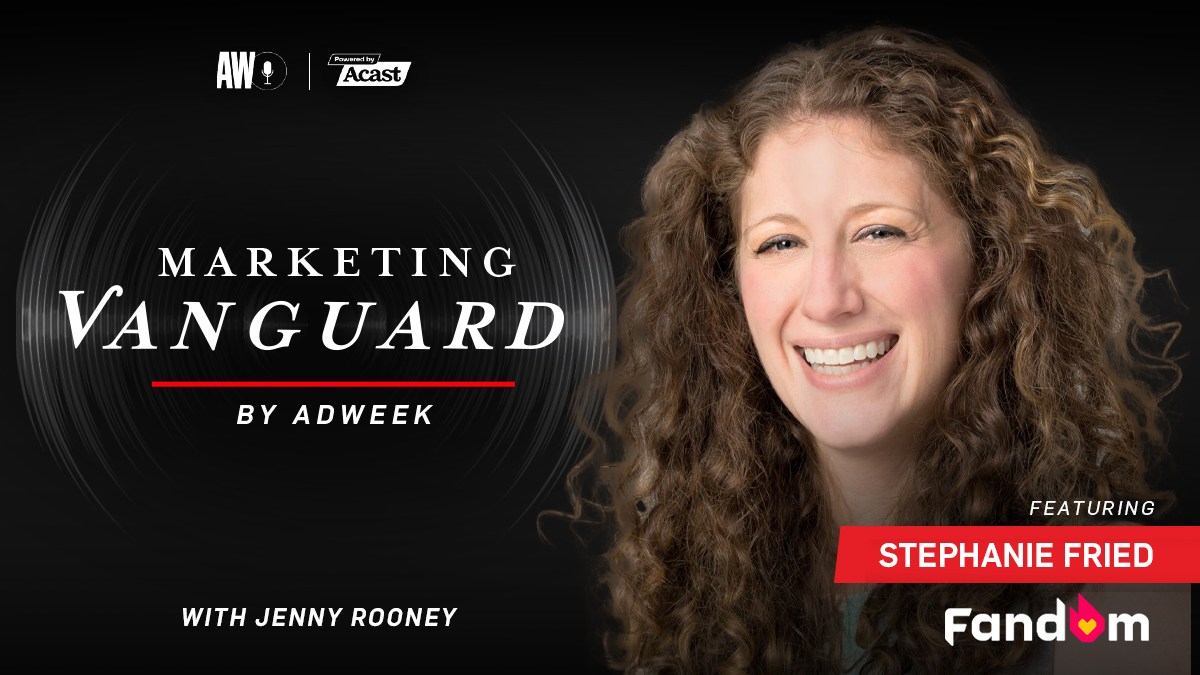
That idea gained fresh relevance in May 2026, when Fried joined a Marketing Vanguard Summit discussion called “The Measurement Trap.” The provocation asked how marketers defend the value of what cannot be easily counted. For somebody raised professionally on research, this is not a retreat from evidence. It is a demand for better evidence and the judgment to know where the spreadsheet ends.
From antivirus to ordinary courage
McAfee presents the inverse problem of a young company. It does not need to manufacture recognition. It needs to update what recognition contains. When Fried arrived, she wrote that the company had evolved from its antivirus history into a consumer suite spanning VPN, identity protection and deepfake detection. Her work was to connect a trusted old noun with a much larger set of modern verbs.
Her first public framing emphasized confidence. Everyone online, she argued, should be able to participate without fearing for personal and financial information. That language makes security less about the drama of an attack and more about permission to proceed. The product's emotional benefit is an unremarkable afternoon.
In late 2025, McAfee teamed with Disney's TRON: Ares on “Secure Your Grid,” a campaign about scams moving from feeds and inboxes into real life. The partnership gave a practical subject the glow of a cinematic world. It also returned Fried to familiar ground: translate a fictional universe without insulting its fans, then use the borrowed attention to explain something useful.
She has since become a founding member of Adweek's Marketing Vanguard and continued building McAfee's marketing operation. The visible agenda holds together: broaden the brand, sharpen the measurement and make an old category feel personal enough for a new set of threats.
The question underneath the metric
Fried earned a history degree with honors from the University of Michigan before completing an MBA in marketing management at Columbia Business School. The pairing feels apt. History is data with motives still attached. Marketing fails when it forgets either half.
Her career has crossed television, music video, magazines, games, fan wikis and cybersecurity, a route that could look restless from far away. Up close, it is unusually consistent. Each stop gave her a different instrument for reading people. Each promotion made her responsible for doing something wiser with what she found.
At Fandom, a return visit meant delight, identity or the urgent need to settle an argument about lore. At McAfee, it may mean a scam caught before somebody clicks. The emotions differ, but the compact is the same. Know why the person came. Respect what matters to them. Make the experience worthy of another day.
Attention is the beginning of that compact. Trust is what remains after the campaign leaves the room.