marketing-analytics
(136)
Brandlight asks what AI says about you - before your customers do
The enterprise software company turns AI answers into a marketing brief. Its most revealing finding: a brand can gain visibility while the citations beneath it disappear.

Ours Privacy helps healthcare ads keep a secret
A couples counseling company stripped its website of tracking tools. The workaround became Ours Privacy, a business selling healthcare marketers a way to measure results without sending patient secrets along for the ride.

Uniqode sells the square. The business is what happens next.
A QR code is easy to make. Uniqode charges for keeping it useful after the menu changes, the campaign moves on and someone asks what all those scans achieved.
Accomplice.IO wanted your ads to answer to the cash register
In 2015, Accomplice.IO put campaign creation, website tracking and budget optimization under one roof. Its wager: marketers needed fewer disconnected tools and a clearer route from attention to action.
Marketing Evolution asks who really earned the sale
A telecom provider cut conversion budgets and recorded 81% more checkouts. Marketing Evolution’s explanation leads from the last click to a much less glamorous place: the data underneath the dashboard.

Yesmail Built the Mailroom. Then It Handed Over the Keys.
Yesmail helped big brands turn customer data into timely messages. Its decision to retire its own email platform reveals where the value in marketing software had moved.
Act-On and the art of never losing the next conversation
A sale can take months. A relationship can last years. Act-On sells marketers a way to keep both moving, without asking them to replace their entire software stack.
MoBagel and the art of making AI earn its keep
A failed marketing model, a motorcycle-parts seller and a shipping forecast reveal MoBagel’s practical wager: AI becomes useful when it changes a decision someone already has to make.
Absolutdata and the art of the next move
A hotel guest who never returns. A sales rep choosing whom to call. Absolutdata built its business around the small decisions that make a large difference to revenue.
Launchmetrics puts a price on fashion’s attention
A sample cupboard helped inspire a software business. Today, Launchmetrics connects the sample cupboard to the media report - and asks what all that attention is worth.
Madison Logic and the buyer who wasn’t ready
A whitepaper download is a tiny act of curiosity. Madison Logic built a business around what happens between that moment and a buying committee finally saying yes.
RESULTICKS and the art of remembering the customer
A bank can know sixty million people and still forget what one of them just did. RESULTICKS sells a way to close that gap - and its proposed billion-dollar combination puts the idea on a much larger stage.

Later and the distance between a like and a sale
A tool born to schedule Instagram posts now wants to follow influence all the way to checkout. Its acquisitions tell a story about the awkward gap between being admired and getting paid.

Clarisights and the dashboard that couldn’t answer back
The charts were handsome. The marketers were still waiting. Clarisights built its business around the awkward question that comes after the dashboard has done its job.
Hilbert and the Hidden Machinery of Growth
Four former Getir operators are selling the unglamorous part of growth: clean definitions, connected data and decisions that arrive before the customer leaves.

The Install Was Only the Beginning
Airbridge tracks the long, untidy trip from ad click to paying customer. Its best argument is simple: an install is a milestone, not a verdict.

The Company That Asked Who Really Deserved the Sale
It began by asking whether an advertiser had paid for a real click. Then Adometry asked a more expensive question: which ad actually helped make the sale?
The company that knew who passed the link
RadiumOne made a business of the private paths a link takes between friends. The signal worked for advertisers; the economics were less forgiving.
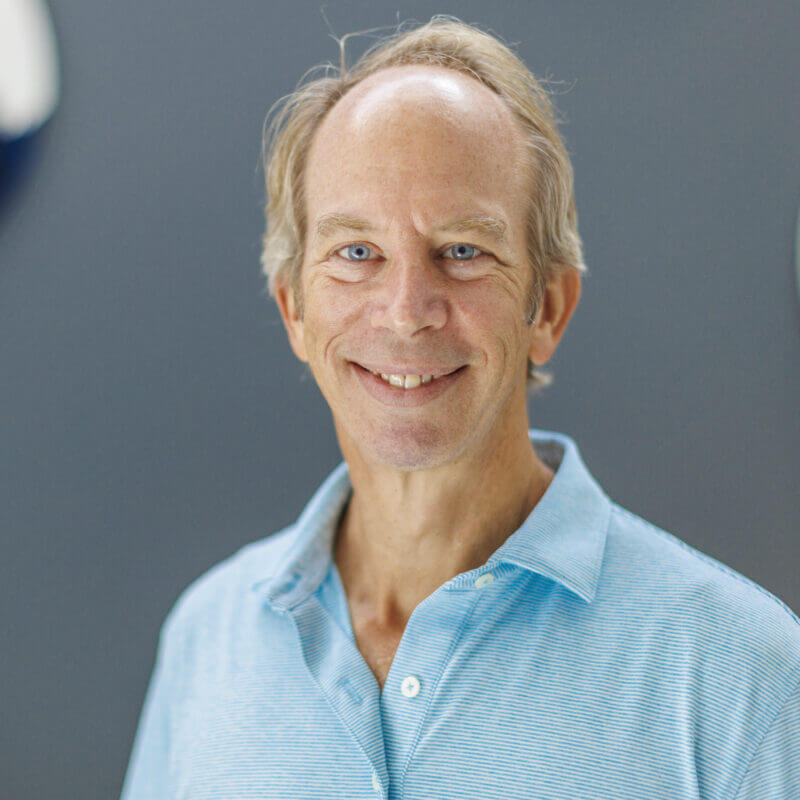
John Busbice and the Trouble With Looking Back
For more than two decades, John Busbice has worked on a stubborn question: how can a model help someone choose the next dollar, not merely explain the last one? At Keen Decision Systems, that question became a company, an algorithmic discipline and a quiet campaign against the ornamental dashboard.
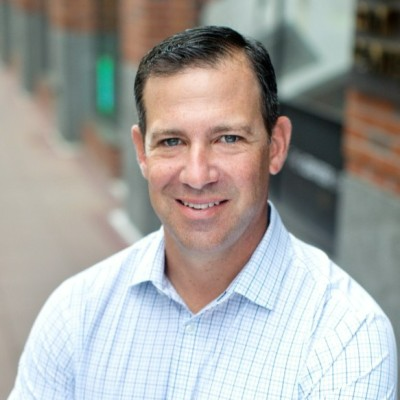
Greg Dolan Built a Compass for Marketing's Next Dollar
The former Kraft and Campbell's marketer spent years asking what conventional reports could not answer. With Keen Decision Systems, he turned that frustration into a forward-looking system for deciding where the next dollar belongs.

Bob Lynch Put the Sponsorship Business Into a Spreadsheet
He knew sponsorship sales from the inside, but he did not know software. So he drew the product in PowerPoint, ran it in Google Sheets, and turned an opaque business into something people could finally search.

Henry Chassaignac Built a Career by Making Creative Work Accountable
The copywriter who opened Zehnder's Nashville office now runs the employee-owned agency. His career is a study in joining a good line with a hard number.
The Agency That Refused to Forget
For fifty years, Laughlin Constable has survived the advertising business by changing its machinery without surrendering its memory. Its newest bet is that an independent agency can turn human judgment into reusable intelligence - and still keep the humans in charge.

The Agency That Keeps Buying New Ingredients
Adcom has survived 36 years of agency churn by treating its own capabilities like a work in progress - adding analytics, production, merchandising and AI without giving up its Cleveland address or independent streak.
The Agency That Learned to Stop Buying More
Most agencies ask how much attention a budget can buy. Little Rock's mhp.si asks a more awkward question: how much of that attention had any chance of becoming business?

The Agency That Put the CEO in the Focus Group
Boathouse spent 25 years joining strategy to execution. Its most revealing product may be a recurring question posed to 150 chief executives: what, exactly, is marketing for?

The Agency That Treats Fandom Like a Moving Target
MKTG built a business around a simple problem: fans refuse to sit still. Its answer combines research, rights strategy, creative work and the stubbornly physical craft of making an experience happen on time.

RPA and the Forty-Year Handshake
RPA was born to keep one car account. Four decades, one painful breakup and several improbable comebacks later, the Santa Monica independent has turned client continuity into its sharpest competitive weapon.
Belfort Group Learned to Count What Happens After the Click
The Boston agency does PR, media, design and websites. Its more interesting product is the connective tissue between them - a habit of following attention until it becomes an application, a qualified lead or a unanimous vote.
The Advertising Agency That Put Its Future on the Payroll
Zehnder Communications survived Katrina, built an analytics habit before it was fashionable, and made its employees the owners. Thirty years in, its most interesting product may be the way the agency itself is designed.