A dress in a cupboard is an oddly good place to begin a technology story. Before it becomes a photograph, a magazine credit or a celebrity’s evening outfit, someone must know where it is. Someone must send it. Someone must get it back. Fashion’s public face is exquisite; the paperwork behind it can be rather less so.
Eddie Mullon noticed this while working with a fashion PR firm. The sample cupboard ran on paper records. His answer was a tracking system, which became Fashion GPS, founded in New York in 2006. The insight was wonderfully unromantic: a beautiful garment cannot earn much attention if nobody can find it.
- Software for the people who lend samples, run events and report on brand coverage.
- MIV puts comparable monetary estimates on media exposure, rather than measuring sales.
- Public Starter pricing begins at €780 per month.
- Lectra owns a majority stake; the newest territory is visibility inside AI answers.
The cupboard came first
Launchmetrics is the business that grew around the connection between a physical product and the attention it attracts. It provides sample management, event organization, digital showrooms and contact tools alongside media monitoring and competitive analytics. Its specialist territory is fashion, lifestyle and beauty, where the journey from object to image is part of the business itself.
There are two clocks in its history. Augure, the French predecessor, began in 2002. Fashion GPS followed in 2006. Their merger created Launchmetrics in January 2016. Michael Jaïs, from Augure, became CEO; Mullon became president. Calling Launchmetrics a 2002 company misses the interesting bit: the company in its present form came from joining two different kinds of knowledge.
Fashion GPS understood the machinery of a launch. Augure understood influence. In Mullon’s merger announcement, he explained that customer needs had changed as influencer marketing reshaped fashion. Keeping a sample moving was still useful. Understanding who could make that sample matter had become useful too. This was an expansion of the original problem, prompted by changes outside the cupboard.
Five voices, one price tag
Consider a marketing team comparing a magazine feature, an influencer post and its own Instagram account. Each arrives with different numbers. Circulation, followers and interactions can be recorded neatly, yet they do not automatically become comparable. A spreadsheet can accommodate all three while leaving the actual decision unresolved.
Launchmetrics’ answer is Media Impact Value, or MIV. Its proprietary algorithm assigns a monetary estimate to exposure across print, online and social channels. Coverage is divided into five “Voices”: Media, Celebrities, Influencers, Partners and Owned Media. That division separates who creates attention from where the attention appears. A magazine’s social post, for example, remains the voice of a media organization.
A common estimate of exposure value
Compare across channels and markets. Keep sales measurement separate.The company’s description of the model says it uses more than 100 quantitative and qualitative attributes, including engagement, industry relevance, source authority and content quality. It was calibrated using media rates and campaign data. The appeal is a consistent basis for asking whether one campaign, market or mix of Voices produced more estimated impact than another.
The monetary sign deserves care. MIV measures exposure value. It does not establish that a mention caused a purchase or that its stated value arrived as revenue. That distinction follows from the metric’s definition, and matters whenever a campaign report crosses the corridor into finance. A useful benchmark becomes a misleading business result if the reader mistakes the unit.
Discover supplies media monitoring and reporting; Insights supplies brand tracking and benchmarking. A communications team can inspect the coverage around an event, identify the Voices associated with it and compare its brand’s performance with rivals. The practical benefit is a better next question: should we change the market, the partner or the campaign itself?
The spreadsheet was the first thing to go
The most persuasive customer stories return to the small administrative problem. Jacquemus was using multiple spreadsheets without the real-time sample visibility it needed. It also lacked a satisfactory way to compare media performance across channels. The company adopted Samples and Events, together with Discover for campaign analysis.
“We really needed one platform that has all the data that everyone could use at the same time.”
Jacquemus PR team · published customer case study
Launchmetrics reports that Jacquemus delivered 30% more samples after improving tracking and reducing loss. The case also records €1.7 million in MIV during the autumn/winter 2021 period. Those numbers describe different outcomes: one concerns operations; the other concerns estimated media exposure. Treating them separately makes the story more useful.
The London-based 223 Agency offers an even plainer example. Before the switch, it reported losing roughly two or three samples per brand per season. Its case study says that using Launchmetrics instead of Excel helped cut sample loss by 92%, save three hours per day and manage more than 2,000 samples each month for over 20 clients. These are results published by the vendor, rather than an independent trial, but the workflow change is specific.
Thom Browne’s published case describes internal transfers that were difficult to coordinate. Shared visibility helped departments plan sample movements and meet external delivery deadlines. At Essentiel Antwerp, the problem included missed opportunities because samples were lost or their whereabouts unknown. Both examples make the same operational point: the opportunity can disappear before anyone begins measuring the coverage.
A wardrobe of tools, from €780 a month
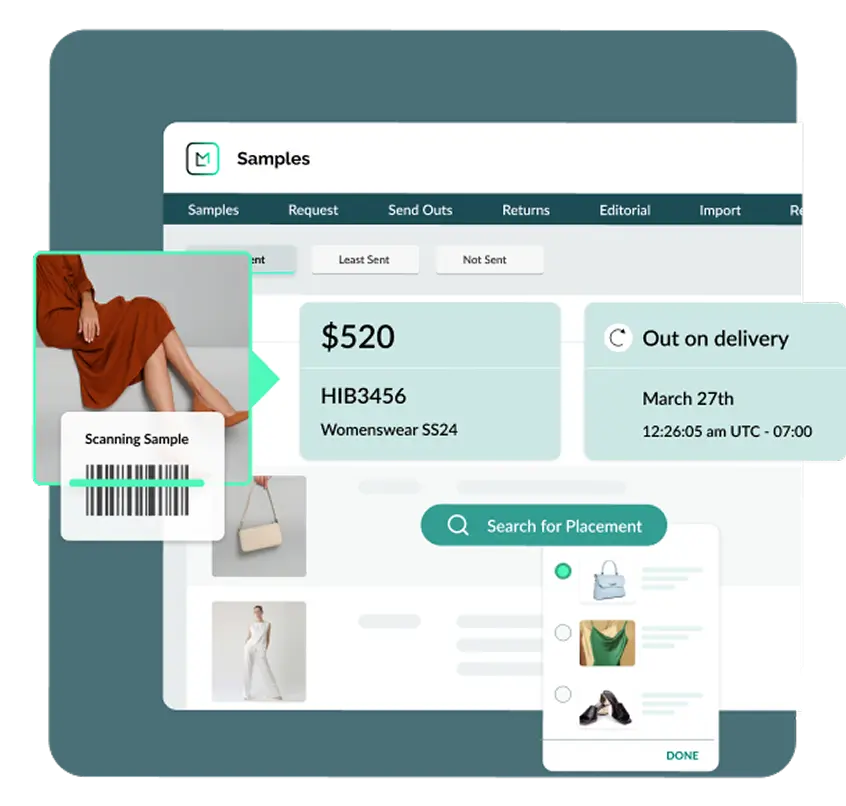
A typical use of the portfolio might start in a digital showroom. An editor browses a collection and adds items to a sample request. That request enters Samples, where the brand checks availability and organizes the loan. Launchmetrics demonstrates this Galleries-to-Samples connection publicly. It is a digital request for a physical thing, with fewer messages between the two.
Events handles invitations, RSVPs, guest lists and seating. Contacts centralizes relationships and email activity. Samples supports barcode and RFID workflows. These tools sit beside analytics, China-focused capabilities and the visual-content services sold through Spotlight, formerly IMAXtree. The business sells subscriptions and enterprise packages, alongside reporting, production and content licensing.
Five competitors · one country or region
Advertised on October 1, 2026. Confirm scope and contract terms before purchasing.The public pricing page lists Starter from €780 per month, with five competitors and one country or region under its metrics offering. Twelve months at that advertised starting rate is €9,360 by simple arithmetic. Pro and Premium are priced on request; Ultimate is custom. A buyer should match the package to the actual number of teams, markets and workflows involved.
There are alternatives. Meltwater covers broad media intelligence, PR and influencer workflows. Traackr focuses on creator marketing and has a substantial beauty proposition. Launchmetrics’ distinctive combination is its industry-specific measurement framework alongside fashion’s physical operations. That is a positioning judgment based on the product portfolios, rather than a claim that no rival connects marketing tools.
The economics depend on the job. A team circulating many samples across offices and producing recurring competitive reports has several reasons to consider the suite. A small brand with few loans and little media activity may have much less to gain. And any team seeking direct purchase attribution must still connect exposure analysis to its commercial data. A common media unit cannot answer every marketing question.
Buying the missing pieces
Some of the portfolio was assembled by acquisition. Visual Box and Style Coalition arrived in 2017; IMAXtree in 2019; PARKLU in 2020; and rival monitoring business DMR in 2022. Together, those acquisitions expanded monitoring, influencer analytics and visual content. The pattern is more revealing than the list: Launchmetrics kept adding adjacent jobs and specialist data.
A $50 million financing round in September 2018 supported its expansion. Bpifrance led, joined by Seventure, Cipio Partners and Famille C, the Courtin-Clarins family investment vehicle. The announcement forecast growth and targeted acquisitions. That forecast was an ambition at the time, and should be read as such.
Then the buyer became the bought. Lectra’s financial filing records $83.2 million for the initial 50.2% stake, completed in January 2024. A further $23.8 million purchase in June 2025 took its holding to 63.2%. The same filings put full-year 2024 pro forma Launchmetrics revenue at €43.7 million. Acquisition payments purchased shares; they were not subscription revenue or a new venture round.
Lectra’s connection to fashion production makes the fit understandable: its portfolio now stretches further into how brands present and measure themselves. Industry relationships also matter. Launchmetrics helped the French fashion federation digitize Haute Couture Week and Paris Fashion Week Men’s in 2020, and collaborated with Italy’s fashion chamber on Milan media-impact analysis. It works close to the industry calendar, not merely around its edges.
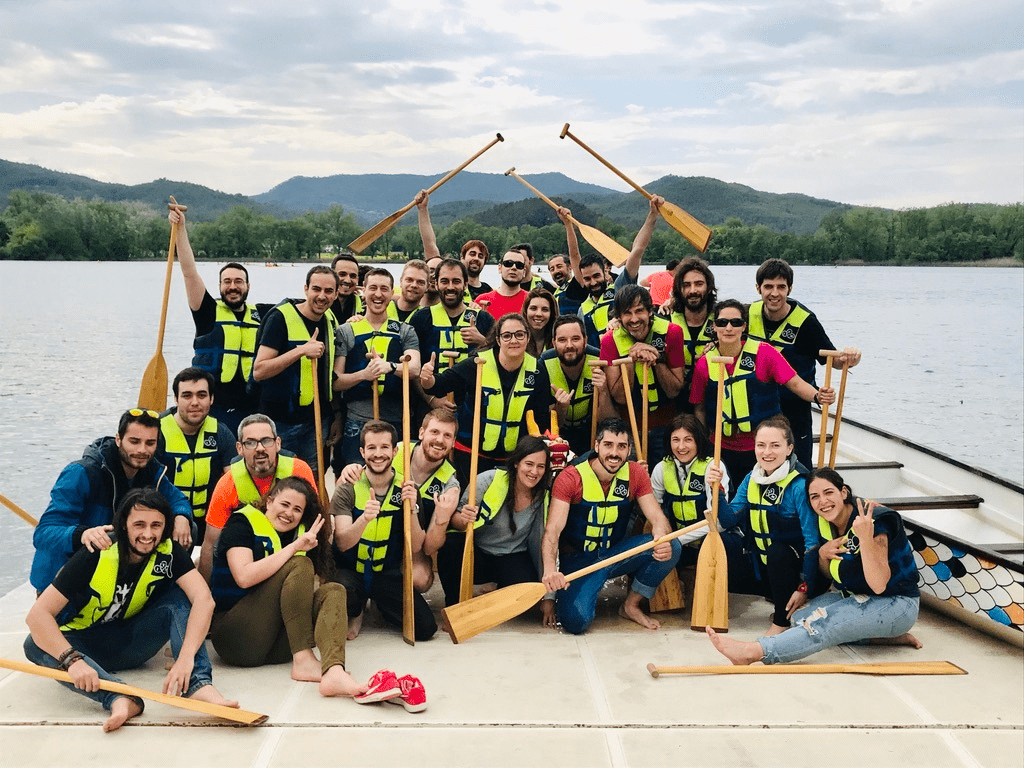
The careers site describes a culture of autonomy, expertise and teamwork. Those are employer statements, not a verdict on every employee’s experience. They do fit the work’s mix of disciplines: software teams, analysts and industry specialists must understand both the record on the screen and the deadline outside it.
The next front row is an AI answer
In June 2026, Launchmetrics marked ten years since the merger. Its anniversary announcement emphasized a move toward deeper qualitative intelligence. The current AI Brand Visibility Tracking product shows where that direction leads: weekly monitoring of how brands appear in ChatGPT, Claude, Gemini and Perplexity, with competitive rankings, narratives and event comparisons.
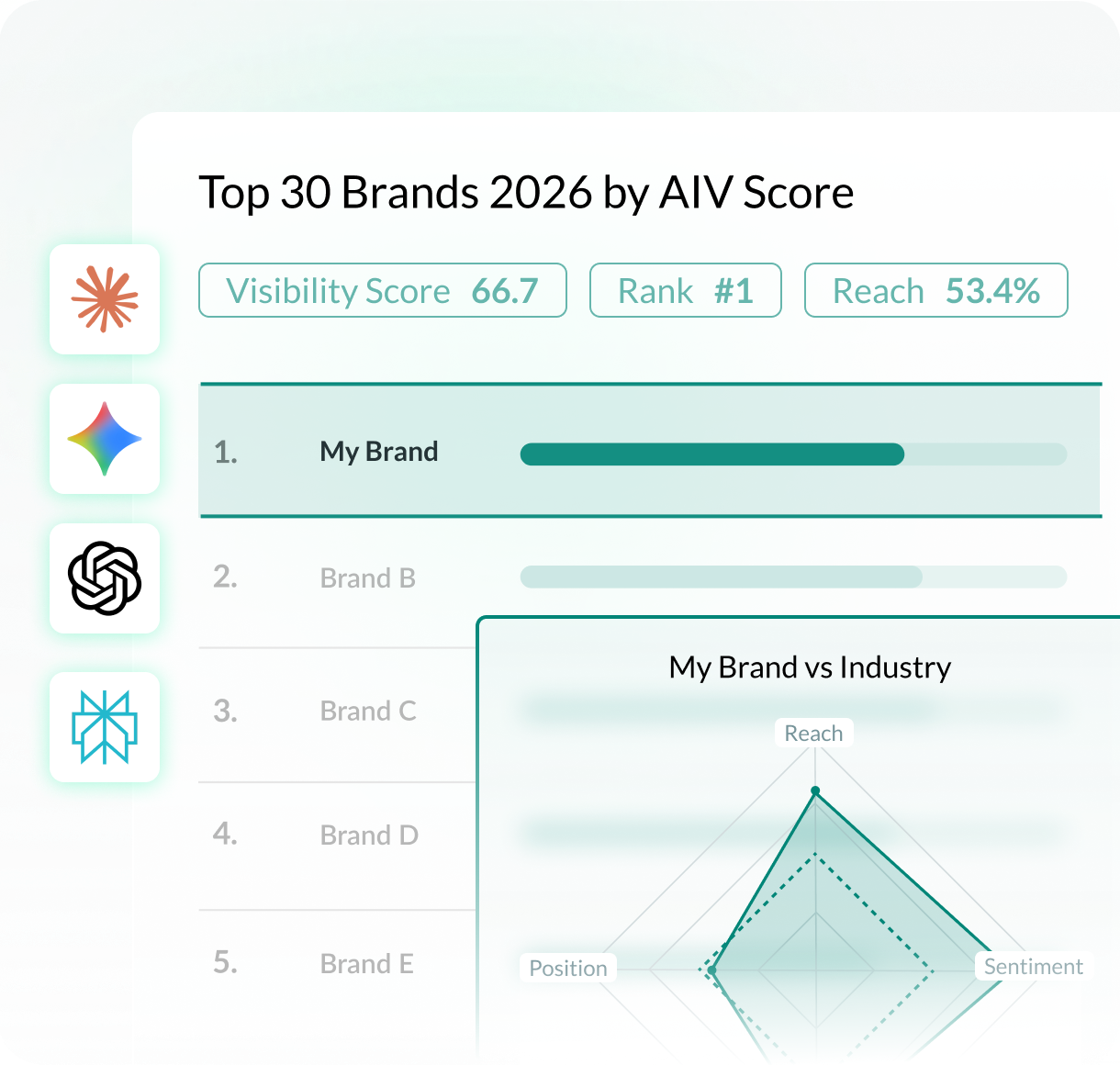
That extends the company’s question from who mentions a brand to how a machine presents it. The product promises a way to inspect visibility and the sources associated with it. Whether a recommendation leads to a sale remains a separate question. The useful continuity is that the company follows attention as the places that distribute it change.
For another founder, the copyable lesson is modest and demanding. Start with a recurring task that insiders already perform badly. Make the record reliable. Then connect that record to a decision the customer cares about. Launchmetrics’ origin suggests why this can work: the first product gave people a reason to use it before the larger theory of brand performance was in place.
For a marketing buyer, begin just as concretely. Count missing samples, late returns and reporting hours. Decide which comparisons would change next season’s spending. A dress needs to reach the right person on time. The report needs to reach the right conclusion. Launchmetrics has built its business in the space between those two obligations.
Open the cupboard
Explore the Samples product, sample-management demo, industry reports and tenth-anniversary news. Watch more on Launchmetrics’ YouTube channel.