chief-marketing-officer
(884)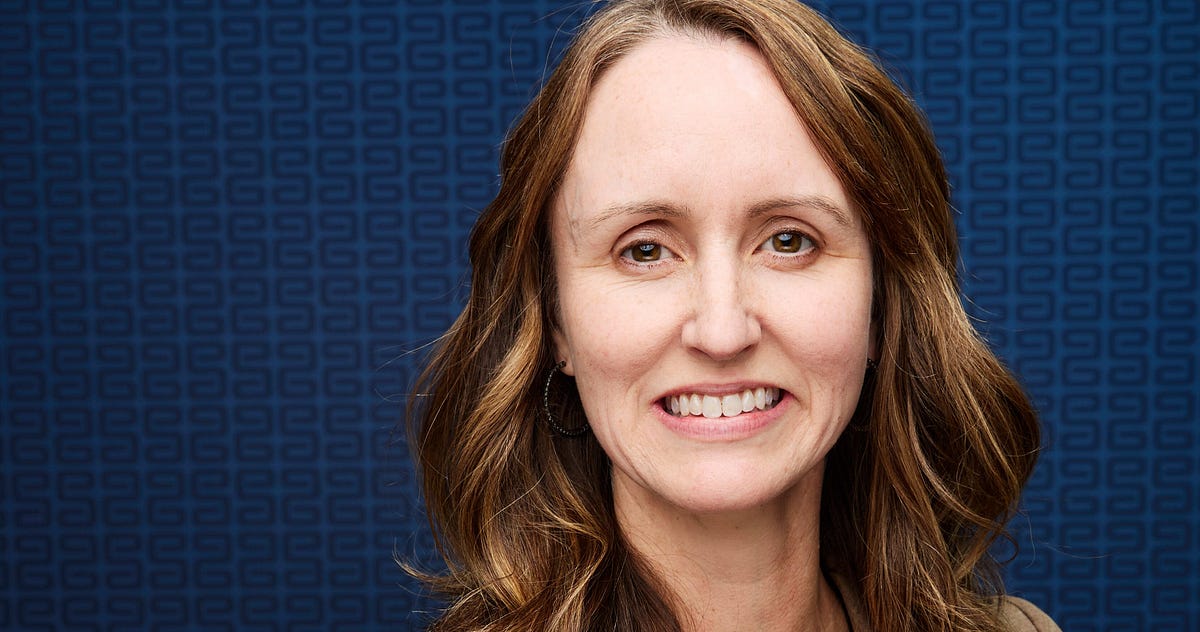
Kerrie Jordan Learned Software by Listening to the People Who Use It
An artist's daughter and an engineer's daughter learned to translate factory-floor problems into stories. Now she is carrying that habit from Epicor's product roadmap to its global brand.
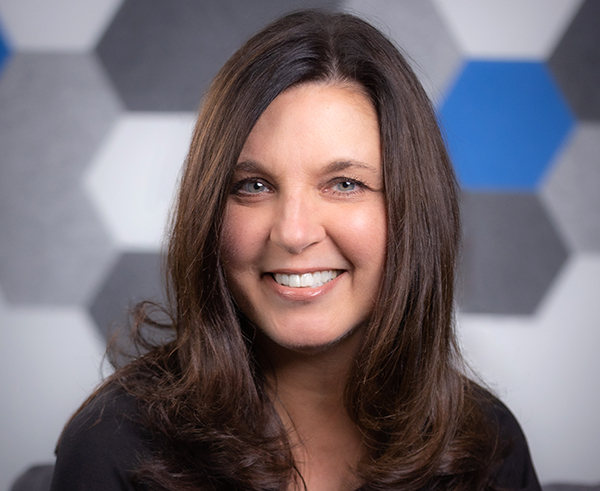
Kim Warnica Makes Complicated Mortgages Legible
After years moving between consumer brands, mortgage lenders and a return engagement at Qualigence, Kim Warnica now has a particularly exacting assignment: explain a cloud-native servicing platform to an industry where clarity carries consequences.

Pollyanna Ma Makes Complicated Companies Easier to Understand
With a law degree, a classics education and a career spanning toys, beauty tech, insurance and workforce software, SnapCare’s chief marketing officer has made a specialty of translating complexity.

Trina Moitra Bet Her Career on the Marketing You Cannot Scale
She went from an engineering degree and $10-an-hour writing jobs to Convert’s C-suite. Her durable advantage is deliberately inefficient: useful work, close relationships, and the patience to let trust compound.
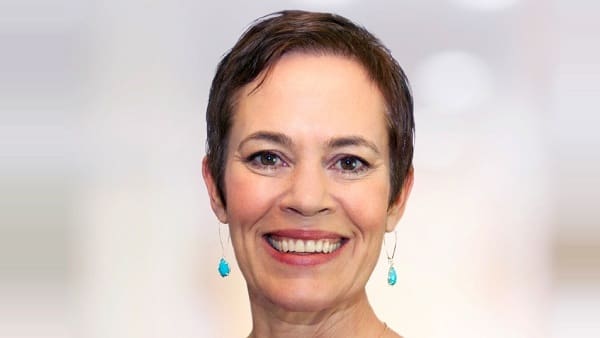
Allison Dancy Makes Complex Markets Easier to Enter
She began in sales, once imagined a life in anthropology, and built a career teaching complicated software companies to speak like their buyers. At Red Oak, that translation job now sits at the meeting point of marketing, finance and compliance.

Stephanie Weagle Makes Cybersecurity Speak Human
Liongard's chief marketing officer built her career by listening closely, translating technical complexity, and rolling up her sleeves. Now she is helping a small team carry asset intelligence into a crowded cybersecurity market.

Meg Powell Is Making the Invisible Infrastructure of Conversation Matter
After moving through agency work, lottery technology, customer intelligence and digital health, Meg Powell arrived at Bandwidth and rebuilt marketing around a deceptively simple idea: the pipes beneath a conversation shape the experience above them.
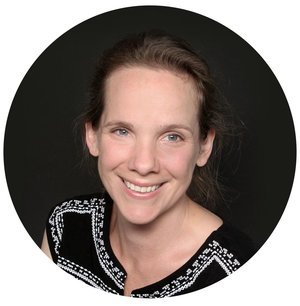
Maura Ginty Learned the Web by Writing It - Now She Markets for Two Audiences
She began as an online editor who had to code her own pages. Three decades later, Maven Clinic's CMO is still doing the same essential job: making complicated systems legible to humans, while insisting that every fashionable metric earn its keep.

Courtney Rains Makes Insurance Software Sound Human
At Applied Systems, Courtney Rains has spent more than a decade translating the machinery of insurance into a language of connection, confidence and growth.

Katherine Calvert’s Job Is to Make PagerDuty Mean More Than a 3 A.M. Alarm
The English major who named Khoros now runs brand, demand and commercial growth at PagerDuty - turning a famous engineering alert into a broader promise about how companies recover, learn and keep moving.
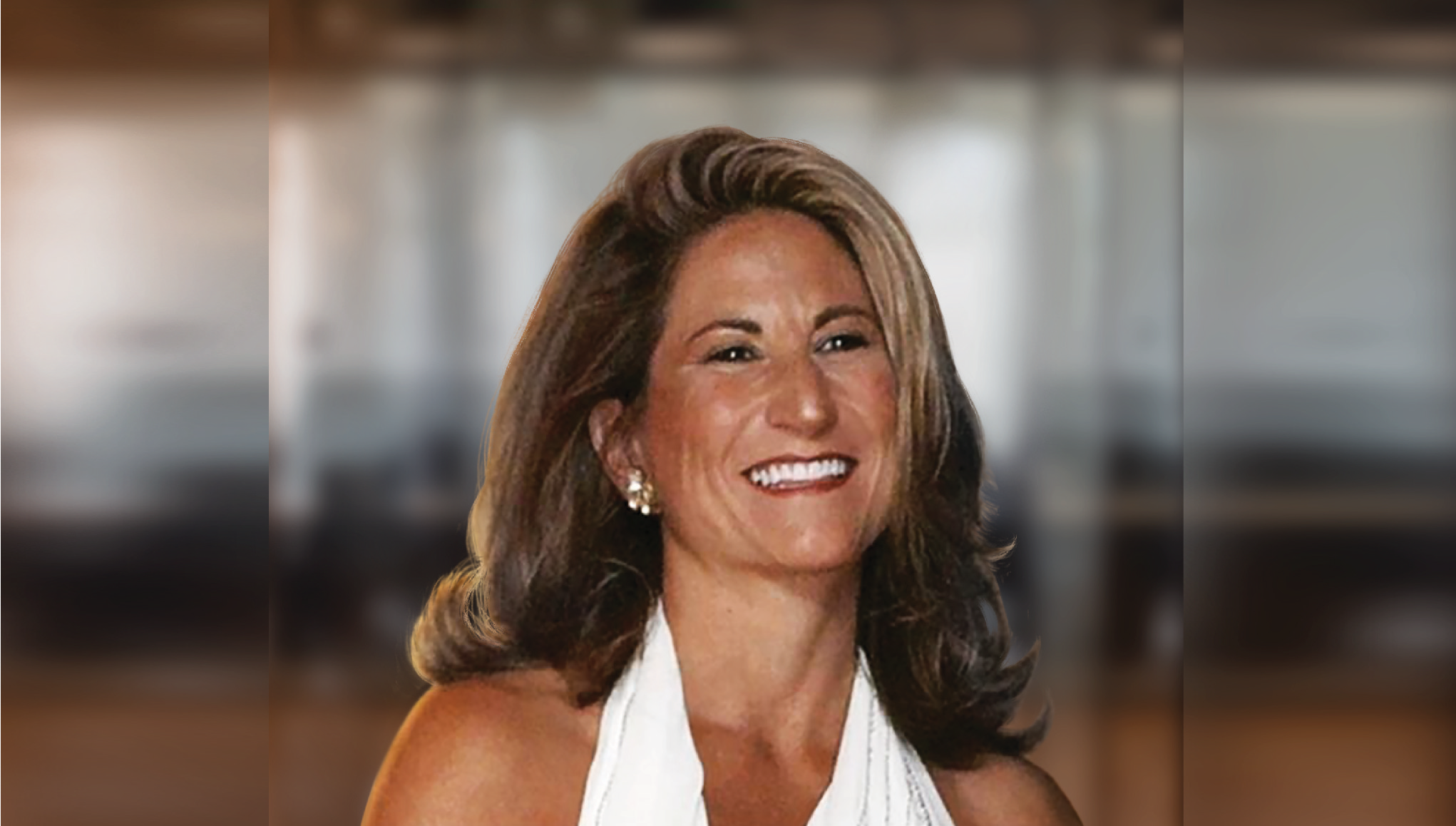
Hope Frank Has Spent a Career Giving Tomorrow a Name
Before enterprise AI needed rules, Hope Frank was already asking who gets to act for a brand. Her route to Wand AI runs through Wi-Fi, HDTV, virtual worlds, identity governance, and one stubborn belief: emerging technology matters only when people can understand what it is for.
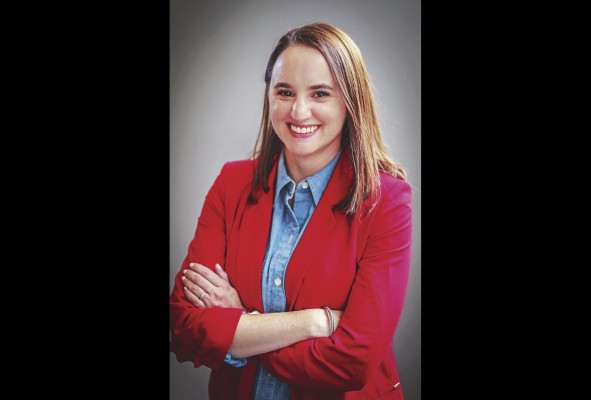
Maria Lobato Turns Cybersecurity Into a Language People Can Act On
At Lumu, Maria Lobato has made a career of translating invisible threats into clear choices. Her route from corporate communications to the C-suite explains why her favorite cybersecurity tool may be a well-chosen word.

Heather Valteris Builds Brands for the Hard-to-Explain
After building marketing systems across banks, software, and 19 international markets, Heather Valteris took on a product few people notice until it fails: the machinery of healthcare payments.

Lindsey Paschal Learned to Market Complexity - Then Took On the Energy Grid
After two decades spent turning specialist software into clear commercial stories, the former teacher and SaaS growth leader has arrived at Energy Exemplar - where the product models systems measured in seconds, decades and continents.

Bryan Urioste Keeps Marketing’s Wild Ideas on a Short Financial Leash
The Redwood Software CMO has spent three decades joining creative nerve to commercial proof - from an irreverent SXSW campaign to a Thursday ritual built around the pipeline.
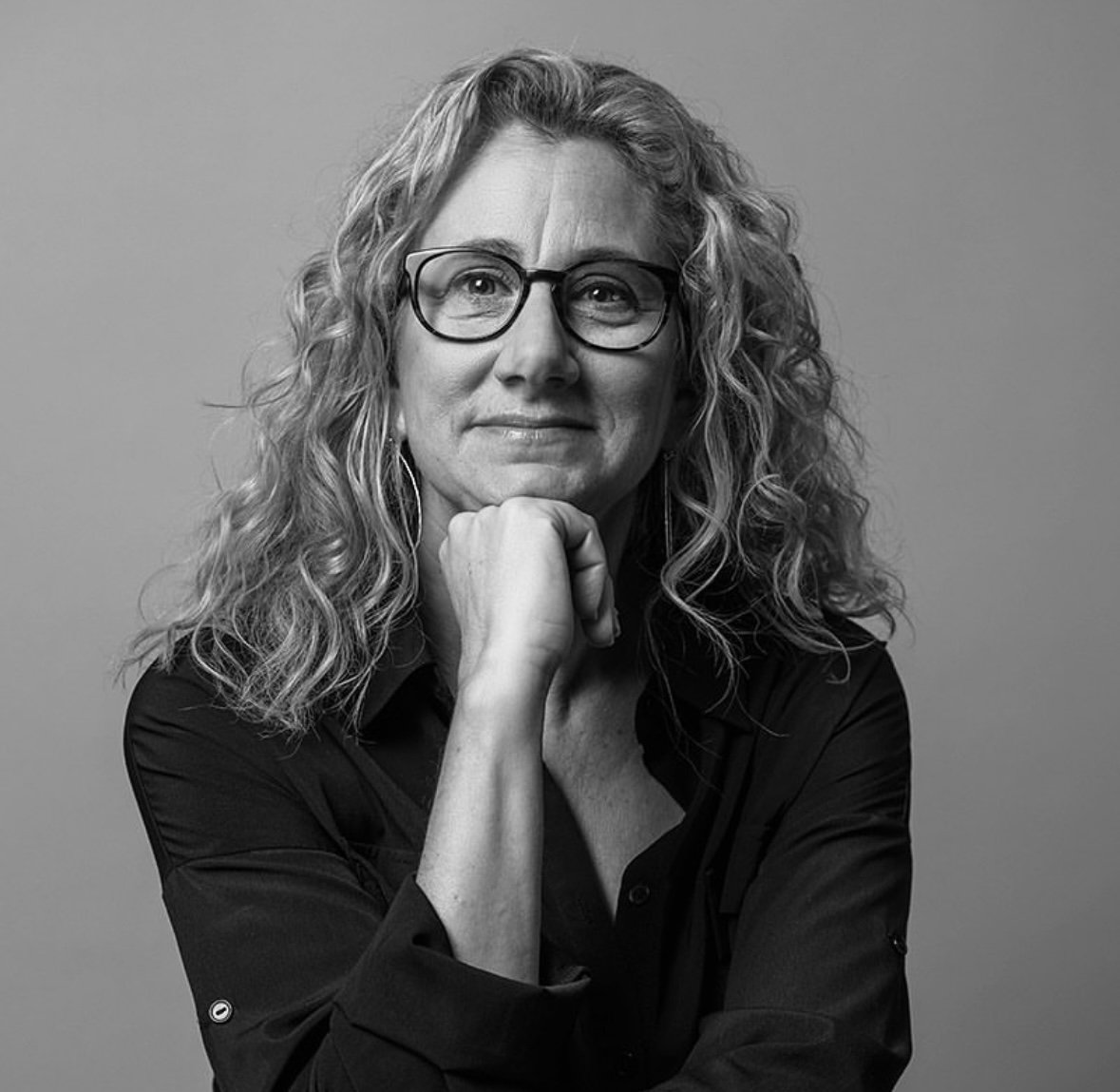
Jill Adams Makes Complicated Software Companies Easier to Understand
After three decades in B2B technology, the HeroDevs CMO has reduced her operating philosophy to a clean test: keep what works, remove what does not, and never lose the people inside the system.

Ryan Medine Took the Side Door Into Marketing - Then Learned to Open It for Brands
Before he marketed AI-assisted hiring, Ryan Medine balanced budgets, mixed records and sold toys. The unlikely route became his advantage: he learned to make complicated products feel clear, useful and human.

Scott Gainey Learned the Product First. Then He Learned to Tell Its Story.
Before Scott Gainey sold markets on security, he learned to read code, handle escalations and listen to engineers. That technical apprenticeship still shapes the way Checkmarx's CMO thinks about customers, categories and the unruly arrival of AI-generated software.

Krista Woolley Makes Complicated Companies Easier to Understand
From freight rail to employee benefits, the Dallas-Fort Worth marketing executive has built a career on a practical skill: translating complicated systems into language people can use.
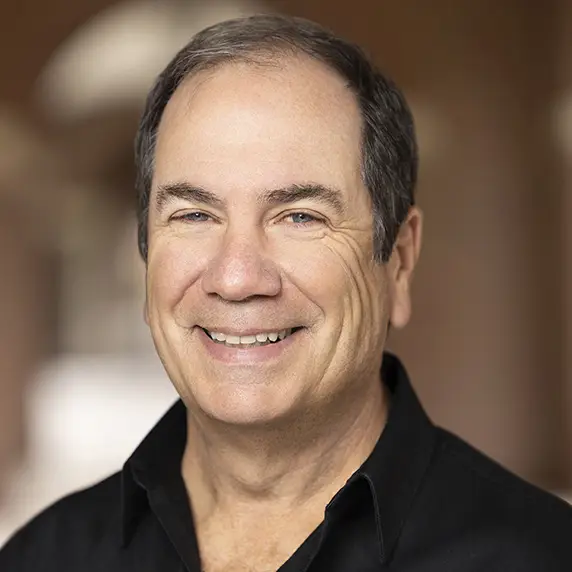
The Other Half of RentRedi’s Founding Story Began on a Basketball Court
Before RentRedi managed billions in rental assets, Ed Barone was talking product strategy with his son between jump shots. A decade later, the finance-trained marketer remains the company’s commercial counterweight - and the keeper of its human scale.

Amede Hungerford Makes Complicated Software Easier to Choose
An electrical engineer by training, BriteCore's CMO has spent more than three decades turning integration, automation, personalization and insurance software into stories buyers can act on.
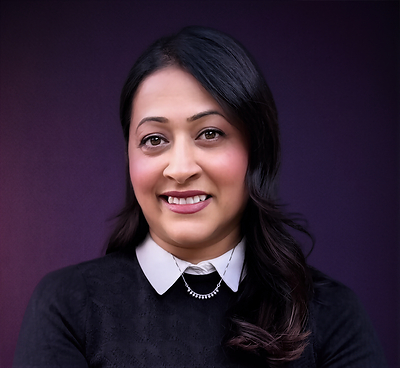
Shanta Kohli Built Her Career Sideways - and Arrived Ready
The WEKA chief marketing officer did not climb neatly. She collected disciplines, took a smaller title on purpose, protected family dinner, and turned a career jungle gym into an operating system for leadership.

Lynn Tornabene Puts Marketing in the Product Room
After two decades inside digital advertising's pivotal companies, Lynn Tornabene is joining two jobs that businesses often keep apart - and turning the customer feedback loop into the work itself.
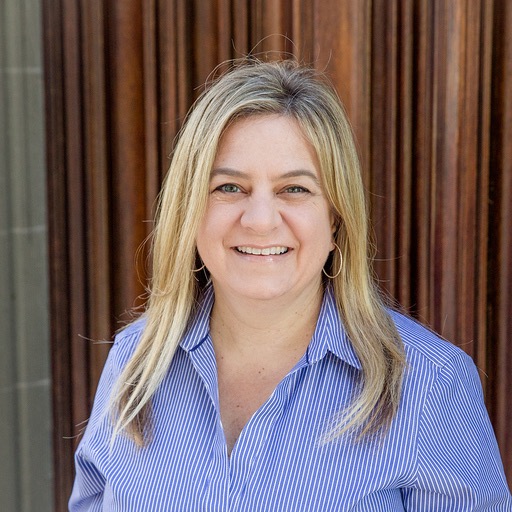
Michele Pilgrim Brings an Engineer’s Eye to Marketing the Cloud
After years marketing virtualization, analytics and data platforms, Michele Pilgrim has arrived at Pulumi with a thesis that feels unusually personal: cloud infrastructure should be treated like software, and explained with the same precision.
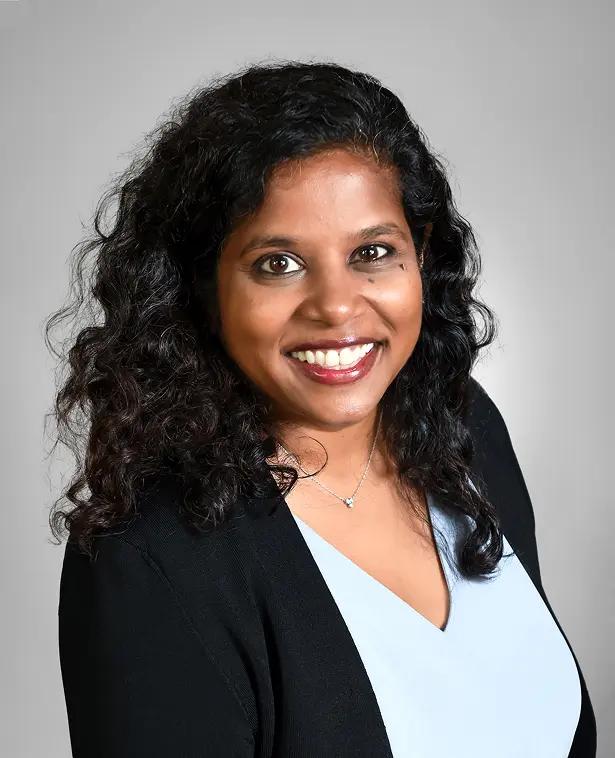
Mini Peiris Has Spent 25 Years Making Complicated Software Sound Human
From an early cloud pioneer to workforce AI, the five-time CMO has built a career by crossing functions, changing categories, and remembering the person on the other side of the purchase order.

Michael Hopkins Knows Every Brand Promise Eventually Meets a Real Person
The VINCUE chief marketing officer has spent his career moving between software systems and human experiences. His useful obsession is making sure the promise survives the handoff.
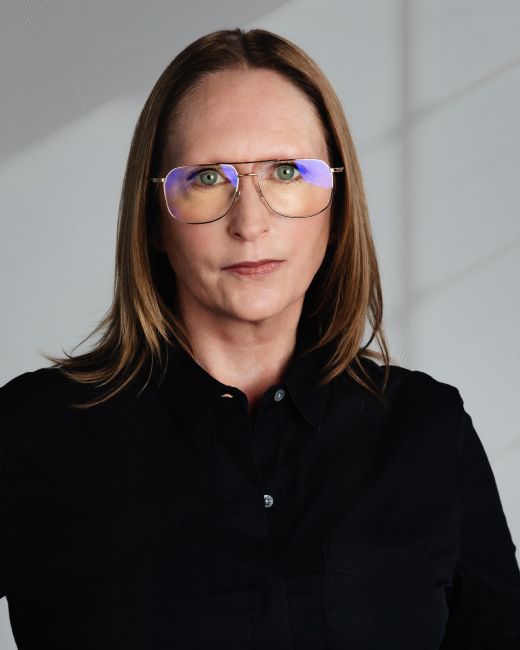
Lisa Horner Makes Marketing Feel Like a Service
From a philosophy degree and a decade in customer care to AppFolio's C-suite, Horner has built a career around one durable idea: good marketing begins by being useful.

Paul Eschen Is Betting Workplace Learning on Practice, Not More Content
The BizLibrary CMO has spent his career learning how attention becomes action. His current argument is pointed: in an age of abundant AI-generated information, the scarce ingredient is a safe place to practice.

Christie Marsh Turned the Partner Playbook Into a Community Strategy
After two decades building alliances across enterprise software, Christie Marsh took the CMO seat at Copado. Her wager is simple: the future of technical marketing will be built in rooms where partners, practitioners and product teams can actually talk to one another.

Mohammed Ali Has Spent 26 Years Making Complicated Products Easier to Want
From enterprise computing to photographers' portfolios and photoreal 3D, Mohammed Ali has built a career around a deceptively difficult brief: make sophisticated software feel clear, useful and ready for market.