In June 2014, readers of the Brazilian advertising publication Meio & Mensagem were invited to settle a question: which World Cup commercial deserved to win? They voted through Winnin, a platform that put videos into digital battles. Nike’s animated football film finished first. The contest recorded 13,498 votes. Here was advertising stripped of its solemnity: people choosing what they liked, while the industry watched.
- Winnin studies social-video behavior to help brands understand audiences and cultural interests.
- Its customers include Coca-Cola, Netflix, Google and Unilever.
- Share of Attention benchmarks brands; ZAI helps teams question the data.
That little tournament offers a useful way into the company. A marketer can buy distribution, commission research and prepare an immaculate presentation. The audience still has a vote. Increasingly, it casts that vote by watching something else. Winnin’s business has evolved considerably since those battles, but the underlying question has survived: what does attention reveal about the people giving it?
The method needed to escape the room
Co-founder Gian Martinez had worked in creativity and innovation at Coca-Cola. In a 2025 interview, he described a discovery from that period: “cultural relevance isn’t luck, it’s a methodology.” The difficulty was making that methodology travel. He said the approach could not scale beyond his own team. A good creative instinct becomes a troublesome business asset when it needs its original owner in every meeting.
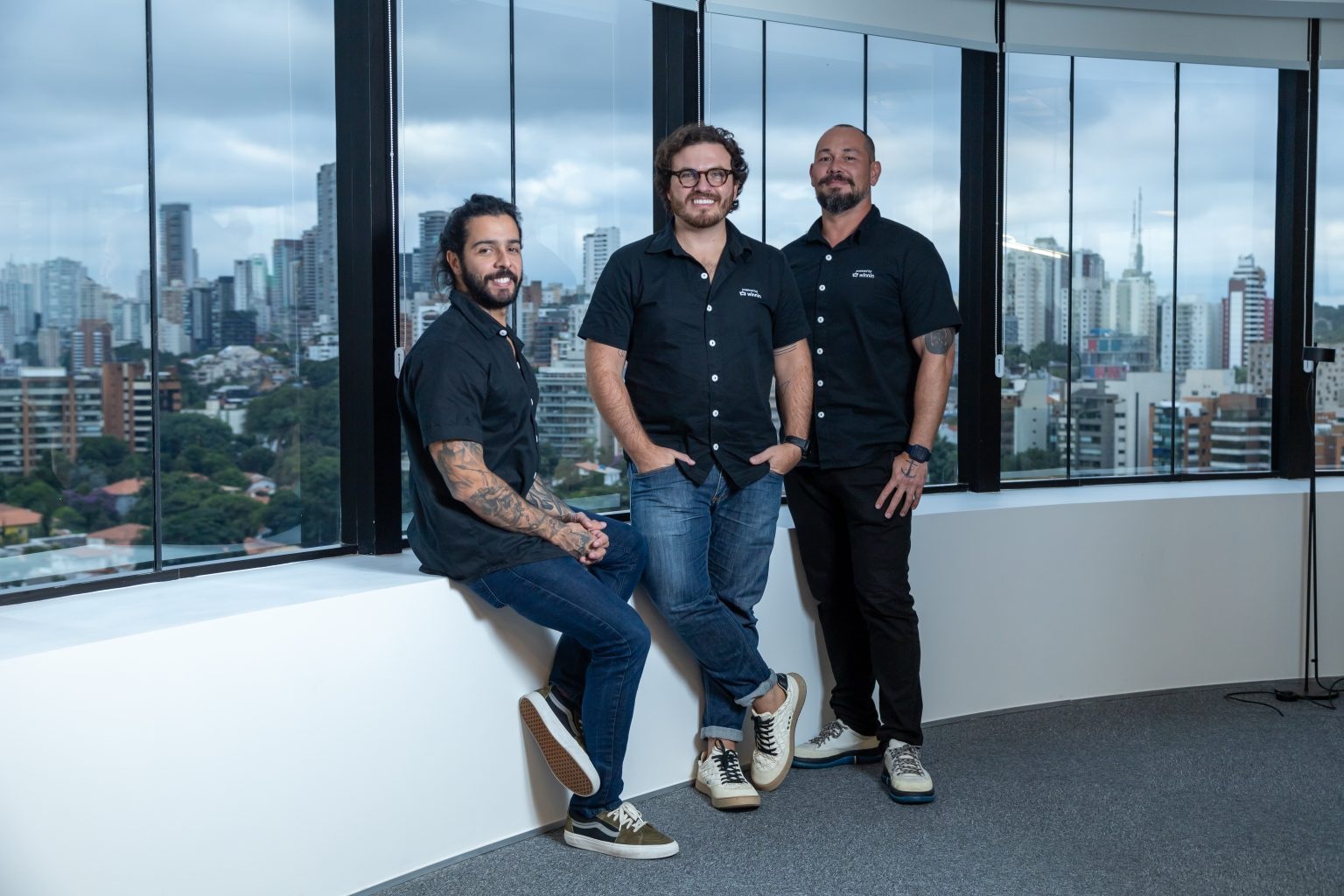
Martinez co-founded Winnin with Erich Oliveira and Carlos Camolese. Coca-Cola’s Founders program backed its early development; by November 2024, the beverage company was a customer rather than a shareholder. The enterprise platform took five years to develop, according to reporting that year. This was a long apprenticeship in turning a question into software.
Today, Winnin Intelligence organizes social-video information around audiences, topics, creators and brands. Its raw material includes public signals such as views, likes and comments. The company’s expertise lies in interpreting those signals across platforms and markets. Someone interested in football may also reveal an interest in food, comedy or fitness. For a brand planner, those overlapping interests can be more useful than another broad demographic label.
Applause and a public roasting look alike
The central measurement problem is almost comic. A video celebrated by customers and a video documenting a brand’s embarrassment can both generate enormous engagement. Counting the crowd leaves out why it assembled. Winnin’s 2025 product recap describes a change to Share of Attention that filters for positive attention, alongside sentiment analysis intended to distinguish approval from crisis.
Share of Attention estimates a brand’s portion of attention within a category and country. The company says it incorporates engagement, sentiment, content type and platform weighting. Its current FAQ lists YouTube, TikTok, Instagram, Facebook and Twitch, with the attention metric updated weekly. The category and country matter: attention to a beauty brand in one market is a different contest from attention to a bank in another.
A marketing team could use that view to compare its own content with videos made by customers, investigate a community or identify creators worth considering. ZAI, Winnin’s conversational AI, lets users ask questions about culture and brand strategy. Its legal terms describe proprietary technology combined with partner language models, with traceable material behind answers. An API brings the intelligence into other company workflows.
The current product range pushes further into business planning. Demand Intelligence looks for emerging behaviors and unmet needs, while Brand Intelligence and Territory Intelligence frame questions about fit and communities. These are different uses of the same underlying observation: people leave clues about their interests in the content they engage with. A planner might start with a sponsorship question and end with a product hypothesis. The attraction is the possibility of connecting those conversations, rather than commissioning a separate piece of research for each department.
That places Winnin between social analytics and strategic research. Its distinction is the emphasis on video behavior and cultural context. The company also describes its software as a layer that can complement existing tools. A listening dashboard, a sales report and a cultural analysis answer different questions; a sensible strategist may want all three.
The audience still has a vote.
The premise behind the platform
The bill goes to the brand
Winnin sells monthly software subscriptions, with prices varying by plan and features. The commercial audience is enterprise marketing and strategy teams, alongside agencies. In July 2024, reporting counted 76 clients. That same month, Martinez said 40% of platform revenue came from accounts outside Brazil. The business had already found international buyers before its announced expansion push.
A July 2024 Series A led by Kaszek and Alexia Ventures financed product development and international growth, especially in the United States. Later that year, AWS selected Winnin for its 80-company generative AI accelerator. Reported support included $200,000 in cloud credits. Those credits matter to a company processing video data, but they are computing resources, not cash raised from investors.
Does the attention reach the till?
In April 2026, Winnin and marketing-mix modeling company Uncover examined the relationship between attention and media returns in Brazil. The work covered 24 months, six categories and 15 models. Winnin’s published account reported twice the median media ROI for the group with Share of Attention above 10%, compared with the lower-attention group.
The qualification belongs beside the result. The study explicitly describes a relationship rather than isolated causality; category, brand and marketing mix may also influence the outcome. It provides a reason to investigate attention alongside commercial performance. It does not turn a score into a sales guarantee. The cash register has never been obliged to agree with the dashboard.
Copy the question before buying the answer
The useful habit is available without buying software. Choose one market and one audience. Examine what people repeatedly watch and share. Compare brand-made videos with customer-made ones. Look for a recurring interest your brand can credibly address, then write a brief around that hypothesis. Test the resulting work against both attention and business outcomes.
This approach needs relevant behavior to observe and people willing to question their interpretation. Quiet audiences, activity outside the covered platforms or attention with little purchase intent can weaken the connection. Winnin supplies evidence for a decision; the decision still needs judgment. Its most interesting proposition is that the next brief might begin with an audience’s choices, before the brand has decided what it wants to say.