A festival has a peculiar problem. For two days, it is the center of the universe. Then the stages come down, the wristbands migrate to dresser drawers, and the social feed begins the long wait for next year’s lineup poster. The normal marketing response is to shout louder as the next on-sale date approaches. We Thrive Media, an Atlanta agency founded by Noelle Jones Aladesuyi, chose a more sociable answer: keep the reunion going.
For ONE Musicfest’s 2025 season, the agency treated the event’s accounts as a cultural media channel that happened to sell festival tickets. From April through November, it mixed practical guidance, Atlanta pride, artist moments, fan participation and fast-turn video. The organizing image was not a funnel diagram. It was the family cookout - specifically, the online equivalent of a warm hug from a favorite auntie. That sounds like copywriting whimsy until one notices what it changed. A feed that merely announced became a place that listened, answered and remembered.
The first thing to break was the calendar
Seasonal promotion assumes attention can be switched on. We Thrive’s strategy assumed attention must be kept warm. The team built recurring themes such as “The South Got Something to Say,” “One of One” and “Who All Gon’ Be There?” Interactive formats invited people to rank artists, guess the lineup and argue pleasantly in the comments. One such post drew 188,200 views and 520 comments. The audience was rehearsing participation before it reached the gates.
The team also made an unfashionable discovery: usefulness travels. Community managers answered questions in real time. FAQs became content. Service posts reduced the small anxieties that sit between enthusiasm and a ticket purchase. Hype content created demand; planning information removed friction; clear calls to action captured intent. On Facebook, where links behave more naturally, the team leaned into click-driving posts. This was not one giant creative bet. It was an ecosystem of small, coordinated jobs.
Seven videos joined the Milli Club
During festival weekend, the production machine became faster. The team watched for peak engagement windows, familiar sounds, fan-made material and moments likely to earn a second viewing. It cut for the platform rather than merely cropping a polished master video. Seven clips each passed one million views, totaling 13.7 million views and counting. The nickname “Milli Club” makes the result sound breezy. The work was not. Real-time publishing requires people who can recognize a moment, edit it, clear it and release it while the moment still belongs to the present tense.
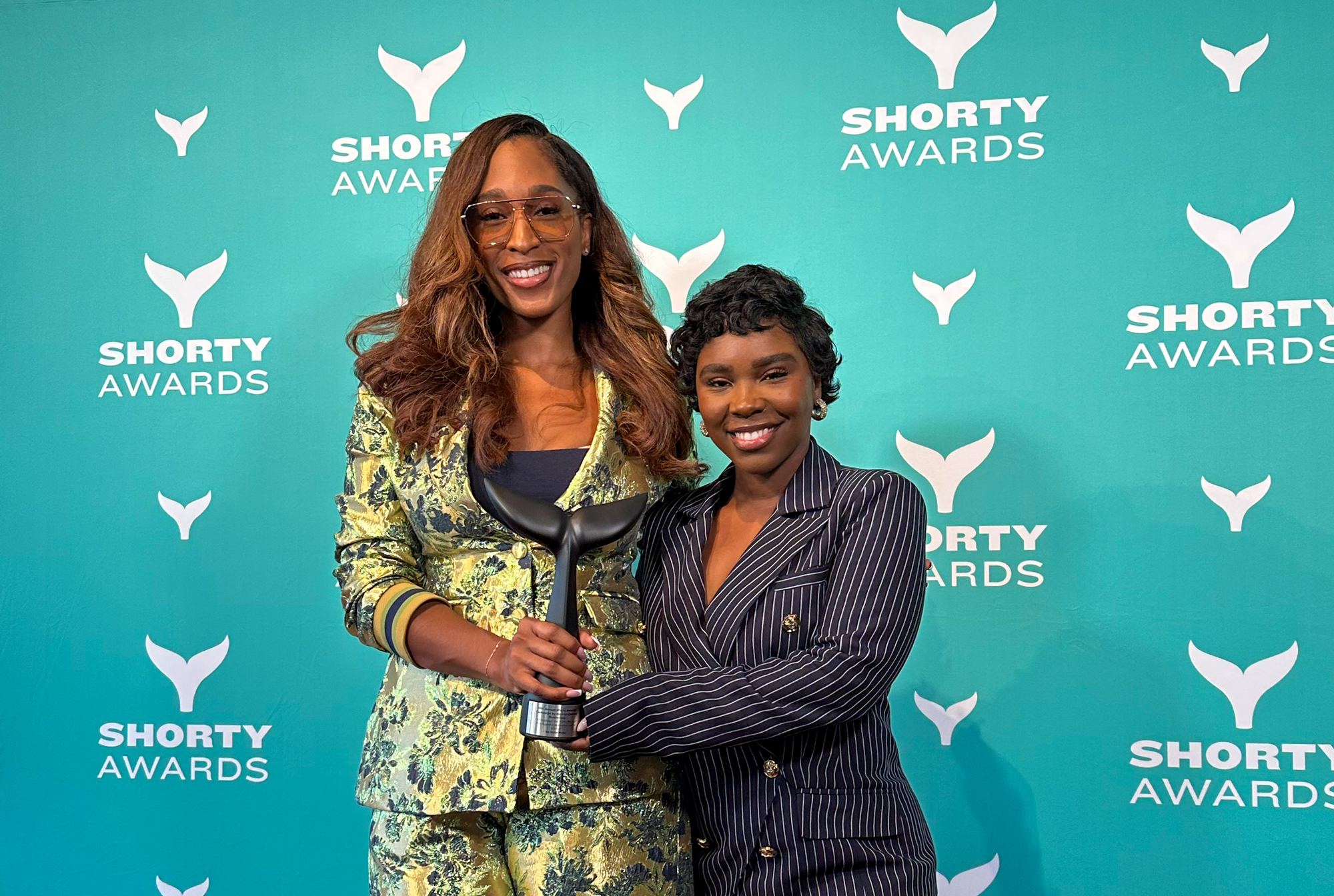
The campaign beat its 50 percent growth targets across reach, engagement and views. It built a community of 548,100, up 71 percent year over year. Positive sentiment remained dominant, in line with the campaign’s 90 percent objective. Viral moments spilled beyond the festival’s channels into coverage and reposting across entertainment media. The Shorty Awards named the work its winner for Campaign by a Diverse-Owned Business in 2026.
The useful distinction is between a viral post and a viral system. A post can be an accident. A system has themes, responsibilities, response rules, editing habits and conversion windows. It gives luck somewhere to land.
The six-month question
The agency itself began as a similar exercise in sustained attention. Aladesuyi built We Thrive on nights and weekends while working as a public relations manager. In 2020, she and her business partner landed their largest client to date, a statewide civic-engagement organization working on voting access and equity during a consequential election year. At the same time, the Black Lives Matter movement had pushed companies to decide whether their public values meant anything in practice.
The work grew until spare capacity failed first. Aladesuyi asked what would happen if the business received her full day instead of the hours left over from someone else’s. She quit, carrying roughly six months of savings and no immaculate roadmap. The company was funded with her salary, then with revenue recycled back into operations: earn, reinvest, build, repeat. Low overhead helped. There was no inventory, factory or early office lease, just people, software and execution.
That is the closest public answer to “what did it cost?” There is no disclosed startup figure. There was a six-month personal runway, foregone salary and years of reinvestment. Later, the company used credit lines, loan programs and eventually investors. Aladesuyi now says she bootstrapped longer than she needed to. Her mind changed not because bootstrapping failed, but because she learned that capital is also about timing. Discipline can build a company; carefully chosen money can keep discipline from becoming a speed limit.

An agency, plus a shelf of its methods
Today, We Thrive sells the familiar agency combination of social strategy, creative production, influencer marketing, public relations and reporting. Its client list crosses the Atlanta Falcons, Coca-Cola Florida, Boys & Girls Clubs of America, Live Nation Urban’s Roots Picnic, public-health organizations, schools and local government. That range points to its market position: smaller and closer to the work than a holding-company agency, but broad enough to run an integrated program rather than hand off every discipline.
It has also begun packaging its operating knowledge through T3, a shop for tools, templates and trainings. The public prices make the business model unusually legible. A content calendar costs $250. An event and content-production framework costs $5,000. A competitive-intelligence suite runs from $5,000 to $10,000. Custom project and retainer fees remain private.
This is a sensible second engine for a service company. A bespoke agency sells judgment by the hour, project or retainer. A framework sells some of that judgment repeatedly. It also gives a smaller team a way to buy the thinking without buying the full agency.
What is actually copyable
The viral numbers are the least copyable part. A reader can copy the sequence. First, define a social role more interesting than “promotion.” Second, build named, repeatable formats that teach the audience how to participate. Third, put community questions into the editorial loop. Fourth, separate entertainment’s job from service content’s job, while letting both point toward the same business outcome. Finally, reserve a fast approval lane for live moments. None of these steps requires celebrity access. All require clarity about who may decide.
This approach loses force when the team does not understand the community, approvals take longer than the moment, customer care sits outside the content operation, or a client wants the appearance of cultural fluency without sharing decision-making power. Proximity is useful only when it carries authority.
That last condition explains We Thrive’s difference better than the phrase “full service.” The agency describes itself as millennial-led and Gen Z-powered because its strategists are not studying the intended audience through the glass. They are in the group chats, at the events and inside the references. The point is not that age automatically produces good judgment. It is that observation gets sharper when the observer has something at stake.
A festival feed will never truly be a family reunion. It cannot pass a plate, save a seat or tell the same story for the ninth time. But it can borrow the reunion’s social architecture: recognition, participation, useful information and a reason to return. We Thrive Media’s campaign worked because it understood that people rarely join communities to be converted. They convert after they have found a community worth joining.