black-owned-business
(12)
The Festival Feed That Learned to Behave Like a Family Reunion
We Thrive Media stopped treating a festival feed like a billboard and started treating it like a place people belonged. Seven million-view videos and a Shorty Award later, the useful lesson is not “go viral” - it is how to earn attention before asking for action.

The Empty Office That Taught Sanders\Wingo How to Think Bigger
A risky Austin expansion lost its launch clients almost immediately. The El Paso agency answered by learning to pitch harder, research deeper, and turn cultural fluency into national work.

Eight Tickets, One Circle, and the Business of Being Remembered
Circle of One Marketing helped turn a nearly empty Miami Gardens concert into a 60,000-person ritual. Its method is less mysterious than it sounds: know the room, fix the message, and do the unglamorous work until people show up.

A Layoff Built the Agency in the Room
Stacey Wade started NIMBUS after losing an agency job. Two decades later, the Louisville shop makes national campaigns by insisting that culture belongs at the first meeting - not in the final round of edits.
The Agency That Stopped Asking People to Pick One Box
EGAMI built its reputation by seeing what big brands missed. Now the multicultural agency is betting that the next useful demographic is not a box at all, but a whole person.

JMI Built a Marketing Agency Around the Question Everyone Else Skips
The Richmond firm has spent three decades turning listening into campaigns, festivals, supplier programs and public history. Its sharpest product is not an ad. It is a better definition of the problem.
The Ad Agency That Would Rather Change a Law Than Win an Impression
The House of JOY sells culture strategy, but its most revealing product is trust - the slow, human kind that cannot be bought by the thousand. Its best work begins where an ordinary campaign brief usually ends.
The Agency That Put Culture in the Room
In 1986, Kent Matlock built an agency around a stubborn idea: culture is not a translation problem. Nearly four decades later, that idea explains the work, the clients and the unusual staying power.

The $5,000 Wedding Dress Mistake That Became Atlanta's Rental Bridal Bet
Lundyn Carter spent $5,000 altering a family wedding dress, then built the service she wished had existed. Laine London's sharper idea is not rental alone - it is treating fit as the product.
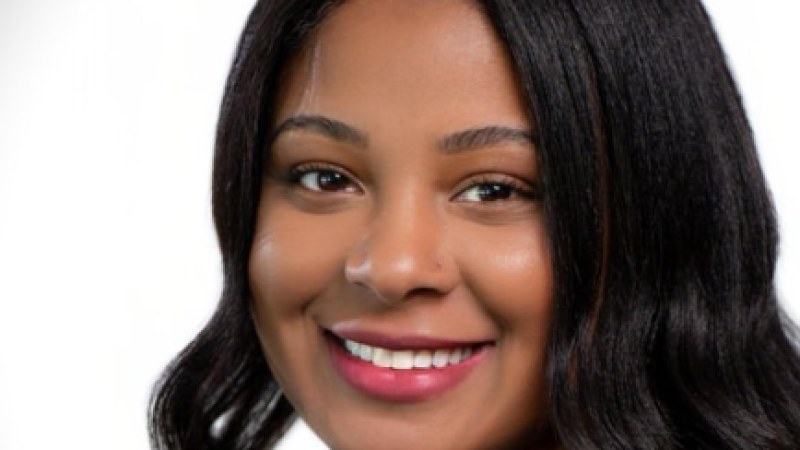
Jaqui Rice Gold
Jaqui Rice Gold is the co-founder and CEO of G.O.A.T. Fuel, a health-forward sports energy drink she launched in January 2020 with her father, NFL Hall of Famer Jerry Rice, and her husband Trevion Gold. Built as the first Black-owned energy drink to lean on cordyceps mushrooms instead of sugar and synthetic stimulants, the brand grew from a pandemic-era direct-to-consumer scramble into a nationally distributed product in tens of thousands of retail doors, with sponsorship deals spanning the Los Angeles Lakers and the WNBA's Chicago Sky.
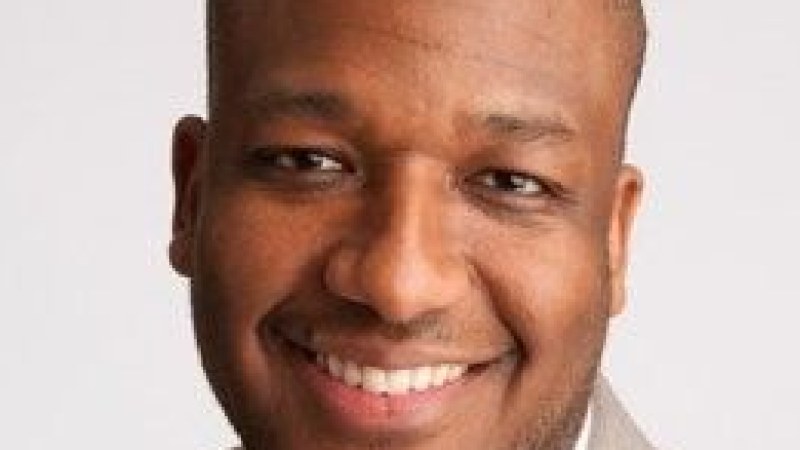
Rhys Powell
Rhys Powell is the founder and CEO of Red Rabbit, the country's premier Black-owned K-12 school food management company. A Bahamas-raised MIT computer-science graduate who traded equities on Wall Street, he walked away from finance in 2005 to fix what kids eat at school. Red Rabbit now serves roughly 40,000 chef-prepared, culturally relevant, made-from-scratch meals a day to about 20,000 students across some 150 schools in New York, New Jersey and Pennsylvania - treating the cafeteria as a tool for nutrition, dignity and social justice.
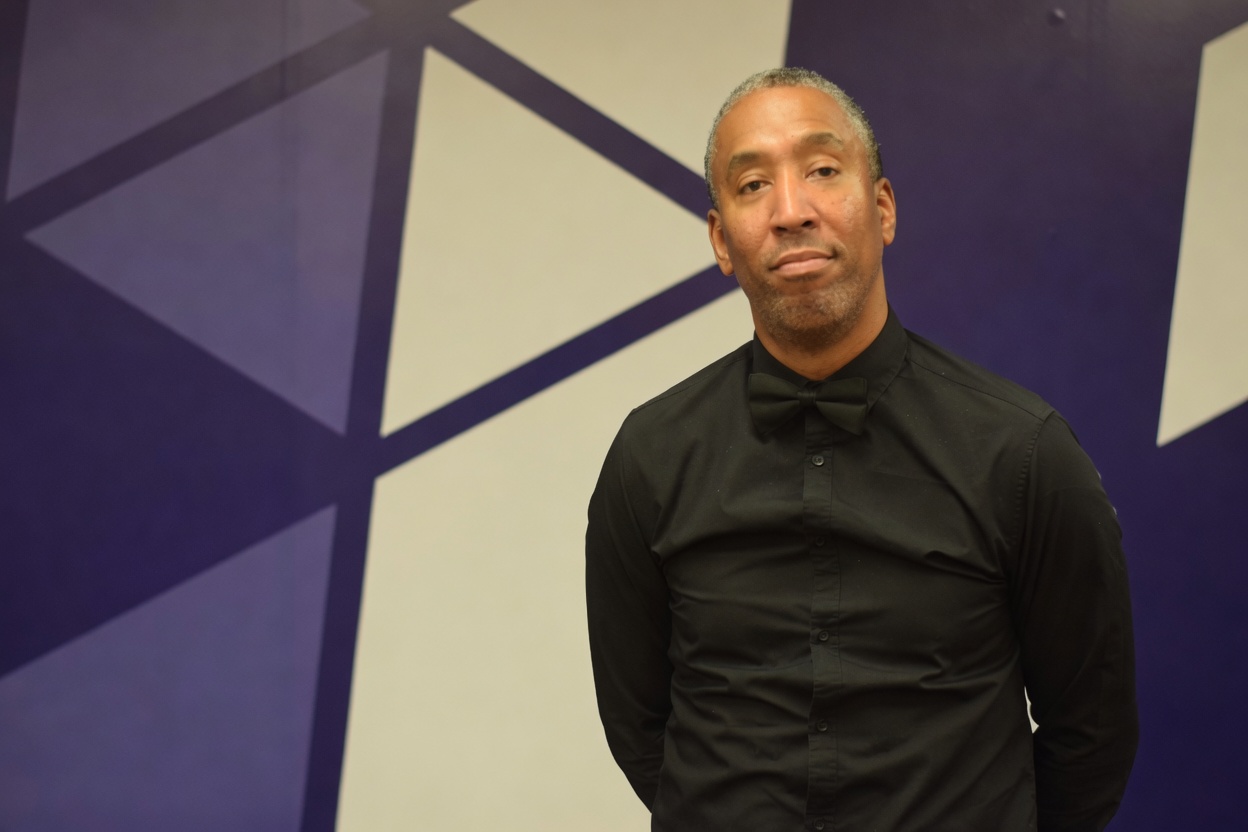
Sean Banks
Sean Banks is the founder and CEO of Krisp Drinks LLC, a Harrisburg, Pennsylvania beverage company that makes Krisp Flava, Krisp Fruitish, and Krispwtr - a line of zero-sugar flavored spring waters sourced from Pennsylvania's Locust Mountains. He built the company from a convenience-store insight into a brand now stocked at Giant Food Stores, Amazon, and bodegas across all five New York City boroughs, while running it as a family operation with his wife and daughters.