In advertising, an impression is a tiny event with a grand name. A person scrolls past a message, a server counts one, and somewhere a dashboard grows more confident. Kelli JOY Richardson built a company around a more awkward measurement. Did anyone trust you? Did anyone participate? Did the work alter a policy, a habit, or a life once the media money ran out?
The House of JOY is a Washington, D.C.-based boutique culture-strategy firm, formerly called JOY Collective. It works with brands and institutions that have scale but need something scale cannot automatically supply: permission to enter a community conversation. Its public client list includes Dove, Easterseals Southern California, the Ad Council, Progressive, AARP, BET, Visa, Under Armour and the U.S. Naval Academy. The services look familiar on paper - research, strategy, creative, production, public relations, events. The arrangement is less familiar. The company treats coalition building and trusted relationships as part of the creative product.
Richardson says the business began after her father died in 2012. He had named her Kelli Joy and once told a friend that he hoped she would create joy for herself and other people. Loss gave the name an operating instruction. She started the firm in 2013 with a test for the work: it should affect people, not merely occupy their attention.
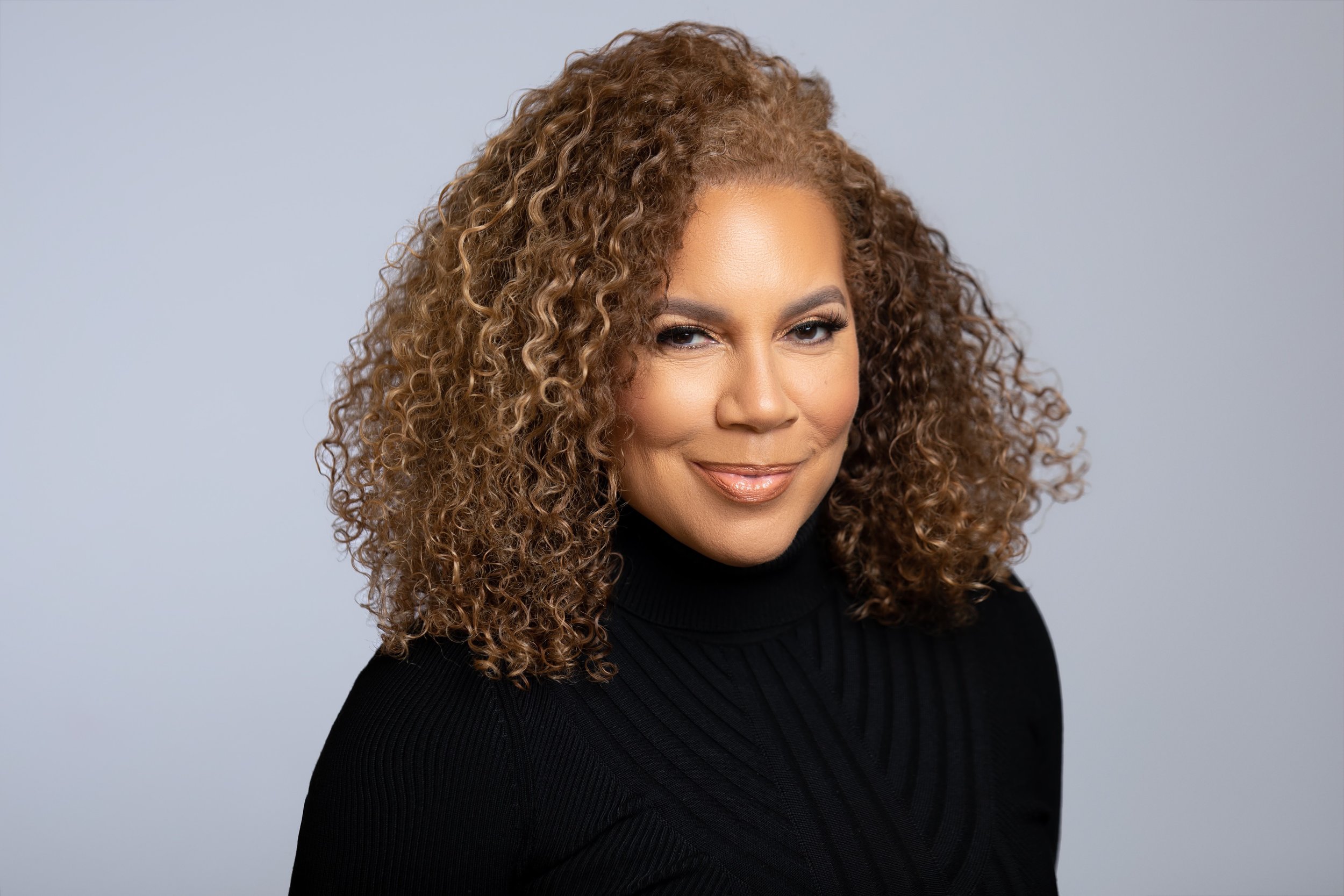
The CROWN clueThe campaign was not the point
The clearest example is the CROWN movement. In 2018, JOY worked with Dove and coalition partners on a problem Black people had long understood personally: natural hair and protective styles could still bring penalties at school or work. A normal beauty campaign might have celebrated hair, produced a film and declared victory at the applause. JOY helped frame a more consequential question: how do you end hair discrimination?
That question changed the unit of work. It required research, lawyers, advocates, legislators, community organizations, petition signers, local testimony, brand communications and creative material that ordinary people could carry into public life. The firm led community engagement, legislative advocacy and integrated grassroots efforts. By 2021, when PRWeek named the work Campaign of the Year and Best in Public Affairs, CROWN protections had become law in eight states. The House of JOY now reports 30 states and more than 31 million people protected.
“Our edge isn't scale, it's access.”The House of JOY
That sentence is both sales pitch and warning label. Richardson spent years at Procter & Gamble, then helped build BET's marketing and communications operation and worked at Dell. Her advantage is not that she can invent a community on Tuesday for a pitch on Friday. It is that advocates, cultural voices, executives, talent and production partners already know her work. A buyer is purchasing judgment and entry, not a rented database of influencers.
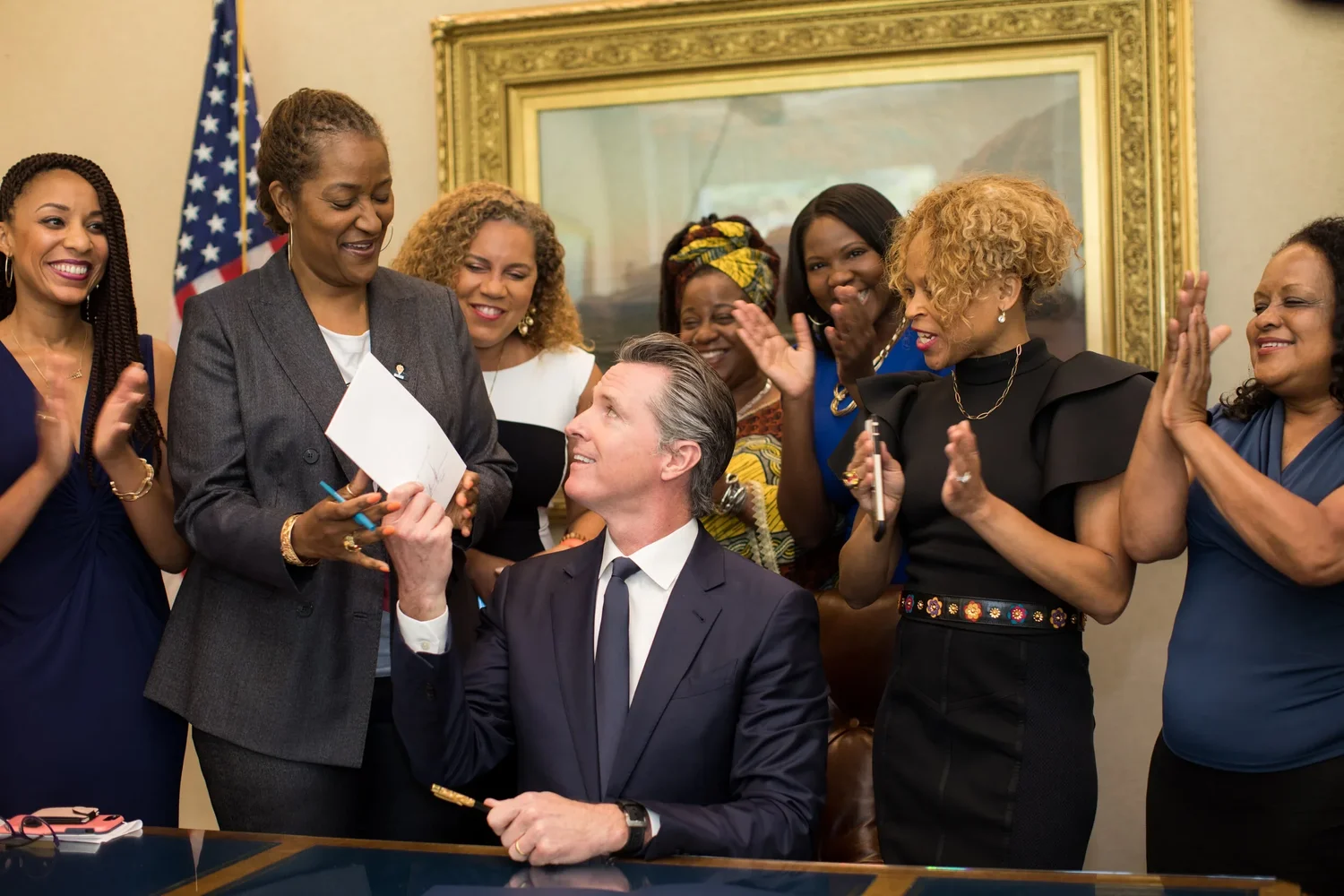
The order of operationsListen before making the thing
The method is easiest to see when the subject is sensitive. For the Ad Council's COVID-19 vaccine education initiative, JOY helped make a documentary with descendants of the Black men used in the U.S. Public Health Service Syphilis Study at Tuskegee. The usual shorthand around Tuskegee had become part of the distrust. The film restored names, families and humanity, then connected the history to present-day choices. The descendants were not supporting evidence dropped into somebody else's concept. Their testimony was the concept.
For Easterseals Southern California, the first obstacle was a word people avoided saying: disability. The campaign called that habit out directly - Disability is Not a Dirty Word - and put disabled people throughout the work. Every featured person had a disability; the agency says 67 percent of its own team on the assignment did too. The campaign used television, outdoor, social, creators, a bilingual website, a quiz and merchandise. Its Shorty Awards entry reported more than 525 million impressions, 71,000 microsite visits and 1.6 million influencer-video views. The agency later reported the reach passing one billion.
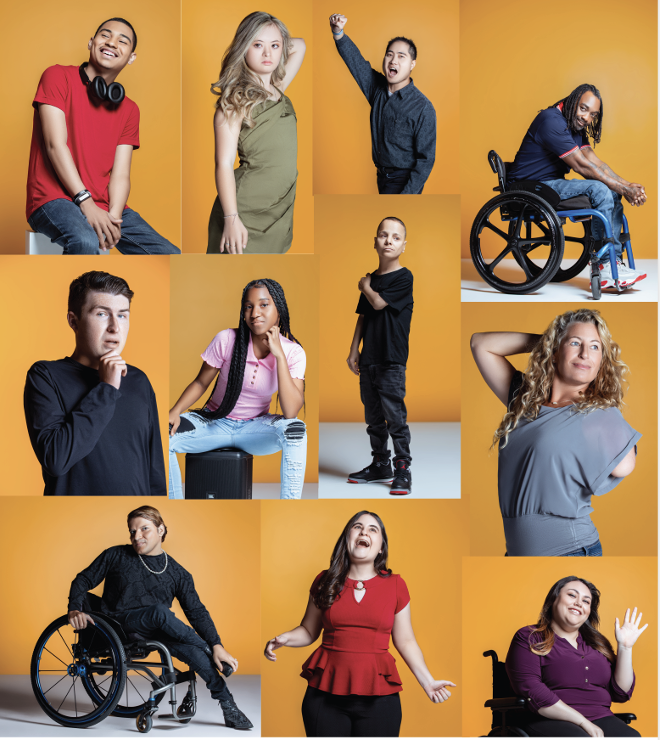
The 2026 follow-up, Every1 With Autism Belongs, shows the process becoming more explicit. Before writing a concept, the team conducted 16 stakeholder interviews; 73 percent of participants had lived experience with autism. The research moved the goal beyond awareness or even acceptance toward belonging. The campaign reported more than 312 million paid-media impressions, 5.5 million video views and 17,000 clicks in early results. Easterseals adopted it for a national rollout.
Research the lived problem, not the fashionable topic.
Build with the people affected and pay attention to who has authority.
Give audiences something more useful than agreement.
Use media to scale work that already has substance.
What the firm actually sellsA small shop with a long bench
The House of JOY has 11 to 50 employees according to LinkedIn; supplied company data puts the number around 20. It is not built to resemble a holding-company agency. Every engagement is led by Richardson and senior colleagues. When a project needs more research, production or creative capacity, the firm adds collaborators it has used before. Most assignments are project-based and scoped to the need, rather than padded into a permanent retainer.
Culture strategy
Audience research, cultural listening, positioning and the uncomfortable questions a brief has avoided.
Coalitions and advocacy
Partner recruitment, grassroots engagement and campaigns that can travel into policy and community action.
Purpose creative
Messaging, content, talent relationships, video and impact measurement built around a concrete objective.
Events in the real world
National tours, intimate gatherings, awards shows and activations where a brand has to meet people face to face.
That model positions JOY between several markets. It competes with multicultural agencies for insight, public-affairs firms for advocacy, experiential shops for events and management consultancies for strategy. Its difference is the handoff it tries to remove. The same senior people can listen to a community, recruit partners, shape the position and carry the idea into an event or a national campaign.
The useful constraintYou cannot sprint through trust
A marketer can copy the order of operations. Start with a pain point. Interview people who live it. Invite them into decisions, not just casting. Build an action that makes the promise tangible. Use trusted messengers for their credibility, not merely their follower counts. Decide what should remain when the campaign ends.
The condition nobody can fake
The approach depends on time, executive backing and a willingness to share control. It is a poor fit for a brand seeking a topical post by next week, a predetermined answer dressed up as research, or a purpose message unsupported by operations. Community partners can spot the gap between invitation and extraction. A coalition also moves at the speed of consent, which is often slower than a media calendar.
This explains the name better than a manifesto could. JOY is not presented as forced cheerfulness. It is the result the firm wants on the far side of an honest encounter with hair discrimination, disability stigma, mental health or public-health distrust. The work begins with pain because pretending the pain is not there is how brands become tourists.
An impression is easy to tally because it asks almost nothing of either side. Trust is difficult because it accumulates slowly, spends quickly and remembers who showed up. The House of JOY has made that inconvenience its business model. In an industry that loves the word movement, it has a rather persuasive definition: something should still be moving after the ad stops.