Cold calls, a dining-room lab, and a copacker in Shenandoah.
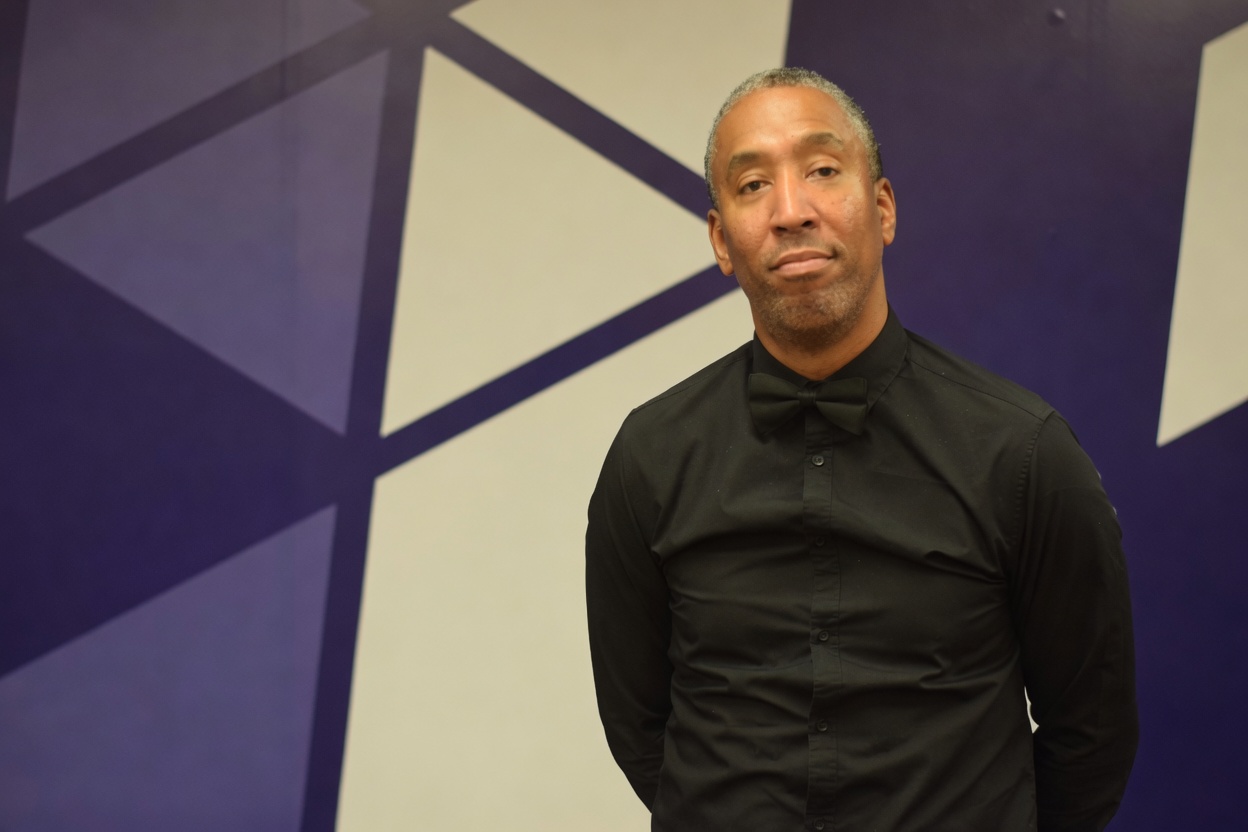
Sean Banks is running a beverage company out of Harrisburg, Pennsylvania, and the way he tells it, he is still slightly amused that it worked. Krisp Drinks LLC ships three product lines - Krisp Flava, Krisp Fruitish, and Krispwtr - from spring sources in the Locust Mountains to grocery shelves across Pennsylvania and to bodegas in Brooklyn, Queens, the Bronx, Manhattan, and Staten Island. He started it with about thirty-five thousand dollars saved from a job restocking the very kind of cooler his bottles now live in.
The convenience store was a Rutter's. Banks was the floor-level manager. He watched the flavored-water section turn over fast - faster than a manager would expect for a category that was supposed to be a healthy alternative - and started asking customers why they were buying what they were buying. The answers were a small market research panel he was running for free during his shifts. Most people said the same thing: they thought they were doing themselves a favor. Banks went home and read the labels.
He had run a clothing line before this. He knew what it felt like to put a thing into the world and watch retailers either move it or ignore it. Water was a different category - heavier, lower margin, regulated, brutal on cash flow - but it had something his clothing line did not, which was a clear gap in the cooler. He spent a long time staring at that gap before he did anything about it.
The one thing I kept noticing was that there were no brothers on the shelf. - Sean Banks, Central Penn Business Journal
When he finally moved, he moved at home. The R&D budget was an Amazon science kit - mixer, beakers, a stack of small bottles - and the lab was his dining room table. His wife sat with a notepad and recorded the ratios. Friends came over to taste. They tweaked. They wrote it down. They tweaked again. The product that eventually went to a copacker was formulated this way, by a family at a table, the same way most people make sauce.
Three SKUs, one cooler, a thousand cold calls.
Krisp eventually arrived on shelves in three shapes. There is Krisp Flava, the lighter, organic line sweetened with a stevia-and-erythritol blend. There is Krisp Fruitish, the louder, more soda-curious line designed to convert someone who picks up a cola without thinking. And there is Krispwtr, the unflavored natural spring water that ties the whole brand to those Locust Mountains. All three carry zero sugar.
Krisp Flava
Subtly flavored spring water. Stevia and erythritol blend. Organic, keto-friendly, ten calories.
Krisp Fruitish
Louder fruit notes built for soda drinkers ready to switch. Grape, fruit punch, watermelon and more.
Krispwtr
The unflavored anchor. Natural spring water sourced from Pennsylvania's Locust Mountains.
Getting these into stores meant cold calling. A lot of it. Banks went after distributors, buyers, and chain category managers with the patience of someone who had already failed enough times to know the only honest move is to keep dialing. The list of "yes" answers grew slowly, and then suddenly. In 2020, Cascadia Managing Brands - a New Jersey beverage brand-management firm with the kind of rolodex that matters - took an equity position in Krisp. That deal cracked the door open on national distribution.
By 2021, Krisp added The Giant Company of Carlisle and UNFI to its distribution roster. Then Preferred Beverage came on for New York City, putting Krisp into every borough at once. From a dining-room table to five boroughs in roughly three years is a pace beverage veterans recognize as steep.
Distribution Footprint
Four quotes that explain the operating manual.
Two daughters, one notepad, a succession plan.
Banks runs Krisp the way some founders run startups in stealth mode, except his stealth co-founders are his wife and his two daughters, Seikura and Beatrix. The girls go to meetings. They travel with the company. They are being shown what business ownership actually looks like, which is mostly meetings and follow-ups and not as glamorous as it seems on Instagram. Banks is open about why he is doing this: he wants generational wealth, and he wants his daughters to have the option of running the thing he started.
The kids took to it on their own timeline. Beatrix has summed up the whole project with the kind of clarity only a child can deliver: "I love it because I get to hang out with my family." It is a soft answer to a hard question about why a parent would drag their children into the chaos of CPG.
I love it because I get to hang out with my family. - Beatrix Banks, on Krisp
Seikura, the older of the two, has been heard repeating something her father has been telling her for years: "There's ups and there's downs but you don't give up." It reads as a slogan. In a beverage start-up that has gone from a dining room to five boroughs, it reads as a job description.
Two percent of profits, on purpose.
Krisp Drinks routes two percent of net profits to organizations serving young people in underserved communities. Banks talks about this without much ceremony. It is built into the operating budget the same way the copacker fee is. The company is also Certified Minority Owned by the Eastern Minority Supplier Development Council, which matters for the corporate procurement contracts that move volume in CPG.
Banks has been clear in interviews that the lack of Black-owned beverage brands in mainstream coolers is not a small detail of the industry. It is the whole reason he started. He has said this calmly, in the same tone in which he describes the mixer he bought on Amazon. He is not interested in performing the point. He is interested in shipping product against it.
A national footprint, two heirs apparent.
Krisp is still relatively young as a brand. The Cascadia partnership gives the company a serious shot at national distribution that does not depend on Banks personally cold calling every buyer in America. The product lineup is tight - three SKUs of clean intent - which is the kind of focus a small beverage company needs to survive its growth phase. The team is small enough that Banks still answers his own emails and big enough that he no longer has to.
He has spent the better part of a decade turning a stocking shift into a brand his daughters can inherit. The question now is what shape Krisp takes when it stops being scrappy and starts being a category player. Banks does not seem in any hurry to perform an answer. He keeps making the calls. He keeps showing up at the dining room table. The notepad is still in use.