Issa Rae was receiving offers to make music. There was a certain logic to them: her Insecure character rapped, audiences knew her, and a familiar face makes an attractive meeting invitation. Rae, however, did not want to become a recording artist. In her telling, the invitation had mistaken something she enjoyed for something she wanted to do professionally.
People around her, including publicist Vanessa Anderson, suggested a different possibility: start a label. Rae described the appeal in a 2020 XXL interview. She already liked creating opportunities for emerging writers. A music business could let her do something similar for artists. Raedio offered a place in music that made sense for her ambitions.
That distinction makes a useful introduction to Anderson’s company, AM PR Group. A publicist can help explain a decision once it exists. The more interesting relationship begins earlier, when someone is still deciding what kind of opportunity to pursue. Sometimes the useful question is who should hear the story. Sometimes it is whether you have chosen the right story in the first place.
The artist who wanted the other chair
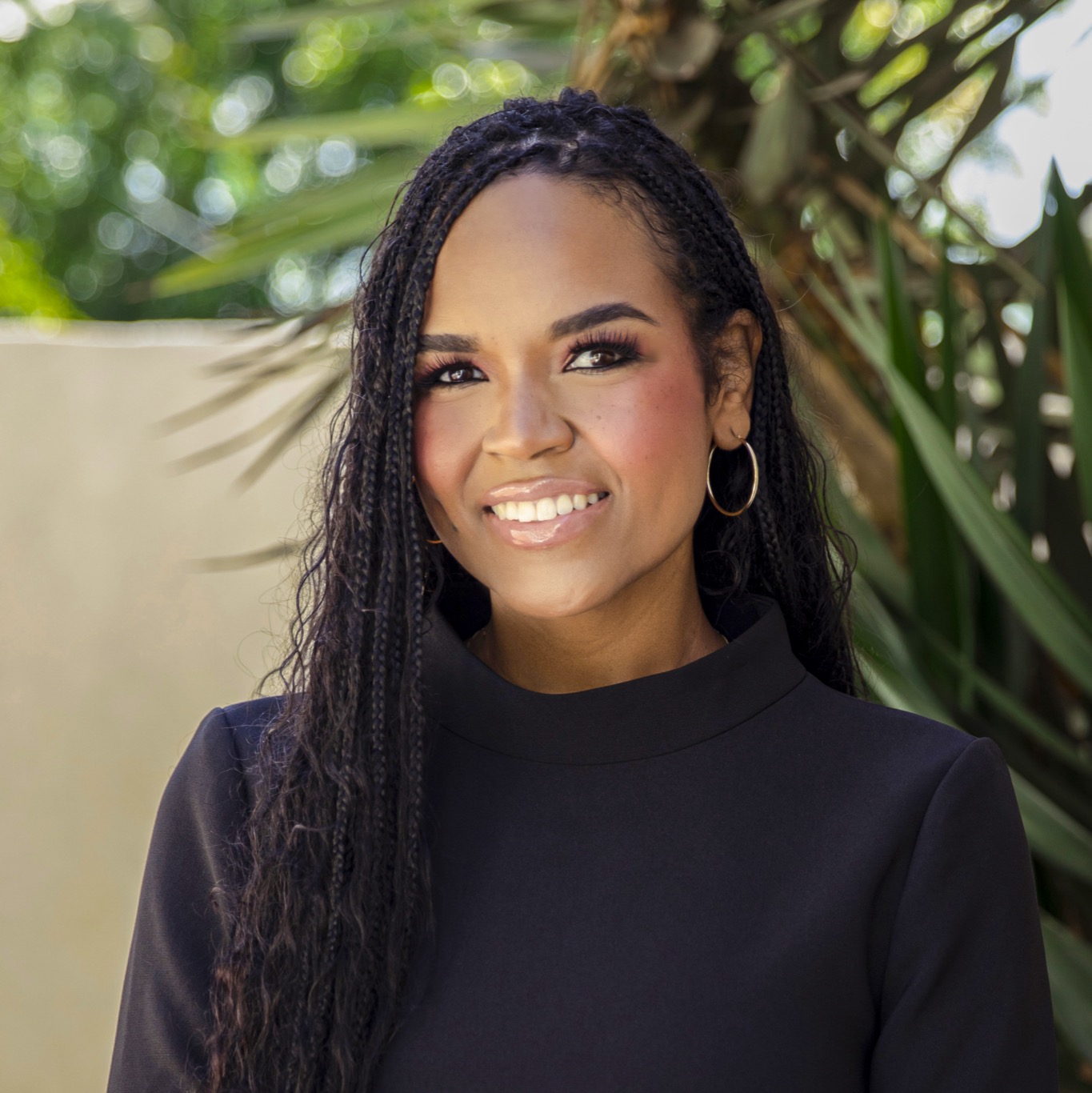
Anderson founded AM PR Group in 2010, after working in fashion and music publicity. Raised by her grandparents in South Los Angeles, she graduated from Barnard College in 2007. Her professional biography connects the work to a specific purpose: helping the voices and stories of people of color reach wider audiences.
Rae provides a particularly good example of the kind of career that benefits from a publicist who can follow more than one thread. The person on a television screen may also be building companies. Each new venture creates a small problem of explanation. Audiences know one version of you. A new business asks them to make room for another.
The lesson in the label conversation is surprisingly practical. Before chasing an opportunity, identify the part of it you actually want. Performing, producing, owning, and curating are different jobs, even when all four happen to involve music. A good adviser should be able to notice when the proposed job and the person’s ambition do not line up.
An agency for careers with several chapters
AM PR Group describes itself as a boutique working across entertainment, music, lifestyle, sports, and philanthropy. Its services include publicity, strategic communications, branding, media relations, and community engagement. In ordinary language, it helps people and organizations decide how to present their work, then connects that work with audiences through the media.
Its documented experience includes both individual talent and corporate programming. USC’s biography of Anderson identifies Amazon Studios work involving Homecoming and Rihanna’s Savage x Fenty Fashion Show. These assignments sit in related but distinct worlds: a television series, an event built around a fashion brand, and the public identities of the people involved.
That range helps explain the agency’s place in the market. A talent representative needs sensitivity to an individual’s career. A corporate communications team needs coordination around an organization’s priorities. AM PR’s offering brings those kinds of work into the same business. The attraction for a prospective client is continuity as the client’s own work crosses categories.
the storyWhat is changing?
the audienceWho needs to care?
the momentWhy this, why now?
Three questions for a publicity brief. An editorial framework, not an agency performance claim.
The people behind the next introduction
In 2021, AM PR Group acquired Ascend PR, bringing its founder Erica Tucker into the business as vice president of business development. Erin Patterson also moved into a vice president role overseeing brand management. It was an expansion through people with experience making the judgments that clients buy.
There is a reason this kind of transaction deserves attention in a company profile. In a service business, growth creates a question that another office cannot answer by itself: who will make the next difficult call? Hiring an experienced operator can add relationships and judgment as well as capacity. An acquisition has to work at the level of everyday decisions.
Anderson’s involvement in My Publicist Is Black belongs beside that business story. A 2022 podcast interview connected the initiative with the limited resources and mentorship she experienced while starting out. The early obstacle was access to support. Helping other Black women enter and navigate the profession became part of her response.
Inc.’s 2025 Female Founders recognition later credited Anderson with doubling staff, opening two offices, and launching three affiliate companies. Those are concrete signs of expansion. They also raise a familiar boutique-agency question: how do you preserve close attention while more people, places, and assignments enter the picture?
A release has a second story at the bottom
For a less glamorous view of the work, look at an album announcement. The June 2024 press materials for Normani’s Dopamine list AM PR Group’s Erin Patterson and a dedicated agency team address alongside an RCA Records contact. Down at the bottom of the page, the publicity machinery becomes visible.
That contact list establishes the agency’s role in the announcement. It also illustrates how an artist’s public story can involve several organizations at once. A journalist needs a way into that system: someone who can receive a request and help it reach the right people. Readers see the finished interview; the contact list shows a piece of the coordination behind it.
There is an events side, too. AM PR Group’s PartySlate listing offers services ranging from event design and full-service planning to large-scale production. Prospective customers can request a customized proposal. For buyers, the useful implication is to define the assignment carefully: arranging an event and securing attention for it are related services with different deliverables.
“It really forced me to detach from work”
Vanessa Anderson, on taking a vacation in 2021
A $7,500-a-month example
One public assignment puts a number on the work. Los Angeles’s 2023 agreement with AM PR Group set a flat monthly fee of $7,500, with a $90,000 ceiling for August 2023 through July 2024. The assignment concerned communicating the city’s policy agenda through creative, nontraditional outlets and venues, covering issues including homelessness, public safety, sustainability, and business support.
$90,000 contract ceiling · Los Angeles Mayor’s Office
This was the price of a particular scope of work. It should be read as a concrete example of the agency’s fee-based business, rather than a quotation for a musician’s campaign or a company launch. A contract ceiling also differs from a record of money actually paid.
The cost of being permanently available
Anderson’s account of running the business has a less photogenic side. In an ESSENCE interview, she described spending the day on client campaigns and the evening on administration and operations. The founder was effectively working two schedules: the clients’ and the company’s.
A work trip to France in 2021 became an opportunity to take a personal vacation. Her team helped protect that time. Anderson also described weekly massages as a chance to disconnect from her phone. The details are small, but they make the cost of constant availability easier to understand.
For anyone building a services firm, this is a useful operating question. Can the founder leave without becoming the remote switchboard for every decision? Staff need enough context and authority to act. Otherwise, adding people can leave the same person carrying every consequential choice, just with more messages to answer.
What a client can borrow
AM PR Group sells professional services: the expertise and labor involved in publicity, communications, branding, and events. A prospective customer should turn that broad offering into a specific brief. Identify the project, the audience, the deadline, the people who approve decisions, and the outcome that would make the engagement worthwhile.
Ask who will work on the account and how the agency handles overlapping priorities. Separate work the agency controls, such as preparing materials or coordinating requests, from outcomes dependent on an editor’s interest. A sensible agreement should make that distinction understandable before the campaign begins.
The approach also needs a client with something substantive to communicate. More introductions cannot resolve an unclear project, and a carefully planned announcement can still lose relevance if the timing changes. Close personal attention is valuable when the assignment benefits from it; a routine task may need a narrower service.
Return to Rae’s music decision. The revealing part is how precisely the alternative suited the person. She could participate in an industry she loved while doing work that interested her. For the rest of us, that is a question worth borrowing before the next exciting meeting: which part of this opportunity do I actually want?