Halfway from Los Angeles to Las Vegas, Tess Finkle and Laura Michael discovered a small problem: they had no pitch. They had a prospect - a British fashion-technology company preparing a worldwide launch - and they had urgency. The prospect's budget was four times larger than Metro Public Relations' best-paying account. What they lacked was the sort of relevant experience a sensible chief executive might want to see.
So they pulled into an Olive Garden, opened their laptops and stretched a few case studies until, as Finkle later joked, they resembled the mozzarella sticks. They booked a $60 room at the Excalibur. The meeting went badly. Then the two publicists waited in the chief executive's hotel lobby, intercepted him on his way to another meeting and continued pitching while he walked. Eventually he invited them to a reception with the rival agencies. Metro got the account.
This is an excellent origin myth because it contains just enough bad judgment to feel true. But the useful part is not that persistence can rescue a bad pitch. Sometimes a bad pitch is simply a bad pitch. The useful part is what Metro learned around the same period: the business beneath the hustle was failing.
The first product had a leak
Metro began in 2006 as a Hollywood talent-publicity shop. Finkle had left a large agency at 21, started freelancing and taken a handbag designer as her first client. Cash was scarce. Payment included a room in the designer's house and one Omaha Steak each Wednesday. What the arrangement lacked in liquidity, it supplied in access: Finkle built relationships with celebrity assistants and persuaded stars including Cameron Diaz and Britney Spears to carry the bags.
Her early method was wonderfully direct. To win Angela Kinsey a late-night booking, she hand-delivered a press kit to 30 Rockefeller Plaza, marked it urgent and claimed she would be fired if it did not reach the booker. A cancellation opened the next day; Kinsey landed on Conan O'Brien. Metro found its first niche in what Finkle called second-tier actors on top-tier shows.
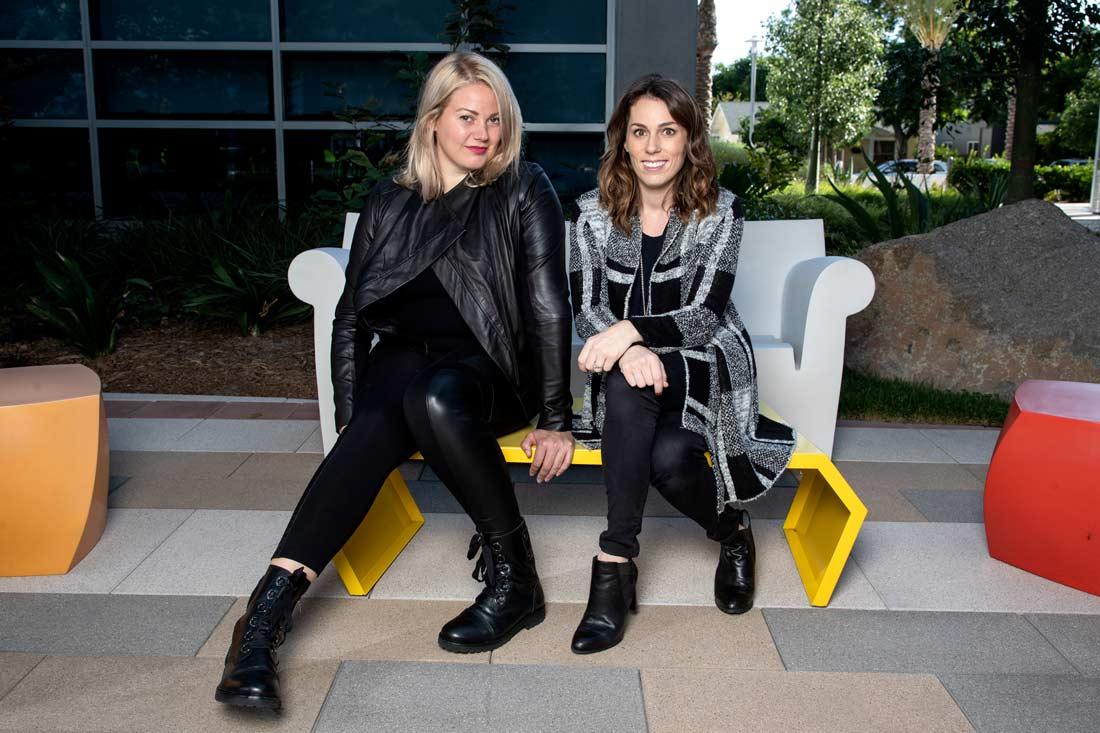
Finkle met Michael at a Screen Actors Guild Awards after-party in 2008. Michael had crossed the country for an unpaid internship, worked as a nanny to pay for the couch where she slept and made it home on a $500 school grant. She knew how to write the press release Finkle had never learned to write. Finkle knew how to treat “no” as an opening bid. Their complementary partnership became Metro's operating system.
The leak appeared when their clients succeeded. A boutique could nurture an actor toward the A-list, only to watch the actor leave for a larger firm. To compete, the boutique charged half as much and worked twice as hard. Metro experienced the first outcome and understood the second. Better execution could not repair those economics.
They went where the résumé was thin
Around two years after YouTube launched, Metro planted a flag in digital media. The timing mattered. Traditional agencies understood magazine covers, talk shows and red carpets. New-media companies understood audiences, analytics and sharing. Metro set out to translate between them - helping internet-native clients earn traditional credibility and helping traditional talent behave naturally online.
That bridge became more valuable as the two sides collapsed into one another. Digital companies hired Metro for business-to-business and content publicity. Later, established networks and studios hired it because they needed direct-to-consumer instincts. Today the firm's public work stretches across Disney, Prime Video, Lionsgate, World of Wonder, Hartbeat, podcasts, sports businesses and a music roster that has included Uncle Waffles, Ayra Starr, Bryson Tiller, Wale, Asake, Ludmilla and Sarz.
Media relations, corporate communications, social publicity, events and multicultural campaigns.
Social management, newsletters, paid marketing and influencer programs.
Branded content, new IP, production, talent booking and collaborations.
Awards, power lists, speaking slots, executive positioning and media training.
This menu explains where Metro sits in the market. It is not merely a celebrity publicist, nor a social agency buying impressions, nor a corporate crisis shop waiting for trouble. It works at the intersection: one narrative expressed through press, feeds, stages, partnerships and a chief executive's own channels. The client buys senior judgment and a coordinated team, usually through retainers or campaign fees.
DragCon made the model visible
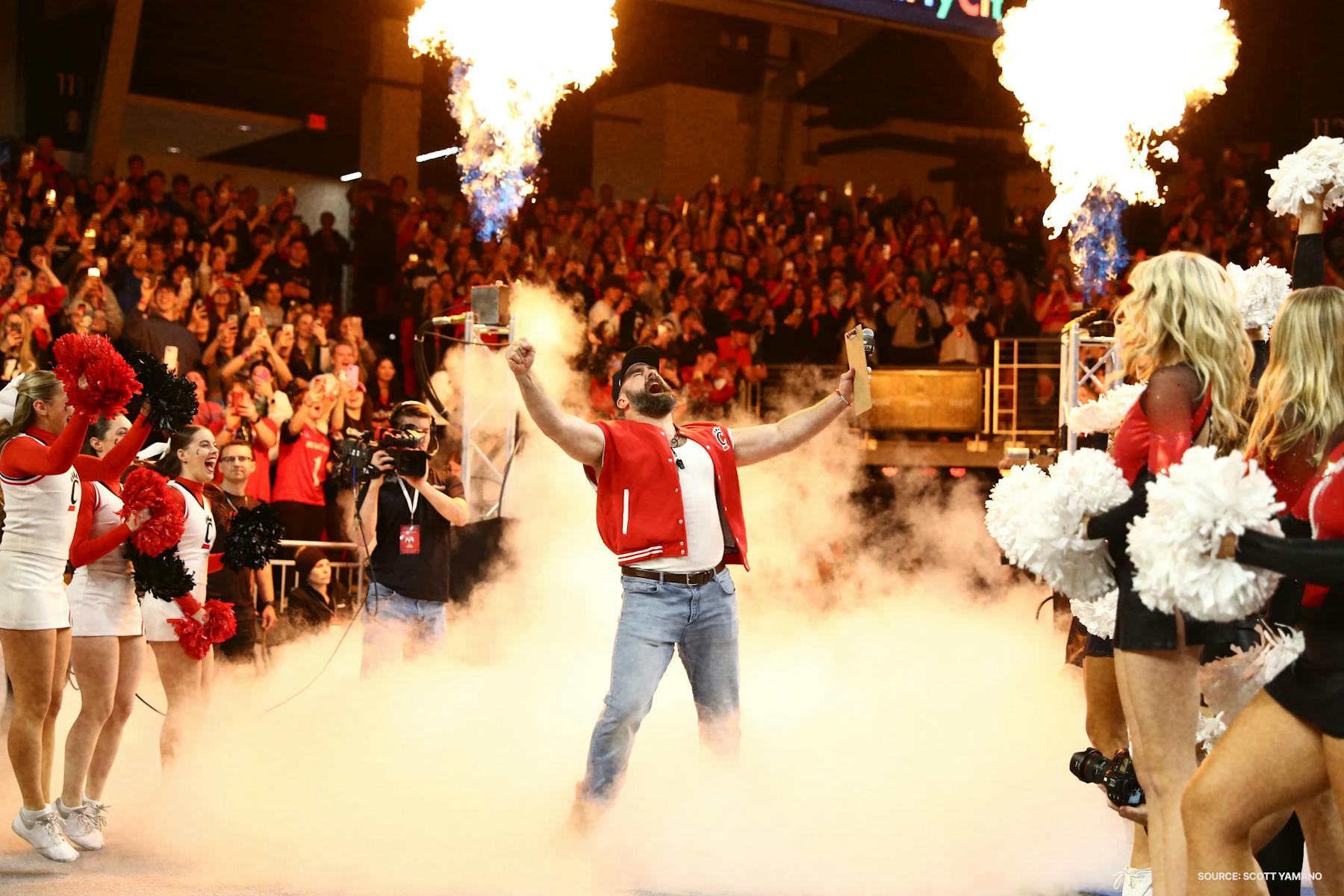
Consider Metro's work for World of Wonder on RuPaul's DragCon LA 2022. The job was larger than placing convention previews. Metro wanted mainstream audiences to understand drag, loyal fans to tell their own stories and prospective partners to see a safe, profitable property. Before the event, the agency maintained a drumbeat of features and talent interviews. During it, reporters moved through interviews and photo shoots. After it, fashion editors received images from the Pink Carpet Queen's Walk.
The campaign won PR Daily's 2023 award for event and experiential marketing. More revealing than the trophy is the sequence: frame the cultural argument, bring media into the physical experience, then package the visual residue so the event keeps traveling after the doors close. Press was not the end product. Attendance, partner confidence and cultural permission were.
A similar breadth now appears in Metro's music practice, where publicity can run through fashion weeks, artist events, executive initiatives and cross-cultural storytelling. In television, SVP Rebecca Rolnick Knaack's team has led campaigns involving the international expansion of RuPaul's Drag Race to more than 15 territories. The agency follows audiences across categories because audiences have never respected agency org charts.
Copy the sequence, not the theater
There are five transferable moves here. First, name the structural flaw before optimizing around it. Metro's talent model did not fail because the founders lacked grit; it failed because success could remove the customer. Second, enter an adjacent market where old skills become newly scarce. Third, convert each win into evidence for the next sale. Fourth, call clients before they need to call you. Fifth, let services expand only when the audience's behavior demands it.
The method has limits. Lobby ambushes are not a growth strategy, and they age badly when access depends on trust. The digital bridge works only if a firm understands both cultures; attaching “creator” to a traditional press plan will not do. Integrated communications also fails when the client cannot align its press, social, executive and business teams, or when it expects guaranteed coverage from earned media. And the case-study flywheel cannot start without a result worth studying.
Metro's founders once gamified business development by threatening one-way flights to New York until someone returned with a client. They could, Finkle later said, “afford to be idiots.” The mature version of that energy is less cinematic. It is a willingness to notice that yesterday's expertise is expiring.
That may be the company's real product. Metro did not survive two decades by discovering the permanent rules of publicity. It survived by treating permanence as suspicious. The bus supplied a name. The steak supplied rent. The hotel supplied a story. But the business came from knowing which parts of the story not to repeat.