thought-leadership
(122)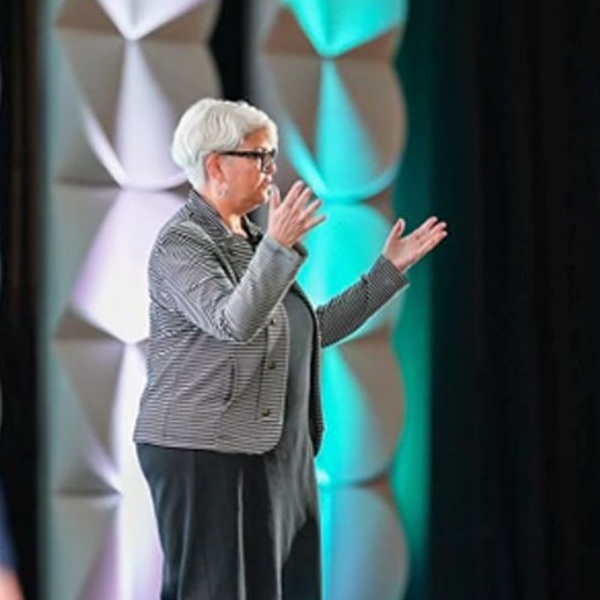
Michele Salomon Has a Stack of Index Cards and a Question for the Room
The market researcher built a career by asking who needs to be heard, what a decision really requires, and whether the useful finding can survive a walk around the block.

The Book Was Only the Beginning
Authority On Demand began by turning experts into authors. Then it made a sharper bet: the real product was never the book - it was the trust the book could start.

The Agency That Taught Lettuce to Make News
360PRplus has spent 25 years finding the story hidden inside familiar products. Its best campaigns begin with a small, useful truth - then give the press and the public a reason to pass it on.

The $1,500 Bet That Refused to Stay the Same
Zen Media began with a graduate thesis, a nearly empty bank account and a market that did not yet have a name. Seventeen years later, its most durable product is not PR, social or AI - it is the habit of changing the offer before the buyer changes the channel.
The People With the Best Ideas Were Missing One Thing: A Door
The OpEd Project discovered that expertise was abundant. Access was scarce. Its answer was to teach the hidden mechanics of public influence - then lend newcomers the relationships that make those mechanics work.

The Magazine That Turned a Cover Story Into a Business Model
Insights Success Media found a commercial use for the oldest object in business culture: the flattering profile. Then it connected publishing, promotion and the awards stage into one visibility machine.

The Firm That Makes a Business of Your Worst Day
INFINITE spent two decades learning how lawyers think when the stakes are high. Then it bought its way into finance - and turned a narrow specialty into a transatlantic reputation business.
The Executive Who Never Posts Is Still Saying Something
Qnary built a business around a small corporate absurdity: companies spend fortunes making their brands speak, while the people audiences actually trust are too busy to post. Its fix is part writers' room, part workflow software, and part reputation insurance.

The Agency That Made a Moat Out of Knowing the Footnotes
Caliber spent sixteen years refusing to become a generalist. In finance, where a misplaced word can be expensive and an unexplained product can be invisible, that stubbornness became the product.

The Anchor Who Walked Away From Bad News
After 25 years in television news, Laura Evans Manatos stopped reporting the daily crisis and built a firm to make solutions newsworthy. Her advantage is less mysterious than it sounds: she hires the people who used to decide what made air.
The PR Firm That Put Public Relations on Trial
Karla Jo Helms surveyed thousands of growth-company CEOs, borrowed the urgency of crisis management, and built an agency around a blunt proposition: publicity should have to show its work.

Badassery and the Art of Changing Everything but the Mission
It began by finding overlooked people a stage. When the stages vanished, Badassery kept the problem and discarded the product - twice. Its latest answer is a small agency built around one unfashionable idea: before you chase attention, decide what you actually have to say.

The 45-Minute Interview That Wants to Beat the Content Machine
The Expert Press has built a production line for turning one good conversation into earned authority. Its bet is that, in an internet flooded with instant copy, the scarce ingredient is still a person with something specific to say.

Prestidge Group Bet the CEO Would Become the Product
Briar Prestidge saw influencers building audiences while executives stayed behind corporate logos. Her agency turned that gap into a coordinated business of press, posts, stages, search results and cameras.

The Publicist Who Put PR on the Menu
Ace Branding sells publicity with an unusual promise: choose the outcome, approve the story, and know what happens next. The interesting product is not fame. It is certainty.

The Editor Who Put the Newsroom Inside a PR Firm
Mark Pasetsky left the magazine business with an editor’s suspicion of empty claims. Sixteen years later, his firm sells something more useful than noise: a repeatable way to turn executive expertise into public proof.

Bant Breen Built a Career on a Simple Bet: People Trust People
Long before executive visibility became a boardroom concern, Breen was building the machinery behind digital reputation. His second act with Qnary began with a pointed question from his father: after early recognition, what would he do next?
The Factory Floor Has a Story Problem
Inprela built a communications agency around an unfashionable bet: the most technical companies do not need louder marketing. They need someone who can find the human argument inside the machinery - and prove that it moved the business.

The Agency That Put a Price Tag on Attention
JDI sells something every difficult technology needs and few can manufacture alone: a story that survives contact with the real world. Its more interesting invention may be the candid operating system behind the work.

The $499 Bet That Made PR Behave Like a Startup
A former tech reporter noticed that startups could explain their inventions or afford traditional PR, but rarely both. Publicize began with one cheap retainer and a stubborn question: which parts of an agency are actually worth paying for?
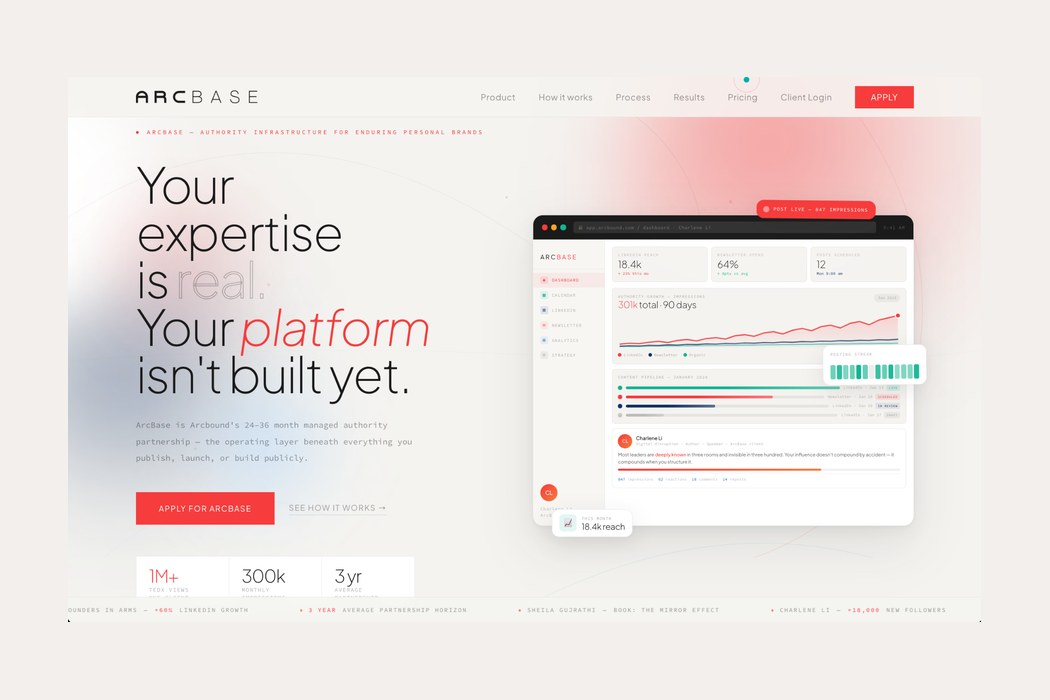
Arcbound Learned That a Personal Brand Is Not a Posting Schedule
It began with $20,000 of debt and an $800-a-month writing offer. Eight years later, Arcbound is betting that serious reputations need infrastructure, not an endless appetite for posting.

The Caterer Who Learned to Speak Wall Street
Marie Swift built a national agency by mastering one small, difficult language: how financial advisers earn trust. Three decades later, its best marketing lesson is still the least glamorous one - know the business before you reach for the megaphone.
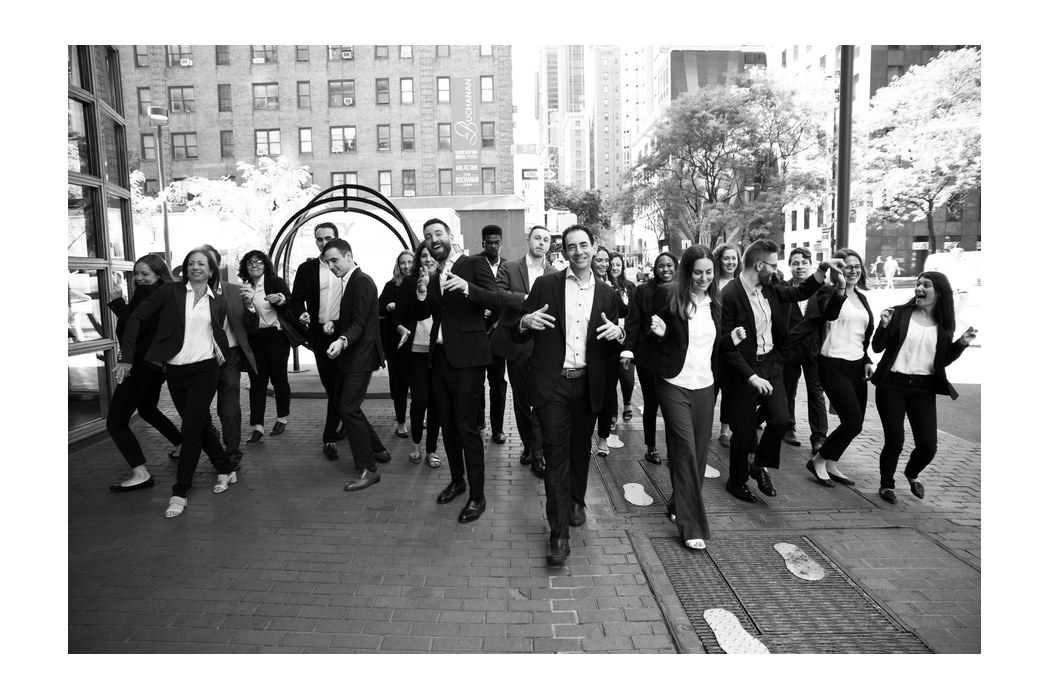
The Professors Who Play Hockey
Group Gordon built a 20-year PR business around an unfashionable pairing: think before you pitch, then keep skating after everyone else has left the ice.
Noyse Is Selling the Thing PR Forgot: Judgment
The New York firm treats publicity as one connected system - and argues that a real story, handled by accountable people, beats a spreadsheet full of empty pickup links.

The Book Is the Door, Not the Room
Smith Publicity began in a bedroom with two cats and a wager on earned attention. Nearly three decades later, its most useful idea is that a book launch should behave less like fireworks and more like infrastructure.
The Agency That Learned to Ask Before It Spoke
Ascent Strategic Communications grew by treating communication as an order-of-operations problem: listen first, position second, publish last. The proof is hiding in a policy coalition, a boat, and a founder willing to remove her own name from the door.

The Agency That Treats Credibility Like Compound Interest
CultureSpeed Communications has built a business around a patient idea: one good story should create the conditions for the next. In an attention economy, the small New York agency sells something quieter - a chain of reasons to believe.
The Small Agency That Learned to Make Washington Echo
Curley Company built a Washington communications business around a simple observation: one message rarely moves anyone. The trick is to make the right idea arrive from every direction - without letting it sound rehearsed.
The Agency That Wants to Make Itself Less Necessary
SalientMG built a business by noticing that startups rarely suffer from a shortage of marketing activity. They suffer from doing the right things in the wrong order.

The Agency That Learned to Make Boring Things Personal
Mulberry began as a PR shop. Thirty years later, its best work still starts with a human question: how do you make industrial gloves, recycling bins and warehouse software matter to an actual person?