There is a small, awkward interval in modern business. It happens after someone hears your name and before they take your call. They open a browser. They type. They scan. In that interval, you are not a person. You are a page of results.
Ace Branding has built a company around that interval. The Traverse City, Michigan, firm arranges press features, targeted podcast tours, regional television appearances, and consulting for entrepreneurs, thought leaders, and businesses. Its premise is easy to recognize: a favorable third-party story can lend a business the kind of credibility that its own website cannot manufacture. Its method is more unusual. Ace tries to turn publicity, an industry famous for uncertainty, into a product with specifications.
The client chooses a placement or tier. An editorial team conducts an interview and writes a draft. The client edits until satisfied. A contributor submits the approved piece. When it appears, the client gets the link. Ace describes the experience with the most everyday comparison imaginable: ordering from a restaurant menu.
“Your first impression isn't a handshake anymore. It's what shows up when someone searches your name online.”Luke Hessler, founder and CEO
The bad haircut theory of PR
Luke Hessler did not arrive at this model from the conventional agency route. At 19, he says, he started an online affiliate business with a $600 loan. By his early twenties, he had learned how a personal brand could recruit attention at scale. His company biography says the affiliate operation eventually produced more than $10 million in annual revenue and organized nearly 10,000 sellers.
Then came the more important education: being a customer. Ace's own timeline marks 2018 as the year Hessler had a bad PR experience. Its old sales page uses a barber analogy. A poor haircut does not prove haircuts are useless; it proves you need a different barber. The frustration changed his mind about what a publicist ought to sell. Not hours. Not hopeful pitching. A legible outcome.
The current Ace Branding was founded in 2021. It now describes a network of more than 800 publications, plus relationships with thousands of podcast hosts and dozens of television producers. The network is the inventory behind the menu. The company says it has served 1,523 clients and published 4,773 articles. Those are company-reported figures, useful less as a final verdict than as evidence of what Ace has optimized: repetition.
CURRENT FIGURES DISPLAYED BY ACE BRANDING · COMPANY-REPORTED
Seven steps, one controlled story
Traditional earned-media PR asks a client to pay for judgment, access, and effort. The publicist can pitch; the editor can decline. Ace rearranges that risk. Its workflow begins only after the destination and deliverable have been discussed. That gives founders something they crave almost as much as attention: the ability to know what they are buying.
Narrative control is part of the specification. Ace promises an editing cycle and says it will not publish until the client approves the final draft. For an entrepreneur who has watched a stranger compress a complicated business into three careless paragraphs, that promise is not cosmetic. It is the product.
If a named outlet or segment becomes unavailable, Ace's published terms permit a substitute of equal value and tier. A refund is due when the company cannot secure a placement within the agreed tier. The guarantee reduces uncertainty; it does not freeze the media world in place.
The cost is similarly productized but mostly discussed in a consultation. An older Ace acquisition offer gave qualified prospects a first article free and described the work as a $497 value, covering pitching, writing, editing, and publishing. The purpose was not subtle. Let the buyer experience the production line before buying a broader campaign.
The link is not the finish line
Ace groups its advice under three B's: Blueprint, Build, Boost. First, decide who you are talking to and what you want remembered. Next, establish credibility with media and a coherent digital presence. Finally, reuse that credibility in sales and marketing. The order matters. A press hit cannot rescue an unclear offer. It can make a clear one easier to believe.
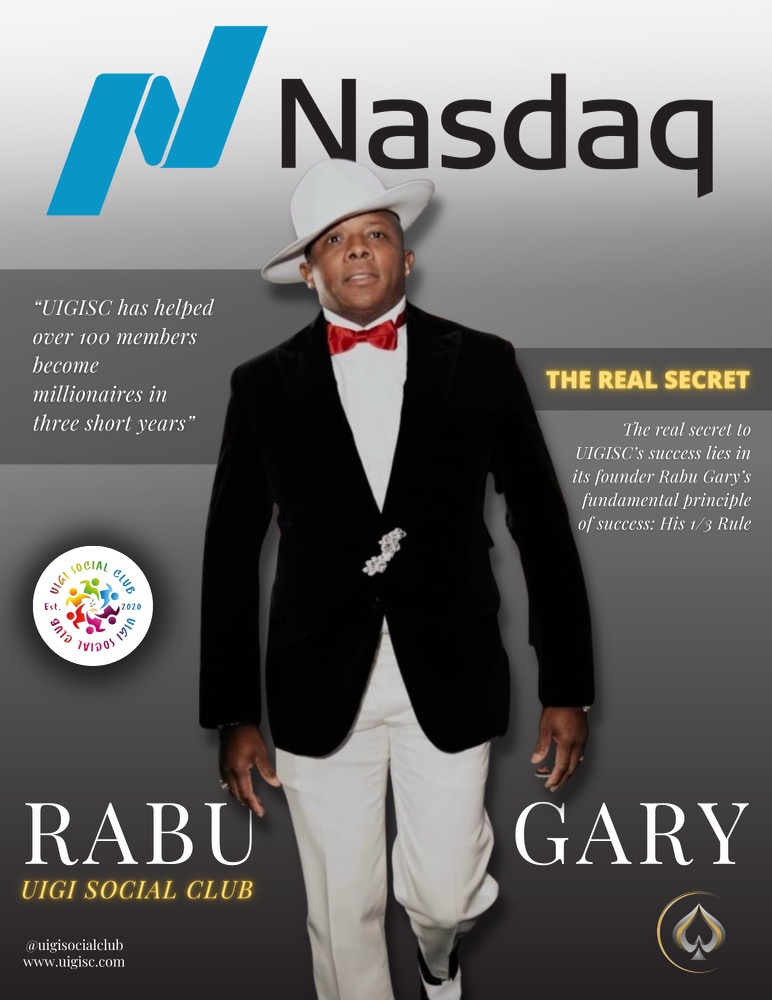
Its case studies illustrate the play. Good Ranchers received 19 full features. Rabu Gary received 27, with Ace attributing more than 200 percent business growth and social verification eligibility to the broader effort. UIGISC received 30 features; the agency says the group's membership expanded from 100,000 to more than 300,000 globally. These cases do not isolate publicity as the only cause. They do show how Ace thinks about media: as a campaign of accumulating signals, not a single ceremonial clipping.
A customer can copy the useful part without copying the agency. Start with the search a prospect makes before a call. Decide which doubt the results must answer. Secure one credible, relevant appearance. Then put it to work: on the proposal, in the email sequence, on the founder's LinkedIn page, beside the booking form, and in the sales deck. A television appearance that lives only in yesterday's broadcast schedule is a souvenir. A clipped segment with a transcript and a clear point of view is an asset.
Who should buy certainty?
Ace's likely customer is not merely someone who wants to be famous. It is a founder or business with a functioning offer, a reputation gap, and a place to deploy new credibility. An Inc. profile describes the publication network as intended for businesses and entrepreneurs doing at least $100,000 in annual revenue. Hessler has been blunter on a podcast: early solopreneurs should get their marketing working first, and PR becomes especially sensible around the $1 million revenue mark.
That is an important condition. If the product disappoints, the positioning changes weekly, or there is no sales process waiting on the other side, publicity adds decoration to a leaky building. The menu model also suits controlled founder profiles better than adversarial reporting, crisis communications, or an investigation in which an independent newsroom must retain full editorial authority.
Ace Branding sits between several familiar alternatives: the retained agency that bills for sustained outreach, the freelance publicist who sells relationships and hustle, the podcast booker, and the reputation consultant. Ace bundles pieces of each, then competes on specificity. It says where the story may appear, lets the client shape what it says, and attaches a remedy to non-delivery.
The cleverness is not that Ace made PR predictable. Media remains too human for that. The cleverness is that it found the portions that can be made predictable - workflow, approval, tier, reuse - and put boundaries around them. In the anxious interval between a name and a meeting, boundaries are valuable. They give the stranger something coherent to find. They give the seller something credible to send. And they give publicity, that famously slippery service, the comforting shape of an order.