brand-marketing
(131)
GiGadgets and the Art of Making You Look
A flickering monitor, a mischievous stylus, and a countertop brewery reveal how GiGadgets turns technology into something people want to watch - and brands want to buy.
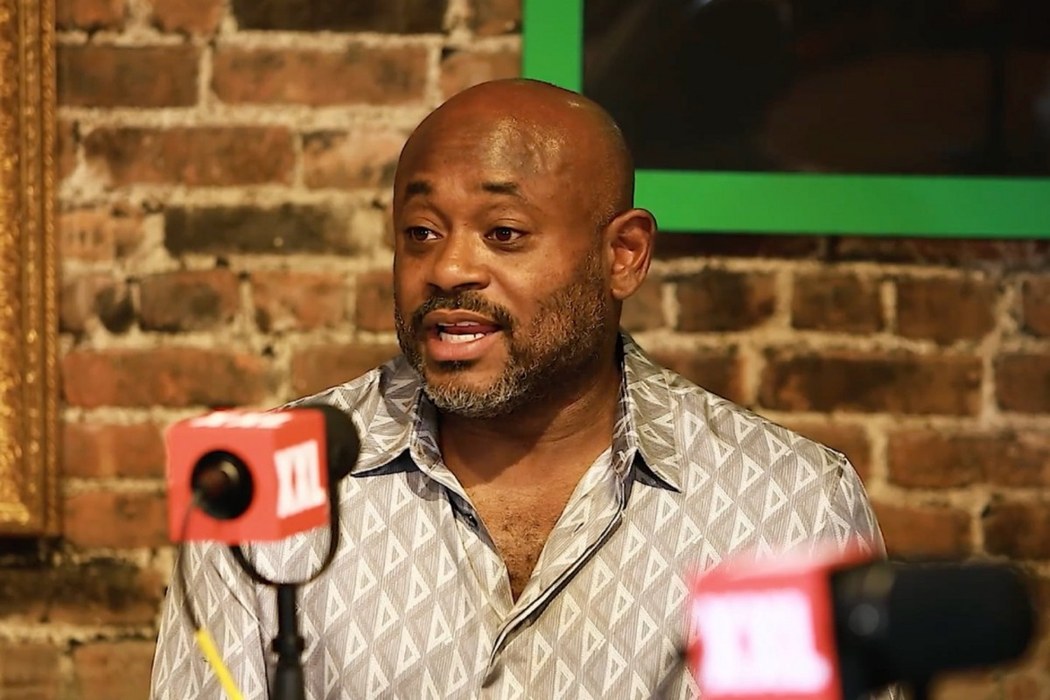
Steve Stoute Bet His Career on What the Music Business Couldn't Hear
He walked away from the record business to study advertising, then came back with a different proposition: artists should keep the work, know the audience and own the upside.

Maham Jamshed and the Long Way Around to a Good Idea
Her career began with the merchandise spreadsheet and arrived at the brand story. The interesting part is everything she carried between them.

The Trust Factory Has a Trust Problem
Edelman turned a home-perm publicity stunt into the world’s largest independent PR firm. Seventy-four years later, its product is no longer publicity. It is permission to be believed.
The Agency That Learned to Sell the Whole Conversation
DKC began with the old New York art of getting people talked about. Thirty-five years later, it sells something larger: the research, story, social post, live moment and search result that decide what the talking means.

The Agency That Bought Its Way Back Home
Res Publica Group began as a Chicago spinout. Two decades later, it bought the public-relations shop it came from - a neat lesson in how a boutique grows without pretending to be a conglomerate.

The Agency That Bought the Building - Then Kept Rebuilding Itself
SCC has survived 37 years of advertising fashion by practicing a useful contradiction: stay independent, keep changing. Its newest act turns an awkward succession into a sharper proposition for brands that cannot afford to behave like the category leader.

The Company You Hire When the Story Starts Moving Faster Than You Can
FleishmanHillard sells something difficult to photograph: better odds when attention, trust and business collide. Its best work turns a message into a decision - and its worst moments show why reputation firms must live under the same light they aim at everyone else.

YEAR-ROUND Makes One Marketing Dollar Do Three Jobs
The Miami agency treats partnerships as media, events as content studios, and a marketing budget as something to design - not merely spend.

The Ad Agency With One Client - and Eight Personalities
Inside The Wonderful Company sits a full-service shop that sells no outside pitch and still behaves like an agency. Its advantage is proximity: the people making the ads can walk straight into the rooms where the products, budgets and business decisions are made.

The $60 Hotel Room That Changed Metro PR's Mind
Two young publicists built a talent shop on nerve, watched its economics crack, and bet on digital culture before Hollywood took the feed seriously. Twenty years later, Metro's best product is still the same: knowing where attention is about to move.

The Hollywood Publicist That Taught Brands to Behave Like Entertainment
PMK•BNC's great trick was not knowing famous people. It was knowing how to turn that access into stories audiences volunteered to spread - even after a bruising merger tested the premise on day one.
Stanton & Company Bet on Women’s Sports Before the Crowd Arrived
Amy Stanton built an agency around female athletes when the market treated them as an afterthought. Twenty years later, its sharpest advice is also its least glamorous: publicity only works when the product, distribution and story are ready.

The deFIANT Knows the Red Carpet's Most Valuable Inch
A West Hollywood agency built a business by noticing what the cameras were cropping out - then turning those details into culture, commerce and coverage.

UCLA’s story starts before anyone presses send
Inside UCLA Strategic Communications, an animated research campaign and a carefully tested campus email belong to the same operation. The interesting part is how the university connects them.
Paulco knows the clothes need a story
An orange stage, a denim campaign, and a question about belonging. Paulco’s work shows how a brand can give people something to talk about beyond the product.
Red Harp Union and the work after the click
Selling a consumer brand abroad takes more than a good campaign. Red Harp Union puts brand storytelling, sales channels and customer support in the same conversation - with a Philips Water case study that shows both the promise and the friction.
SalesFish wants your brand to survive the sales call
A brochure can make a promise. A salesperson has to answer for it. SalesFish builds its business around getting those two people to agree.

Catherine Riedel Makes Complicated Companies Understandable
Across three decades, the Chicago communications executive has translated dense technology, corporate change and public-sector ambition into language people can actually use. Her method begins with a deceptively unfashionable question: should we do this at all?

Emily Cosnotti Makes Taste Operational
From photo prints and subscription boxes to an owl loose in Roblox, Emily Cosnotti has built a career out of giving ambitious ideas a workable shape. Her other laboratory is a 1929 Pittsburgh house, where taste must survive budgets, tools and the occasional uncooperative ceiling.

Benjamin Webley Put the Player Back in the Spreadsheet
Scopely's CMO built a career in the machinery of mobile growth, then made a persuasive case for looking past the machinery. His wager is simple: every metric begins with a person looking for a reason to play.

Matthew Webster Took the Blockbuster Playbook Into a Business Where Trust Is the Product
After helping Call of Duty cross $1 billion in sell-through in ten days, Matthew Webster moved from entertainment to a category where trust is part of the product. His route from London to Los Angeles to Atlanta explains the marketer he has become.

Darin Ohlandt’s Long Route to Marketing the Rules
Before he marketed compliance software, Darin Ohlandt worked in consulting, satellites, online chat, language learning, legal information and analytics. The industries changed. His fascination with making marketing measurable did not.

Tristan Pineiro Learned Branding in a Club - and Storytelling in a Dollhouse
Before he was shaping Grindr's Global Gayborhood, Tristan Pineiro promoted queer club nights in Manchester and built miniature worlds for hundreds of dolls. The same instinct still drives his work: understand the room, respect its people and make the story worth joining.

She Markets Money for a Living
She has marketed for Goldman and Lehman, co-founded a fintech, and now runs marketing across the Americas for one of the world's largest banks. A look at a career built inside the machinery of money.

Ashley Chandler Has Spent 25 Years Making Complicated Technology Feel Human
Before Peregrine, she helped explain cloud software, payments infrastructure, 3D search, and autonomous delivery. The products changed. Her real assignment did not: make the difficult legible.

James Moorhead Has Spent a Career Making Boring Things Impossible to Ignore
First he helped turn body wash into internet theatre. Now the former Old Spice marketer runs a network of 8,000-plus key-copying kiosks - a career built on finding drama in the everyday and removing friction where people feel it most.
Alison Stiefel Knows the Best Retail Stories Begin After the Click
After 26 years at the seam between data and desire, Janie and Jack's new marketing chief is betting that family memories - not more merchandise - are retail's most durable currency.

Cyntia Leo Knows Attention Must Be Earned
From a Broadway seat in childhood to the C-suite at Knix, Leo built a career by treating audiences as participants - and attention as something a brand has to deserve.
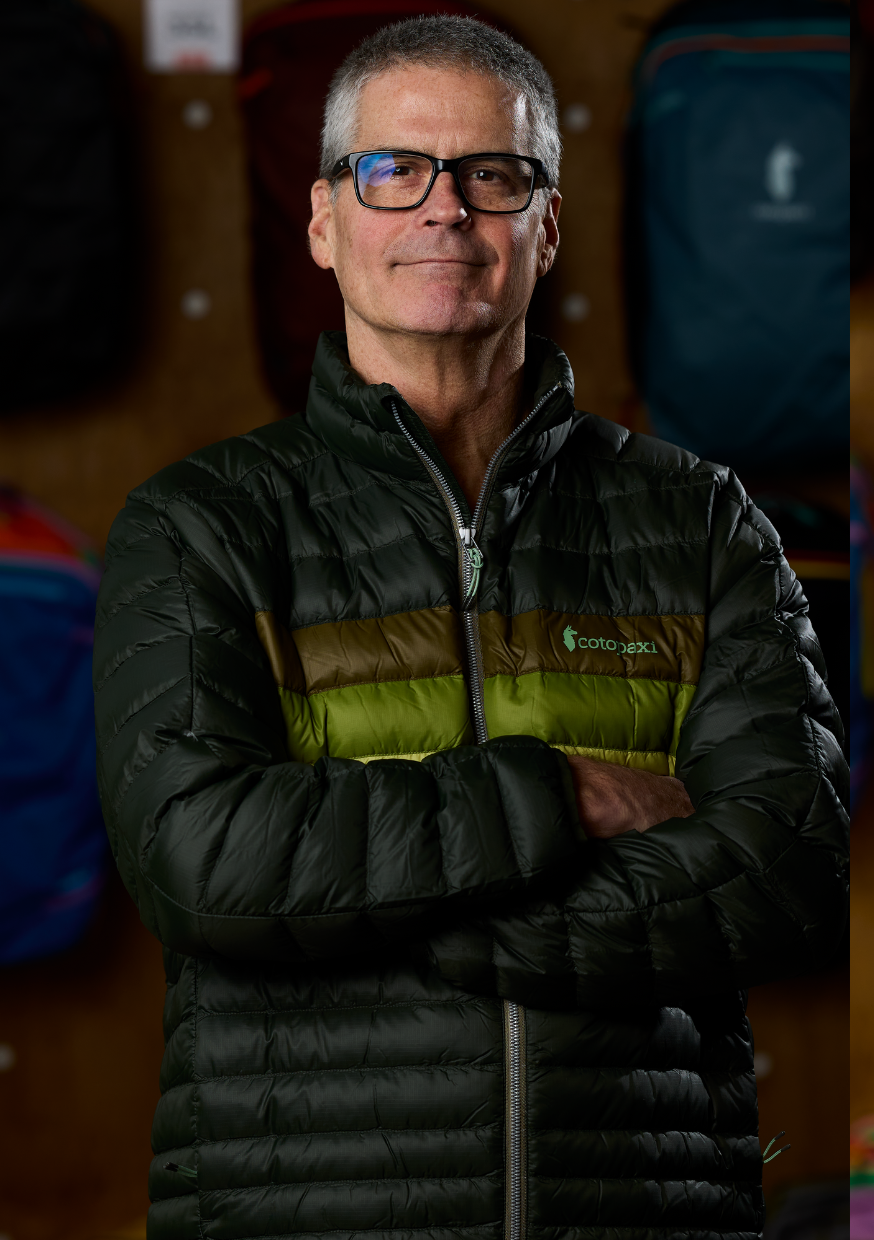
Craig Rowley Has Spent a Career Making Brands Mean Something
From Harley-Davidson and Porsche to #OptOutside and Cotopaxi’s llama herd, Craig Rowley has built a career around a stubborn idea: the strongest marketing gives people something worth joining.