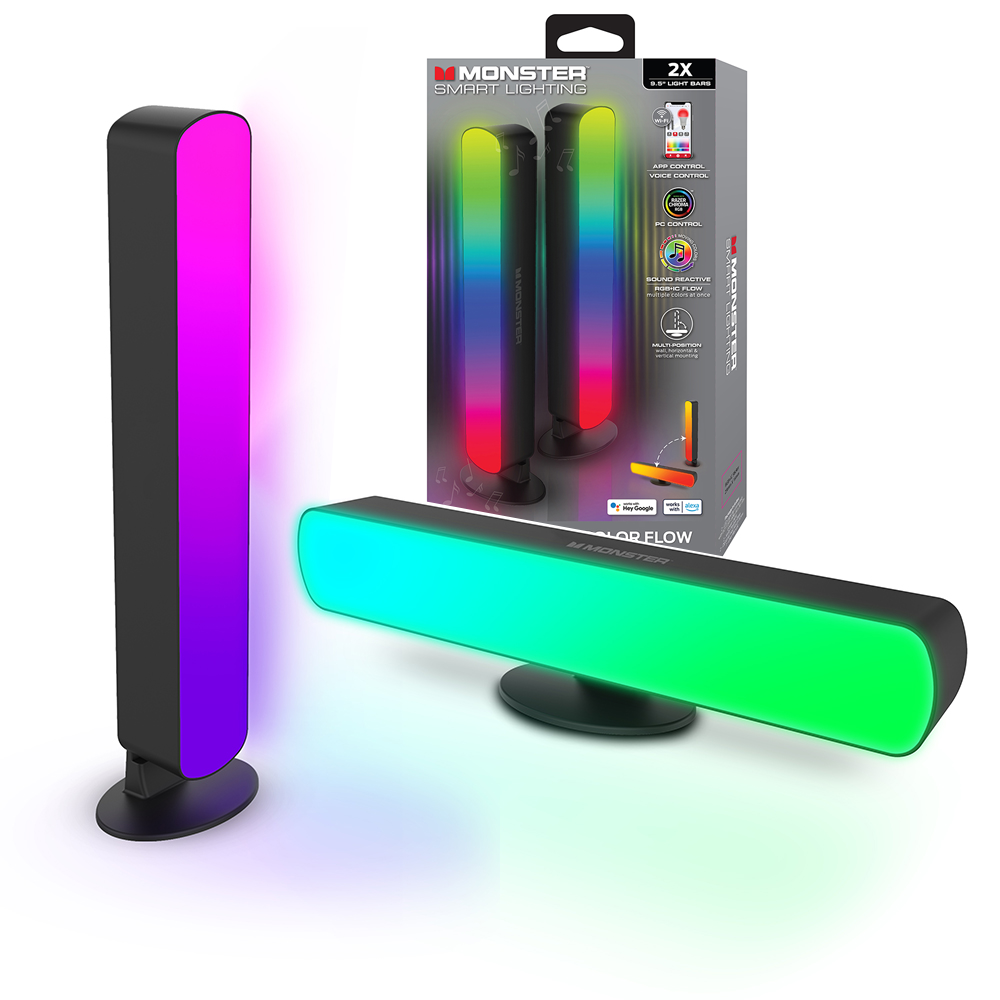
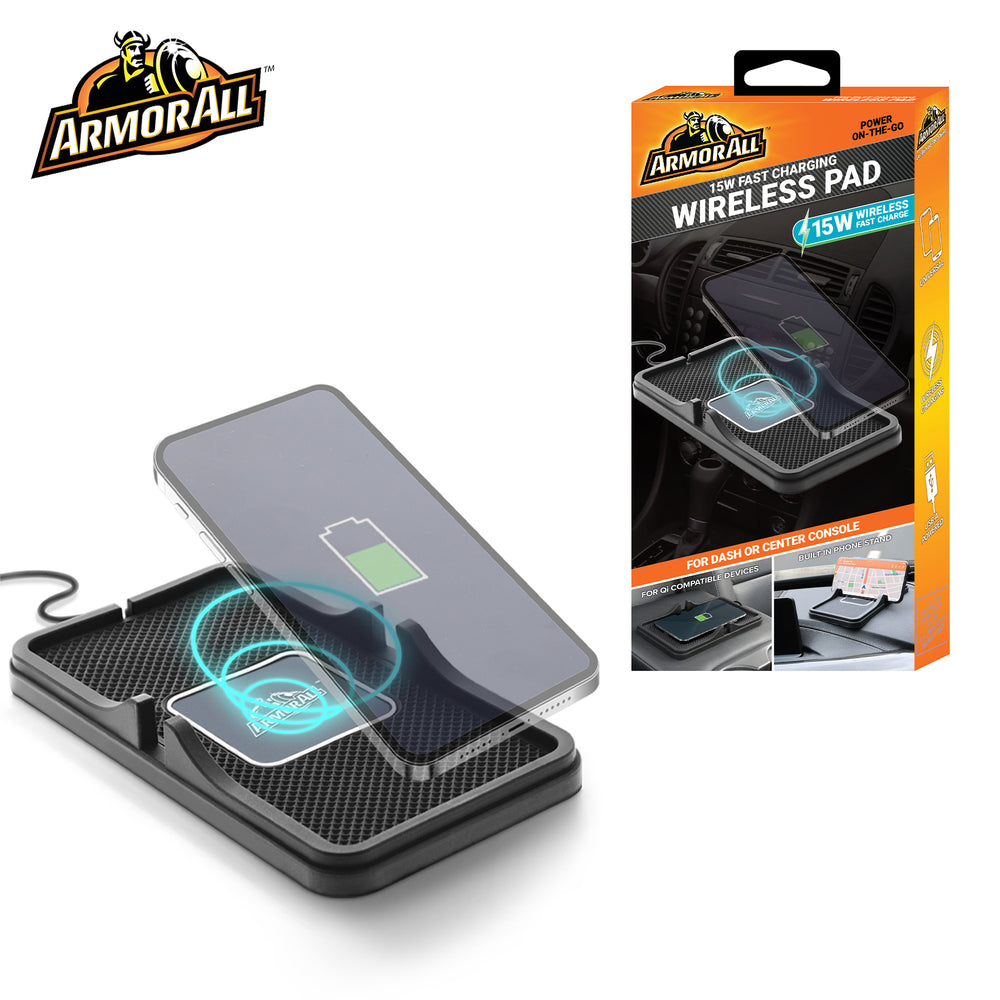
Walk any big-box aisle in America and you will find its products, though you almost certainly will not find its name. A $14.99 Armor All wireless charging pad. A Monster RGB LED light bar. An Energizer WiFi camera. A Barbasol trimmer. Different logos, different shelves, one company behind them: Jem Global, legally Jem Accessories, Inc., a family-run business in Woodbridge, New Jersey.
Jem Global does not try to make you love a brand called Jem. It makes you reach for a brand you already know. The company licenses the names of established American icons - Monster, Black+Decker, Energizer Connect, Armor All, STP, Barbasol, Pure Silk, AIWA, RCA, Xtreme - and turns them into affordable consumer electronics and accessories. The logo on the box does the marketing. Jem does everything else.
The idea: borrow the trust, build the product
Most consumer-electronics stories are about inventing the next thing. This one runs the other direction. Founded in 1999 by brothers Elie and Marco Chemtob along with Adam Romano, Jem started in digital lifestyle accessories - cables, mounts, chargers, home-theater bits - and grew as the category exploded. Somewhere along the way the founders noticed something simple: a shopper deciding between a no-name power bank and an Energizer power bank at the same price does not hesitate. The name is the product.
So the business became a licensing machine. Jem secures the rights to a recognizable brand, then handles the parts that are invisible to shoppers and essential to retailers: product design, engineering, sourcing, safety certification, packaging that reads clearly on a shelf, e-commerce, and distribution out of warehouses that reach coast to coast. The retailer gets a familiar name and a healthy margin. The brand owner gets its name kept alive in new categories. Jem sits in the middle, doing the work.
"America's most trusted consumer brands didn't become icons by accident. They earned it. Our commitment is to extend the life of these iconic brands in new products."
Elie Chemtob, Co-Founder & CEOWhat it actually sells
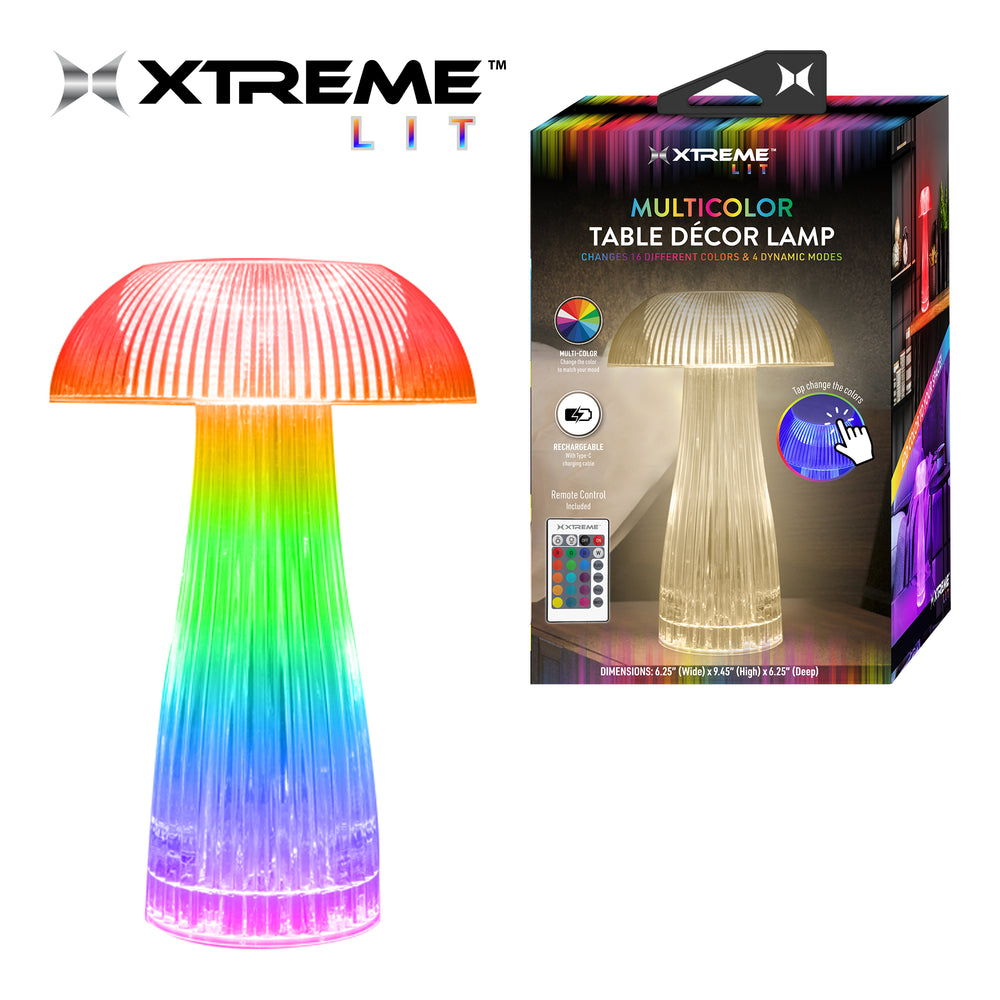
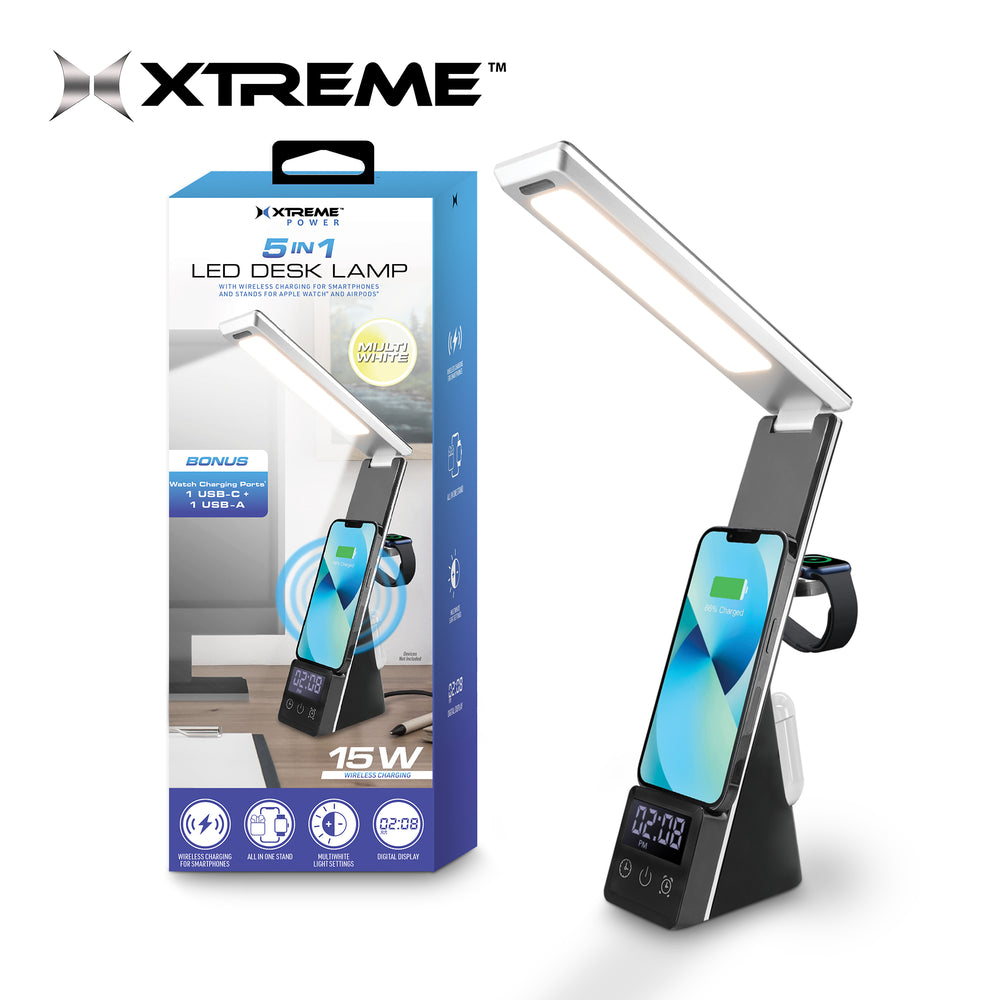
The catalog is deliberately wide. More than 2,000 active SKUs, with 250-plus new products added every year. That breadth is the point - a cross-category partner is more useful to a buyer than a one-trick supplier. The range runs from power solutions (cables, chargers, power banks, wireless pads) and audio gear, to smart-home cameras and connected lighting, to automotive accessories, to personal-care electronics like rechargeable trimmers.
How the machine works
The reason licensing is hard to copy is not the license itself - it is everything downstream. A brand owner will not lend its name to a partner that ships uncertified junk or packaging that embarrasses the logo. Jem's pitch is that it owns the whole chain in-house, so quality and speed are controllable rather than outsourced and hoped for.
That compliance stack - UL, ETL, cETL, RoHS, Prop 65 - sounds like paperwork, and it is. It is also the moat. Retail buyers do not gamble on suppliers who cannot prove their product is safe and legal to sell in every state they operate in. The boring work is the competitive edge.
There is a second reason the model holds together: speed of refresh. Keeping 2,000 SKUs from going stale means retiring the tired ones and feeding in roughly 250 new products a year - a cadence that only works when design, engineering, quality control and merchandising sit under one roof rather than being handed between vendors an ocean apart. Jem describes its teams as in-house across all of those functions, which is less a bragging point than a requirement of the format.
The expertise underneath
Strip away the famous logos and what Jem sells to its brand partners is competence in the parts of the business consumers never see. Sourcing and manufacturing to a price point. Getting a product certified before a buyer asks. Designing packaging that survives a crowded planogram and still communicates in three seconds. Managing inventory so a chain never faces an empty peg. Running the e-commerce and retail-support side so the same catalog works online and on a shelf. None of it photographs well. All of it is why a brand owner signs the license and a retailer places the order.
Who buys it - and where it goes
Jem's customers are not really the shoppers; they are the stores. The company sells wholesale to big-box chains, mass-market and drugstore retailers, electronics chains, distributors and independent dealers. From its New Jersey base it reaches well beyond the United States - authorized dealers and distributors span Canada, Puerto Rico, Mexico, Europe, the United Arab Emirates, New Zealand and Australia.
With roughly 72 to 75 employees and an estimated $15 million in annual revenue, Jem is not a giant. It is something more interesting: a small operator punching into the biggest retail channels in the country by carrying names those channels already stock with confidence. The company frames itself as family-first and family-owned, and after 25-plus years without outside funding, the description is more than decoration - it is the reason the founders can play a long, unhurried licensing game instead of chasing a quarter.
The AIWA bet
The clearest example of the strategy is AIWA - a Japanese audio brand born in 1951, beloved in the cassette-and-boombox era, and dormant for years. Jem manufactures and licenses it, and at CES 2024 it did something more ambitious than nostalgia. It launched AIWA INTELLIGENCE, a line of voice-controlled home appliances - heaters, coffee makers, vacuums, fans - built on patent-pending voice technology that works without Wi-Fi, a smart plug, or a cloud account. No internet, no stored voice data.
"The AIWA INTELLIGENCE line redefines home convenience. Our voice-controlled, hands-free technology does not require Wi-Fi and streamlines daily tasks."
Elie Chemtob, Co-Founder & CEOIt is a neat counter-move in a market fatigued by setup screens and privacy prompts. Instead of asking a customer to connect an appliance to their home network, it asks them to just talk to it. The retro brand and the offline pitch land in the same place: less friction, more trust. It also shows the ceiling of the licensing model is higher than "put a logo on a cable." A dormant name can be genuinely rebuilt, not just rented, if the product underneath earns it.
Under which conditions would the whole approach not work? Two, mainly. If a licensed product fails on quality, the borrowed trust cuts the other way - a bad Barbasol trimmer damages Barbasol, and the license is gone. And a licensing house does not own its own demand; it rents recognition it cannot fully control, on terms it renegotiates. The upside of not building a brand from zero is also the risk: the name on the box was never yours.
How it's different from the competition
Jem competes with private-label importers and other licensed-brand houses - the Sakars and SDI Technologies of the accessory world - and, on the shelf, with premium players like Belkin, Anker and Scosche. Its wedge is portfolio breadth plus borrowed recognition. A premium accessory maker asks a shopper to pay up for its own name. A pure private-label importer asks them to trust no name at all. Jem occupies the middle: a familiar logo at an affordable price, across a dozen categories, from a single dependable supplier.
Where it fits
The company sits at an unglamorous but durable spot in the market: the operator underneath the logo. As household brands look to stay visible in categories they never manufactured themselves, and as retailers want recognizable names at value prices, a partner that can license, design, certify, package and ship becomes quietly valuable. Jem's founding line - earn trust through honesty, deliver value through hard work - reads like a slogan, but it is also an accurate description of the business. The product you can copy is not a gadget. It is the idea that distribution and trust can beat invention.
Its next act is already staged. In December 2025 the company announced an accelerated infusion of brands for CES 2026, with a year-long rollout across audio, smart home, rugged accessories and AV. More logos, same playbook.