led-lighting
(17)
Promotion Plus puts the brand on the gas station
A Los Angeles sign company turns corporate identities into canopies, price signs, and pump decals. Its real business is making all those pieces agree - with the brand, the site, and the permit.

GLAMCOR Bet $200,000 on Cosmetics. Customers Only Wanted the Light.
A failed construction business, a year in cheap Chinese hotels and one oddly revealing trade show turned Erik Kaiser’s lighting hunch into a global hardware company. Its best lesson is simple: watch what customers crowd around, especially when it is not the product you planned to sell.
The Nativity Play That Turned Into a Lighting Company
It began in a basement with a nativity musical nobody was supposed to sell. Two decades later, the Vaque family builds the LED house lights hanging over your church stage - and their salespeople make nothing on the sale.
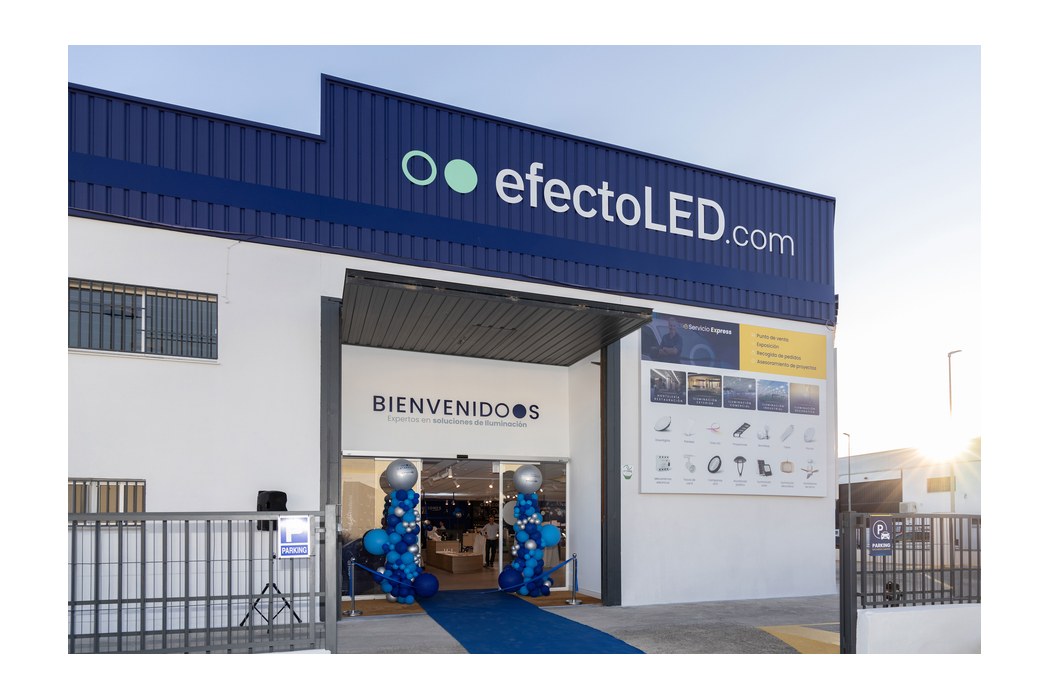
The LED Store That Conquered 13 Countries Online - Then Opened One Real Door
Grupo efectoLED spent a decade making 20,000 lighting products feel one click away. Its first professional shop reveals the limit of pure e-commerce - and a practical playbook for turning stock, service and software into trust.
The Company That Rents Out America's Most Trusted Logos
A Woodbridge, New Jersey family business has quietly built a 2,000-product catalog by borrowing names shoppers already trust - and doing the unglamorous work of design, packaging, and shelf logistics behind them.
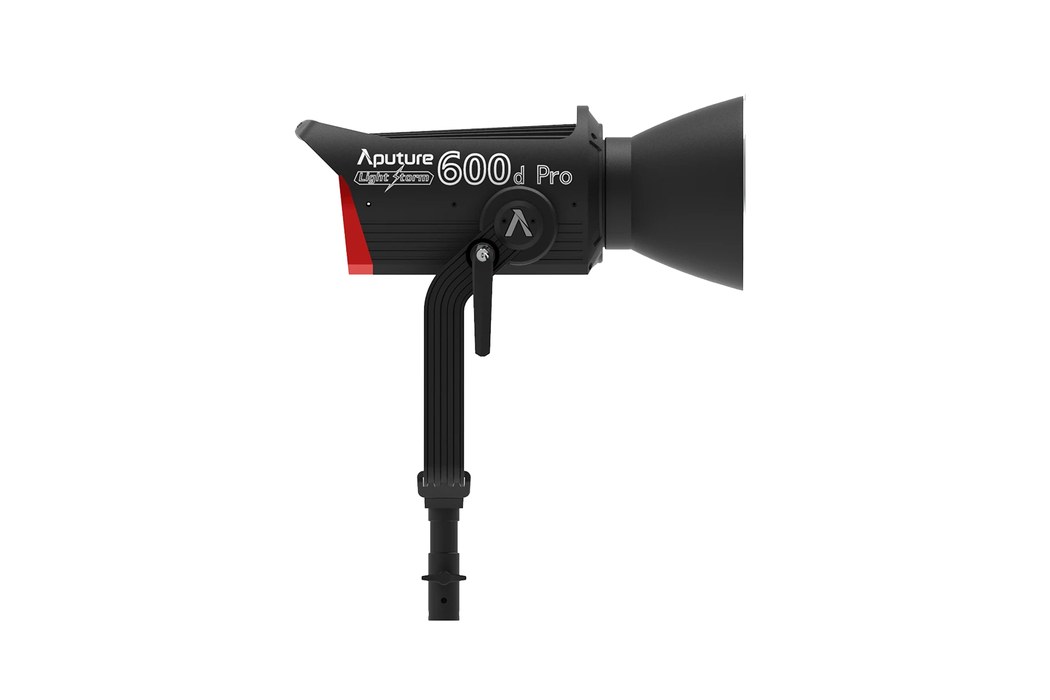
The Company That Made Hollywood Lighting Cheap Enough for the Rest of Us
A camera-accessory side hustle turned into the lighting brand on more film sets than almost anyone else. The trick was refusing to charge ARRI prices.
Signify Turned the Light Bulb Into a Data Business
The company that used to be Philips Lighting bet that a light bulb is really a data point. Here is how a 130-year-old lamp business turned itself into smart homes, connected cities and carbon-neutral factories - and where that bet gets shaky.
The TV Company That Started Selling You the Sun
Skyworth spent three decades becoming a top global TV brand. Now it is quietly betting the next three on putting solar panels on Chinese roofs - and the math is starting to favor the panels.

The Jersey Factory That Still Makes Its Own Light
For 50 years Princeton Tec has done the unfashionable thing: keep the whole flashlight - the plastic, the tooling, the assembly - under one New Jersey roof. Here is why a 40-person shop still bets on American-made light.
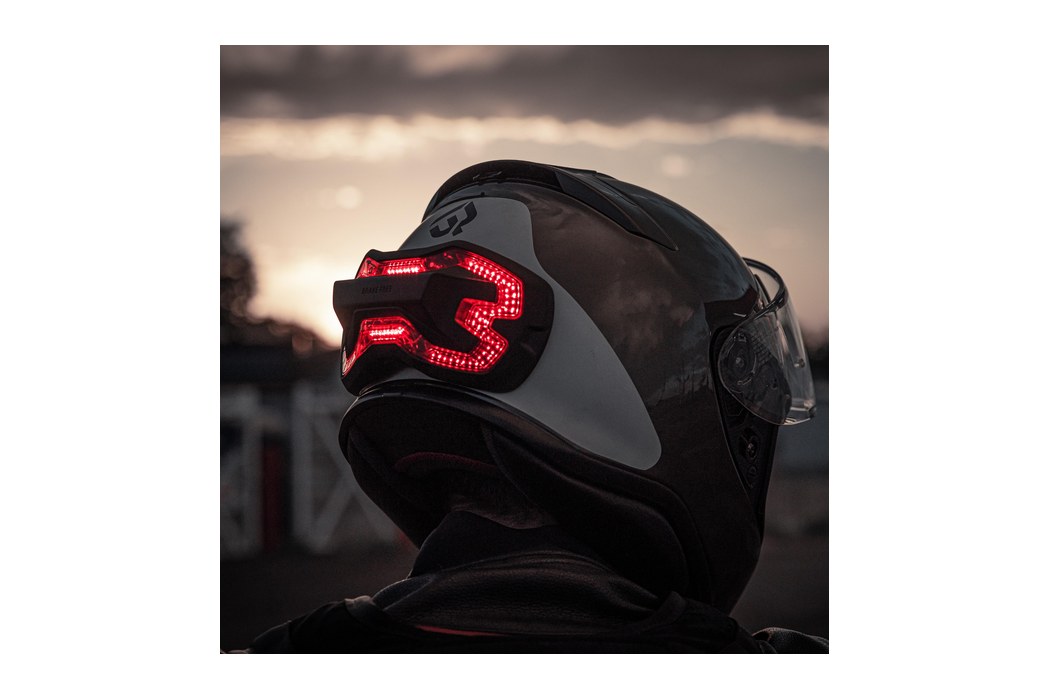
The Helmet Light That Won't Let Drivers Say They Didn't See You
A Redwood City hardware team decided the safest place for a brake light was not on the bike at all, but at eye level on your head. Here is how a $160 gadget and a patented braking algorithm ended up on 60,000-plus helmets.

The Kid Who Wired His Bed, Then Wired Everyone's Bike
A dad rigged LEDs to his son's twin bed. The son bolted them to his bike instead. Two decades later, Brightz sells the glow that turns a parking-lot bike ride into an after-dark parade.

The Guy Who Bet $22M That You'll Never Buy AA Batteries Again
Dennis Bertken spent nearly two decades researching why flashlights fail. His answer - Infinity X1 - is a light that carries two power sources so it never leaves you in the dark, and it has already sold more than 15 million units.

Elemental LED Inc.
Elemental LED (now operating as Elemental Brands) is a Reno, Nevada engineering and manufacturing company that designs, builds and sells linear low-voltage LED lighting. Founded in 2008 at the dawn of the LED era and led by founder Randy Holleschau, it has grown into a multi-brand platform - Diode LED, Lucetta, Lucetta CI, Gammalux and Elemental LED - covering distribution, specification, custom integration and architectural markets. The company holds patents across optics, LED light engines, drivers and power, manufactures in the United States for Buy America compliance, and serves customers ranging from electrical contractors to Apple, Google, NASA and Marriott.
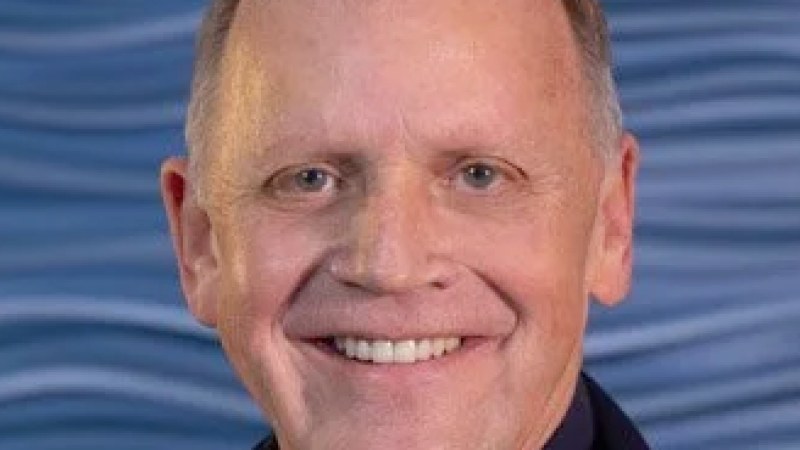
Randy Holleschau
Randy Holleschau is the founder, President and CEO of Elemental LED, the Reno, Nevada manufacturer that became one of America's largest providers of low-voltage linear LED lighting. A serial entrepreneur who says he has started more than fifty businesses and built what became DHL eCommerce, he has advised Fortune 500 companies including Charles Schwab, Bank of America, UBS and the USPS. Under his lead, Elemental LED has filed for close to 100 patents and operates two divisions, the wholesale Diode LED brand and a business solutions arm, while running on a homegrown culture code he calls FUCA: Focus, Urgency, Collaboration, Accountability.
BrightView Technologies
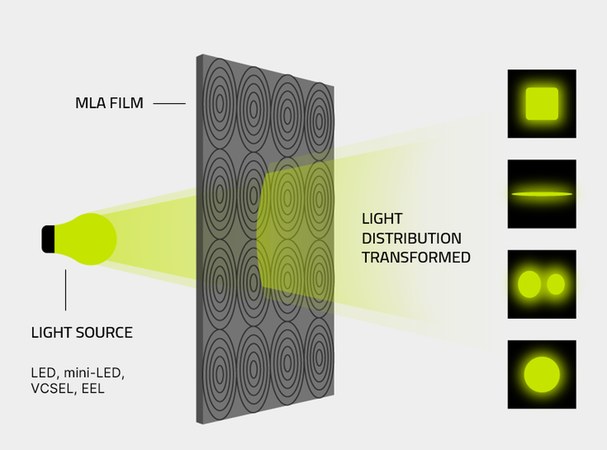
BrightView Technologies is a Durham, North Carolina optical-film company that designs and manufactures micro lens array (MLA) films using a discipline it calls computational optics. By engineering microscopic structures into rolls of film, BrightView gives engineers precise control over how light spreads, hides, brightens, and bends - powering automotive displays, consumer electronics, AR/VR headsets, LiDAR sensors, and LED lighting. The company pairs in-house optical design software with high-volume roll-to-roll production, supplying global manufacturers from a single Research Triangle Park facility.

Jennifer Aspell
Jennifer Aspell is the CEO of BrightView Technologies, a Durham, North Carolina optics company that engineers micro lens array films to shape and manage light for displays, AR/VR, automotive, LiDAR, sensing and LED lighting. An electrical engineer trained at Rensselaer, UC Berkeley and Purdue, she started out at Bell Laboratories building technology for long-haul optical networks before moving through Lucent, JDS Uniphase and Tyco Electronics. She took the helm of BrightView in 2010 after the recession gutted its original rear-projection-TV market, and rebuilt it into a global supplier serving more than 200 customers, capped by a $7M Series B in 2025 led by Forvia Hella and Technology Venture Partners.
Leonard Livschitz
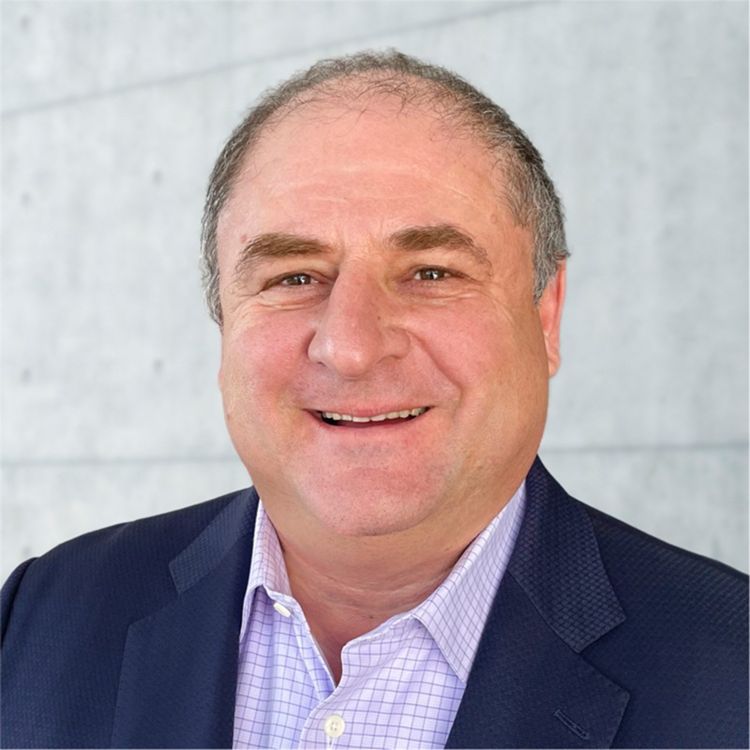
Leonard Livschitz is the CEO and Director of Grid Dynamics (NASDAQ: GDYN), a Silicon Valley-based digital engineering company serving Fortune 1000 enterprises. An immigrant from Kharkov, Ukraine with dual master's degrees - one in robotics from Ukraine and one in electrical engineering from Case Western Reserve University - he spent over two decades at Ford, Visteon, HP, and Philips before co-founding Luxera and ultimately taking the helm at Grid Dynamics in 2014. Under his leadership, Grid Dynamics has grown from a boutique e-commerce consultancy into a publicly traded AI and cloud engineering powerhouse with nearly 5,000 employees and over $350 million in annual revenue, earning a Preferred Vendor designation from AWS in 2025 amid a 30% year-over-year growth in its AI division.