Sometime around 2004, in a house near the Michigan-Ohio line, an engineer named Ron Finch wired a strand of LED lights to his son's twin bed. The idea was to turn the bed into a glowing race car - the kind of thing a dad builds on a weekend. His 12-year-old son, Eric, looked at the prototype, appreciated it for roughly one afternoon, and then did the thing every parent of an inventor eventually witnesses: he took it apart and put it somewhere it was never meant to go. In this case, his bike.
The neighborhood noticed. A kid riding after dark on a bike that glowed was, in the mid-2000s, a genuine spectacle. That reaction - not the bedroom, not the race car - was the actual product. The Finches formally started Brightz, Ltd. in 2008 and shipped their first light, GoBrightz, in 2010. Today the company runs from Ottawa Lake, Michigan, with about 25 people, and sells dozens of LED products through Walmart, Target, Meijer and Amazon.
What They Actually MakeGlow you can bolt onto almost anything
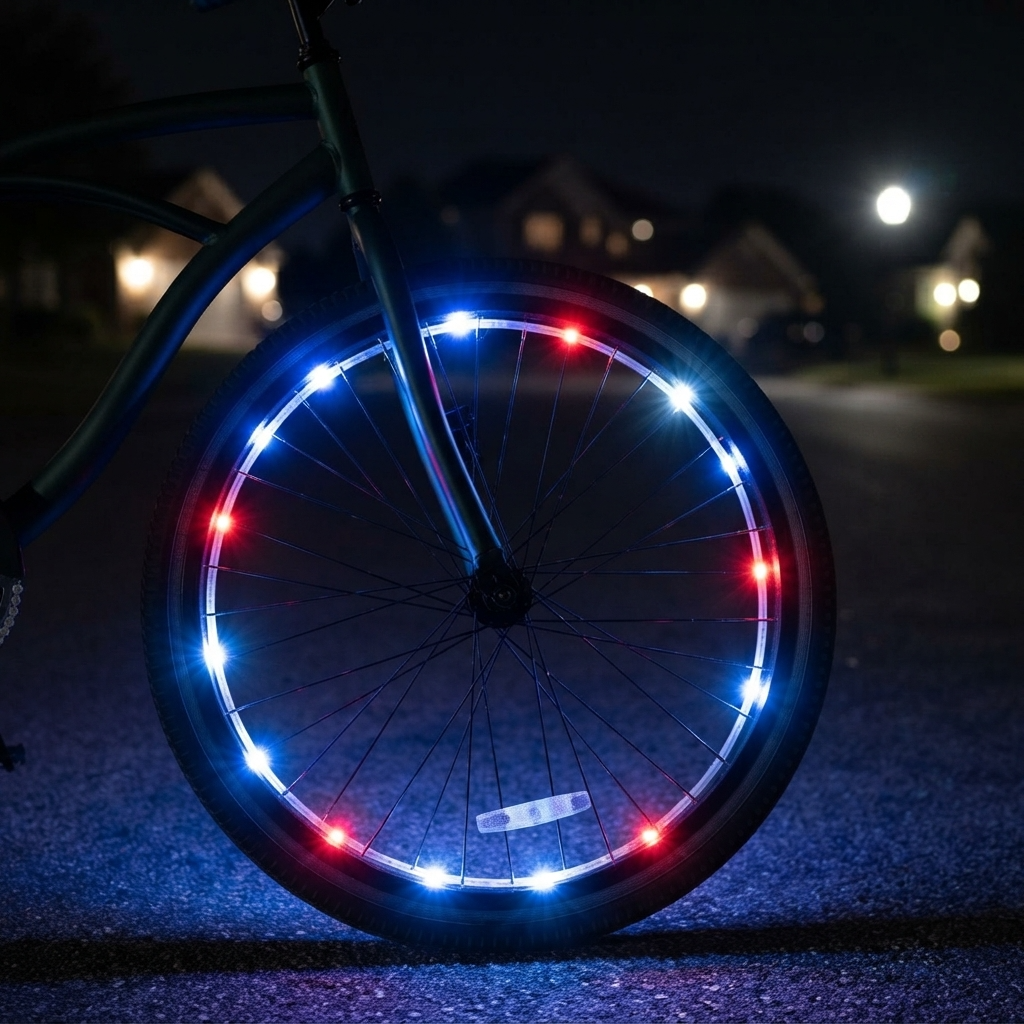
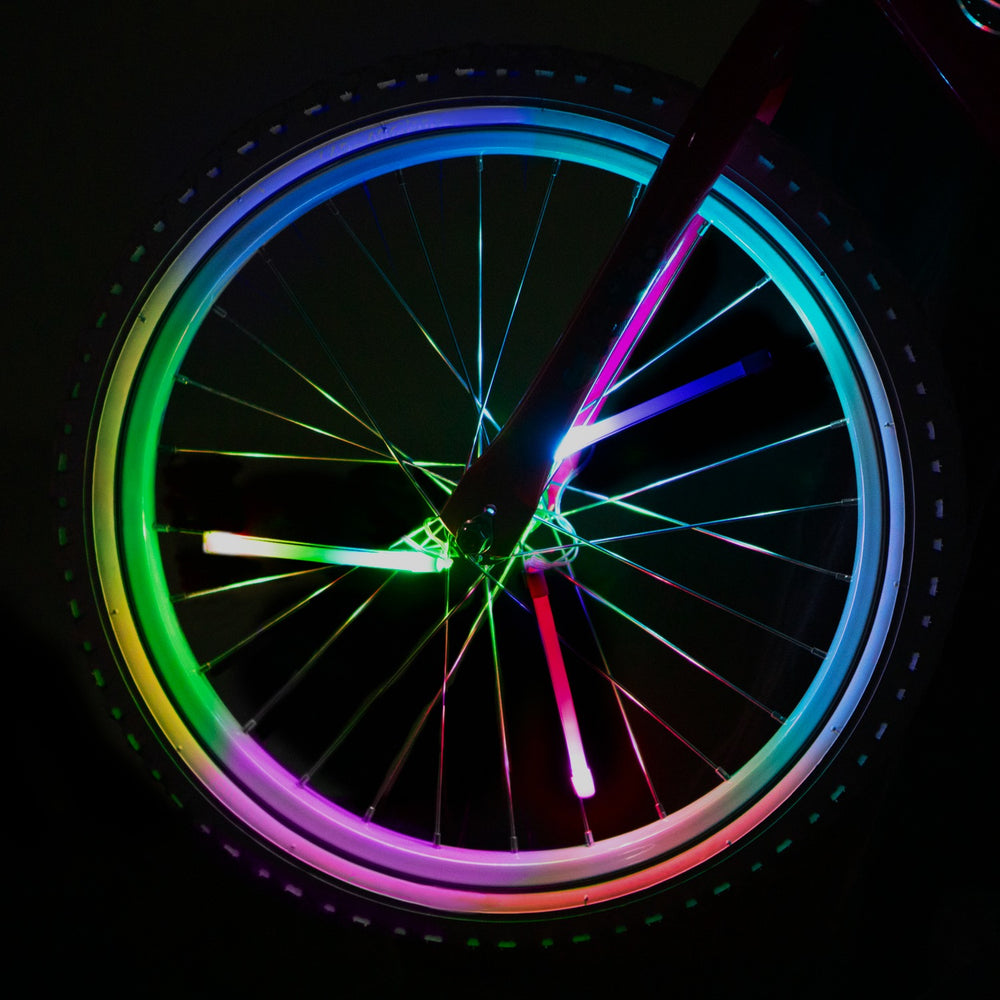
Brightz is, at its core, a bike-light company that refused to stay one. The flagship is WheelBrightz: a strand of roughly 20 micro-LEDs you zip-tie around a wheel so that, when it spins, the whole wheel reads as a solid ring of colored light. Around it sits a family of bike products - GoBrightz frame underglow, CruzinBrightz handlebar projectors, and a rack of spoke lights (Spoke, Orbit, Spin, Star, Shape) that clip on and blink in patterns.
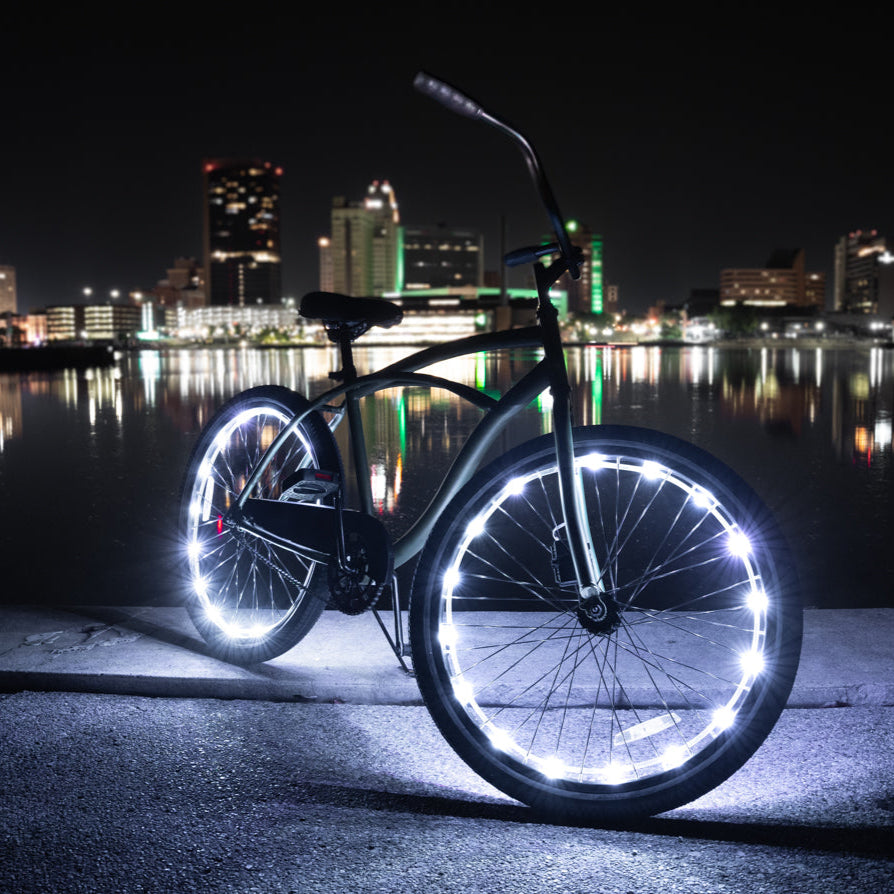
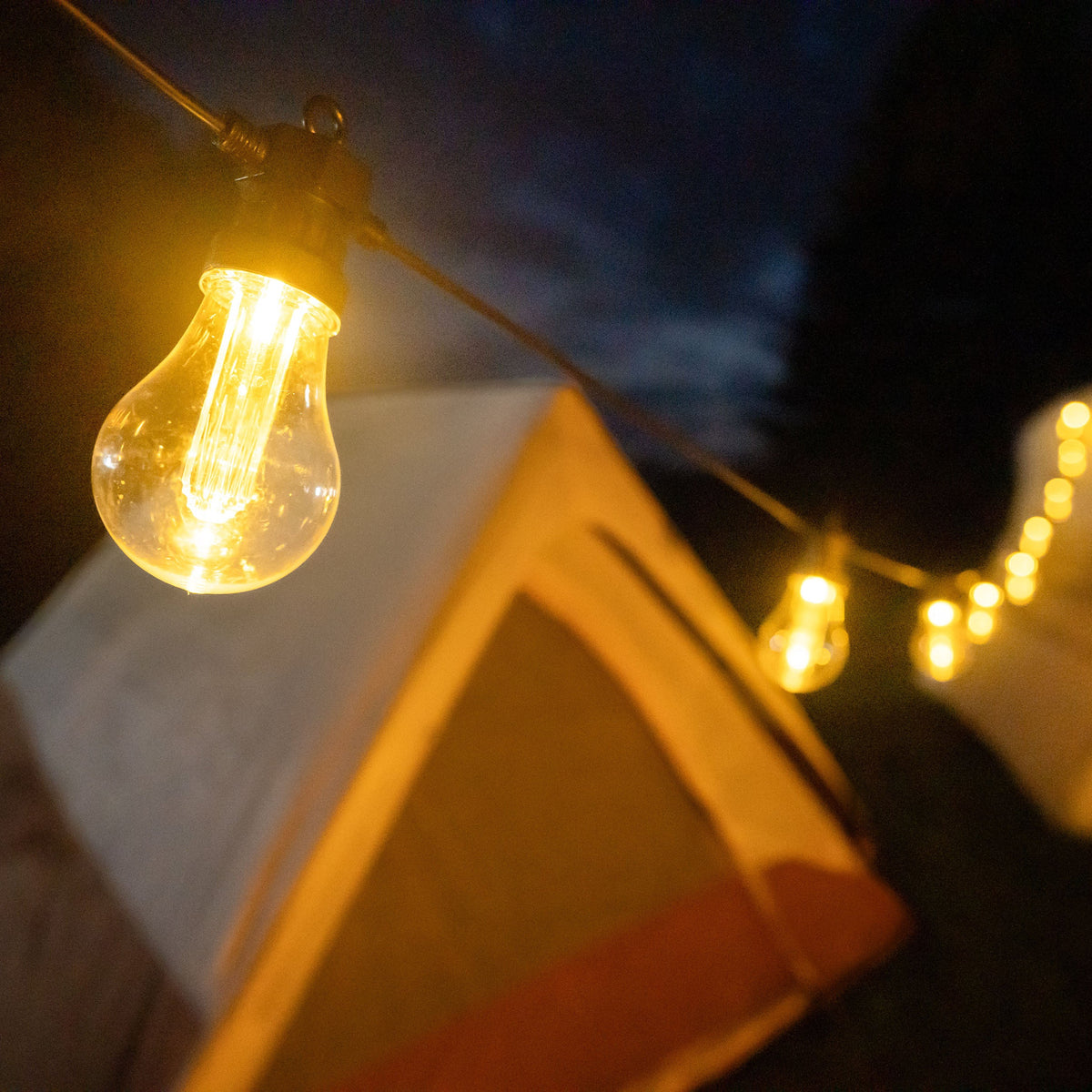
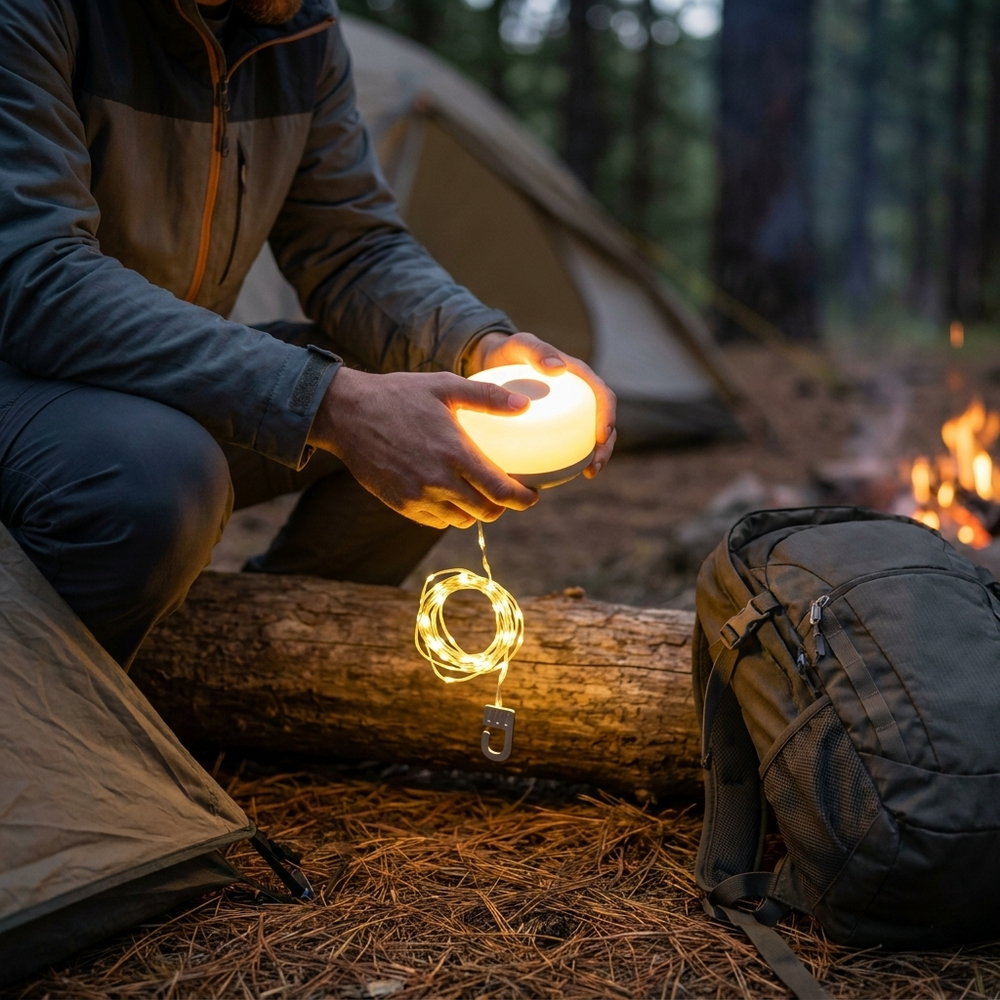
Then, around 2016, the company asked the question that quietly runs its entire roadmap: what else could glow? The answer turned out to be almost everything a family owns. Coolers got CoolerBrightz. Camp chairs got ChairBrightz. Canopies, lanterns and patio umbrellas got string lights. Cornhole boards got glowing rings; ping-pong tables got edge lights and glow-in-the-dark balls; trampolines got jump-activated lighting. There are LED shoelaces, lighted slap bracelets, glowing scrunchies, a light-up bike bell and a lighted horn.
Who Buys ItKids with birthday money, parents with a worry
The genius of Brightz is that it sells two things to two people in the same box. To a kid, it sells a spectacle - a bike that other kids will chase down the street to look at. To a parent, it sells something quieter: a child who is visible on a road after dark. The products feel like toys and function like safety gear, which is why they end up in a cart without the usual argument.
From the very beginning, Brightz has always been about being seen and having fun.— Brightz
Pricing follows the same logic. Wheel lights start around $16.49; spoke two-packs run under $10; the pricier camping and games items top out in the $40s. That is deliberate. Price a bike light like a premium accessory and a 10-year-old can't buy one with saved allowance - and if the kid can't buy it, the crowd never forms, and the crowd is the marketing.
Priced so the buyer is often the rider
The Growth Channel Nobody Budgets ForThe parade is the ad
Every bike wearing a WheelBrightz is a live demo, watched by an entire street. Brightz leaned into that instead of fighting it. The company is tied to the rise of the "glow ride" (or "glow roll") - nighttime community bike rides where the whole point is to be lit up - and even backs a local one in Sylvania, Ohio called Ridin' Late in County 48. When your customers wear your product in public, in a group, at night, you have a marketing engine that a media buy can't replicate.
Whether it's a casual community bike ride or a fundraising event, we put the glow in glow-roll.— Brightz
How It's DifferentSelling a feeling, not a spec sheet
Most bike-light competition splits into two camps. On one side sit serious safety brands - the Knogs, Cygolites and Nite Izes of the world - selling lumens, runtime and beam patterns to commuters. On the other sits an endless tide of unbranded LED strands on Amazon competing purely on being 50 cents cheaper. Brightz sits in the gap: a branded product built around spectacle and fun rather than raw output, priced for kids and families, and backed by a name that shows up on a shelf at Target.
That positioning is also its moat. Anyone can source an LED strand; not everyone can get a $16 novelty item onto the shelves of Walmart, Target and Meijer and keep it there. Two decades of retail relationships, run by a family that has been at it since the founder was in middle school, is not a thing a drop-shipper can conjure overnight.
The BusinessA family shop that makes physical things
Brightz is privately held and family-run, with no outside funding on record. It sells direct through a Shopify storefront (with Klaviyo running the email side) and wholesale into big-box retail and marketplaces. The model is unglamorous and durable: design an affordable, mostly battery-powered accessory, manufacture it, and move it through both a website and a shelf. In a startup landscape obsessed with software, a 25-person Michigan company shipping glowing zip-tie strands to Target is a useful reminder that real products still get made.
The TimelineFrom a bedroom to the big-box aisle
The through-line is simple enough to fit on a spoke light: pay attention to what people do with your thing, not what you built it for. Ron Finch built a race-car bed. His son built a company - by ignoring him for one afternoon, and then never really stopping.