family-business
(108)
Varun Kogta and the second life of a balance sheet
From bank audits to a family lender in Jaipur, Varun Kogta has helped connect the business of used vehicles with institutional capital. His story runs through the less glamorous machinery of growth: liquidity, reporting and the confidence of lenders.

Venkat S and the cost of unfinished advice
After years inside corporate finance, Venkat S helped build Practus around a demanding question: what did the advice actually change? His answer runs through CFO services, family businesses, and the everyday work of making technology useful.

Arun Kogta’s bet on the second-hand economy
A civil engineer joined his family’s lending business in 2004. Two decades later, Arun Kogta is connecting used vehicles and small businesses in India with capital from global investors.

Marc Williams and the Business He Was Never Going to Join
He inherited a Seattle agency, studied the choices people make, and kept heading for the water. Marc Williams’s career turns on a question that advertising often hurries past: what makes someone choose you again?
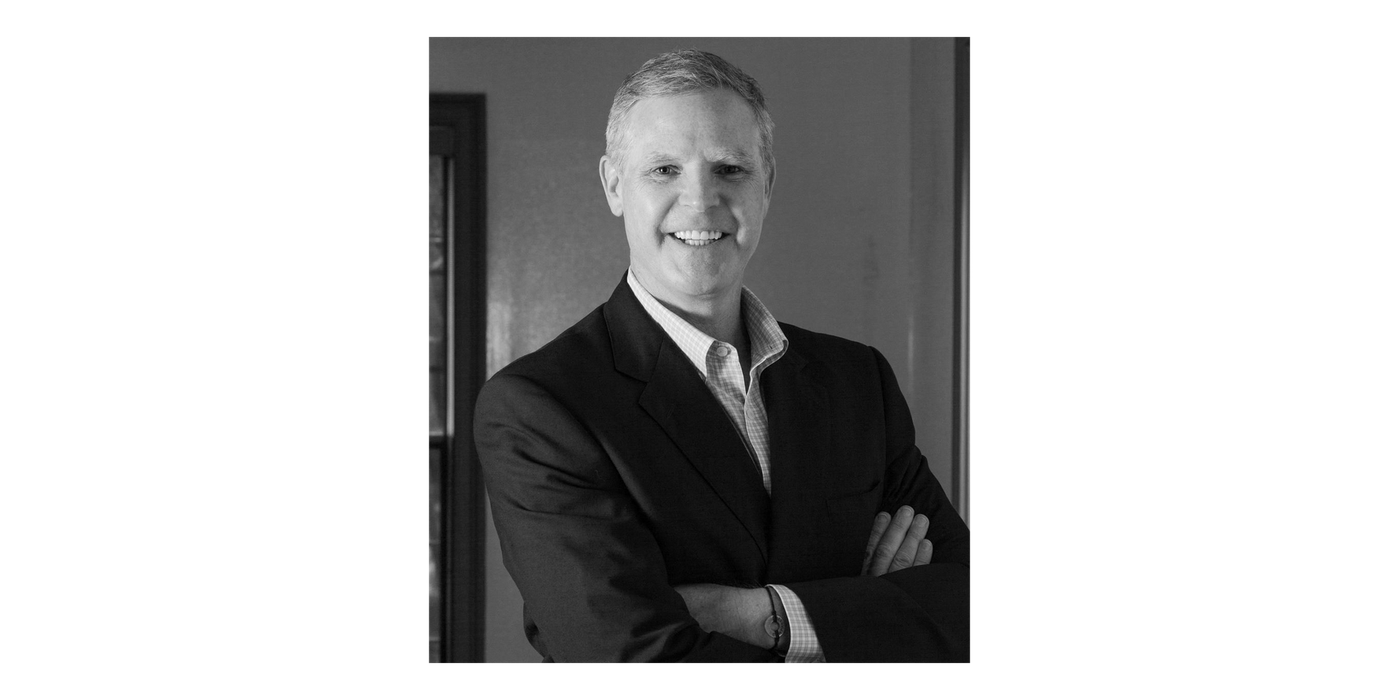
Scott Brandon and the logic of leaving
He left a litigation practice for his father’s seven-person agency. Three decades later, Scott Brandon is still deciding what to keep, what to buy, and when an advertiser ought to leave people alone.
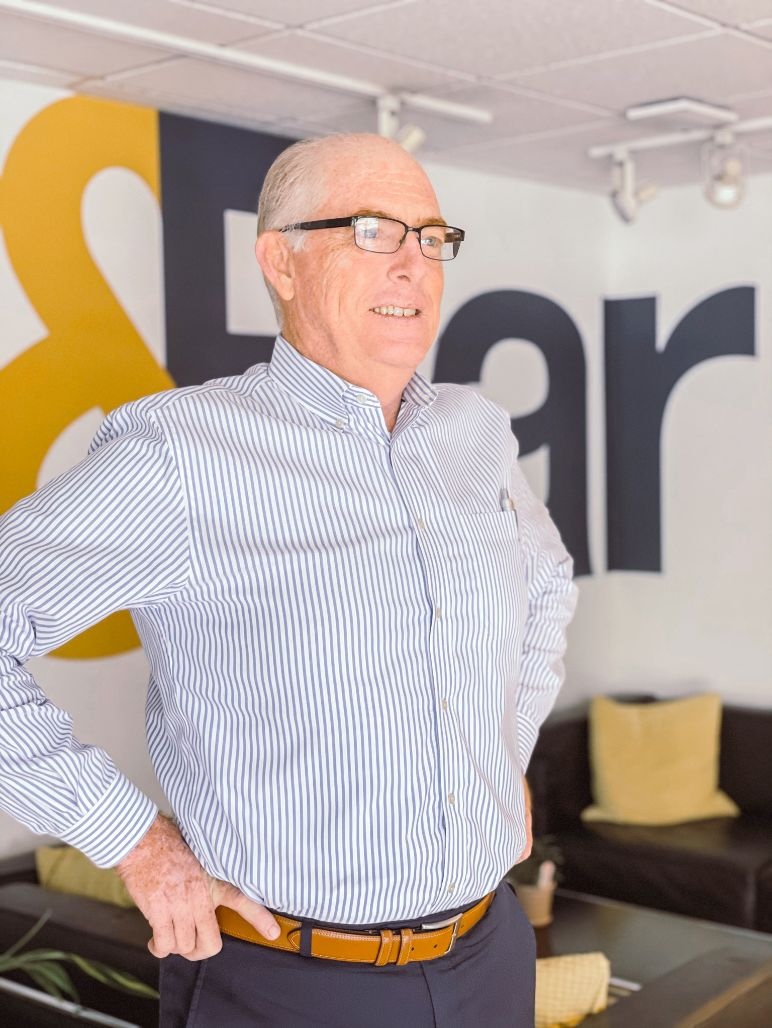
Pete Barr and the meaning of an ampersand
When Pete Barr Jr. took over his father’s advertising agency, he inherited a name and a set of expectations. His answer was to keep changing the business, then put a symbol of partnership on the door.
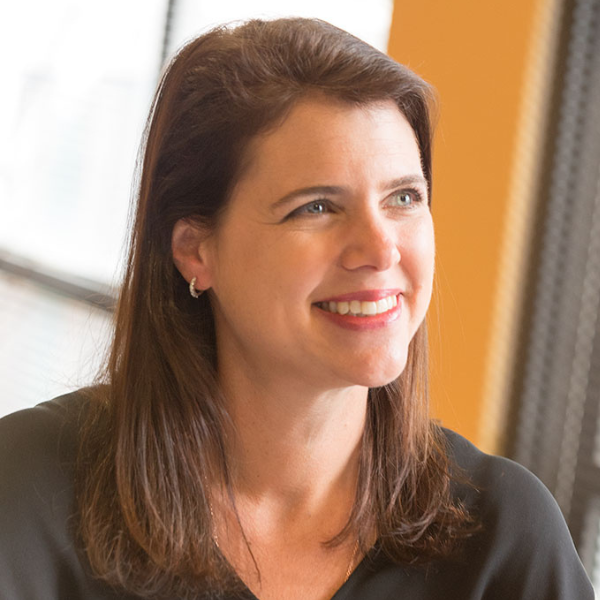
Bethany Andell and the two-year deal that outlasted Hollywood
She came home to Houston for an MBA and a two-year commitment to the family business. Bethany Andell stayed to work on a harder question: how a company makes its story believable.
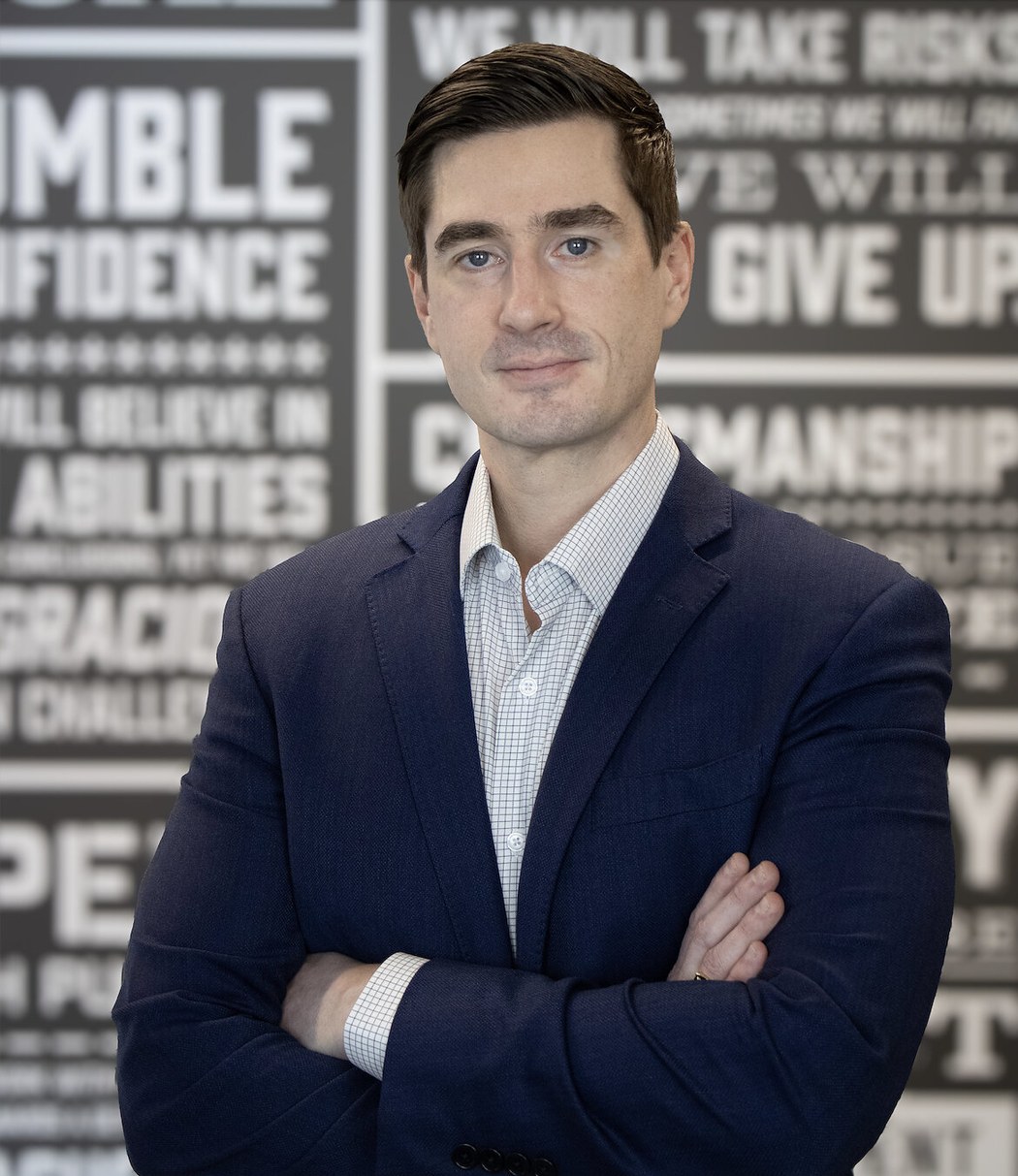
Chase Lane and the art of coming home differently
Before taking charge of his family’s Phoenix agency, Chase Lane studied how complicated organizations work. Now the former Air Force officer is applying those lessons to a business where the family name comes with unfinished business.

Jessica Francois and the Art of Taking Over Slowly
Before Jessica Francois became Quest’s sole owner and CEO, she won work in Alabama, opened a Florida office, and spent years learning the business alongside her mother. Her career makes a case for giving a successor real work long before handing over the company.

Kaló put hemp in a can. Seven trucks kept the story moving.
A New Jersey farming family built a hemp seltzer, hit a pandemic, and found another use for its trucks. Kaló’s story turns on what happens between a good drink and a stocked shelf.

Stone & Skillet found a business beneath the eggs
Boston chefs fussed over their eggs Benedict. Stone & Skillet noticed the bread underneath - and built a national English muffin business around it.

How Barrett Distribution Centers bought back two days
A family warehouse business found its limit at the packing station. Its answer offers a useful lesson for any brand whose orders have begun to outrun its operations.

Polaris Transportation Group: The truck company that took on the paperwork
A family freight business found that getting across the Canada-US border meant fixing what happened before the truck ever left. Its most instructive upgrade was in the office.

Bender Warehouse Co.: The $3.1 Million Warehouse Built to Keep Candy Cool
A Reno logistics business made room for candy, washing machines and other people’s complications. Its story explains why a warehouse earns its keep by doing much more than holding boxes.
RLS Logistics found room to grow by moving the aisles
A New Jersey mushroom farm became a cold chain business with a surprisingly concrete idea: stop paying to refrigerate empty space. Inside RLS Logistics, the useful innovations happen between the shelves, the trucks, and the customer’s next big order.
Crowley: The Shipping Company That Knows Where Time Goes
A ship can cross an ocean and still lose the race at the gate. Crowley’s business is built around those awkward last yards - and the expensive work of making them disappear.
Syfan Logistics sold the business. Then it missed the people.
A Georgia family returned to freight after selling its first company. Its second act pairs trucks, carrier relationships, and a very practical obsession with who answers the phone.

Hellmann Worldwide Logistics knows what happens between the truck and the door
A family freight business that kept a horse working until 1961 now runs warehouses, robots and global supply chains. Its useful lesson: delivery depends on everything around the journey.

Distribution Technology found the money between the shelves
A Charlotte family business grew by connecting the parts of logistics that customers usually buy separately. Its lesson: the cheapest place to store a pallet may be an expensive place to leave it.
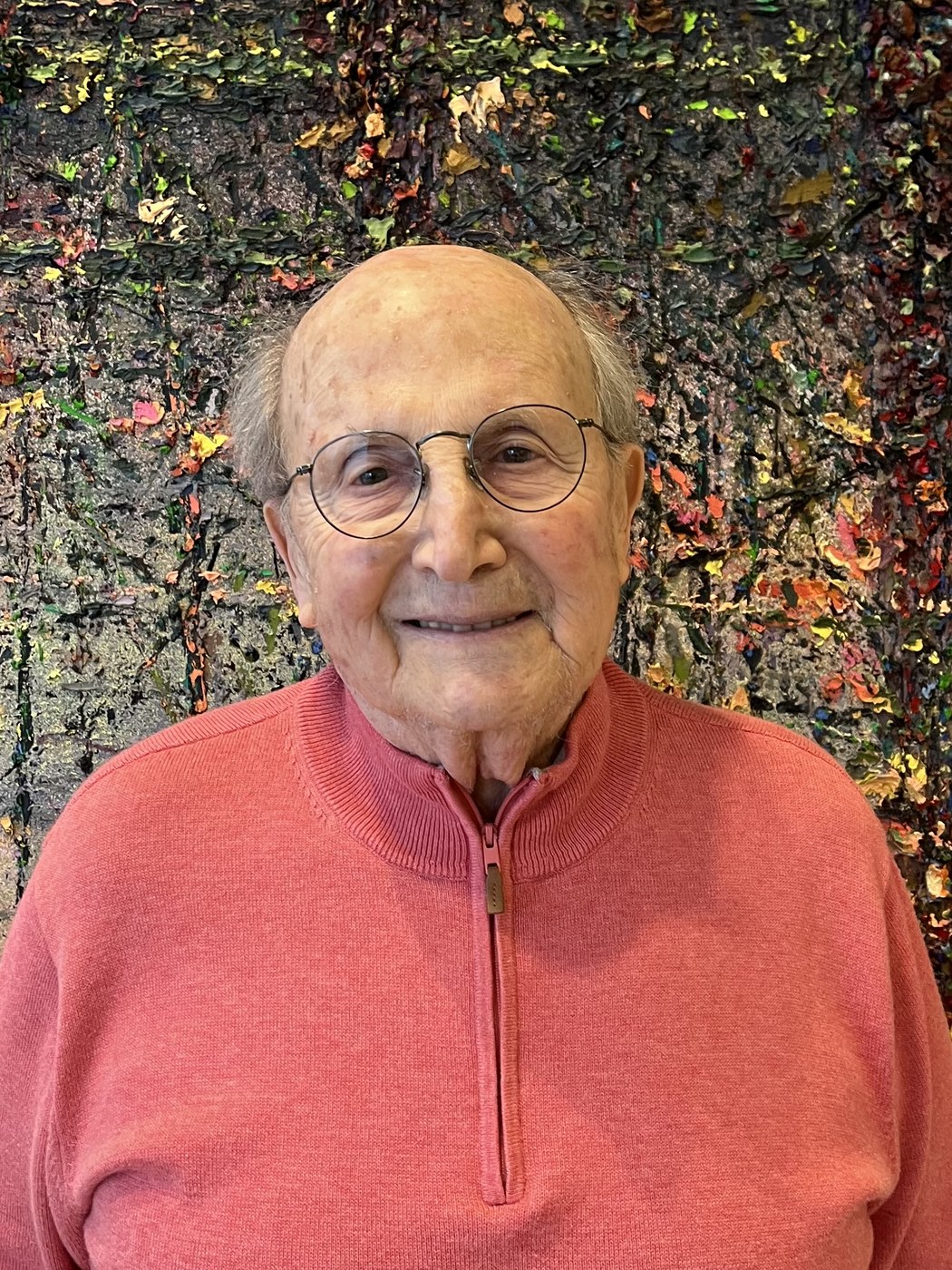
Gene Anguil Put His Name on the Door. Then He Spent 48 Years Earning It.
Before industrial pollution control became an obvious business, a Rome-born Apollo engineer started one from his Milwaukee home. The company grew across continents, but Gene Anguil's durable invention was a way of thinking: understand the problem, keep the relationship, and do not walk away.
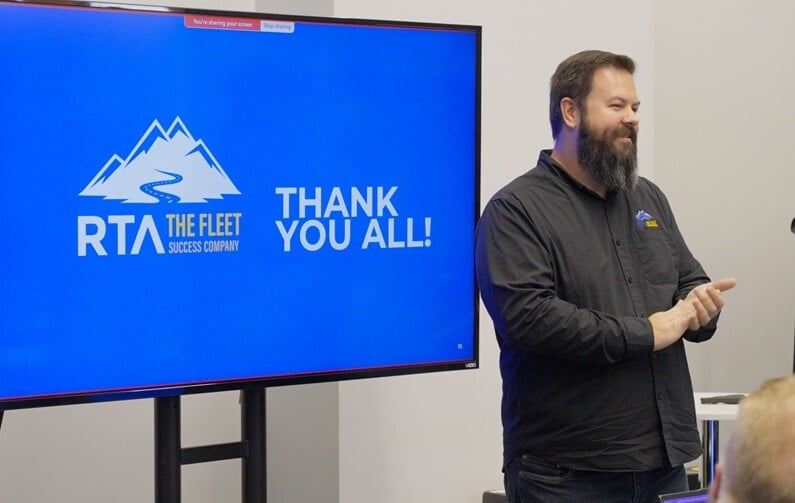
Josh Turley and the Forty-Year Software Turn
He inherited a family software company with decades of history and a product built for the back of the garage. The hard part was preserving its memory while teaching it to move at cloud speed.

Jordan DeCicco and the Second Shift at Super Coffee
A college point guard solved an 8 a.m. problem with a dorm-room blender. A decade later, Jordan DeCicco is back at the controls, learning that the harder trick is not starting a company - it is teaching one to endure.
The Oil Filters That Changed the Family Business
Nick Bauer put a few Volvo oil filters on eBay and discovered that an old parts counter could travel. What followed was a lesson in catalogs, recalls, race cars and the expensive art of keeping a promise.

Frank Marino Learned New York by Telling Its Story
Before he advised developers, institutions and household brands, Frank Marino learned publicity in the New York political arena. Three decades after founding his agency, the city itself remains his most revealing portfolio.

The postcard that refused to stay small
Brandon began with a camera on the Carolina coast. Sixty-seven years later, the same family business sells an unusually broad promise: strategy, creative and performance that share one scoreboard.

The Agency That Found Its Next CEO Three Offices Down
Bill Donovan was preparing to sell the agency he had built over four decades. Then the pandemic broke the plan, his son asked a four-word question, and the family discovered that the most valuable campaign might be an operating system.

William Donovan Spent Nearly 40 Years Building an Agency. His Last Pitch Was to Let Go.
Bill Donovan built an independent Pennsylvania agency for nearly four decades. When the obvious exit disappeared, he found a successor several offices down the hall - and discovered that letting go could be a form of building, too.

Richard Edelman Bet the Family Name on Trust - Then Made the World Measure It
A one-year bargain with his father became a 48-year argument for independence. Now the CEO behind the Trust Barometer is asking whether business can reconnect a world retreating into smaller circles.

The Detective, the Mailroom, and the Bet Before the Clients Arrived
A retired detective bought a tiny direct-mail shop with no computer, then used a recession to make the expensive move nobody recommends: hiring the agency before the agency had clients.
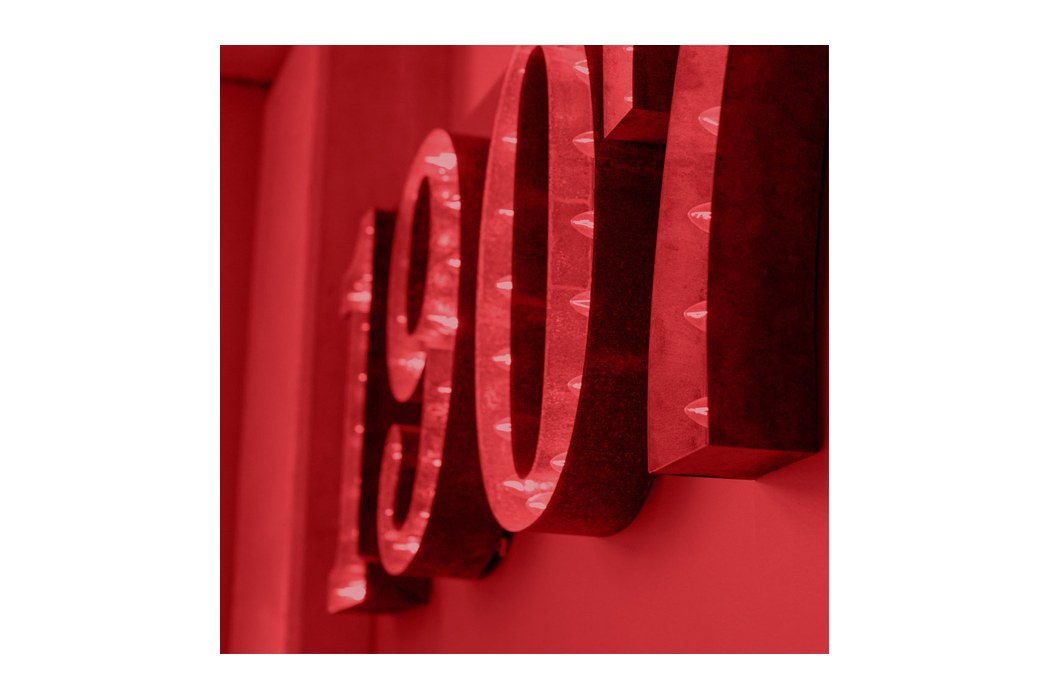
The Oldest New Trick in Advertising
In Des Moines, a family agency founded in 1907 keeps proving that the newest marketing problem often has an old answer: understand the buyer, remove the friction and make the story impossible to ignore.