The first clue that Summerhill Market is not playing the usual grocery game is the detergent. There is not much of it. A national chain can squeeze a supplier on price, charge a listing fee and stack twenty versions of the same bottle. A six-store family grocer cannot. So Summerhill gives the commodity aisle less room and dinner more room: chicken pot pie, handmade gnocchi, wonton soup, chana masala, tempeh bowls, cakes, salads, pressed juice and hundreds of other things a customer can heat, plate and plausibly accept compliments for.
That decision has turned a neighbourhood shop founded in 1954 into a peculiar Toronto institution. The company now has five stores in the city, one in Aurora, a bakery and commissary, floral service, catering, an app and a 750-square-foot event room. More than 800 fresh items leave its production operation daily. The stores are the visible part. The real company is an intricate kitchen with six retail windows.
A school principal picks a different curriculum
Frank McMullen learned retail early, making deliveries for an Ontario bakery by horse and buggy at 12. He later became a teacher, then an elementary-school principal. With five children and a principal’s salary that did not stretch far enough, he and his brother bought a store beside the brother’s Rosedale market. Five years later, Frank bought him out.
The founding rules were less complicated than a modern loyalty program: know the customer, guarantee every product, and find what the store did not carry. Frank worked until just before his 89th birthday. His son Bob ran the stores from 1976 to 2000 and still advises the business. Bob’s children now lead it - Brad as president and Christy as vice-president. Brad started at 10, moving through meat, grocery and management. Christy left, became a chartered accountant, worked internationally with KPMG, then returned. One sibling absorbed the operation from the floor; the other brought home a finance brain.

“You never really feel like you’re running the business - the business is running us.”Brad McMullen, president
The pot pie is a mascot for a system
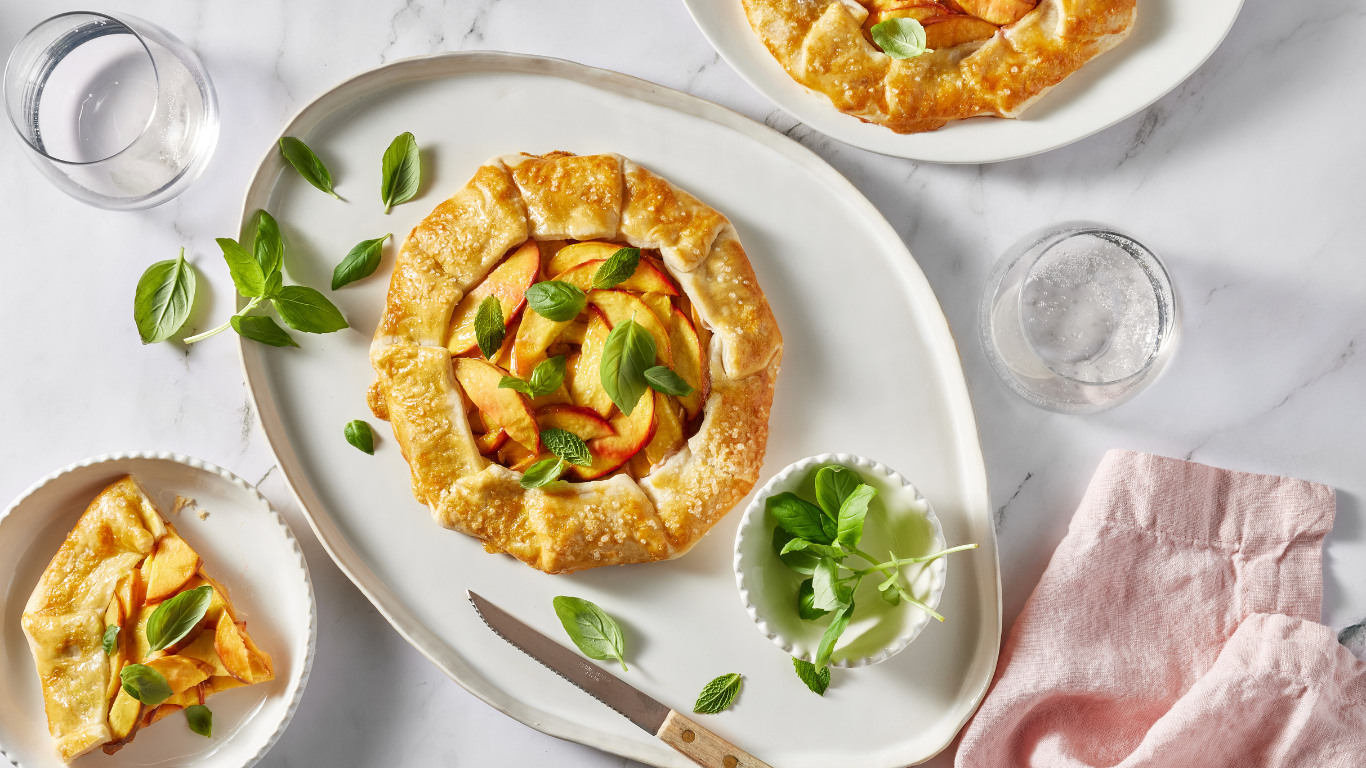
Summerhill’s chicken pot pie gets the fan mail. One customer reportedly carried one to Calgary for a former Torontonian with a craving. But the important product is not the pie; it is the repeatable process around it. A prepared meal must taste good after a trip across town, survive refrigeration, reheat evenly, look convincing through a lid and emerge the same way next Tuesday. Restaurant cooking gets an immediate handoff from chef to diner. Retail cooking has packaging, transport and someone else’s oven in the middle.
Christy has described the method plainly: the team tastes everything, adjusts what disappoints and removes what cannot be fixed. Chefs draw ideas from restaurants, television and social feeds, then test for reheating and consistency. This is culinary product development disguised as tonight’s lasagna. It also gives the company a kind of private-label moat. A rival may stock the same olive oil. It cannot order Summerhill’s recipe history from a distributor.
The prepared-food flywheel
What failed first: the upstairs kitchen
The original store kept expanding. By 2004 it had doubled in size, and as prepared food grew, the upstairs kitchen ran 24 hours a day. That was a compliment from demand and a warning from operations. A kitchen embedded in one busy store could not be the permanent engine for a chain. Summerhill eventually moved much of the work into an off-site facility reported at roughly 30,000 square feet.
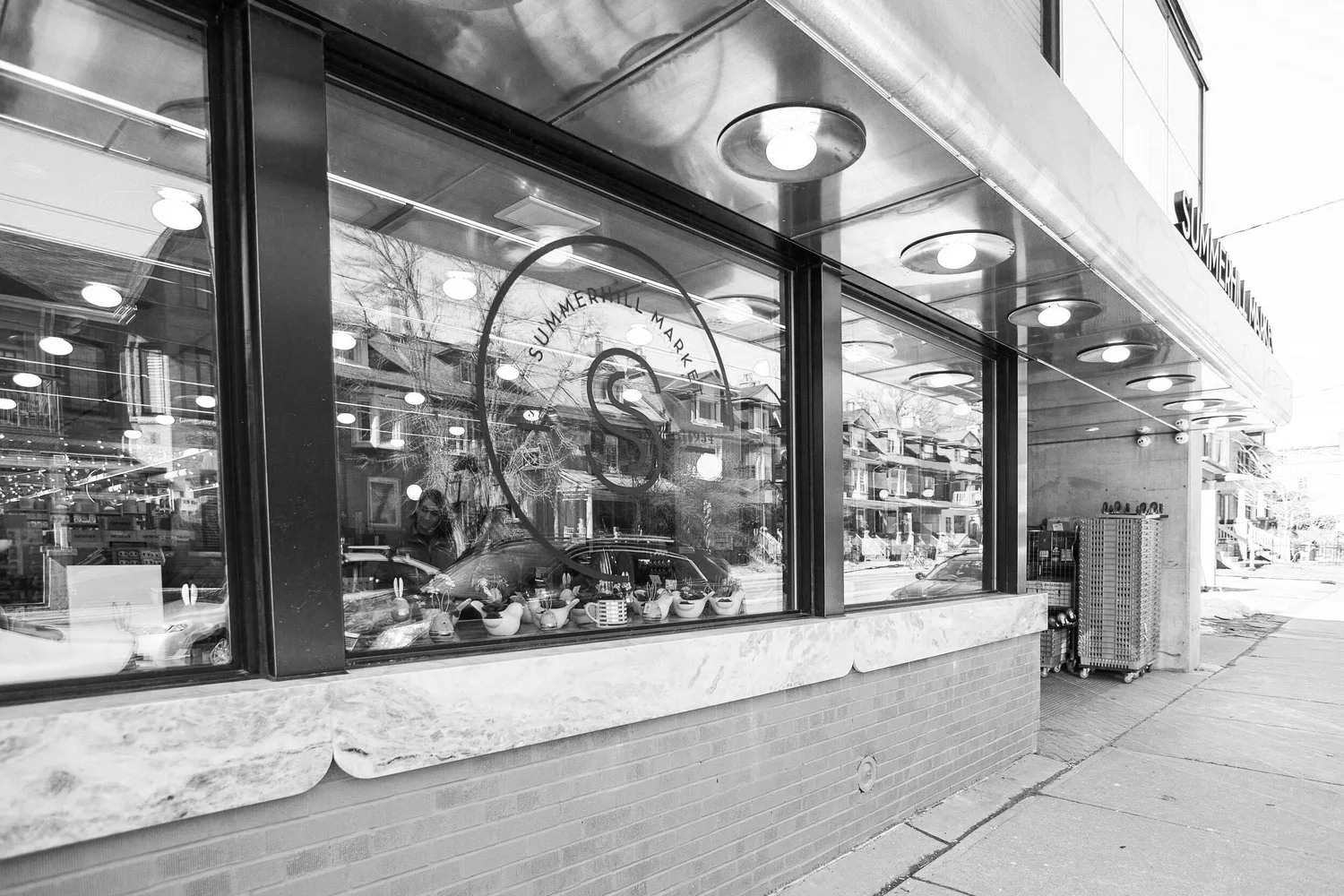
Centralization changed the growth equation. One specialist team could develop recipes and produce at useful volume; trucks could feed multiple stores; expensive culinary talent and equipment did not need to be duplicated six times. The retail boxes could become smaller. The Dundas West location, opened in February 2024, occupies only 3,200 square feet and skips service counters. Newer stores are designed with unusually generous ancillary space - at least half the footprint for storage and staff - while freight elevators, basements and second floors do hidden work.
This is not cheap minimalism. It moves cost out of the customer’s sight rather than removing it. Summerhill has not publicly itemized the bill for its commissary or expansion, but the physical commitments are obvious: production space, cooks, cold storage, packaging, delivery vehicles and back rooms. The wager works when six shops sell enough common product to keep that machine busy.
Small stores, affluent minutes
Summerhill’s core customer is not searching for the cheapest basket. It is the busy household that values good ingredients, wants dinner faster and has the disposable income to pay someone else to shell the peas. The locations - Rosedale, Sherwood, the Annex, Forest Hill, Dundas West and Aurora - place the offer near communities that can sustain it. The company solves the unpleasant gap between cooking and takeout: food that feels considered, works at home and requires little labour.
The format sits between several rivals. Conventional supermarkets win on price and breadth. Whole Foods and Farm Boy offer premium or prepared options at larger scale. Pusateri’s, McEwan and Eataly compete for the gourmet basket. Restaurants and delivery apps sell immediate meals. Summerhill’s difference is local density: an independent buyer tasting produce at the Ontario Food Terminal, a deep scratch-made catalogue, stores that feel related rather than cloned, and three generations of accumulated neighbourhood memory.
The catalogue also creates adjacent businesses. Flowers can accompany a catered table. Prepared food can fill a private room. The 2023 event space seats 25, includes a kitchen and conference equipment, and serves birthdays, corporate gatherings and product launches. JP Fine Foods provides catering options. The grocer is gradually owning more of the occasion, not merely more of the basket.
The rare site that changed the plan
Growth has mixed patience with opportunism. While the Annex store was still under construction, the Forest Hill property became available. Bob McMullen had noticed the site before it was for sale. Brad later acknowledged the timing was not ideal, but the family bought it the day they saw it. The result was a two-level, 7,200-square-foot market, with essentials below and much of the prepared-food offer upstairs. Sometimes the disciplined plan is to recognize the asset you have already mentally rehearsed.
The newer stores were designed by Pencil Design and built by Bolt Developments. Each gets its own look, while product placement remains familiar. That balance is worth stealing: centralize what customers do not need to see, standardize what helps them navigate, and preserve enough local character that expansion does not feel like photocopying.
“You can get Diet Coke anywhere.”Christy McMullen on why an independent must play a different game
A neighbourhood brand discovers the neighbourhood talks back
The sharpest recent failure did not involve food. In May 2025, Summerhill was publicly linked to Protect Bathurst, a campaign opposing proposed transit-priority lanes near its Annex store. The group drew criticism for an AI-generated video presented as a concerned resident’s message. Brad said he had not known about the AI use. After the backlash, Summerhill stepped away from the campaign, citing constructive dialogue and comprehensive analysis, though it continued to pursue outside research on the proposal.
The episode exposed an uncomfortable rule of neighbourhood retail: community standing is both an advantage and a constraint. A business that sells local trust cannot enter a civic fight as if it were buying a newspaper ad. The people delayed on a bus, the customer seeking curb access and the shop receiving deliveries all inhabit the same brand territory. What changed Summerhill’s course was not a recipe test but public criticism and the reputational cost of an advocacy method it did not control.
The playbook - and where it breaks
The copyable lesson is not “sell expensive pie.” Start with a need chains serve poorly. Build a product customers cannot price-check perfectly. Centralize the difficult production. Let several small outlets share the fixed cost. Use customer feedback as research, not applause. Keep commodity selection tight. Then add services - flowers, events, catering - that reuse the same customer, kitchen and occasion.
Copy the focus
Give scarce space to the thing only you can make, not the bottle everyone can buy.
Copy the loop
Taste, test, package, observe, adjust. A meal is a product after the chef leaves.
Copy the hub
Centralize expensive expertise once multiple outlets can keep it productively busy.
Copy the restraint
Standardize navigation and quality, while letting stores belong to their streets.
It will not travel everywhere. The model needs dense demand, customers who can exchange money for time, reliable cold-chain logistics and enough volume to support cooks and facilities without flattening quality. It is vulnerable when labour, rent and food costs rise faster than customers’ willingness to pay. A small operator centralizing too early gets a costly empty kitchen; one doing it too late gets the 24-hour upstairs bottleneck. A mass grocer copying the menu without the testing culture gets a very large shelf of merely acceptable lasagna.
Summerhill’s achievement is not that it made grocery glamorous. It chose the part of grocery where an independent could accumulate skill instead of bargaining power. After seven decades, the store still sells milk and detergent. But dinner pays the rent on its imagination.