independent-retail
(11)
The Hardware Store Has an Information Problem
A paint shop can know every contractor by name and still lose money to a ten-week pricing error. Rundoo is building the software behind the counter to catch what experience alone cannot.

Marcelo Cortes Learned Retail on an Intel 286. Now He Is Teaching AI Some Taste
The Faire co-founder grew up watching his parents run a video shop in Brazil, learned code by trying commands he could not yet read, and built a career around one question: how can software give small retailers better odds without taking away their judgment?

Jeff Kolovson and the Business of Making Risk Disappear
Before Faire could connect shopkeepers and brands across borders, its co-founder learned operations the blunt way: sixty futons, thirty-six hours, and no room for excuses.
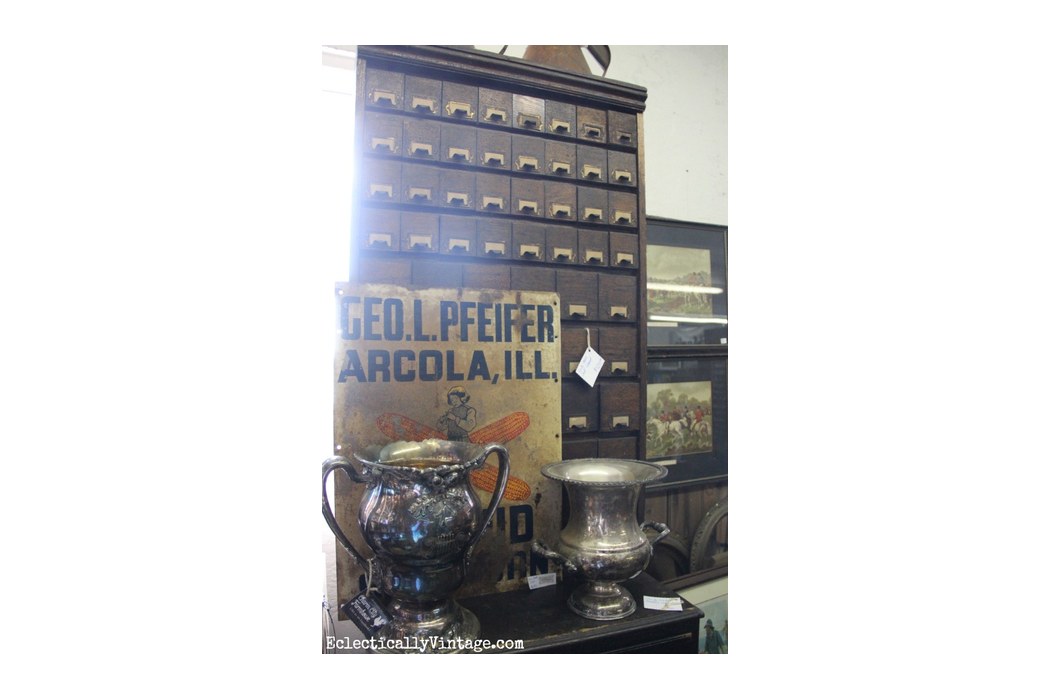
Sweet Clover sells old things. The shop keeps changing.
From a Maryland dairy barn to downtown Frederick, Sweet Clover built a business around vintage finds, mixed styles and a reason to come back next month.

The 800-Dish Machine Behind Toronto’s Favourite Fancy Grocery Store
Summerhill Market escaped the supermarket price war by making dinner itself. Its six-store system offers a useful lesson in how an independent retailer can turn a costly back room into the reason customers cross town.

How Source for Sports Made Local Ownership Its National Advantage
The Canadian sporting-goods network found a middle lane between the big-box chain and the lonely independent: pool the buying power, share the technology, and let local owners keep the whistle.

Floom Made Local Florists Clickable - Then Came the Hard Part
Lana Elie turned a bad bouquet into a marketplace for independent florists. Nine years, several funding rounds and one hard reset later, Floom found an owner that speaks fluent flower shop.

How Silica Dropped the Hardware - and Built a 104-Year Moat Around the Hard Part
Silica For Your Home outlived its original hardware-store identity by owning the awkward work national chains often hand off: advice, delivery, installation, integration, and repair. Its most useful lesson is not nostalgia - it is how a local retailer makes the last mile the product.
Abt Built One Store. Then It Outlasted Everyone Who Built a Thousand.
A family-owned retailer in the Chicago suburbs has spent nearly 90 years betting everything on one store - dancing fountain, saltwater shark tank and all - while national chains opened, expanded, and disappeared around it.
The $10 Billion Hardware Giant Owned by the People Behind the Counter
Ace Hardware became a retail heavyweight by turning the chain-store hierarchy upside down. Its shopkeepers own the corporation, share its buying power and keep the neighborhood judgment that big boxes struggle to copy.

Tundra
Tundra was an online B2B wholesale marketplace that connected independent retailers with brands across the U.S. and Canada on a zero-commission model. Founded in 2017 by Arnold and Katie Engel, it pitched itself as the friction-free alternative to trade shows and middleman markups, letting buyers source millions of products at true wholesale prices with low minimums, free shipping, and net terms. After raising roughly $38M from investors including Emergence Capital and Redpoint, Tundra grew to a community of 30,000+ retailers before winding down its marketplace in 2023 amid intense competition from Faire.