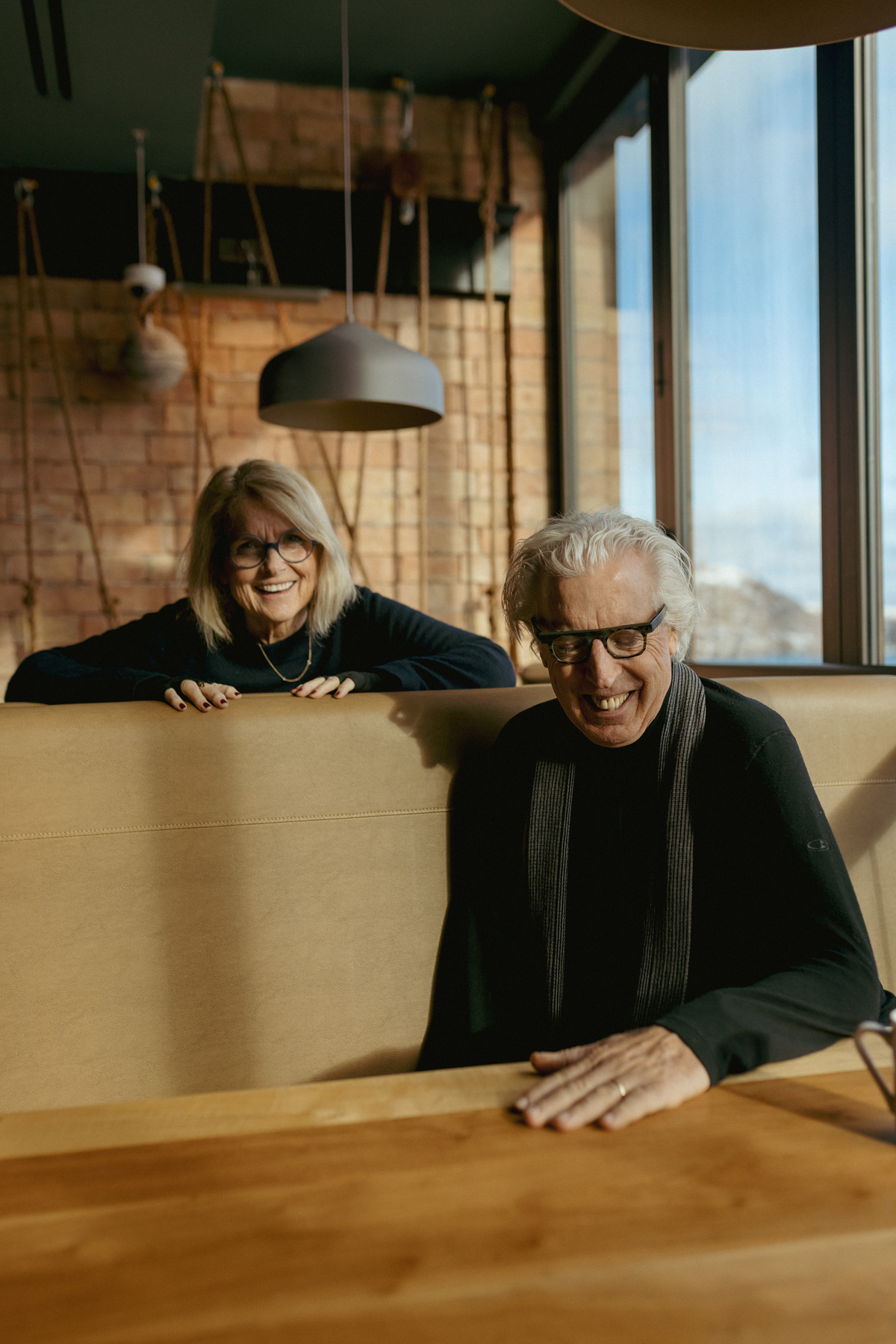
In 1980, Kevin and Kathy Murphy opened The Barn in Stratford, Prince Edward Island, with a staff small enough to fit in a booth. They hosted. They washed dishes. They did, by their account, essentially everything. There was no grand design for a Maritime hospitality network. There was a restaurant, two owners and the immediate problem of getting the next plate out clean.
Two years later, a Charlottetown hotel acquisition changed the size of the idea. Kevin Murphy would call it the turning point - the moment the company stopped looking only like a restaurant operator and began to see a broader hospitality business. What followed was not a tidy march. There were franchises, acquisitions, restructurings, independent concepts, an early brewpub and enough renovations to make a contractor feel like family. But one logic kept resurfacing: give the same guest another good reason to stay.
Today Murphy Hospitality Group, or MHG, operates across Prince Edward Island, New Brunswick and Nova Scotia. Its current careers site counts 16 food-and-beverage locations, four hotels including Mysa Nordic Spa & Resort, and the Prince Edward Island Brewing Company. The portfolio reaches from oyster bars and steakhouses to historic rooms, pool tables, thermal baths, weddings, festivals and beer stores tucked beside grocery runs.
The product is the handoff
Look at any one MHG property and the business seems familiar. The Great George sells rooms across 21 restored heritage buildings in downtown Charlottetown. Sims Corner sells dry-aged Island beef and oysters. Gahan House sells pub food and beer brewed under the same roof or elsewhere in the group. PEI Brewing Company makes and distributes beverages, runs tours, pours pints, sells retail and hosts gatherings. Mysa sells a Nordic thermal circuit, cottage stays and meals on an 18-acre waterfront property.
The interesting part begins between the properties. A Great George package can include a Murphy dining card and Gahan beer. The same gift card can move from a restaurant to a hotel, brewery or spa. A wedding can use the brewery's event room and MHG's catering team. A visitor who arrives for golf can be bundled into a room and dinner; a diner can discover the beer, then find it in a retail store. Each transaction is ordinary. The handoff is the advantage.
The MHG customer loop
This helps explain how MHG differs from a conventional multi-brand restaurant group. It does not merely spread risk across menus. It stretches across occasions and time. Breakfast, a brewery tour, dinner, a wedding reception, an overnight stay and a winter spa day occupy different slots in a customer's life. The group can earn across those slots without forcing every property into the same costume.
A moat made of details
There is no patent on a cozy dining room. MHG's more defensible expertise lives in operating many small moments consistently: sourcing local food, training a server to talk about wine, keeping a heritage room comfortable, producing beer at scale and flipping a brewery floor from service to celebration. The company reinvests in its physical spaces because, as Kevin Murphy once put it, time takes over restaurants that stand still.
Training makes the philosophy less misty. Culinary U offers back-of-house education through the year. Beef 101 teaches teams how Island beef is handled and cooked. Beer 101 follows the product into keg and bottle. Wine 101 gives front-of-house staff enough fluency to guide a guest without performing a lecture beside the table. The names sound like electives at a very cheerful college. Operationally, they are a quality-control system.
“Hospitality… is all about how you make people feel; it's that simple, and it's that hard.”
The culture is explicit: family, fun, passion, quality and growth. Public job listings emphasize advancement, benefits and professional development. Family ownership is not just a line in the company history; Kevin and Kathy's sons Ben, Sam and Isaac became integral to the group, with Ben now identified publicly as CEO. Isaac led Mysa from concept to opening, his eighth project for the family business.
Mysa is a useful example of adjacency with a purpose. Before it opened, PEI's nearest Nordic-spa option required leaving the Island. The resort created a new reason to visit rural St. Peters Bay outside the summer crush. Isaac Murphy reported roughly 45 year-round jobs, 60 percent held by people from surrounding rural communities. The venture mixes day admissions, cottage nights, food and beverage, retail and group bookings - familiar MHG ingredients rearranged around quiet rather than clatter.
What failed first
The flywheel has an obvious dependency: people must gather. In March 2020, that dependency snapped. MHG temporarily laid off approximately 400 food-service employees across the Maritimes and closed restaurants as public-health restrictions arrived. The Hotel on Pownal and a brewery retail location were also affected. The company's dense physical network, normally its strength, could not route around a shutdown of rooms, tables and crowds.
That episode is the cleanest public answer to what failed first: the labor-intensive dining-room engine. It is not evidence that one restaurant concept went bad, and MHG does not publish a neat graveyard of experiments. It shows the exposure common to all experience businesses. A portfolio can diversify the occasion, but a systemic shock can still hit every occasion at once.
The cost of building the group is not publicly itemized. MHG is private, discloses no institutional funding rounds and offers no public valuation. Specific project costs are similarly absent. The visible expense is structural: restored buildings, repeated renovations, brewing equipment, kitchens, training and hundreds of employees. Anyone copying the model should notice that the charming consumer-facing loop sits on a capital- and people-heavy base.
The move that says what comes next
In March 2025, MHG became an equal equity partner in Benjamin Bridge Vineyards in Nova Scotia. The announcement paired two second-generation family businesses around crafted beverages, placemaking and Maritime identity. This was not simply another bottle for a wine list. It extended the pattern established with Gahan and PEI Brewing Company: connect a region-made drink to distribution, hospitality and a destination people can visit.
The move also reveals what changed the company's mind over time. In the beginning there was no master plan. The early hotel acquisition widened “restaurant” into “hospitality.” Brewing widened service into production. Mysa widened tourism into wellness and year-round rural work. Benjamin Bridge widens a PEI-centered beverage story into a Maritime one. MHG's strategy has been less about predicting the final portfolio than recognizing the next adjacent reason for a guest to care.
The Barn opens in Stratford with Kevin and Kathy working across the operation.
Gahan Brewery begins turning a house product into a hospitality brand.
PEI Brewing Company opens its 25,000-square-foot production and experience facility.
Mysa brings the Nordic-spa format to Prince Edward Island.
MHG takes an equal equity position in Benjamin Bridge Vineyards.
What to steal - and what not to
Ask what a customer naturally wants before and after the core transaction. Build the referral, bundle or shared credit before building another brand.
Give employees simple, repeatable product education. Knowledge makes service feel personal and makes internal mobility more plausible.
A brewery can produce, retail, pour, tour and host. Better utilization can be more valuable than adding another address.
Shared operations need not mean identical experiences. The regional ingredients, buildings and stories are part of what guests buy.
The model will not travel under every condition. It weakens when venues are too far apart to share customers or managers; when a region lacks destination demand; when debt makes patient renovation impossible; or when the labor market cannot supply and retain trained teams. It also fails if “local” becomes a decorative adjective rather than a genuine sourcing and community relationship. A group of unrelated acquisitions is not a flywheel. It is a filing cabinet.
MHG's strongest lesson is therefore modest. Start with density, not sprawl. Make one property useful to another. Train people in the particulars. Reinvest before the room feels tired. Add a new occasion only when the existing operation can credibly hand a guest into it. The Murphy family began without a grand plan, but it learned to recognize a good adjacency. Forty-five years on, that recognition is the product competitors will have the hardest time ordering.