craft-beer
(27)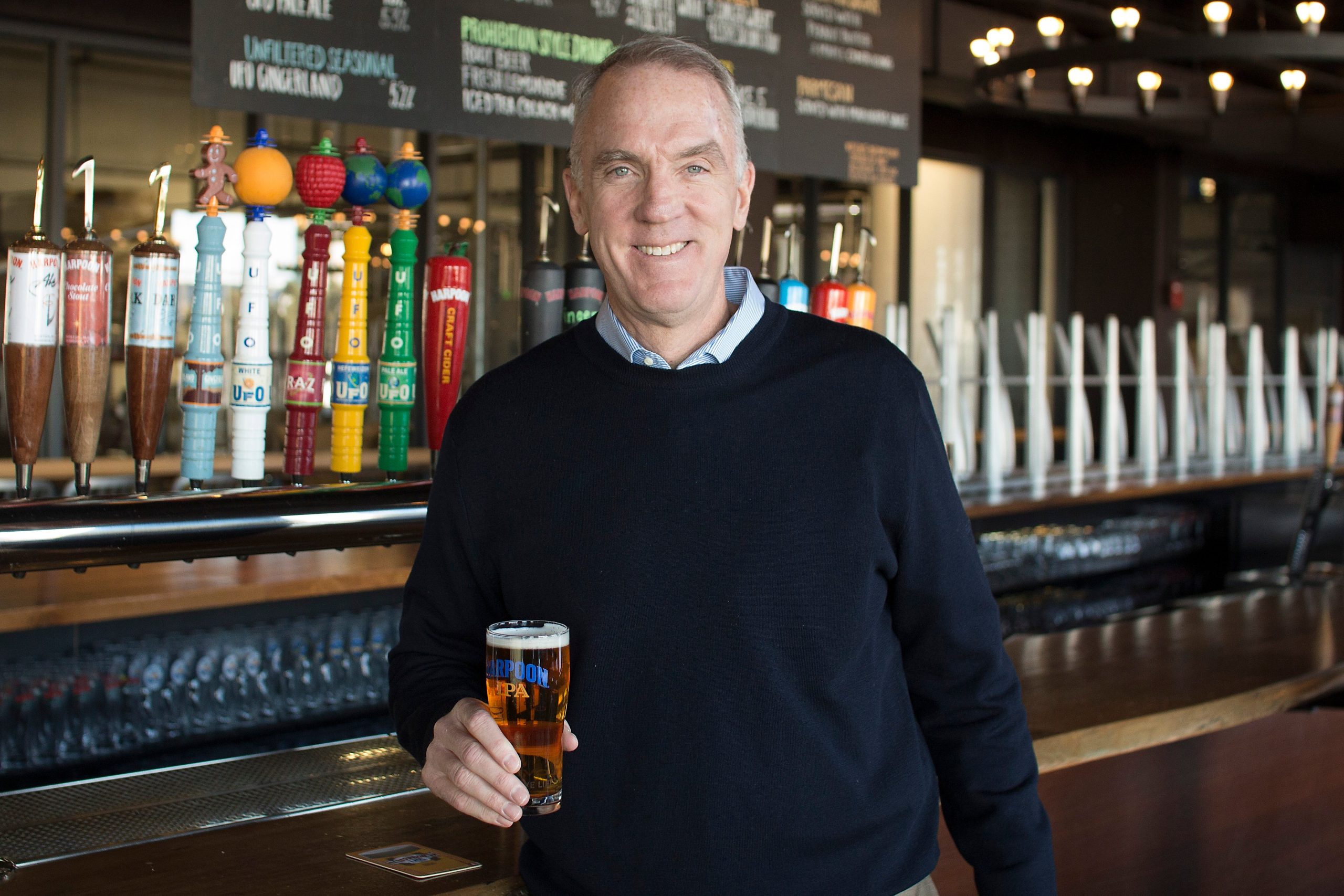
Dan Kenary Bet the Brewery on the People Who Built It
Harpoon began as three friends chasing the local beer culture they had found in Europe. Nearly four decades later, Kenary's most revealing product is not an IPA but a durable idea: let the people doing the work own the future.

Chris Sapyta Saw a Freight Train. Then He Rewired the Keg Business.
A railroad crossing gave Chris Sapyta the boxcar analogy that shaped keg pooling. Three decades later, the Keg Logistics founder is still solving the same stubborn problem: how to keep reusable steel moving without making brewers own every vessel.
John Dantzler Took a Teenage Beer Mishap All the Way to Manhattan
A confiscated fake ID, an exploding homebrew kit and 250 rejected spaces became a brewery beneath SoHo. Now its finance-minded co-founder is testing what independent craft can build together.
How Murphy Hospitality Group Turned One Island Into a Hospitality Flywheel
The Murphy family started with two people doing every job in one PEI restaurant. Four decades later, their cleverest product is not a steak, a suite or a pint - it is the way all three sell one another.
The Hard-Kombucha Startup That Bought Too Much Brewery - Then Found Its Real Business
Embolden began with hard kombucha, landed in a 20-barrel brewhouse, and turned excess capacity into a three-brand beverage portfolio. Its useful lesson is not to chase every category - it is to make one expensive asset serve several kinds of customer.
Manhattan Hadn't Brewed Its Own Beer Since 1995. Two Guys With Confiscated Fake IDs Fixed That.
A finance trader and his oldest friend spent a decade trying to brew beer in the one New York borough that had given up on breweries. Then they opened during a pandemic - and had to reinvent the whole thing in a week.
The Man Who Built the Keg Empire, Then Built Its Rival
A brewer's cash gets trapped in steel that spends half its life empty. Chris Sapyta helped invent the fix at one company, then spent a decade out-flexing it at his own.
Harpoon Bet $70 Million on Its Workers. Then the Beer Market Changed.
Harpoon used a leveraged employee buyout to keep a beloved Boston brewer independent. A decade later, consolidation forced a second experiment: share the machinery, protect the local brands and make the taproom matter as much as the six-pack.
Damian Fagan Kept Redesigning the Brewery
A graphic designer’s homebrew labels became Almanac’s first calling card. Fifteen years later, Damian Fagan is still changing the brief - from farm-to-barrel beer to sandboxes, slushies, and neighborhood gathering places.
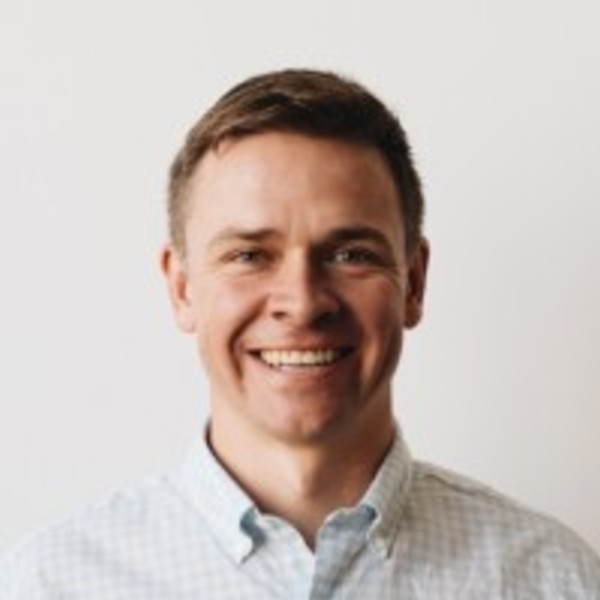
Charles Denby Put the Brewery’s Smallest Worker in Charge
A yeast geneticist followed a homebrewing annoyance into a new kind of ingredients company. His real breakthrough was learning that a clever organism still has to answer to the brewer holding the glass.
The Pizza That Became a Place: How UNO Is Rebuilding Around Its Deep-Dish Original
An 83-year-old Chicago pie is now carrying a leaner restaurant company - through neighborhood dining rooms, hotel conversions, delivery counters and a brand story no rival can quite copy.
New Belgium Brewing
A bicycle trip supplied the romance. Voodoo Ranger supplied the scale. Thirty-five years after its basement debut, New Belgium is testing whether craft-beer values can survive national reach, restless consumers and a change of ownership.
Firestone Walker Brewing Company
Firestone Walker built a regional beer business by protecting small places to experiment - oak barrels, a wild-ale cellar and a Venice R&D brewhouse - then letting the best ideas travel.
Ford's Garage
A burger joint that talked Ford Motor Company into lending out the Blue Oval - and is now franchising its 1920s garage across the country, one copper bar and branded bun at a time.
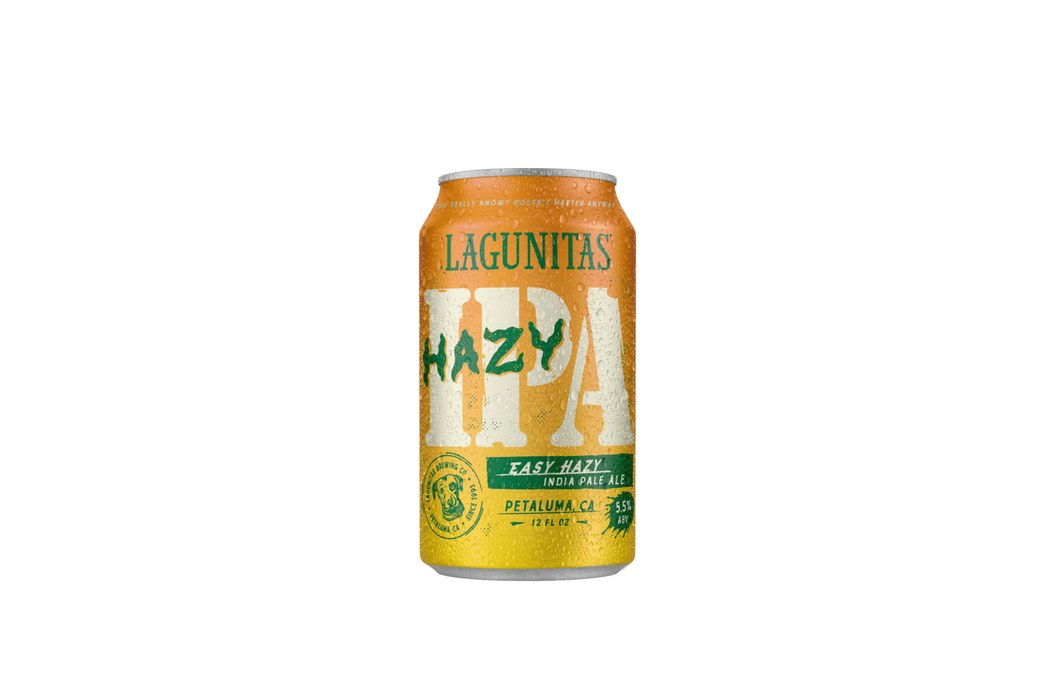
Lagunitas Brewing Company
A reggae drummer with a homebrew kit built one of America's loudest IPAs, sold it to Heineken for a reported $1 billion, and somehow kept the dog on the label.

TALEA Beer Co.
TALEA Beer Co. is a women-founded and women-owned craft brewery based in Brooklyn, New York, built to make beer approachable for people the craft category has historically overlooked. Founded in 2018 by Tara Hankinson and LeAnn Darland and opened as a brewery and taproom in 2021, TALEA brews fruit-forward, lower-alcohol reinventions of classic styles and runs a growing network of design-forward taprooms across New York City, alongside a direct-to-consumer online shop, retail distribution in 1,300+ New York stores, and events.

Almanac Beer Co.
Almanac Beer Co. is an Alameda, California craft brewery founded in 2010 by Jesse Friedman and Damian Fagan. Known first for oak-aged sours and farm-to-barrel ales inspired by the Bay Area's seasonal produce, the company has reinvented itself as 'Almanac Adventureland' - a 30,000+ square-foot brewery, beer garden and family entertainment destination inside a restored 1940s naval hangar, complete with arcade games, sandboxes, pizza, food pop-ups and festivals that draw up to 3,000 visitors on a peak day.
Berkeley Yeast
Berkeley Yeast is an Oakland-based biotechnology company that bioengineers specialized yeast strains for brewers, winemakers, and beverage makers, giving fermented drinks new flavors, greater consistency, and lower resource use without changing a brewery's existing equipment or process.

Tara Hankinson
Tara Hankinson is the co-founder and co-CEO of TALEA Beer Co., New York City's first woman-owned production brewery. After leaving jobs at PwC, The New York Times and a beer e-commerce startup, she and co-founder LeAnn Darland launched TALEA in 2019 to make craft beer approachable for the people it had long ignored. She runs the brand, marketing and a growing chain of design-forward taprooms across Manhattan and Brooklyn, with beer stocked in more than 1,300 retailers.

Aeronaut Brewing Company
Aeronaut Brewing Company is a Somerville, Massachusetts craft brewery founded in 2014 by three grad-school roommates who brought MIT and Cornell science backgrounds to beer. Known for propagating its own house-cultured yeast and experimental recipes, Aeronaut pairs adventurous ales and lagers with a Somerville taproom that doubles as a food hall, live-music venue and community hub. In 2024 it merged with Dorchester Brewing Company under a new parent, Tasty Liquid Alliance.
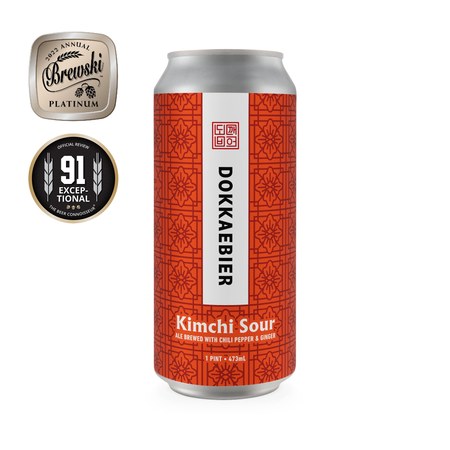
Dokkaebier
Dokkaebier is an Oakland-based craft brewery brewing Asian-inspired beers that fold ingredients like kimchi culture, yuzu, lemongrass, Szechuan peppercorns, galangal and bamboo leaves into familiar styles. Founded in 2020 by beverage-industry veteran Youngwon Lee and named after the mischievous, drink-loving spirits of Korean folklore, the company set out to build a more representative craft beer scene while making flavors that stand out. Its lineup - led by the experimental Kimchi Sour and the approachable Yuza Blonde - is sold direct-to-consumer online and has been distributed across California and beyond.
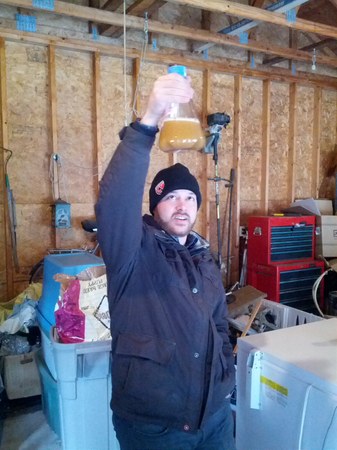
Ronn Friedlander
Ronn Friedlander is the co-founder and Co-CEO of Aeronaut Brewing Company in Somerville, Massachusetts. A New Jersey native who came to Boston in 2009 for a PhD in the Harvard-MIT Health Sciences and Technology program, he traded a career in medical engineering and biomaterials research for a brewery built on microbiology. He cultivates wild and custom yeast strains in an in-house lab, scaling them in a bioreactor from pilot pours to 500-gallon batches, and helped grow Aeronaut from a living-room homebrew operation into a regional craft beer brand with a second 'Cannery' facility in Everett and a 2023 strategic merger with Dorchester Brewing under the Tasty Liquid Alliance.
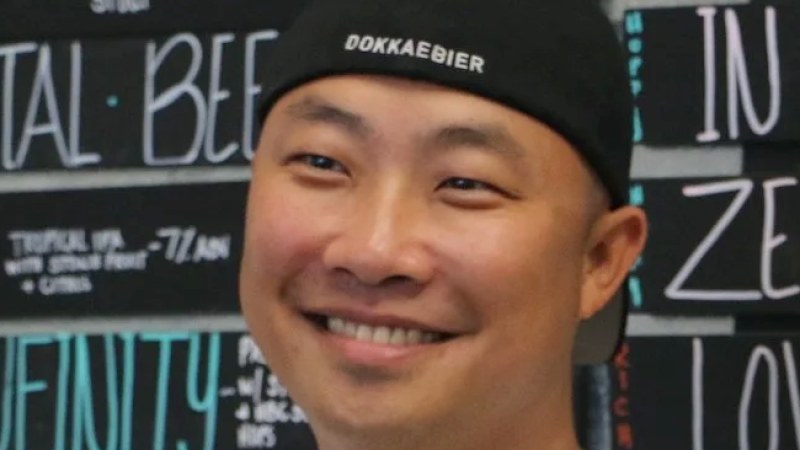
Youngwon Lee
Youngwon Lee is the founder and CEO of Dokkaebier, an Oakland-based craft brewery built around Asian ingredients and Korean folklore. After more than a decade in the wine and spirits trade across Seoul and California, he launched Dokkaebier in February 2020, named for the mischievous shape-shifting spirits of Korean myth. He brews beers like a kimchi sour and a yuzu blonde, and set out to change an industry where only about 2% of professionals identify as Asian American. In three years he released 40-plus beers, reached 400-plus retailers, and in 2023 acquired Oakland's Federation Brewing to take over its taproom near Jack London Square.
Narragansett Brewing Company
Narragansett Brewing Company is New England's storied lager brand, founded in 1890 in Rhode Island and once the largest brewery in the region. After the brand nearly vanished in the early 2000s, Rhode Island native Mark Hellendrung and a group of local investors bought it back in 2005, rebuilt its reputation around the classic Lager and the 'Hi, Neighbor, have a Gansett!' slogan, and in 2021 finally brought brewing home to a new 18,000-square-foot brewery and taproom in Providence's Fox Point neighborhood. Today it is an independent craft brewer producing roughly 100,000 barrels a year.
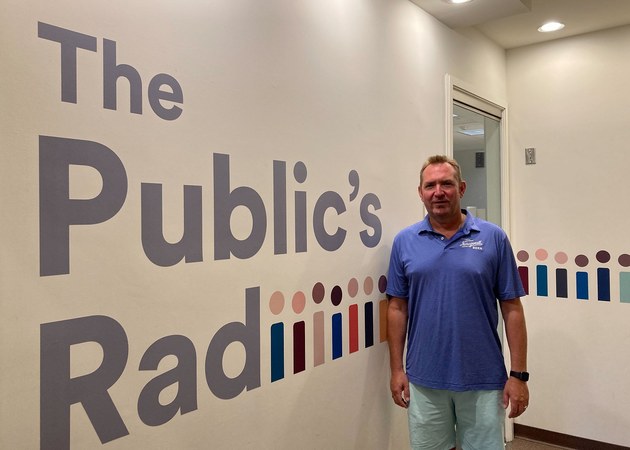
Mark Hellendrung
Mark Hellendrung is the Rhode Island native who bought a fading 1890 beer brand for less than $100,000 and made it New England's again. As owner and CEO of Narragansett Brewing Company, he resurrected a lager that had nearly vanished, brought brewing back to Rhode Island after a 30-plus-year exile, and opened a waterfront brewery and beer hall on the Providence harborfront. Before beer, he ran Nantucket Nectars and coached the team at Magic Hat. His pitch has always been the same: stay homegrown, stay local, and don't sell out to the big guys.
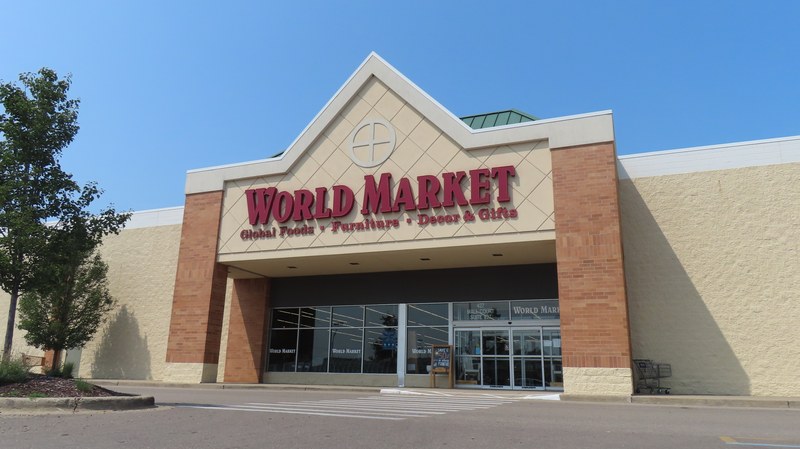
World Market
World Market (legally Cost Plus World Market) is an American specialty retailer that has sold globally sourced furniture, home decor, gourmet foods, wine, coffee and gifts since 1958. From its first shop on San Francisco's Fisherman's Wharf, it grew into a chain of roughly 240+ stores across the United States plus a fast-growing e-commerce business, built on the idea that a shopper in suburban America can fill a cart with hand-picked goods from dozens of countries at affordable prices.
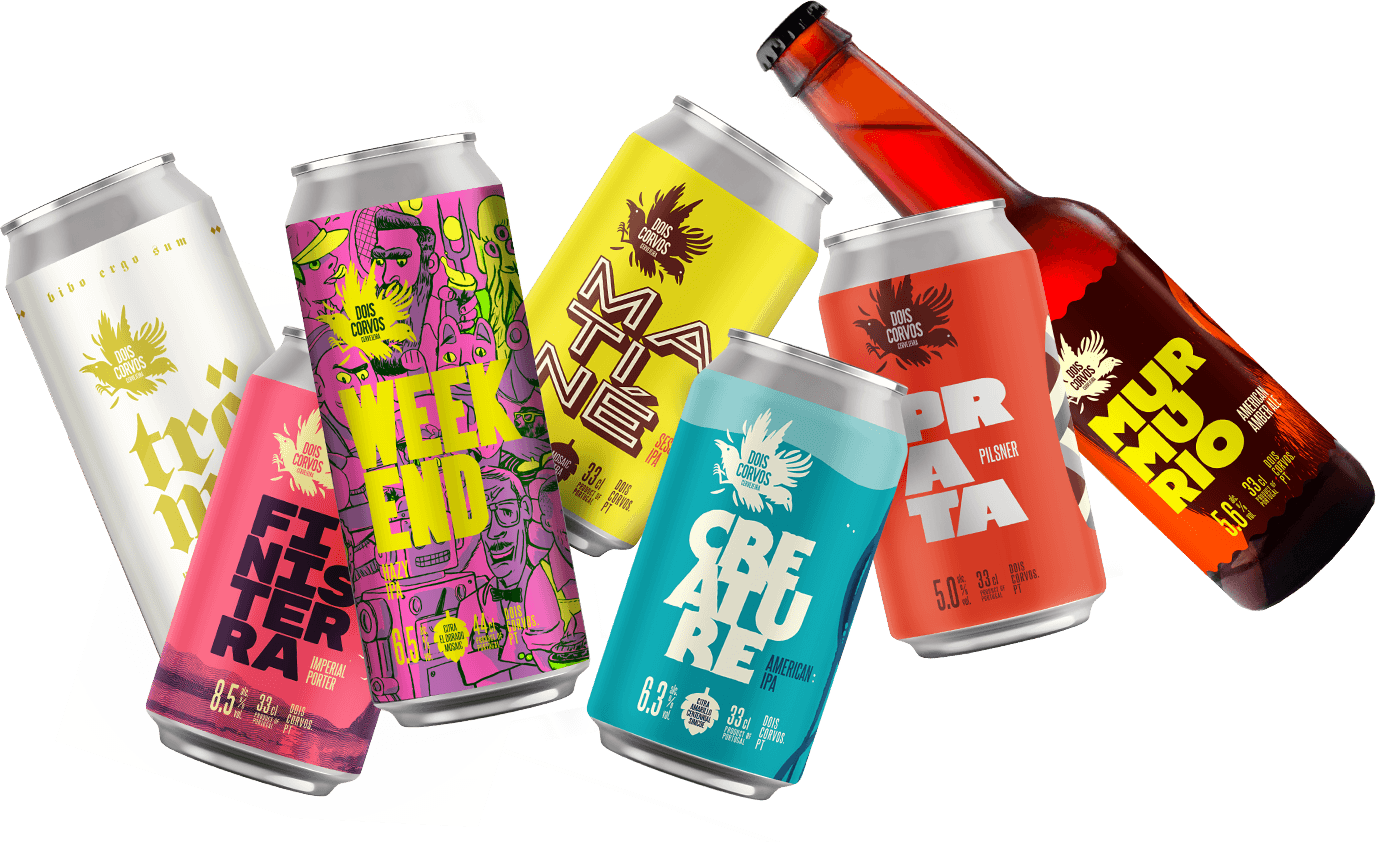
Dois Corvos
Dois Corvos is Lisbon's landmark independent craft brewery, founded in 2013 by Scott Steffens and Susana Cascais in the Marvila district. What started with a homebrew kit brought from Seattle has grown into one of Portugal's most recognised beer makers — producing roughly 550,000 litres a year, maintaining ~350 oak barrels, exporting to eight-plus countries, and operating two taprooms — all while remaining 100% family-owned with zero corporate backing.