Two days before the first Oceanaire opened, Phil Roberts looked across the white tablecloths and saw trouble. He had assembled a seafood supper club with the atmosphere of an ocean liner. Fish would arrive from around the world. The projected average check exceeded $50. But the room, he recalled in a 2006 Restaurant Business interview, looked so formal that he feared customers would save it for Friday and Saturday.
- A seafood specialist built around the catch and the occasion.
- Daily flown-in fish, a raw bar, steaks and chef-led preparations.
- A 2009 bankruptcy followed by Landry’s ownership in 2010.
- Private events and bar offers give customers different reasons to visit.
His fix was twelve cases of Heinz ketchup, with a bottle placed on each table. The condiment communicated permission: this room could accommodate an ordinary evening. It was cheaper, Roberts observed, than replacing the tablecloths with butcher paper. An expensive restaurant had discovered a modest problem. Before anyone could appreciate the fish, they had to feel comfortable walking in.
A long way from the water
Established in Minneapolis in 1998, The Oceanaire Seafood Room made seafood the organizing idea of a formal restaurant. Today the brand describes its mission as an “Ultra-Fresh Seafood Experience™,” built around seasonal seafood flown in fresh daily. The geographical irony remains appealing: an inland city supplied the starting point for a business whose menu looks outward to the sea.
The proposition combines ingredients with interpretation. Diners can choose simply prepared fish or a chef’s more elaborate treatment. Oysters, sushi and shellfish towers make the raw bar another route through the meal. A steakhouse section accommodates the companion who accepted the invitation but would rather eat beef. That breadth matters when a group chooses one restaurant for several appetites.
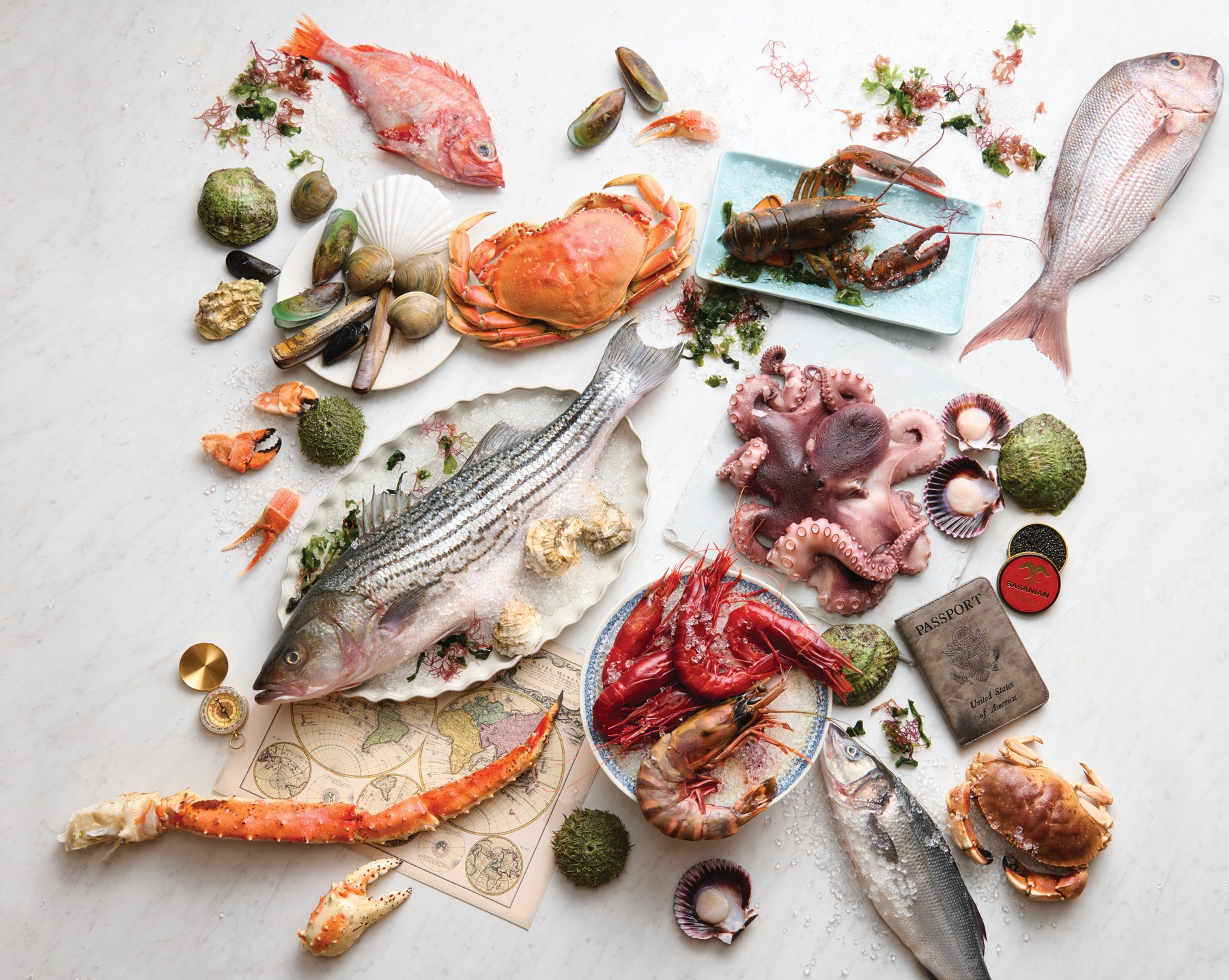
There is useful evidence of the expertise behind the promise. In a 2010 Miami New Times interview, then-Miami executive chef Sean Bernal described keeping a varied oyster selection and working with fish vendors from Alaska to the Keys. His account makes the job sound closer to informed purchasing than to following a fixed recipe. Knowing what to buy precedes knowing what to cook.
The occasion is part of the order
Oceanaire occupies the upscale seafood end of the restaurant market. For the customer, the alternatives include seafood specialists, steakhouses and independent dining rooms. Its distinctive proposition is the combination of seafood breadth and formal hospitality. The menu supplies the subject; the room supplies a place to mark an anniversary, entertain a client or gather people who seldom share a table.
The current private-events page makes that customer explicit: business lunches and dinners, company functions, celebrations and holiday parties. It lists Boston, Dallas, Indianapolis, Minneapolis, Orlando and Washington, D.C. An event planner can use the business to bring food and setting into one booking. The practical next step is a location-specific inquiry about space, menu and arrangements.
Its business model follows those uses. Individual diners buy food and drinks; groups book occasions. Gift cards and selected takeout, delivery and catering options add other purchase routes. Dallas and Indianapolis list services including DoorDash, Grubhub and event catering. They expand access, although a delivered dinner cannot reproduce the social choreography of a dining room.
What a seafood evening costs
Consider the Dallas menu as a snapshot, rather than a promise for every restaurant. It lists simply prepared Scottish salmon at $36, Massachusetts sea scallops at $55 and surf and turf at $74. A Grand Shellfish Tower, described as serving two to four guests, is $79. Drinks, sides and the number of courses determine how far an evening travels beyond an entrée.
There are smaller entrances. Admiral’s Hour advertises selected beer, wine, cocktails and light bites in the bar, with availability varying by location. The Sunday offer lists $2 chef-selected oysters and half-price selected sushi rolls, also at the bar. Someone curious about the brand can begin with a shorter visit. A special occasion need not be the first encounter.
The room survived. Independence did not.
The financial history interrupts the supper-club romance. In July 2009, Oceanaire filed for Chapter 11 protection and closed four of sixteen locations: Philadelphia, Charlotte, Cincinnati and Seattle. Contemporary trade reporting placed the upheaval amid recession-era cuts to corporate spending. Restaurants built partly around business meals and celebrations were exposed when customers reduced both.
Management initially hoped to remain independent. By April 2010, chief executive Terry Ryan told Nation’s Restaurant News that the plan had not worked out; Landry’s became the stalking horse after an unsuccessful confirmation hearing. The change of course had a concrete trigger. A preferred reorganization could not be completed, and a buyer offered another path.
“we wanted to remain a private company, but that didn’t work out”Terry Ryan / Nation’s Restaurant News / April 2010
Landry’s completed the acquisition on April 30, 2010. Its SEC filing records $23.4 million in cash, plus certain additional working-capital liabilities, for Oceanaire and its subsidiaries. The acquired business had twelve locations. That is the cost of the transaction, not the cost of launching the concept. Nor does a successful sale erase the closures that preceded it.
The invitation keeps changing
Today’s invitation is more formal than the ketchup story might suggest. Oceanaire requires business attire or smart casual dress and publishes specific exclusions. Guests should read that policy before booking. Reservations are recommended, while dietary questions belong in a conversation with the restaurant. The useful promise is a planned evening with choices; making those choices requires a little preparation.
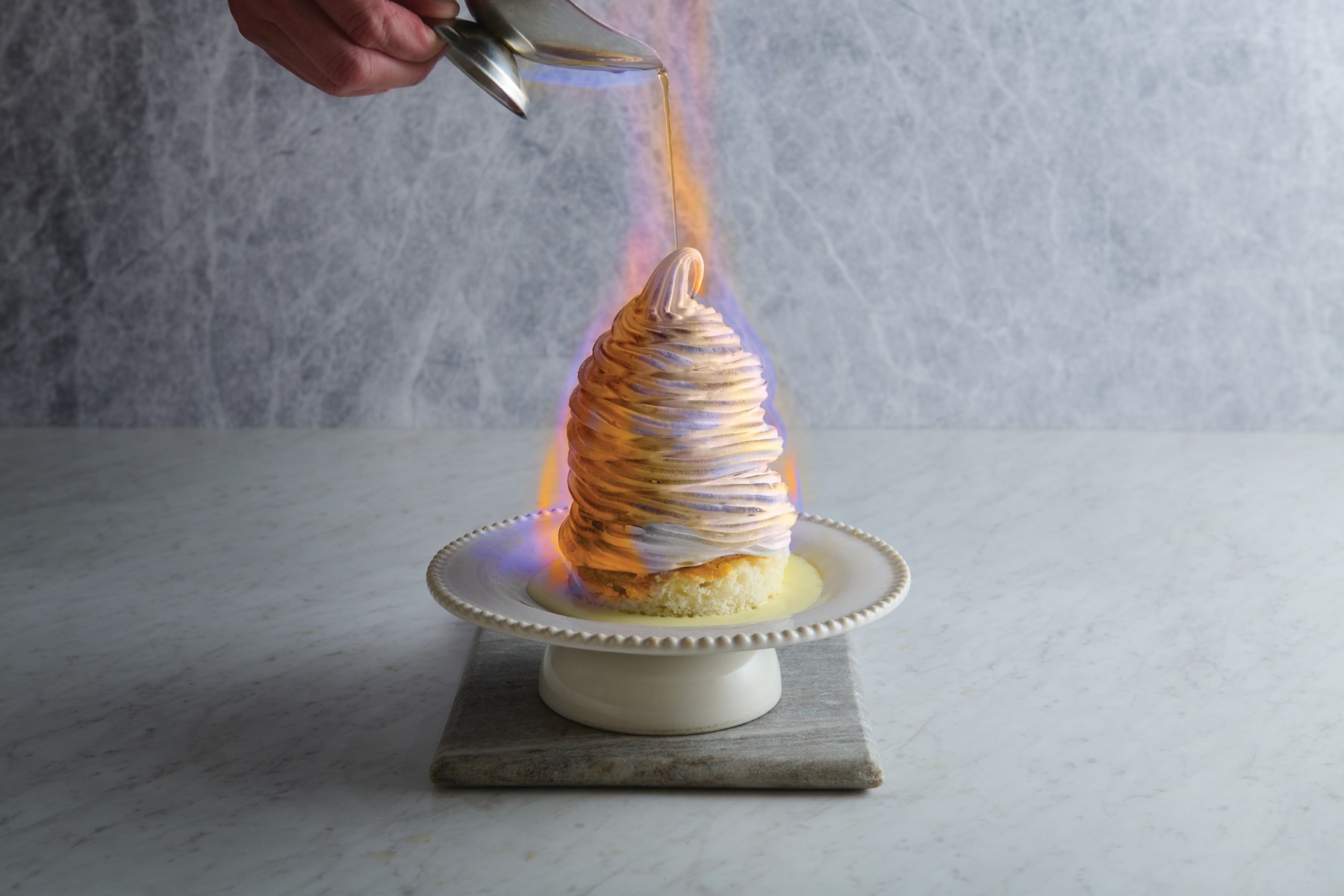
The calendar offers fresh reasons to return. October 2026 brings three National Seafood Month features, priced from $49 to $72. A Halloween lobster boil is advertised for October 30 through November 1 at $65 per guest for three courses, excluding sales tax and gratuity. The seasonal menu gives the familiar room a changing conversation.
Roberts’s experiment remains the portable lesson: inspect the signals customers encounter before they buy. A small object can reduce hesitation when the underlying product already deserves attention. That approach has limits. A friendlier table cannot restore a corporate dining budget or rescue an overextended business. Oceanaire’s history makes room for both truths, which is more interesting than a seafood tower alone.