Dinner comes with enough decisions. Chicken or steak? Brussels sprouts or potatoes? At Urban Plates, there is another: would you like to subscribe? The California chain’s regular Plate Pass costs $5 a month and takes 20% off eligible purchases. Spend $25 before taxes and surcharges, and the basic membership fee has earned its keep. Everything after that begins to look like a reason to come back.
That modest transaction reveals the company’s ambition. Urban Plates wants a recurring place in the weekly food budget. Its tools are familiar ingredients, meals cooked from scratch and a discount that can be understood without collecting points. The interesting part is how often the business has adjusted the machinery behind that promise.
A dinner plate with a monthly fee
Saad Nadhir and John Zagara founded Urban Plates in 2011, opening first in Del Mar, in the San Diego area. They built around an everyday frustration: wanting a proper meal without the time or bill associated with a conventional restaurant dinner. Nadhir brought experience from Boston Market, where he had served as co-chair and chief executive.
Today’s menu stretches across grilled proteins, vegetable sides, salads, sandwiches, burgers, bowls, braises and desserts. A customer can assemble a meat-and-two-sides dinner, choose a salad or order something handheld. The menu’s breadth matters when the people eating together disagree about what eating well means. There is room for a plant-based choice and for someone whose immediate priority is a cheeseburger.
The market position sits between fast-casual convenience and casual-dining hospitality. Guests order at the counter; the company promises service after they sit down. That combination makes the chain an option for lunch, family dinner or takeout when cooking loses the evening’s argument. Its competition is any nearby restaurant that can deliver the same convenient, satisfying meal.
The organic promise has a shopping list
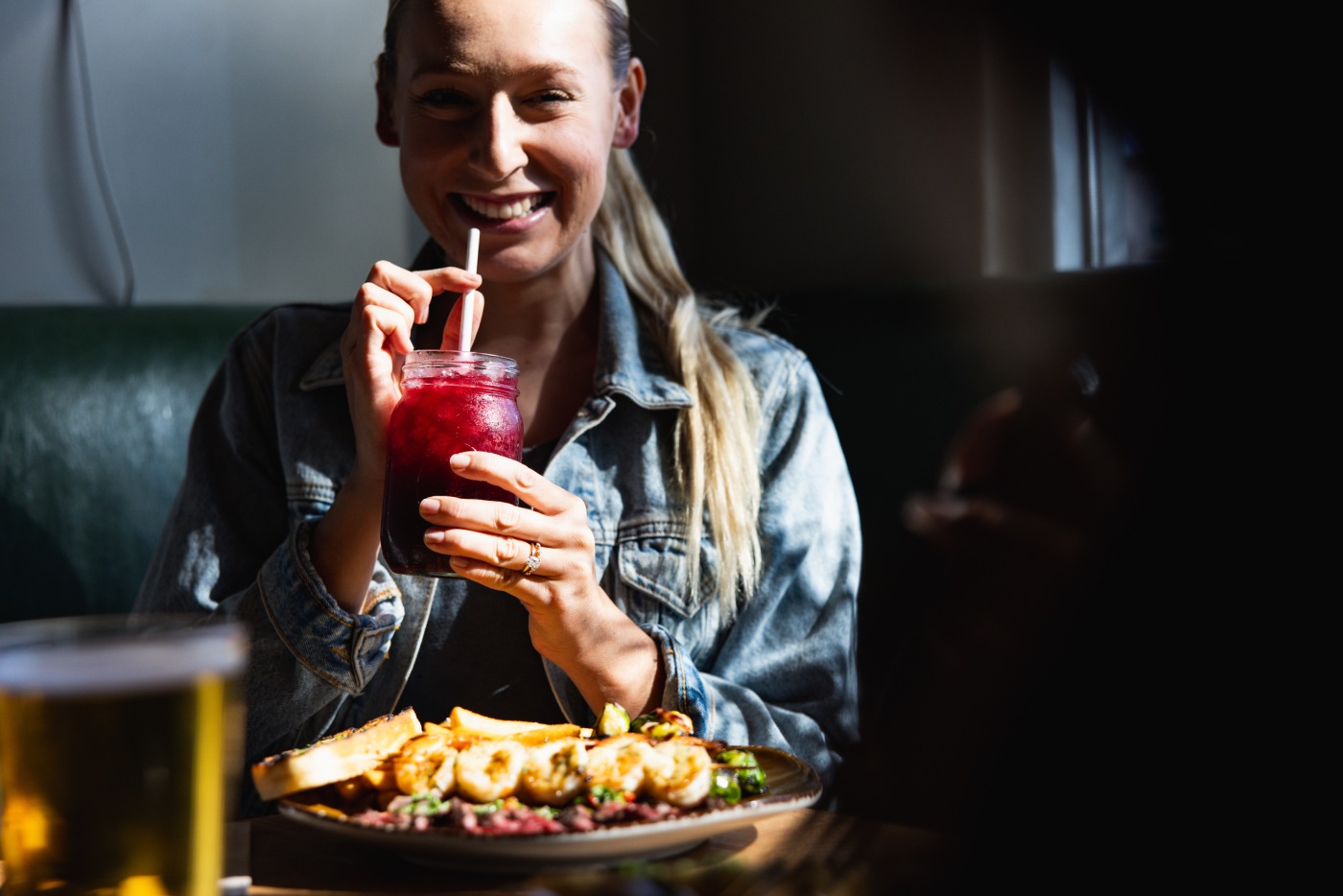
Urban Plates gives its ingredient pitch some useful edges. Its published standards specify grass-fed, grass-finished steak and ASC-certified farm-raised salmon. Its organic list names ingredients such as lettuces, tomatoes, potatoes, beets, quinoa and eggs. Those are more informative commitments than a blanket halo around the word “healthy.”
The company deliberately buys some ingredients organic and others conventionally, explaining that selective purchasing helps preserve affordability. This is a commercial compromise worth noticing. Diners get a defined promise they can inspect, while the kitchen avoids committing the entire menu to one purchasing rule. “Organic” describes particular ingredients here, not every mouthful.
The other claim is about work: cooking in-house, from scratch, in small batches throughout the day. That requires purchasing discipline, preparation and cooks who can repeat a recipe through a busy service. The expertise sits in the kitchen and the supply chain. An attractive menu description still has to survive a delivery, a lunch rush and the next batch of vegetables.
The burger passed its audition
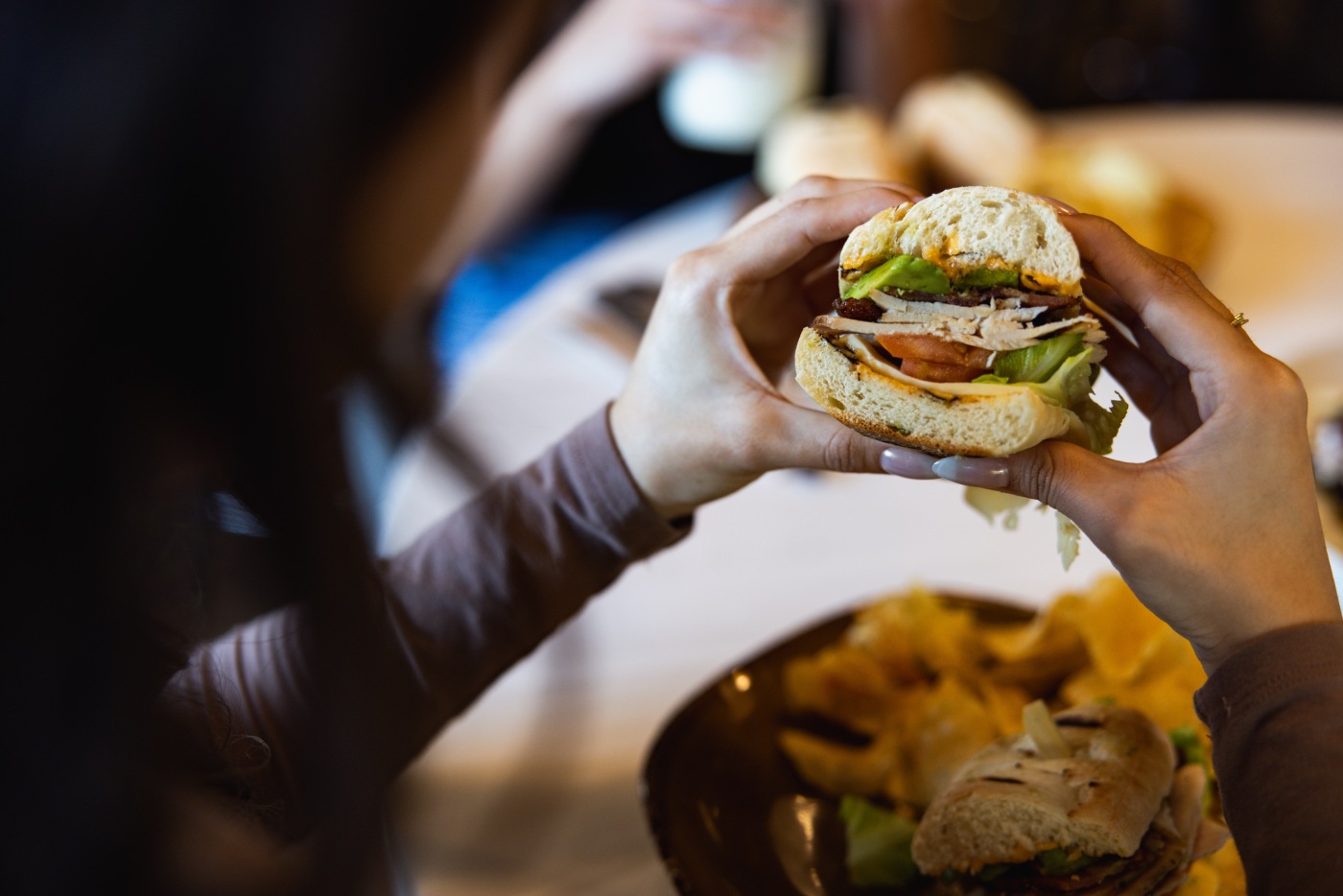
For a revealing example of the company’s flexibility, consider June 2022. Urban Plates introduced cheeseburgers and double cheeseburgers for the first time in its 11-year history. Before the wider rollout, it tested the burger in three locations over several months. Customers supplied a practical answer to a brand-positioning question: would an indulgent staple belong here?
The launch version used a quarter-pound beef patty, hand-sliced American cheese, house-made Thousand Island dressing and a potato bun. With fries, the single cost $11 in Southern California and $12 in Northern California at launch. Those historical prices show how explicitly the company paired ingredient details with a value proposition.
Culinary director Joe Noonan described the restaurant as suitable for flexitarians. The burger expanded the choices without removing the vegetarian and vegan dishes. For a group picking somewhere to eat, that is useful diplomacy. A restaurant can lose the whole party when one person cannot find dinner.
The subscription got cheaper. The offer got wider.
Plate Pass arrived in January 2021. By its first anniversary, members paid $10 a month for entrées priced at $11 or less. The company said those members were saving an average of $42 monthly. That was an early, company-reported result under an earlier offer, rather than a forecast for someone signing up today.
The redesign took effect in January 2023. Urban Plates halved the fee to $5 and switched to a 20% discount, extending the benefit beyond entrées to eligible desserts, beverages and extras. It also made redemption available at the register and through the website, alongside the app. Inflation and pressure on household budgets were the company’s stated reasons for changing the offer.
“People are making tough choices and we want to make Urban Plates an easy choice.”
Saad Nadhir · December 2022
For the diner, the percentage model makes the calculation straightforward. For the restaurant, it offers a recurring fee and an incentive for another visit. The business logic is that enough repeat purchasing will justify the discount. A subscription’s existence alone cannot establish that it improves restaurant profits.
What does $5 buy you?
Illustration: eligible spending × 20% - $5 monthly fee. Break-even: $25. Excludes taxes, surcharges, delivery fees and other plan benefits.
The regular plan works most naturally for someone who already expects to visit. Memberships renew automatically; catering, gift cards and certain holiday meals are excluded. The company also advertises six-month and annual plans with additional benefits. Delivery terms depend on the selected offer, so the applicable plan and checkout deserve attention. A discount can improve a planned purchase. It can also encourage an unnecessary one.
The 40-restaurant plan met a closed dining room
Urban Plates has tried the faster route to scale. In September 2018, it announced a $38 million growth and working capital facility from Goldman Sachs Specialty Lending Group. It had 15 restaurants and planned another 25 over roughly three years, taking the chain to 40. The map included California and the Washington, D.C., area, with further regions under consideration.
The pandemic interrupted that geography. The chain retrenched and closed its three East Coast restaurants, according to subsequent reporting. The expansion plan was the visible casualty. Restaurants were then streamlined, and technology investment helped adapt the business to customers ordering beyond the dining room.
Credit facility for growth and working capital
Financing for refinancing debt and further growth
Announced financing amounts. Neither is a valuation or the cost of opening one restaurant.
In August 2023, Urban Plates secured $27 million from funds managed by Morgan Stanley Expansion Capital. The investor classifies the transaction as a secured note. The financing supported both debt refinancing and growth. Simply adding the two announcements would obscure that distinction: money replacing debt is different from money available to build another kitchen.
At that point, the company reported that digital orders accounted for about half of all orders. For a concept originally organized around a cafeteria-style line, the figure marked a substantial shift in how customers reached the food. By October 2025, the announced Davis opening was restaurant number 22, following a Sacramento debut the previous December. Recent recruitment material also describes 22 California locations.
The kitchen has to do the persuading
Urban Plates says its restaurants are company owned and operated, with no franchise opportunities currently offered. That keeps menu execution and hospitality within the operating company’s responsibility. The revenue comes from meals, drinks, catering and memberships; the website and app supply additional ways to order those products.
Catering extends the kitchen to offices, sports teams and private gatherings. Customers can order buffets of proteins, sides and salads, individually boxed meals or bundles. The practical benefit is accommodating different preferences within one order. It is an extension of the same broad-menu argument that helps a family agree on dinner.
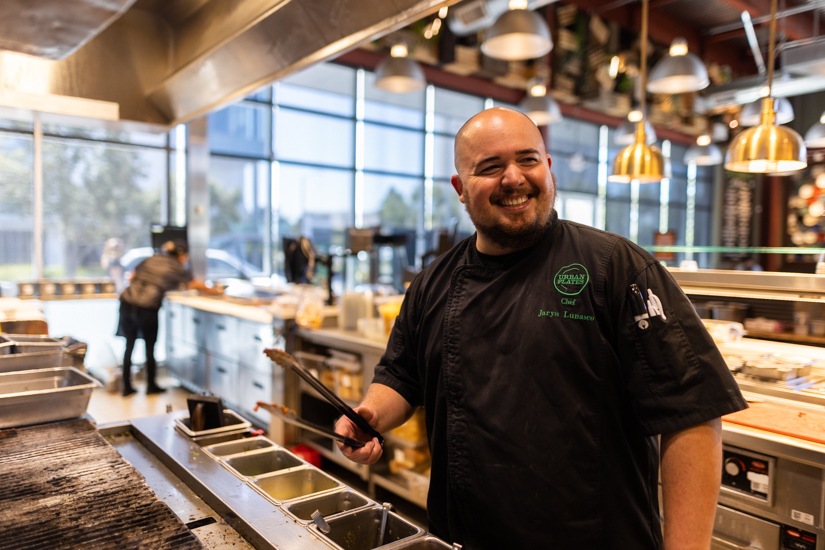
The company’s public commitments to staff emphasize training, respect, preparation and development. Chef recruitment adds concrete offerings such as management training, meal benefits and access to an emergency grant program. These are the employer’s stated commitments. Their relevance to the customer is plain: a scratch-cooking promise depends on people who know the recipes and have the support to execute them.
Hospitality was an explicit investment early on. In 2016, the chain reported hiring a former maître d’ from New York’s Per Se to lead hospitality training. The context makes that choice interesting: guests were carrying trays through a cafeteria-style service. Urban Plates was borrowing expertise from formal dining for a much more everyday transaction. For another operator, the transferable idea is to train for what happens around the food: greeting people, explaining choices and helping them settle in. A lower-service format still gives a restaurant opportunities to make customers feel looked after.
A regular customer supplied the celebrity idea
One of the brand’s more unusual collaborations began with a diner. According to Urban Plates, skateboarder Nyjah Huston approached the company about working together after becoming a regular customer. He discussed his preferences with the culinary team, which prepared three options for him to taste.
The resulting Nyjah Bowl launched in August 2022 at $13 for the chicken version. It combined gochujang sauce, roasted sweet potatoes, broccoli and other vegetables over cauliflower fried rice. The useful detail is the sequence: an existing customer, a conversation about food, then a product. The endorsement grew from a relationship the restaurant already had.
There are smaller, local ways to build that relationship. Ahead of the Davis opening, Urban Plates invited neighbors to practice services, offering meals while encouraging donations to Yolo Food Bank. Staff gained rehearsal time; neighbors gained an introduction. It is an opening tactic other restaurants can adapt when they have time to train before charging full price.
The broader lesson is equally practical. Make ingredient claims specific. Test a new dish before expanding it. Put a loyalty offer into arithmetic customers can check. Each depends on conditions: enough nearby regulars, consistent cooking and margins that can absorb the discount. For Urban Plates, the next test arrives with an ordinary question, asked again tomorrow: what’s for dinner?