family-business
(66)
Kaló put hemp in a can. Seven trucks kept the story moving.
A New Jersey farming family built a hemp seltzer, hit a pandemic, and found another use for its trucks. Kaló’s story turns on what happens between a good drink and a stocked shelf.

Stone & Skillet found a business beneath the eggs
Boston chefs fussed over their eggs Benedict. Stone & Skillet noticed the bread underneath - and built a national English muffin business around it.
How Barrett Distribution Centers bought back two days
A family warehouse business found its limit at the packing station. Its answer offers a useful lesson for any brand whose orders have begun to outrun its operations.

Polaris Transportation Group: The truck company that took on the paperwork
A family freight business found that getting across the Canada-US border meant fixing what happened before the truck ever left. Its most instructive upgrade was in the office.

Bender Warehouse Co.: The $3.1 Million Warehouse Built to Keep Candy Cool
A Reno logistics business made room for candy, washing machines and other people’s complications. Its story explains why a warehouse earns its keep by doing much more than holding boxes.
RLS Logistics found room to grow by moving the aisles
A New Jersey mushroom farm became a cold chain business with a surprisingly concrete idea: stop paying to refrigerate empty space. Inside RLS Logistics, the useful innovations happen between the shelves, the trucks, and the customer’s next big order.

Crowley: The Shipping Company That Knows Where Time Goes
A ship can cross an ocean and still lose the race at the gate. Crowley’s business is built around those awkward last yards - and the expensive work of making them disappear.
Syfan Logistics sold the business. Then it missed the people.
A Georgia family returned to freight after selling its first company. Its second act pairs trucks, carrier relationships, and a very practical obsession with who answers the phone.

Hellmann Worldwide Logistics knows what happens between the truck and the door
A family freight business that kept a horse working until 1961 now runs warehouses, robots and global supply chains. Its useful lesson: delivery depends on everything around the journey.

Distribution Technology found the money between the shelves
A Charlotte family business grew by connecting the parts of logistics that customers usually buy separately. Its lesson: the cheapest place to store a pallet may be an expensive place to leave it.

The postcard that refused to stay small
Brandon began with a camera on the Carolina coast. Sixty-seven years later, the same family business sells an unusually broad promise: strategy, creative and performance that share one scoreboard.

The Agency That Found Its Next CEO Three Offices Down
Bill Donovan was preparing to sell the agency he had built over four decades. Then the pandemic broke the plan, his son asked a four-word question, and the family discovered that the most valuable campaign might be an operating system.

The Detective, the Mailroom, and the Bet Before the Clients Arrived
A retired detective bought a tiny direct-mail shop with no computer, then used a recession to make the expensive move nobody recommends: hiring the agency before the agency had clients.
The Oldest New Trick in Advertising
In Des Moines, a family agency founded in 1907 keeps proving that the newest marketing problem often has an old answer: understand the buyer, remove the friction and make the story impossible to ignore.

Young Company knows the value of a boring product
Power supplies, uniforms, document cameras: Young Company has spent decades finding the human reason to care. Its most useful trick starts before anyone writes an ad.

MS-Group: the family business that put its craft on the map
A Cardiff memorial business grew into a group that makes headstones, wraps vehicles and helps visitors find their way. The connection is closer than it looks.

Communication Arts sells a second look
A magazine born to keep a printing operation busy became a place where creative work gets noticed. Its enduring product is the judgment between making something and deciding it deserves an audience.
The Chambers Group knows where the audience is hiding
From supermarket packaging to celebrity feeds and hotel-room televisions, this family agency follows attention wherever it goes. Its most revealing sales pitch comes with a $498,000 email bill.

SignArt Graphix puts the family business on the road
From hand-lettered race cars to coordinated commercial fleets, this California sign shop has carried its craft into a second generation. Its pitch is practical: design the identity, print it, and make it fit.
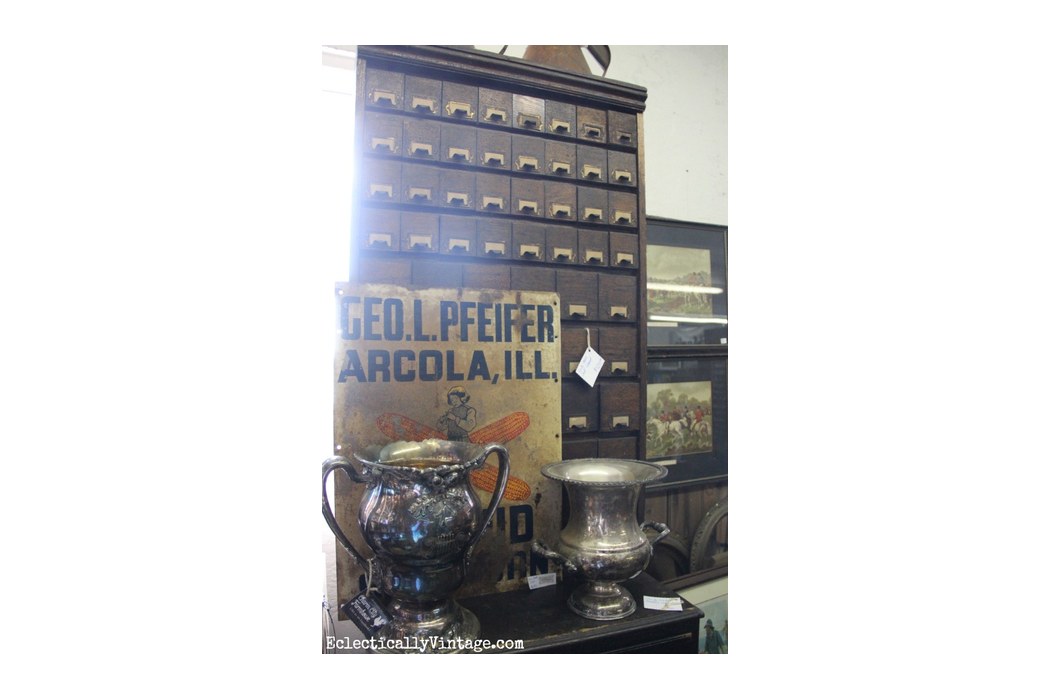
Sweet Clover sells old things. The shop keeps changing.
From a Maryland dairy barn to downtown Frederick, Sweet Clover built a business around vintage finds, mixed styles and a reason to come back next month.

BOGDANOV wants your brand to outlive the scroll
The family design studio sells a year of brand stewardship from $12,000. Its argument: the website, the film and the wall should all belong to the same business.
Venda Ravioli sells dinner. The spoon has opinions.
A Providence pasta maker turned a neighborhood specialty into groceries, catering and gifts. Its next sale might be a tray of chicken Parmesan or an entire Italian night in a box.

What Retailers Can Steal From Tepperman’s 100-Year Trust Machine
A Windsor peddler’s shop became a seven-store Ontario institution by treating credit, delivery and community memory as part of the product. Its centennial offers a useful playbook - and a warning - for every regional retailer fighting national chains and endless online aisles.

The Family Trailer Company That Bet CA$15 Million on Making Boring Things Better
Southland Trailers grew from a local welding shop into a 500-plus-person manufacturer by obsessing over factory flow, useful engineering and the stubborn details that decide whether a trailer earns its keep.

Pajar Built a Winter-Boot Institution - Then Realized Winter Was the Problem
The Montreal family business still makes premium boots in its original factory. Its bigger move is learning how to sell footwear when the snow does not show up.

The Teachers Who Bet $25,000 on One House - Then Built a 20,000-Home Machine
Cardel Homes survived Calgary's dollar-house recession by learning when to specialize, when to spread out and when to own more of the customer journey. Its 50-year playbook is useful far beyond homebuilding.
The Canoe Shop That Sold Certainty: How Algonquin Outfitters Turned 40 Boats Into an 11-Location Adventure Machine
Most outdoor retailers sell equipment. Algonquin Outfitters sells the confidence to leave the parking lot - a quietly powerful model built from local knowledge, lighter canoes and six decades of fixing trip-day friction.

The Buffet Died First. Pizza Salvatoré Built a 115-Store Machine From the Wreckage
When the pandemic erased more than half of its old business, five siblings stopped defending the dining room. Their smaller, digital-first pizzerias became a practical playbook for turning a local family chain into a Canadian growth story.
The 100-Truck Family Business Selling the One Thing Freight Buyers Can’t Order: Fewer Surprises
Evans Trucking grew from one truck into a cross-border fleet by obsessing over the unglamorous parts of freight - maintenance intervals, load securement and honest updates. Its playbook is useful far beyond the highway.

The Quebec Heater Company That Survived Two Crises - Then Built an 18-Brand HVAC Machine
Innovair Solutions grew from a backyard workshop into a 1,300-person HVAC group by making an unfashionable choice: buy specialists, keep their names, and let the plumbing behind them do the merging. A C$230 million capital package now puts that Quebec playbook under its biggest test.