Seven trucks are an odd place to begin a story about seltzer. But in the spring of 2020, they were among the most useful things Kaló had. The young New Jersey hemp-drink business had reached more than 200 stores when COVID interrupted demand. Its chief marketing officer, Jeff Frommer, supplied the unvarnished version: “We were crushed with this thing.”
- A farming family turned hemp into flavored seltzer.
- During COVID, the team used existing trucks and farm connections to deliver produce.
- Retail distribution drove early growth; today’s storefront leads with THC drinks.
The trucks were already there
What remained was quite tangible: packaging infrastructure, agricultural relationships, and those vehicles. Restaurants were closing. Produce intended for their kitchens needed somewhere else to go. Ken VandeVrede, identified as a Kaló co-founder, came from a farming family. The team could see both ends of a suddenly broken transaction.
Harvest to Home offered farm-fresh produce ordered online, with next-day, no-contact delivery in North Jersey. By an April 2020 interview, Frommer said the service had delivered more than 1,200 boxes. This was an adjacent business assembled from familiar parts. The beverage team had found a different load for its delivery capacity.
The detail is useful because “pivot” so often arrives without furniture. Here the furniture was trucks, packaging, and people who knew growers. A founder reading this can begin with an inventory: what can the business actually move, package, procure, or deliver when its original customer stops buying?
A farm learns to speak seltzer
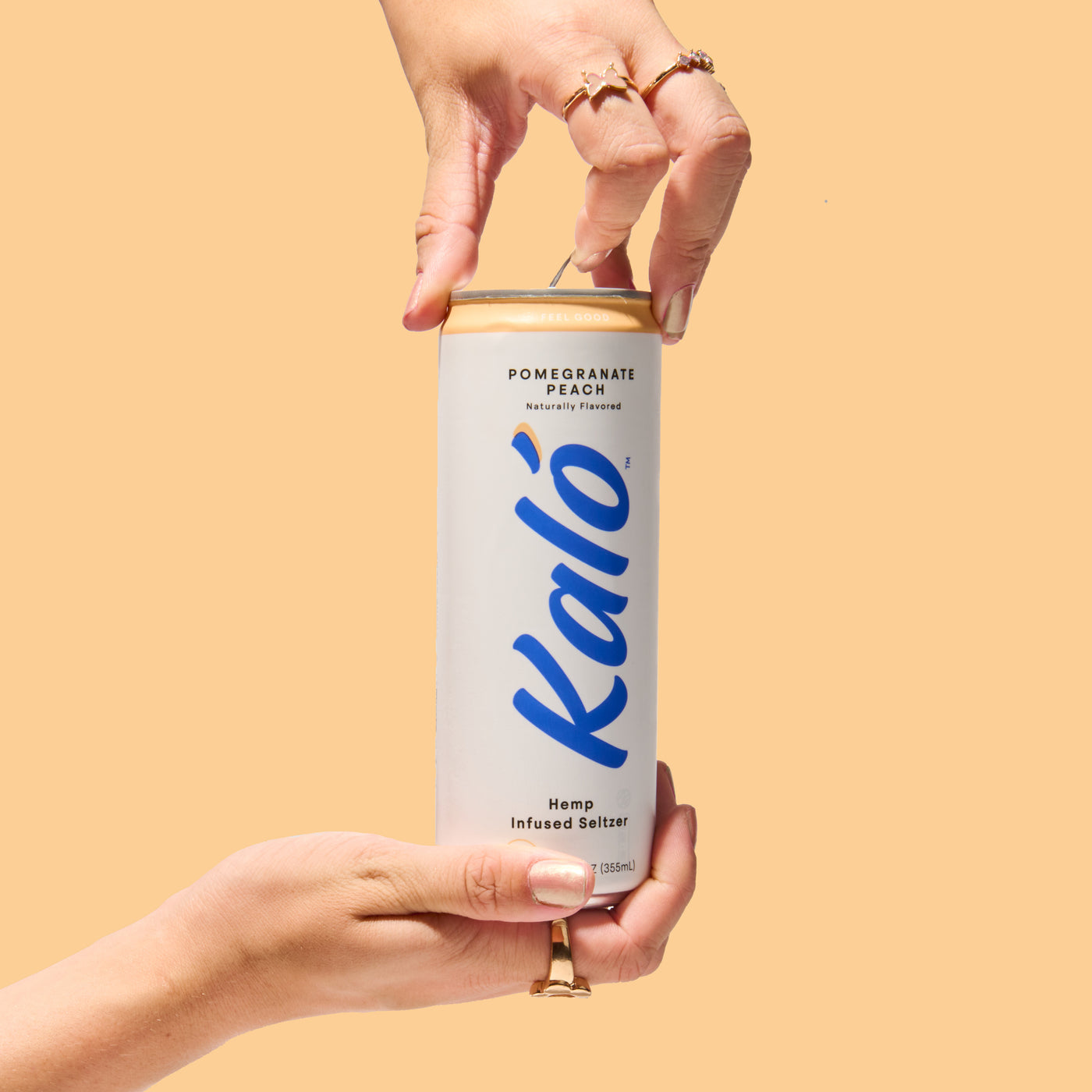
Kaló’s agricultural inheritance is central to its pitch. The VandeVrede family describes three generations of farming and more than 50 years in agriculture. Its company, Hillview, created the beverage brand. The name means “good” in Greek, a pleasantly economical ambition for something destined to sit beside the ice.
The brand’s account says the family and team spent more than two years developing a water-soluble way to put hemp’s constituents into a drink. That formulation addresses a concrete consumer problem: the flavor and texture of an infused beverage must still justify another sip. A can that behaves like a supplement has a different assignment from one invited to a picnic.
Kaló presents its extraction process as a distinguishing feature and describes it as patent-pending. Those are the company’s formulation claims. They explain its positioning without proving that a drink produces a particular health outcome. Its lab-results page says batches undergo third-party testing and provides reports organized by flavor.
Its flavor names do some of the explanatory work. Lemon Lavender suggests a quieter sort of refreshment; Pomegranate Peach sounds at home in a summer cooler. The packaging gives an unfamiliar ingredient a familiar introduction. That is a positioning choice, rather than evidence that everyone will experience the drink the same way.
The customer proposition is easier to grasp than the chemistry: a flavored, low-calorie social drink containing hemp-derived cannabinoids. It offers an alternative occasion to alcohol and a familiar format for adults who prefer a beverage to smoking. Taste, convenience, and an intelligible label have to carry the introduction.
The blue trucks, and the bill
In August 2020, Kaló secured distribution through Pepsi-Cola Bottling Co. of New York for New York City, Long Island, and Westchester. The relationship concerned a bottler’s distribution system. For a small brand, that distinction matters: access to an established route is valuable without requiring a corporate acquisition story.
The deal followed more than a year of discussions, interrupted by the pandemic. VandeVrede described rigorous vetting. The historical price was $4.99 for a 12-ounce can, or roughly $18 to $19 for a four-pack. The original launch range included Strawberry Watermelon, Lemon Lavender, Pomegranate Peach, and Raspberry Lime.
By July 2021, NJBIZ reported first-year sales above $1 million and said beer distributors had moved 60% of cans. Kaló began with direct consumer sales, then pursued traditional distribution. Its retail work included brand ambassadors visiting accounts and merchandisers checking displays and stock. Shelf presence required maintenance.
That summer, the company announced ten-state distribution and four additional flavors, taking the range to eight. Grocery stores, convenience stores, and natural markets were part of the footprint. Black Cherry or Ginger Lemonade might win attention; a distributor and a stocked refrigerator made the purchase possible.
The label has changed
Today’s Kaló storefront leads with THC. Pomegranate Peach and Lemon Lavender each list 5 mg THC, 5 mg CBD, and 15 calories per 12-ounce can. The familiar flavor names can disguise the significance of the change. Buyers should read the formulation on the particular product they are considering.
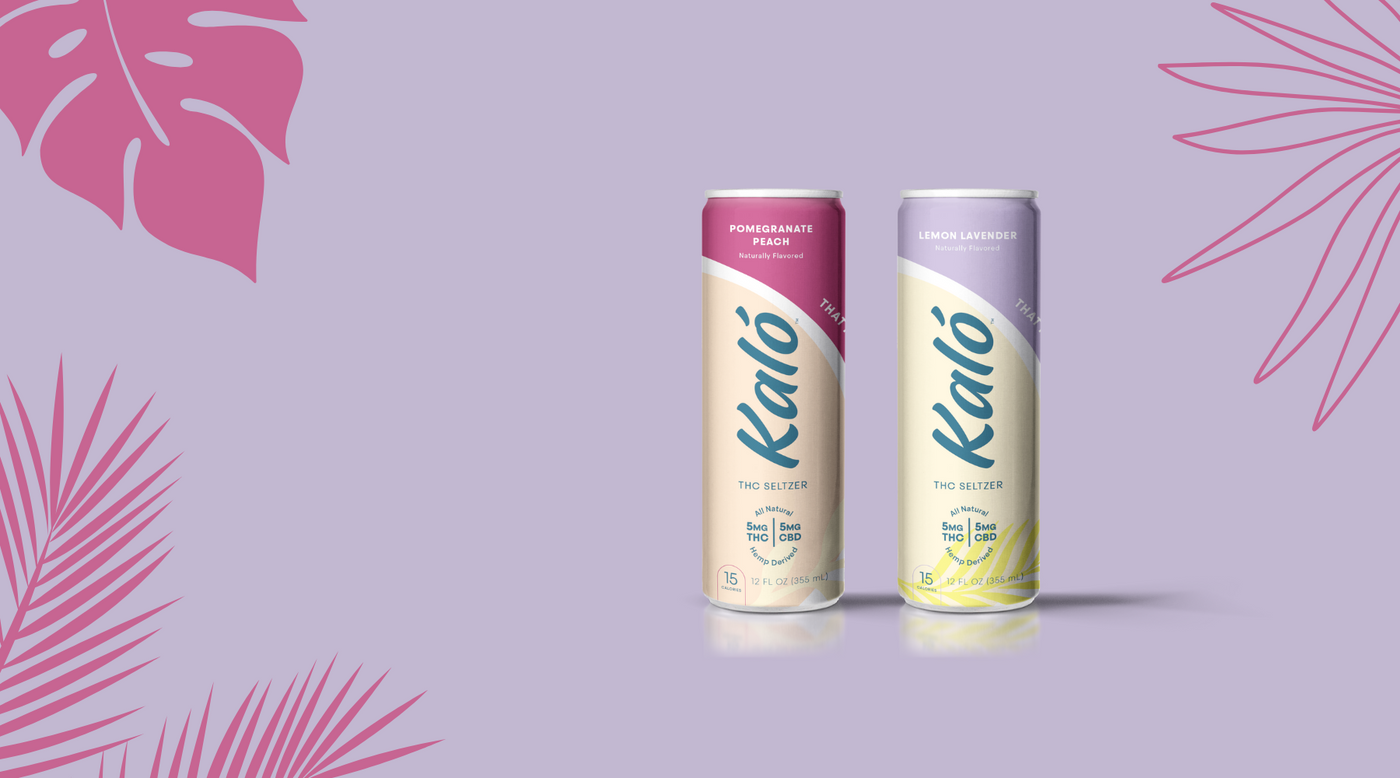
Listed eight-packs cost $40; twelve-packs cost $55 before shipping. That works out to $5 or about $4.58 per can, respectively. The website marks its products 21+. This is a premium-priced infused beverage, aimed at an adult social occasion.
“learning the hard way from limited capital and a few wrong partnerships”Ken VandeVrede, on the THC launch
VandeVrede’s public launch account also describes changing state regulations and starting and stopping CBD distribution. His lessons include balancing distribution, direct sales, capital, and taste. The admission complicates the early growth figures: securing routes once does not make access permanent.
What travels beyond New Jersey
Three choices are worth copying: inventory existing assets before changing direction; treat distribution as part of the product’s usefulness; and give customers enough detail to distinguish successive formulations. Each turns a vague ambition into an operational question somebody can answer.
The conditions matter. Produce delivery requires vehicles, packaging, supplier access, and nearby demand. Retail growth requires dependable supply and partners willing to carry the product. An infused drink also depends on the rules in each market. Kaló’s story is most instructive where it stays specific: the family knew farming, the team had trucks, and the can still needed a route to the fridge.
Keep the conversation going
Explore Kaló · Find a retailer · Read the lab reports · Browse the news archive
Instagram · LinkedIn · X · Facebook · Kaló on YouTube