Between eleven in the morning and two in the afternoon, orders used to crowd into Polaris’s office. Someone printed them. Someone distributed them. Other people checked addresses and typed the details into another system. When the queue swelled, colleagues from other departments came to help. For a company promising overnight freight, the afternoon had become an awkward place to lose time.
- Polaris specializes in smaller freight shipments crossing between Canada and the United States.
- It built automation around order entry and customs documents, leaving people to handle exceptions.
- Its useful lesson: find the queue, understand the rules, then change the work.
A trailer with room for ambition
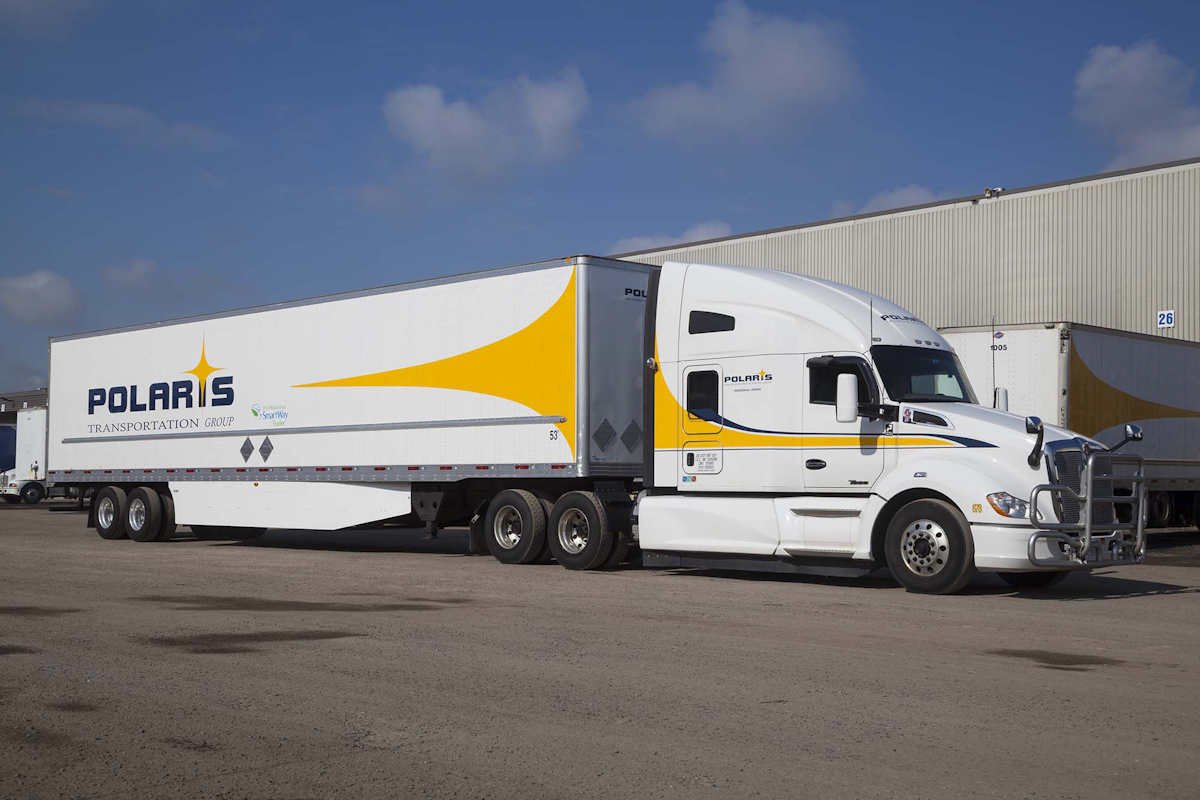
Larry and Geri Cox started Polaris in 1994 as a regional freight brokerage in the Greater Toronto Area. Larry brought transportation operations experience; Geri brought finance. Their son Dave joined in 1998 after working at another carrier. The family had expertise. It still had to earn volume.
Dave later recalled an early Chicago run in a 53-foot trailer with barely four feet occupied by freight. It is a wonderfully unglamorous founding image: an enormous container transporting mostly possibility. Each trip carried a little more, until the trailer filled. Then came another trailer.
The business was less-than-truckload, or LTL. Several customers share a trailer rather than each paying for an entire vehicle. Scheduled departures give those smaller shipments a repeatable route to market. Empty space is the uncomfortable part of establishing that habit; dependable service is what gives customers a reason to return.
The border begins at a desk
Polaris’s specialty complicates the ordinary LTL equation. Each shipment brings its own descriptions, dimensions, documents and questions. A truck carries freight for different customers, but the information must make sense before that freight crosses a border. One missing detail can acquire an audience of drivers, dispatchers and customers.
In 2019, Commercial Carrier Journal reported that Polaris handled more than 300,000 orders annually for up to 6,000 customers. Those historical figures explain the attraction of automation. Repeating a small clerical inconvenience hundreds of thousands of times turns it into a substantial operating problem.
“Every order is its own life form.”
Dave Cox, speaking to Commercial Carrier Journal in 2019
The company already used optical character recognition to extract information from documents. It still required considerable staff intervention. CTO Dave Brajkovich had experience with robotic process automation in finance. Cox wanted growth without endlessly enlarging the clerical queue. Together, they began treating the workflow as something that could be engineered.
Four months before the first payoff
Polaris selected WorkFusion and built its own application layers. The demanding work involved tracing business logic and identifying the data and decisions software would handle. The 2019 account puts preparation for production at about four months. Software and hardware were only part of the undertaking; somebody had to understand how the business actually worked.
The order-entry platform launched in September 2018. Its Control Tower gave workers a place to see inputs and correct exceptions. A later account reported that roughly 80% of cross-border transactions flowed through automatically. That remaining share matters. The system gave unresolved cases somewhere to go.
A simplified view of the documented Control Tower process.
By April 2020, the company reported clearing work in progress up to four hours earlier each day. It also described reducing the full- and part-time workers touching orders across their lifecycle from 22 to 15, largely through fewer temporary staff. These were reported implementation results, rather than promises about today’s shipments.
Company-reported results published in April 2020.
The software gets its own room
Polaris gave its technology operation a separate identity: NorthStar Digital Solutions. A Digital Laboratory brought executives, developers and front-line staff into a space with walls for whiteboarding ideas. The arrangement also created scope to develop services for other businesses. An internal improvement could become something another carrier bought.
Today the group combines transportation, global logistics, commercial warehousing and NorthStar. Warehousing covers tasks such as picking, packing and display assembly. Logistics extends the journey through partner capacity. NorthStar’s FR8Focus connects mobile document capture and fleet information to the back office. Each division addresses another handoff around the shipment.
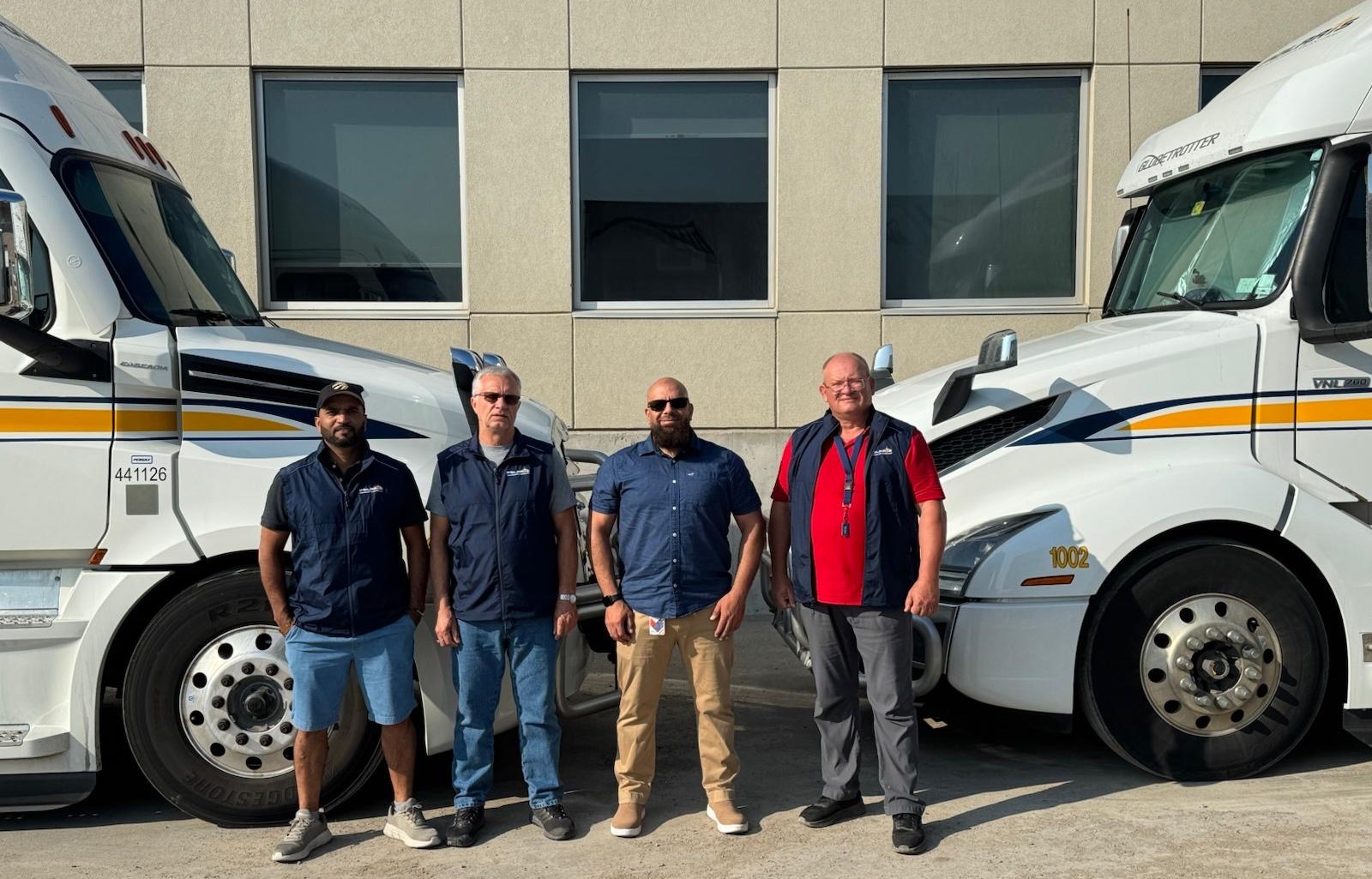
Changing the systems also changes the jobs. Polaris described cross-training employees for customer-facing work during the automation rollout. Its later Larry Cox Academy offers a 15-month rotational development program. That makes the people investment concrete: employees need somewhere useful to take the time technology gives back.
Choose the lane before the promise
Customers range from small businesses to Fortune 500 companies, freight forwarders and third-party logistics providers. A business shipping a few pallets can buy shared capacity; one needing storage and distribution can use the wider group. Polaris earns from these services, with freight quoted around the shipment’s route and characteristics.
Priority Plus offers next-day delivery by noon on eligible lanes; standard overnight service aims for 5 p.m. The network includes Toronto links with cities such as Chicago, Boston and New York. Shippers should establish lane eligibility, pallet limits and timing before building an inventory plan around either promise.
Alternatives include Day & Ross, which offers cross-border service through R+L Carriers. Polaris’s case rests on specialization and the systems surrounding it. Buyers should compare actual lanes and quotes. Automation cannot make every destination overnight, rescue inaccurate inputs or reopen a closed crossing.
Another kind of cargo
The same attention to information now reaches emissions. In March 2026, Polaris launched a customer-portal carbon calculator using actual routes, freight weights and selected date ranges. In September, it announced joining the UN Global Compact’s Canadian network. Its first Community Impact Day delivered over 5,000 pounds of food to eleven organizations.
For another operator, the copyable idea is modest: pick a recurring bottleneck, map its rules, measure the queue and assign people to exceptions. Custom development needs enough repeat work to justify the effort. Polaris’s interesting achievement is making an ordinary afternoon work better. In overnight freight, tomorrow starts there.