consumer-hardware
(68)
Willo wants to take the skill out of brushing teeth
A dentist’s frustration became a machine for children who struggle with brushing. Willo’s wager is that a better daily habit can begin with asking a child to do less.

1X and the $20,000 Laundry Problem
1X is bringing humanoid robots into the home, where a crumpled shirt can be harder than a factory shift. Its bet is that a useful robot learns best in the place where people actually need it.
Boosted Made the Last Mile Feel Like the Best Part of the Trip
A skateboard gave commuters a new way to enjoy the distance between train and door. Then the company behind it discovered how expensive it is to turn a delightful ride into a durable vehicle business.
The Air Purifier That Had to Prove Itself
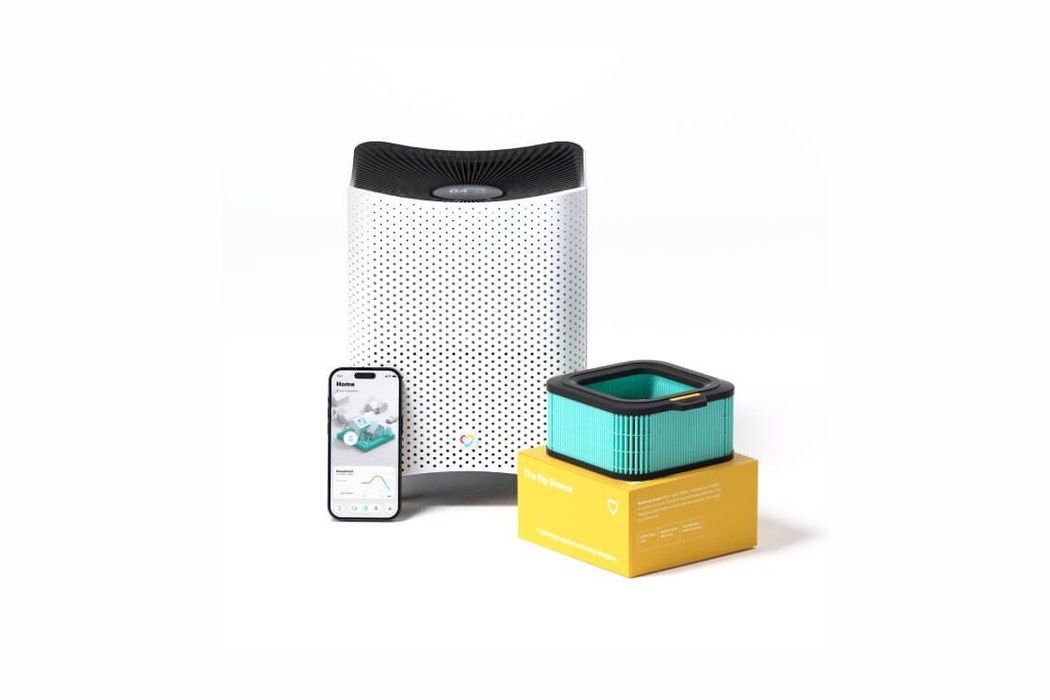
Three fathers wanted to know what their children were breathing. Mila turned that question into a smart purifier, then discovered that the real test of clean air begins after the box arrives.
The Headphones That Needed a Crowd
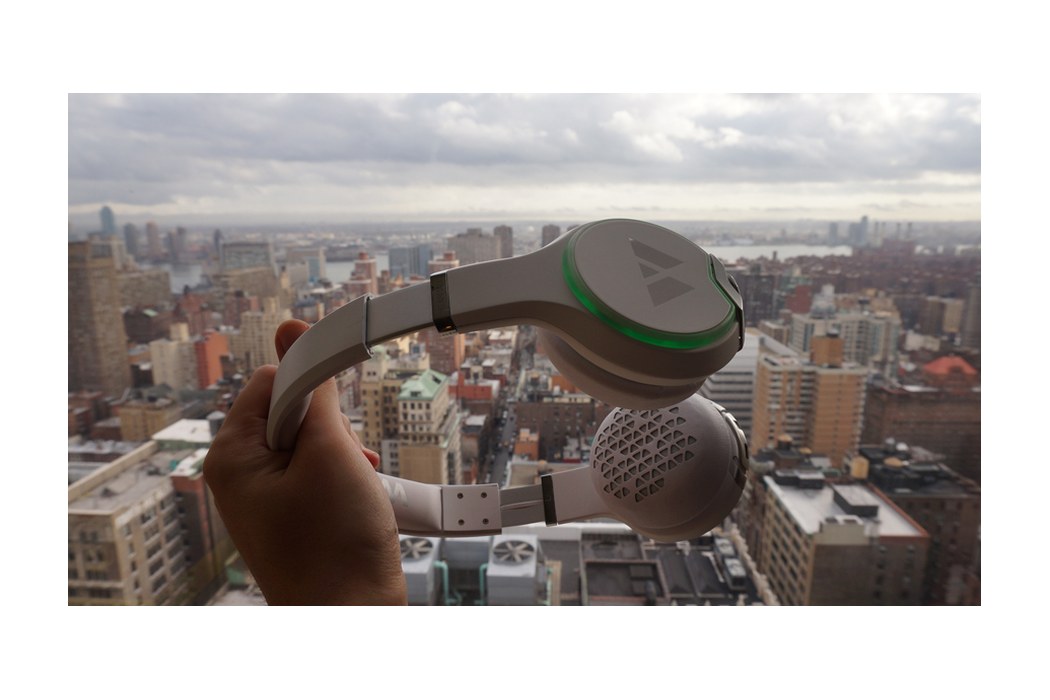
Wearhaus tried to turn the loneliest object in consumer electronics into a tiny social network. The engineering worked. The harder problem was making sure your friend owned the same pair.
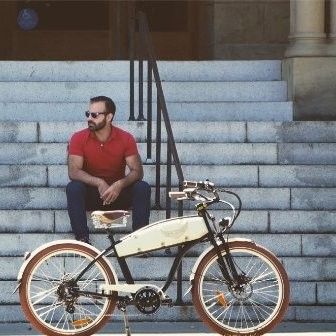
Arda Onal and the Fine Print of a Faster Ride
The Ariel Rider co-founder has spent more than a decade making electric bikes louder in character and quieter in friction - from the machine itself to the paperwork that follows it home.
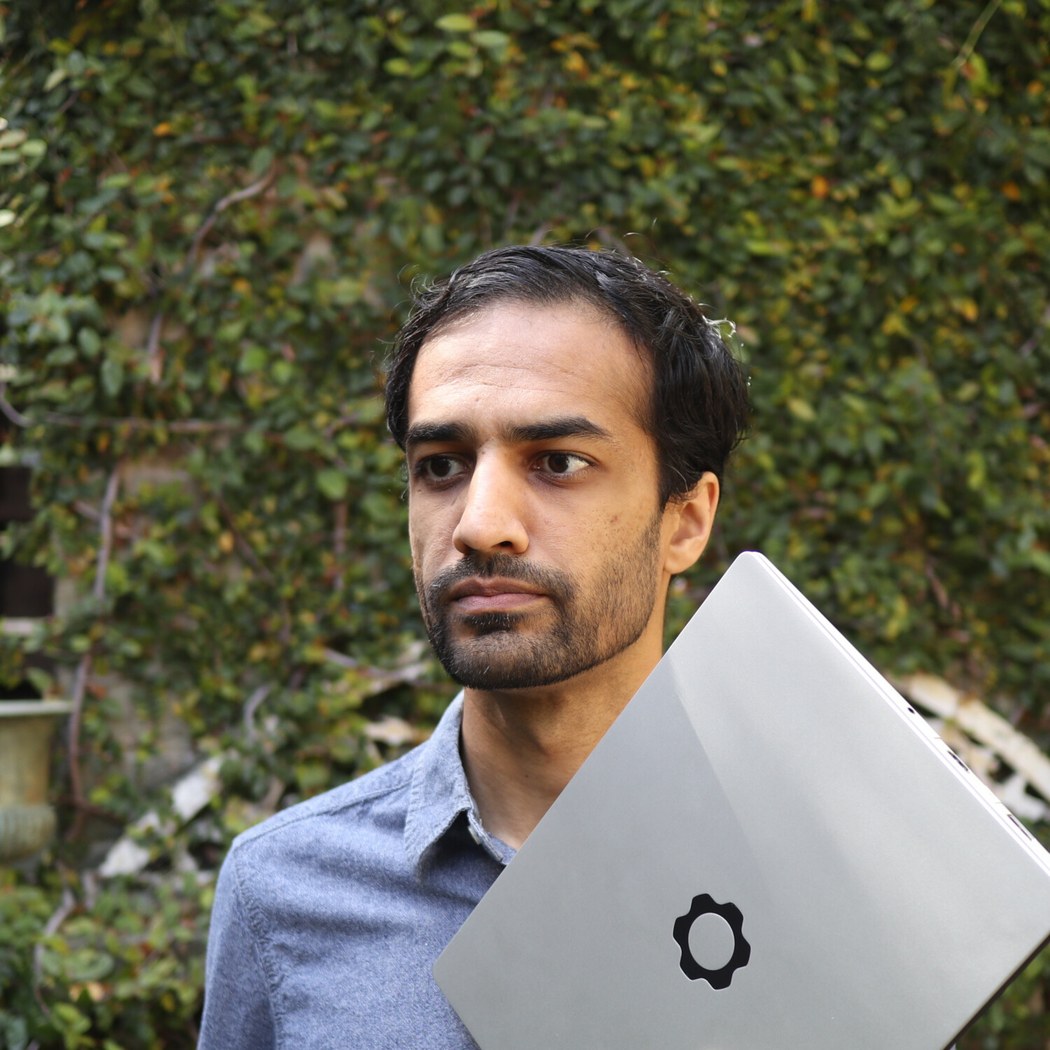
Nirav Patel Is Putting the Screwdriver Back Into Personal Computing
After Apple and Oculus taught him how tightly modern devices could be integrated, Nirav Patel founded Framework to prove a more generous idea: a computer can be elegant, competitive and still belong to the person who bought it.
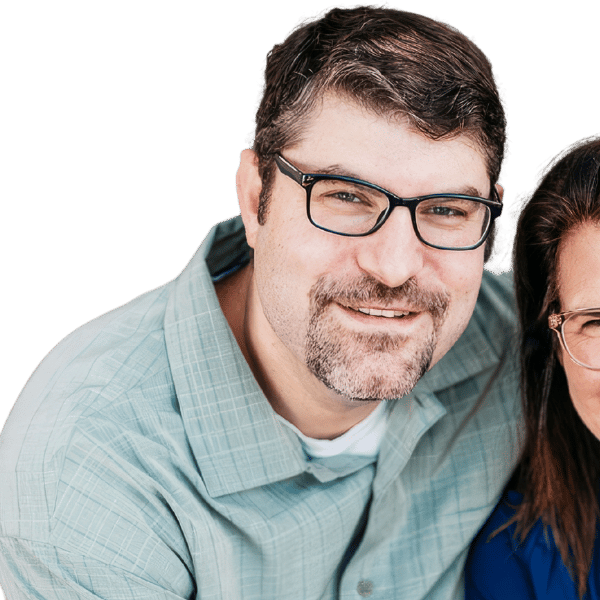
David Weiss Built a Career by Explaining the Complicated
Before he became Hatch's president and COO, David Weiss was an engineer, a teacher and a translator between technical teams and everyone else. His operating philosophy still begins with the same modest idea: make the difficult understandable, then pick up a shovel.
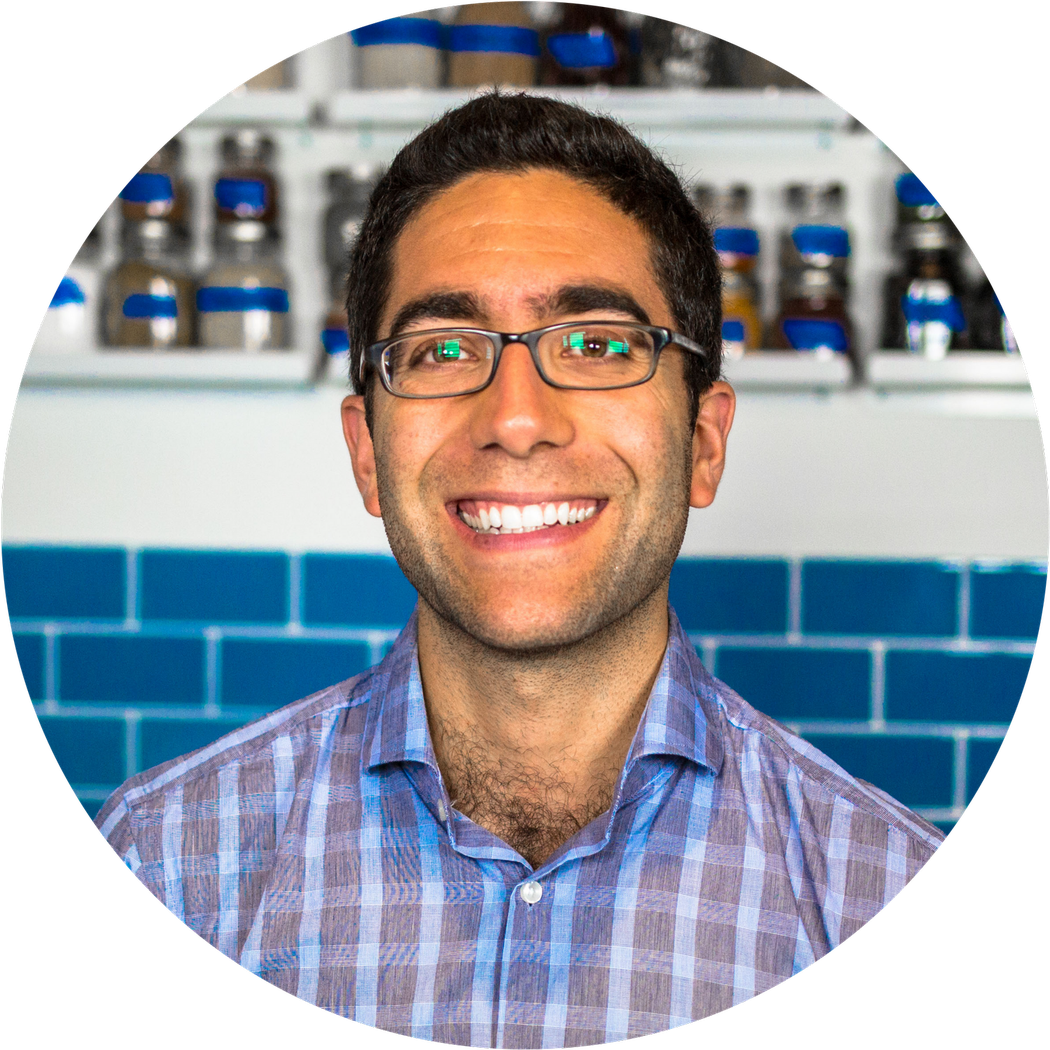
David Rabie Put Dinner on Autopilot. Then the Money Ran Out.
A failed funding round left Tovala with three weeks of cash. David Rabie answered by making a complicated company simpler, sharper and hard to dismiss.

Frank Wang Taught the Camera to Fly - Then Had to Learn to Lead
A crashed school project became a hovering machine, then a global hardware company. Twenty years on, DJI's founder is applying the logic of control systems to the messier machinery of people - including himself.

James Monsees and the Design That Escaped the Studio
A graduate thesis became three companies, a pocket-sized object became a cultural argument, and a designer learned how quickly a product can outgrow its maker's intentions.
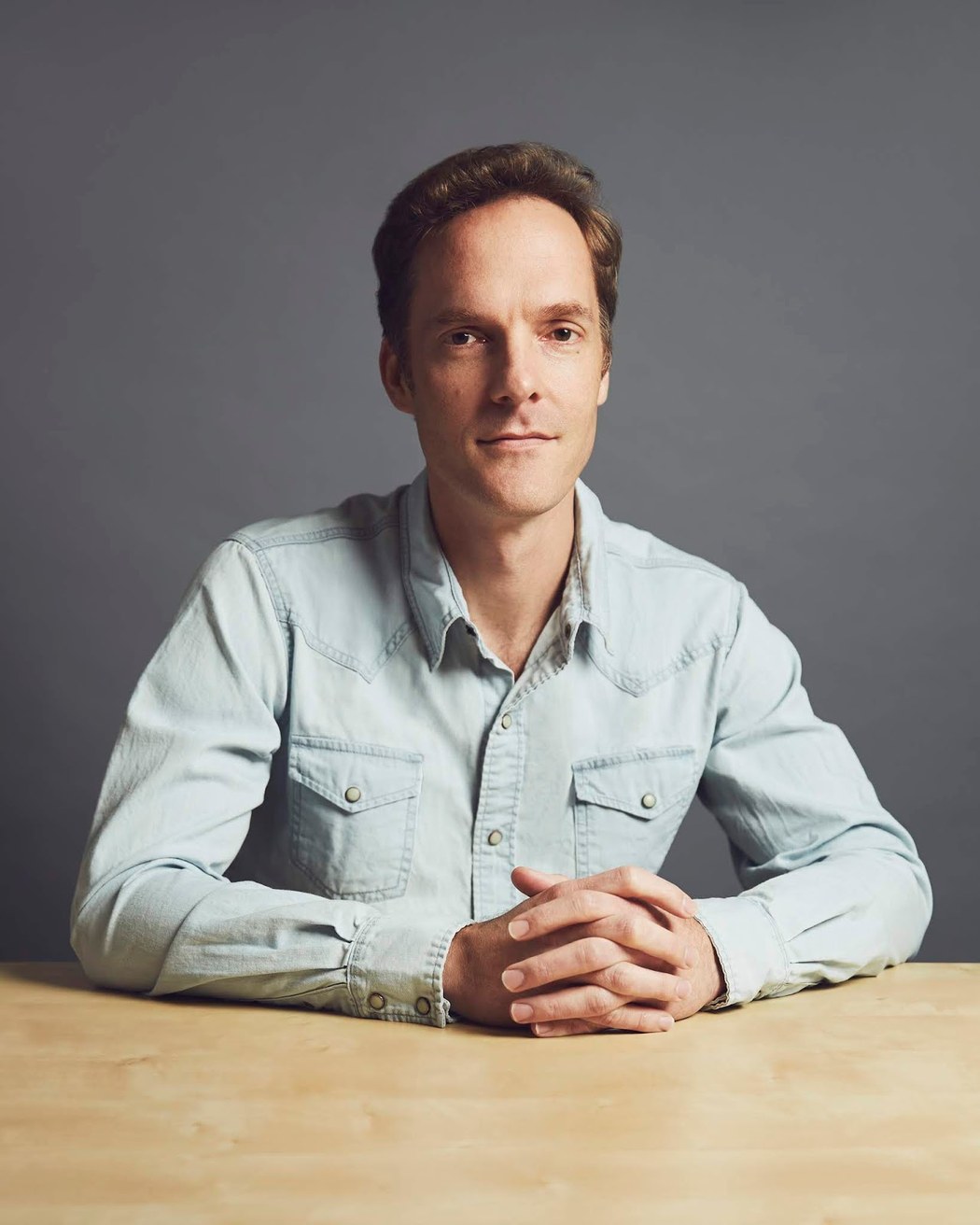
Adam Bowen and the Problem of a Perfectly Designed Idea
A foam prototype became a category-defining device, a $38 billion company and a case study in what happens when elegant design escapes the intentions of its designer.
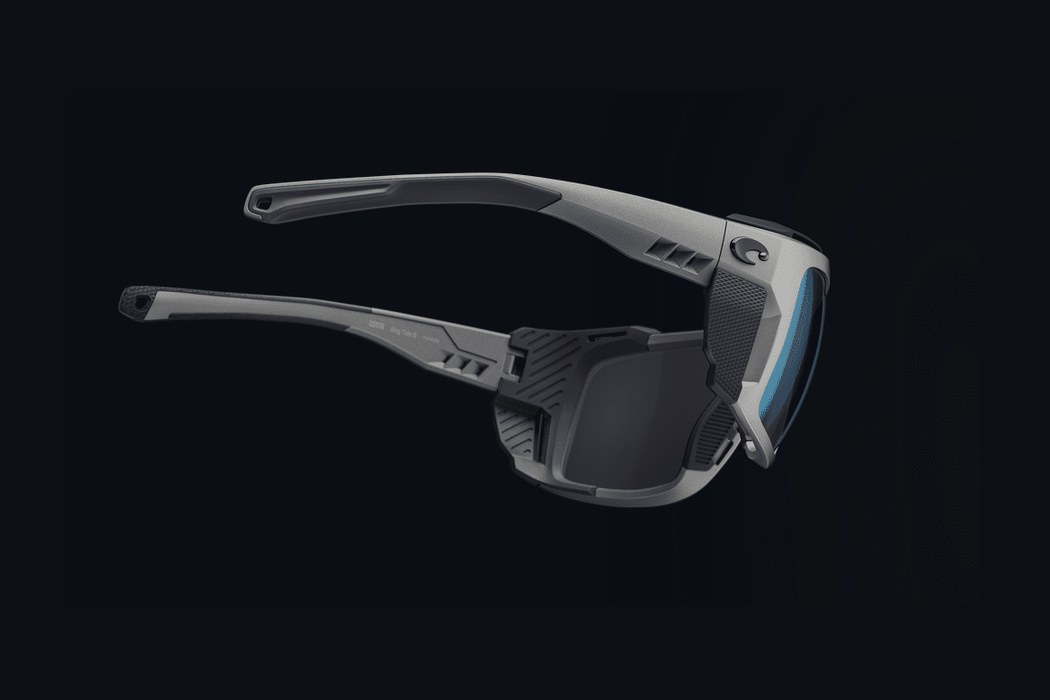
Lifestyledesign Has Put 500 Products on Shelves. Its Trick Is Starting Before the Sketch.
The Santa Barbara studio has spent two decades turning fuzzy business questions into sunglasses, speakers, smart glasses and hard cases. Its advantage is less about drawing a beautiful object than refusing to hand the idea off halfway through.
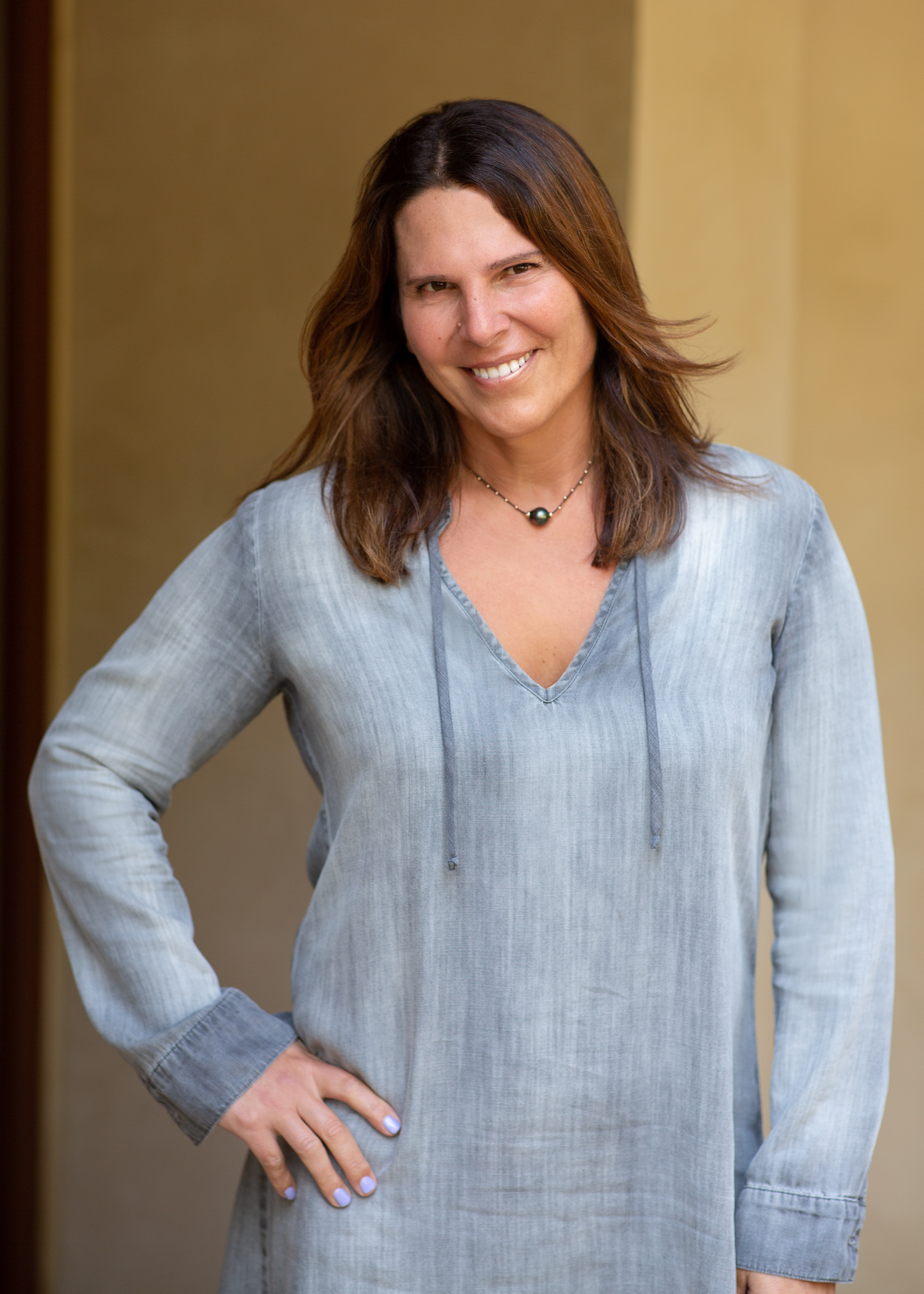
Jessica Schiller Put a Bicycle on Water - Then Kept Pedaling
A bridge that stopped halfway gave Jessica Schiller an unreasonable idea. A decade of engineering, rejection and open water turned it into a machine - and a way of seeing unfinished paths as invitations.
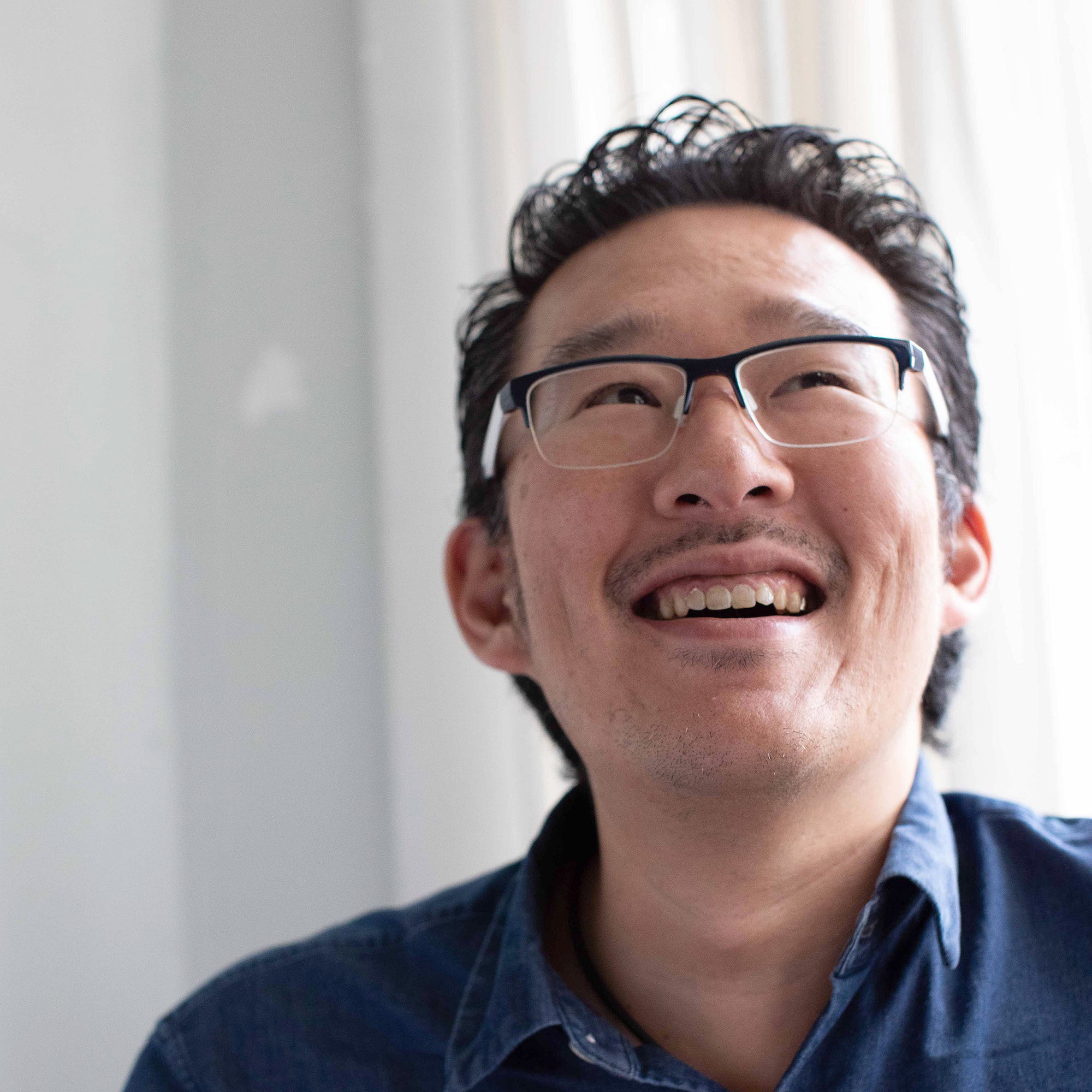
Eijiro Tsukada Put a Stone Mill on the Countertop
After 21 years inside a beverage giant, one crowded cafe and a painful exit, Eijiro Tsukada built the appliance he wished his customers already had.
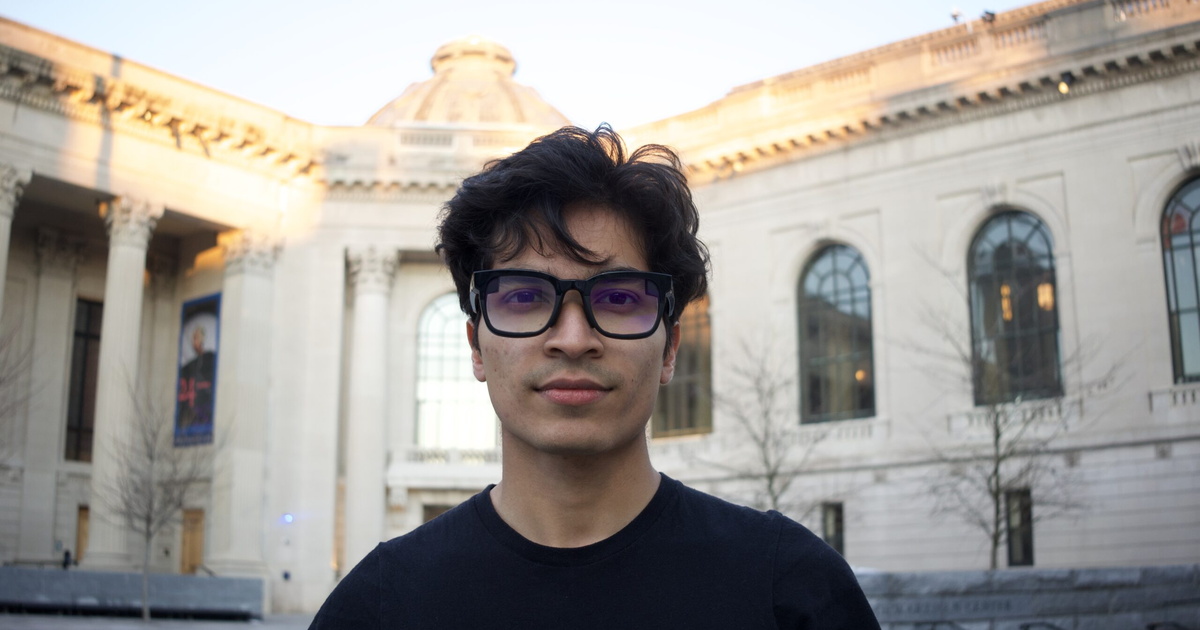
Madhav Lavakare Spent Eight Years Putting Conversation Back in View
A school friend’s unanswered problem sent a 16-year-old to the family projector with a screwdriver. Eight years, two gap years and a patient procession of prototypes later, AirCaps finally shipped.
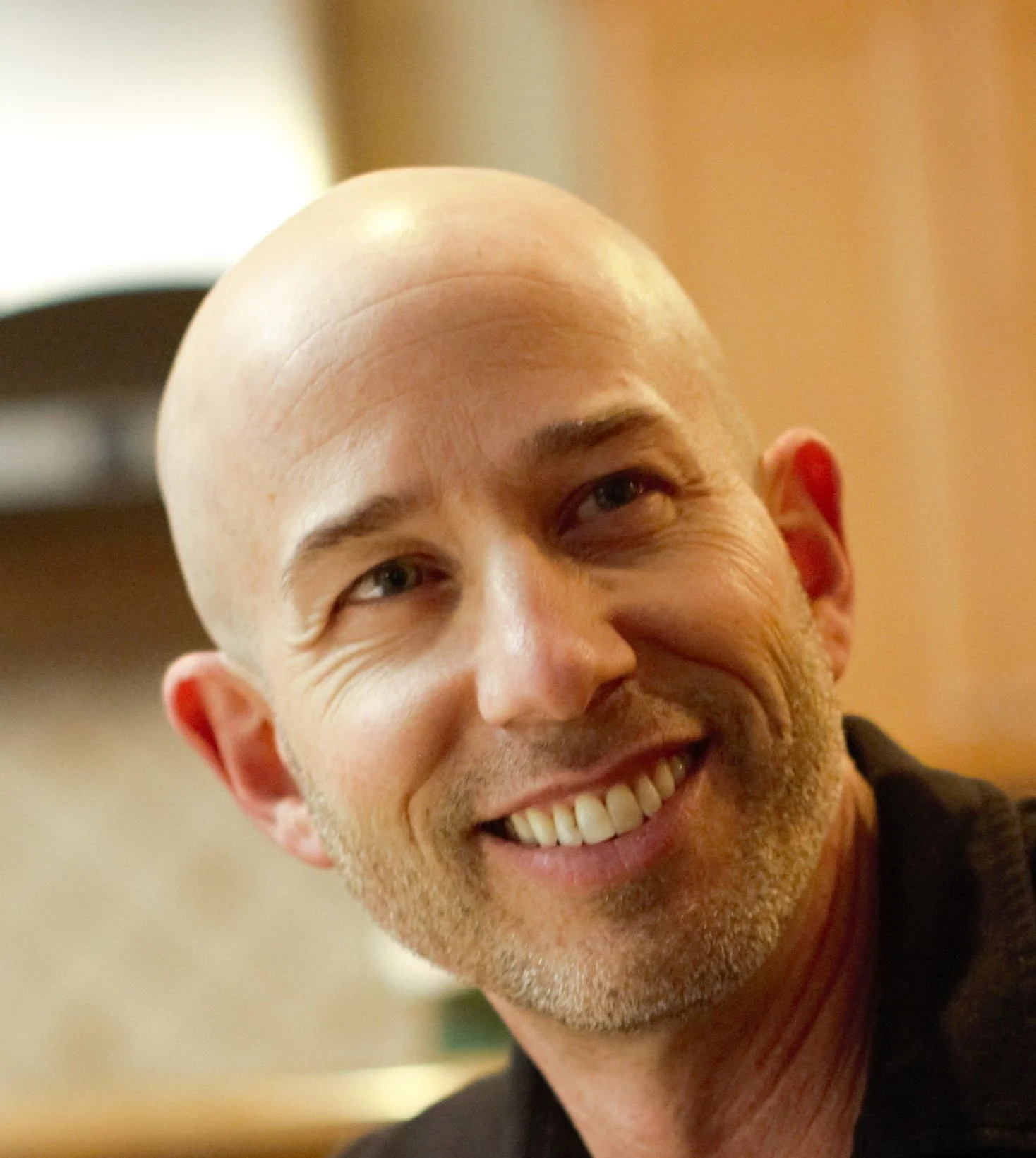
Adam Smithline Built a Smart Door. The Hard Part Was Learning When to Listen.
A ski-trip complaint became a smart pet door, then a long lesson in hardware, humility, and the expensive distance between a clean idea and a dependable product.
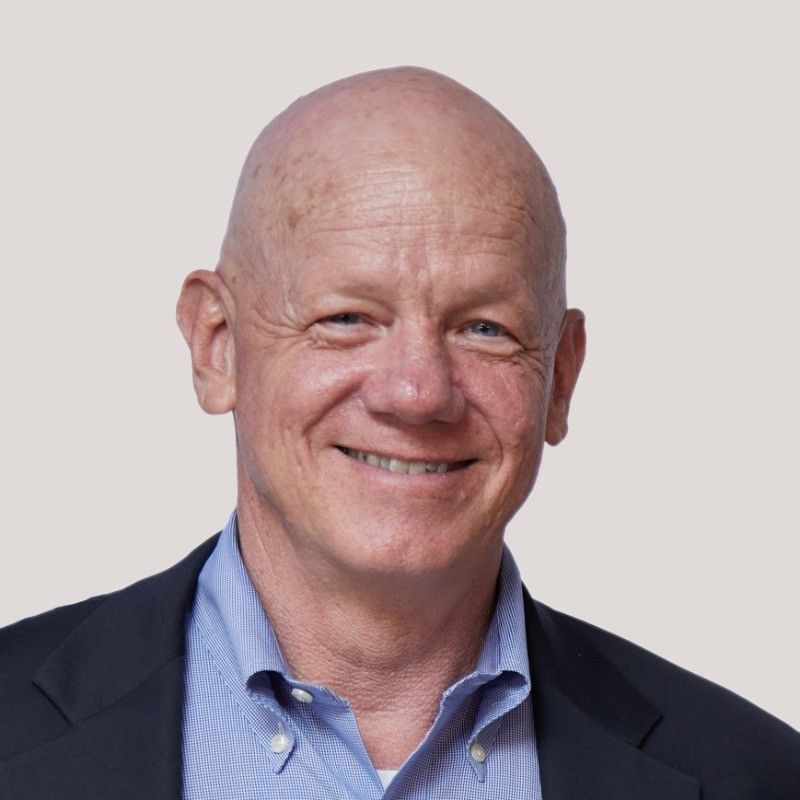
Hal Eason Spent a Career Starting Companies. Then He Waited 12 Years for a Bottle
The Harvard MBA and former Bain consultant built a career around acceleration. At Momtech, his useful trick has been knowing what not to rush.
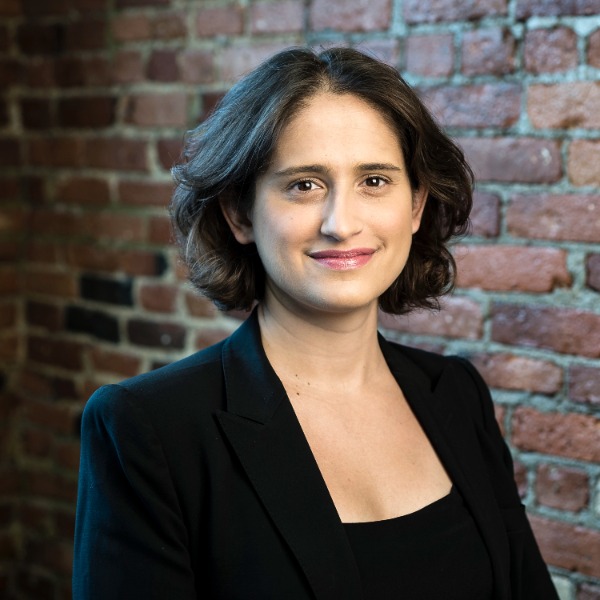
Robin Liss Spent Her First Act Judging Gadgets. Then She Built One.
She taught herself HTML in middle school, sold a product-testing network to USA Today, and came back for a harder assignment: putting dinner on autopilot without taking the pleasure out of eating.
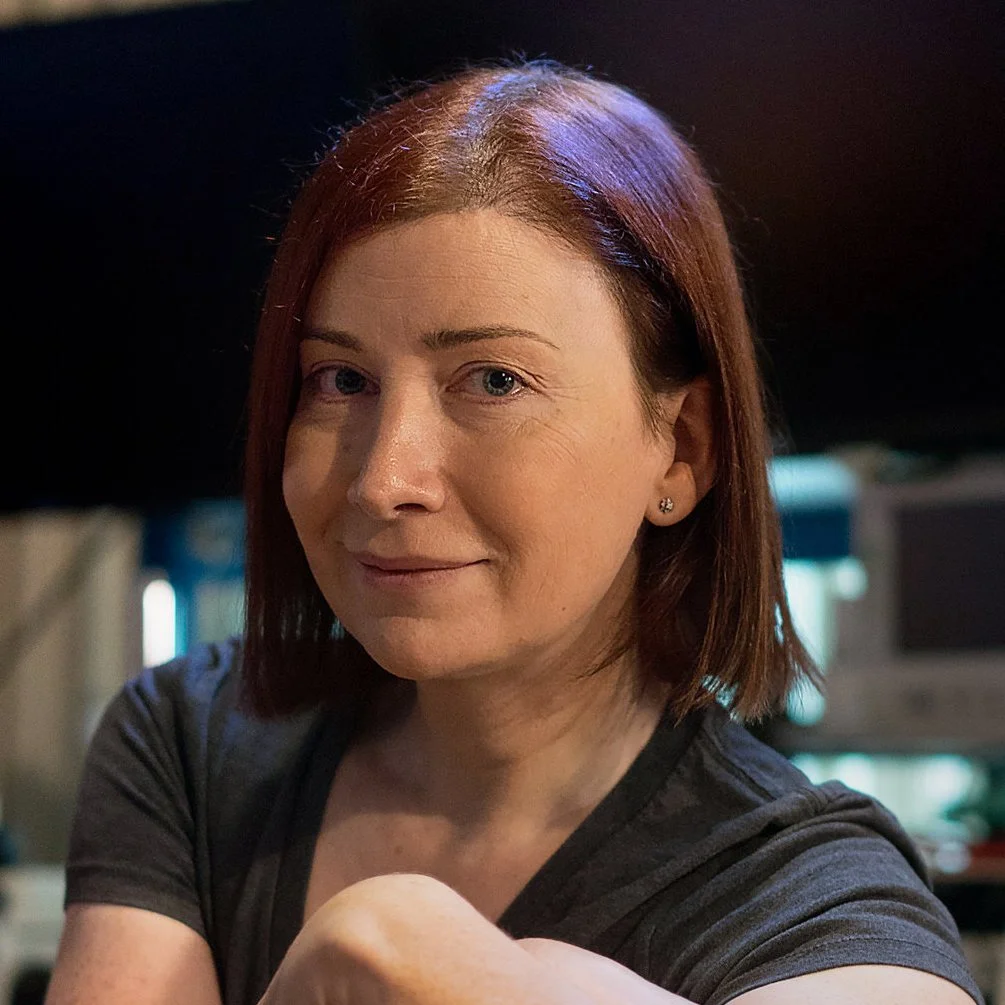
Jeri Ellsworth Keeps Bringing the Future Back to the Table
She built race cars, taught herself chip design, survived one startup’s collapse, and returned with a stranger, more sociable idea for augmented reality: keep the people, the pizza, and the table in view.

Thomas Bishop Wants the Humble Battery to Earn Its Keep
After building snowboards, headphones and connected hardware, the Paleblue founder chose a product people tend to notice only when it fails - and made reuse the convenient option.
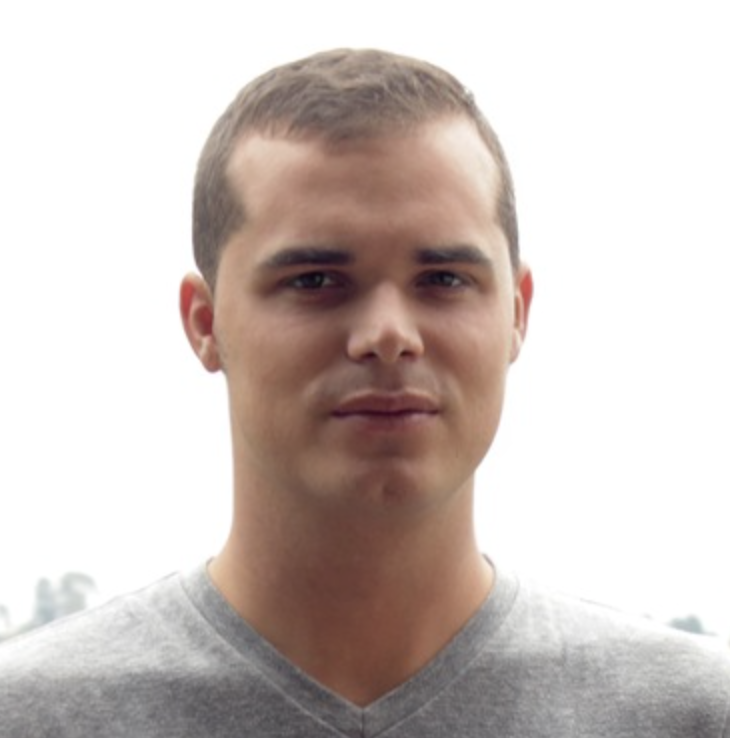
Noah Dentzel Put a Cable in a Wallet - Then Spent 14 Years Learning What Belongs in Your Pocket
Before the leather cases, charging stands and global retail shelves, there was a dying BlackBerry, a homemade prototype and cheap white wine on a boat. Noah Dentzel's real product is a habit: notice the annoyance, make the tool, then keep listening after it ships.
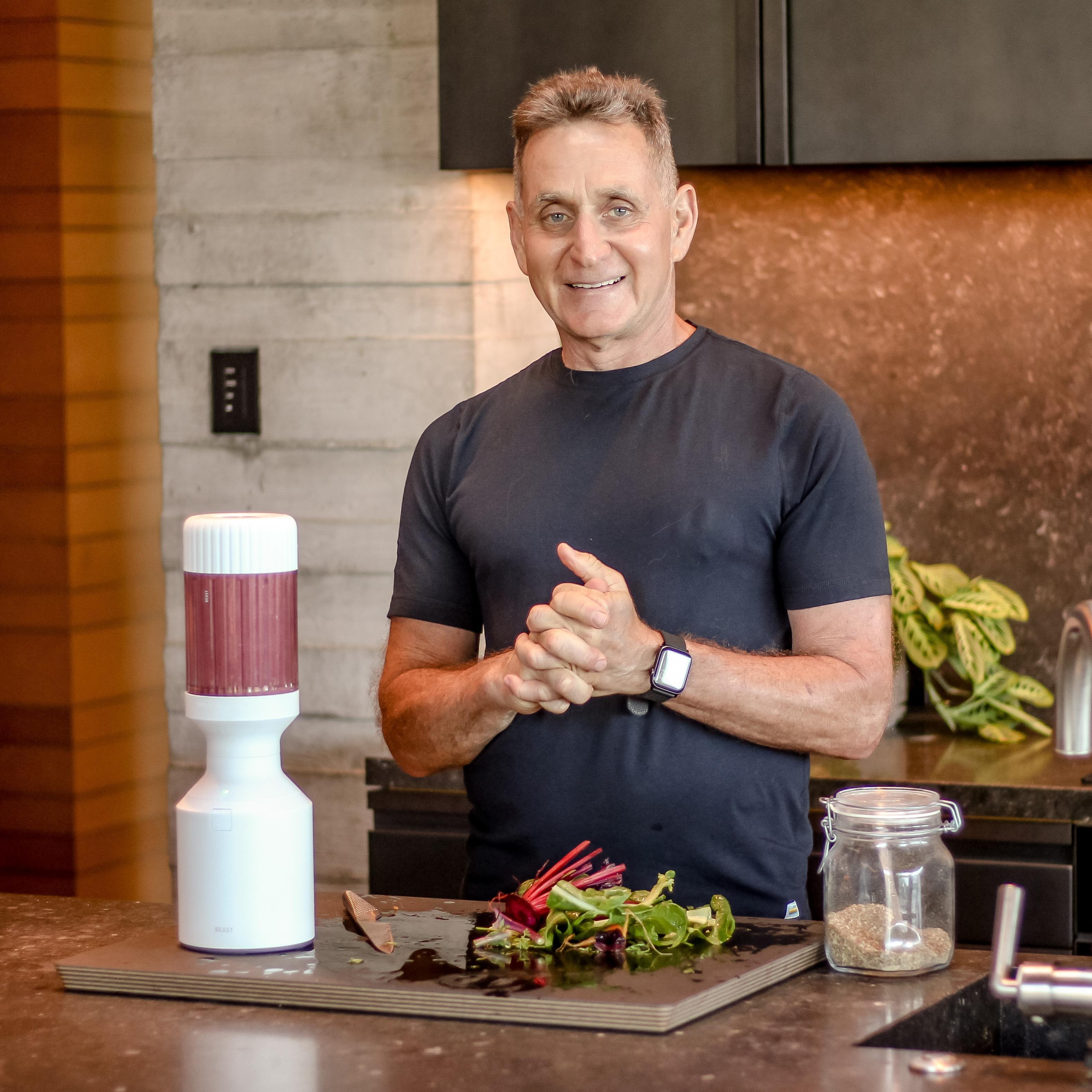
Colin Sapire’s Second Spin: Building a Blender People Refuse to Hide
After helping turn personal blending into a mass-market ritual, the accountant-turned-inventor returned with Beast Health - a lesson in why the second draft should be slower, sturdier and handsome enough to live in public.
BRP Built a $8.4 Billion Playground. Then It Had to Decide Which Rides Were Worth Keeping
The maker of Ski-Doo, Sea-Doo and Can-Am learned an expensive lesson about wandering beyond its core. Its reset shows how a heritage manufacturer can prune a portfolio without putting nostalgia in charge.
Eero Made Wi-Fi Boring - and Built a Hardware Playbook Worth Stealing
The San Francisco startup survived a year-long shipping stumble by making the router feel less like equipment and more like an appliance. A decade later, its real product is not the white box - it is fewer reasons to think about Wi-Fi.
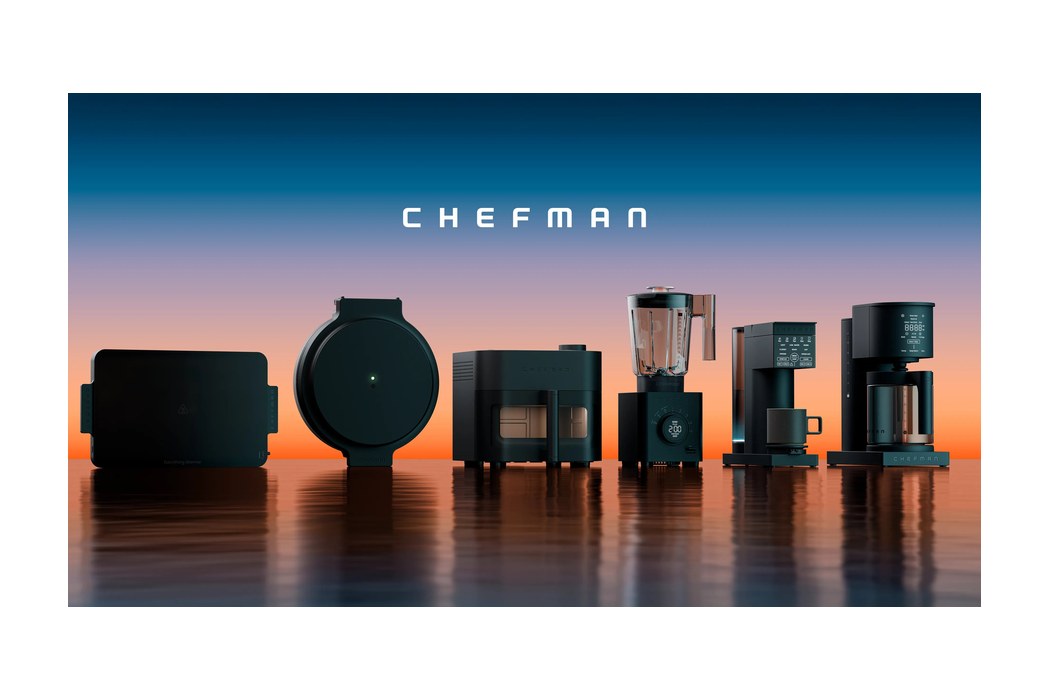
How an $18,000 Closeout Bet Built a $400 Million Kitchen Business - and Why Its Smartest Move Was a Factory Saying No
Chefman won shelf space with affordable appliances. Then it used the cash to build CHEF iQ - a connected kitchen system whose most important ingredient may be the factory that refused to make it.
Kenwood’s £20 Mixer Became a 76-Year Kitchen Platform - Here’s the Product Trick Founders Can Steal
Kenwood did not win the postwar kitchen by selling a faster whisk. It sold one dependable motor, then kept inventing new jobs for it - a playbook that now stretches from a £49.99 processor to a £1,249 connected cooker.

Ohsnap Broke Its First Hit - Then Built the Hardware Playbook Founders Should Copy
A $466,820 Kickstarter win nearly became a global returns nightmare. Ohsnap paid for the lesson, rebuilt the grip and turned obsessive iteration into a phone-accessory business - and a second act in mobile gaming.
The Wearable Pump That Freed Moms From the Wall Outlet
How a Shenzhen startup built the world's best-selling wearable breast pump, then turned one gadget into a whole aisle of motherhood.
Dyson’s $9 Billion Bet on Making Boring Chores Feel Like Engineering
A cardboard cyclone became a bagless-vacuum empire. Then came fans, hair dryers, headphones and a £500 million car that never shipped - a useful map of where obsessive product engineering wins, and where it runs out of road.