consumer-hardware
(42)
Willo wants to take the skill out of brushing teeth
A dentist’s frustration became a machine for children who struggle with brushing. Willo’s wager is that a better daily habit can begin with asking a child to do less.

1X and the $20,000 Laundry Problem
1X is bringing humanoid robots into the home, where a crumpled shirt can be harder than a factory shift. Its bet is that a useful robot learns best in the place where people actually need it.
Boosted Made the Last Mile Feel Like the Best Part of the Trip
A skateboard gave commuters a new way to enjoy the distance between train and door. Then the company behind it discovered how expensive it is to turn a delightful ride into a durable vehicle business.
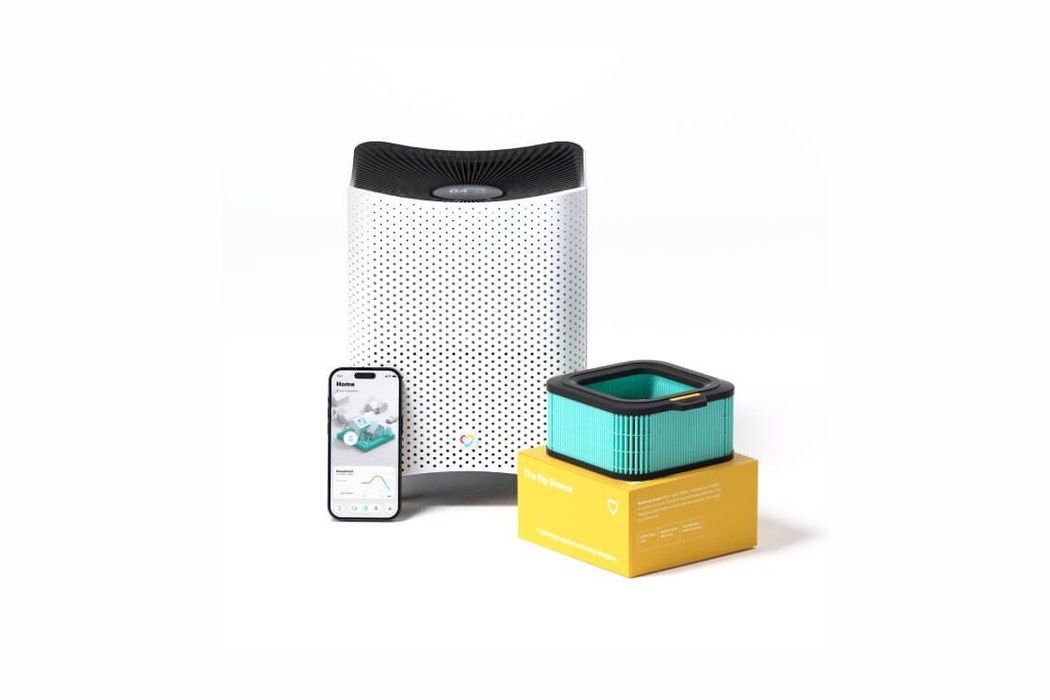
The Air Purifier That Had to Prove Itself
Three fathers wanted to know what their children were breathing. Mila turned that question into a smart purifier, then discovered that the real test of clean air begins after the box arrives.
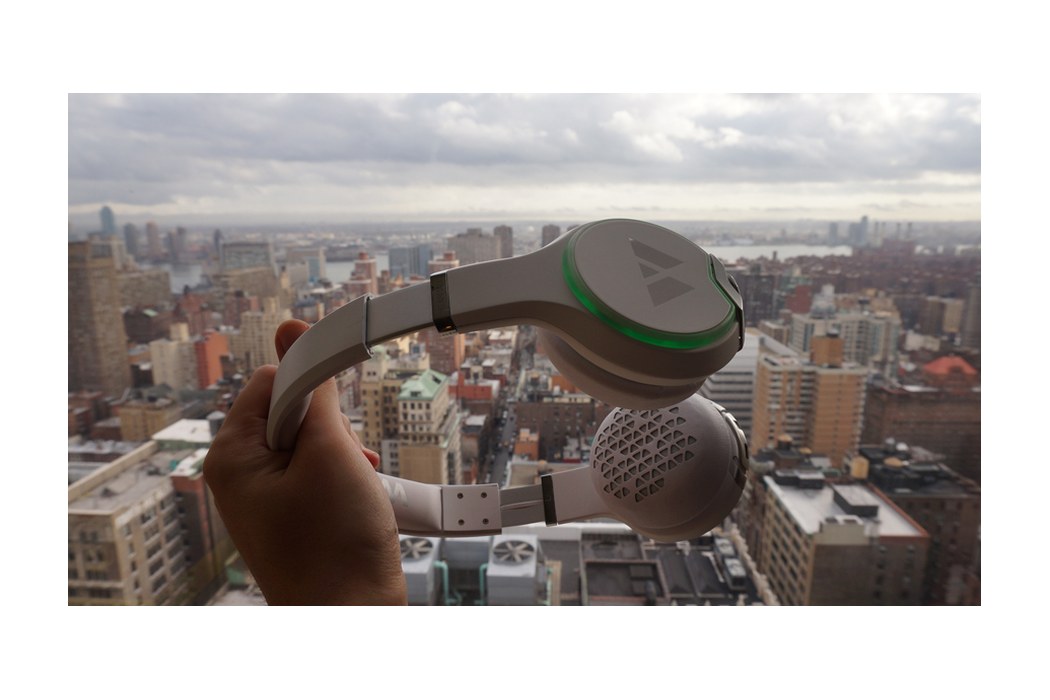
The Headphones That Needed a Crowd
Wearhaus tried to turn the loneliest object in consumer electronics into a tiny social network. The engineering worked. The harder problem was making sure your friend owned the same pair.
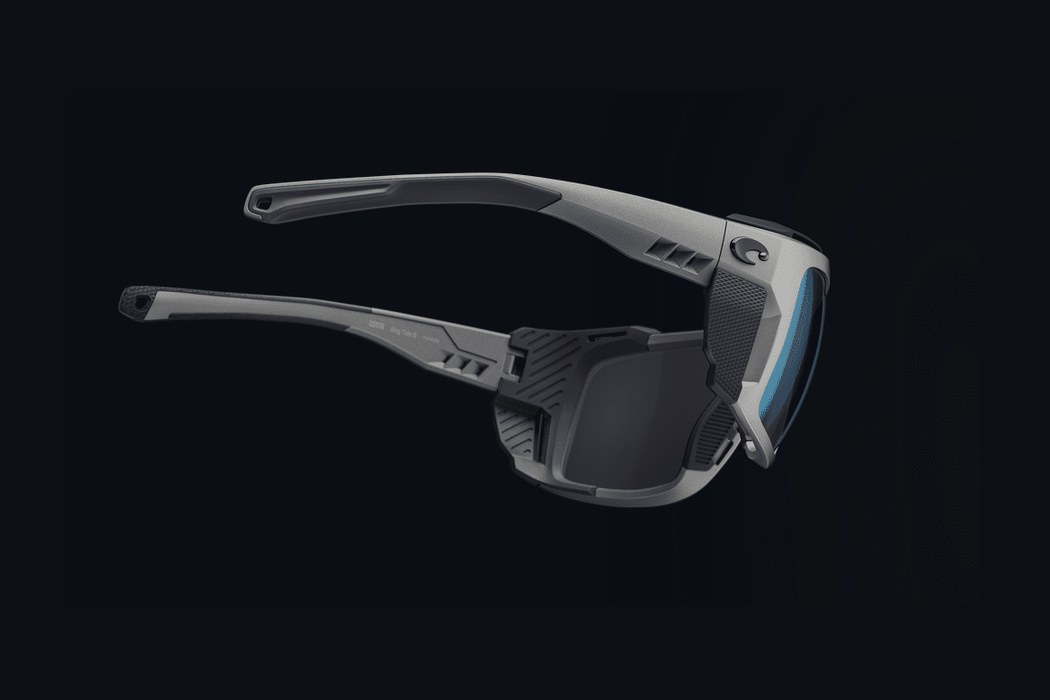
Lifestyledesign Has Put 500 Products on Shelves. Its Trick Is Starting Before the Sketch.
The Santa Barbara studio has spent two decades turning fuzzy business questions into sunglasses, speakers, smart glasses and hard cases. Its advantage is less about drawing a beautiful object than refusing to hand the idea off halfway through.
BRP Built a $8.4 Billion Playground. Then It Had to Decide Which Rides Were Worth Keeping
The maker of Ski-Doo, Sea-Doo and Can-Am learned an expensive lesson about wandering beyond its core. Its reset shows how a heritage manufacturer can prune a portfolio without putting nostalgia in charge.

Eero Made Wi-Fi Boring - and Built a Hardware Playbook Worth Stealing
The San Francisco startup survived a year-long shipping stumble by making the router feel less like equipment and more like an appliance. A decade later, its real product is not the white box - it is fewer reasons to think about Wi-Fi.
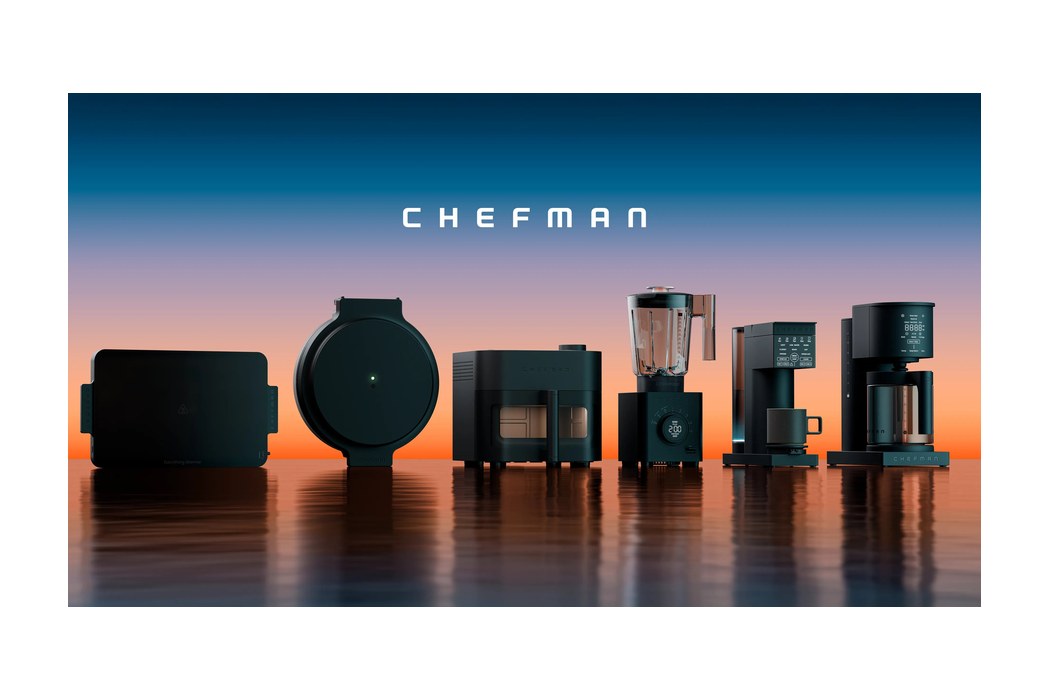
How an $18,000 Closeout Bet Built a $400 Million Kitchen Business - and Why Its Smartest Move Was a Factory Saying No
Chefman won shelf space with affordable appliances. Then it used the cash to build CHEF iQ - a connected kitchen system whose most important ingredient may be the factory that refused to make it.

Kenwood’s £20 Mixer Became a 76-Year Kitchen Platform - Here’s the Product Trick Founders Can Steal
Kenwood did not win the postwar kitchen by selling a faster whisk. It sold one dependable motor, then kept inventing new jobs for it - a playbook that now stretches from a £49.99 processor to a £1,249 connected cooker.

Ohsnap Broke Its First Hit - Then Built the Hardware Playbook Founders Should Copy
A $466,820 Kickstarter win nearly became a global returns nightmare. Ohsnap paid for the lesson, rebuilt the grip and turned obsessive iteration into a phone-accessory business - and a second act in mobile gaming.
The Wearable Pump That Freed Moms From the Wall Outlet
How a Shenzhen startup built the world's best-selling wearable breast pump, then turned one gadget into a whole aisle of motherhood.
Dyson’s $9 Billion Bet on Making Boring Chores Feel Like Engineering
A cardboard cyclone became a bagless-vacuum empire. Then came fans, hair dryers, headphones and a £500 million car that never shipped - a useful map of where obsessive product engineering wins, and where it runs out of road.
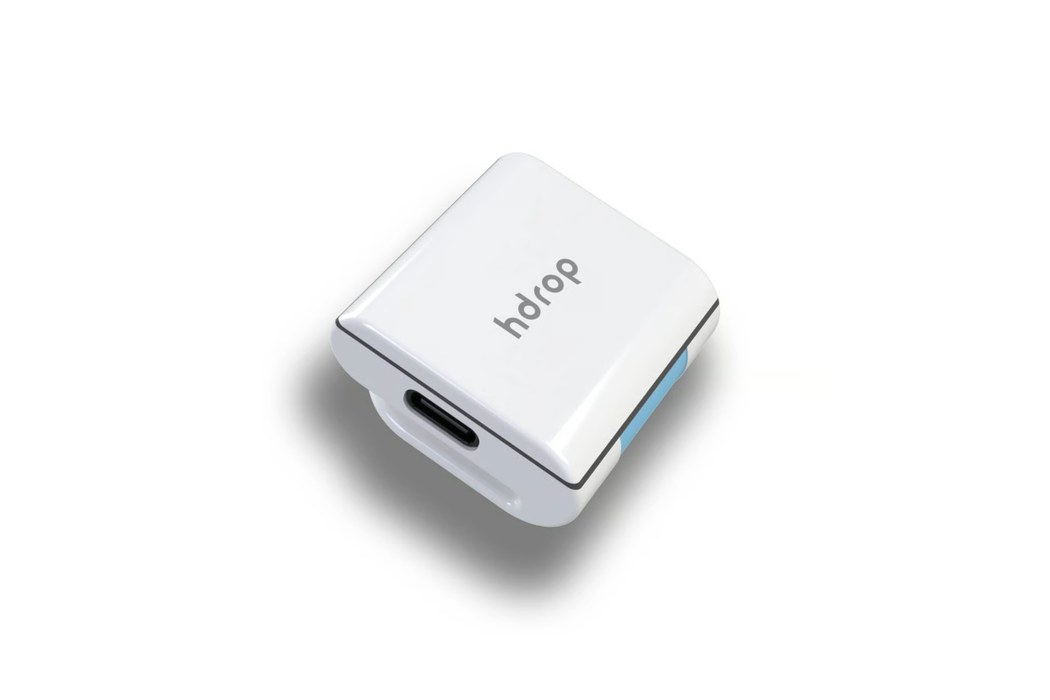
hDrop Put a Sweat Lab on Your Arm - Then Its Hardest Customers Broke the Math
The Little Rock startup sells a $249.99 reusable sweat sensor for athletes who are tired of generic hydration advice. Its most revealing lesson is also its least glamorous: the hardware matters, but calibration, repetition and a stubborn respect for messy bodies matter more.

A Baby Monitor Failed Overnight. Harbor Turned That Panic Into a $499 Bet on Boring Reliability
Kevin Lavelle's phone app crashed while his infant slept upstairs. Seven years later, Harbor is selling parents an unusually concrete promise: a dedicated screen, local video, and fewer ways for the nursery to go silent.

Aera Turned Hotel-Lobby Scenting Into a $235 Home Habit
The Milwaukee-made diffuser borrows technology built for hotels and stores, then asks households to treat scent like a thermostat. The hardware is clever; the real bet is that people will keep buying the capsules.

BESTMOW Put a Robot on the Lawn - Then the Software Became the Real Product
The Philadelphia robotics company wants to turn mowing into background software. Its wire-free T-100 makes the case - while a messy shift away from subscriptions shows how hard connected hardware becomes after the sale.

MAAK Built Gear for the Front Line. Then 568 Backers Took It Outdoors.
A Santa Barbara hardware team took its frontline power system to Kickstarter, raised 20 times its goal, and learned that the real product was not a battery. It was everything the battery could connect to.
Ring Put a Camera on the Doorbell - Then Built a Business Inside the Ding
A garage-built doorbell became a reported $1 billion Amazon acquisition by turning the front porch into software. The playbook is worth stealing; the privacy bill is not optional.

Panther Vision Put a Flashlight in a Hat - Then Taught the Beam to Think
A flashlight-in-the-mouth mishap became a patented headwear business. Two decades later, Panther Vision is still finding oddly specific ways to free up a pair of hands.

The Stanford Dorm Algorithm That Turned a Spin Bike Into a Rhythm Game
freebeat took the music algorithm two Stanford students built in a dorm, wired it into a $599 bike, and bet that people will exercise longer if the workout scores them like a video game. So far the bet is holding.

The AI Listening to Your Whole Day Is Hiding in a Necklace
Three ex-Meta builders and a celebrity jewelry designer raised $8 million to make a 10-gram pendant that journals your life, tracks your moods, and texts you back. The catch: it only works if you almost never take it off.

The Austin company that put a lifetime warranty on the air you breathe
Alen sells air purifiers that look like furniture and carry a lifetime warranty - as long as you keep buying filters. Twenty years in, that trade has built a two-million-customer business out of Austin.

The Kid Who Wired His Bed, Then Wired Everyone's Bike
A dad rigged LEDs to his son's twin bed. The son bolted them to his bike instead. Two decades later, Brightz sells the glow that turns a parking-lot bike ride into an after-dark parade.
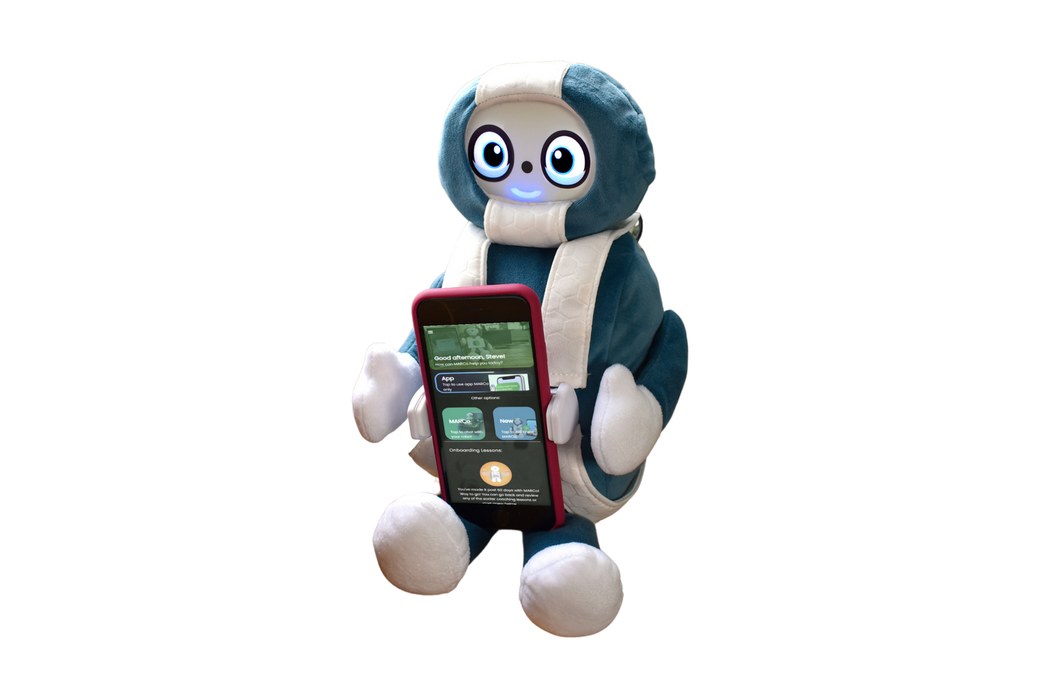
He Built Weapons for the Navy. Then He Built a Teddy Bear That Listens.
Jacob Boyle graduated with $90 and a foam robot named MARCo. Seven years later it has talked with more than 15,000 people across 13 countries - and in a handful of cases, it called for help before things got worse.

Nomad Made Tech Accessories Better by Letting Them Get Old
A credit-card cable launched a global accessories brand. Fourteen years later, Nomad still wins by making the disposable layer around our devices feel worth keeping.
Thermacell Turned a 20-Foot Circle Into a Consumer Product
The Bedford company does not sell bug spray. It sells a temporary piece of outdoor real estate - and its newest system stretches that idea across an entire backyard.
The Watch Company That Became Fashion's Back-Room Engine
Fossil spent years trying to put a computer on the wrist. Its more revealing talent was there all along: turning somebody else's fashion language into a watch, then placing it almost everywhere.
Sleep Number Put Software in the Mattress. Then the Business Lost Its Balance.
Sleep Number spent four decades turning a squishy air chamber into a connected health platform. Its technology found millions of sleepers; its expensive retail machine found a harder morning.
The Outdoor Portfolio Hiding Inside Your Fishing Boat
Johnson Outdoors owns a collection of century-old names and sensor-rich new gear. Its advantage is clearest on the water, where motors, sonar, maps and kayaks are becoming one connected system.