He spent almost twenty years building software for retail checkout lines. Then his father-in-law needed open-heart surgery, and he started building a hospital with no beds.
Uri Bettesh runs Datos Health, a company whose central product is a piece of software that lets a cardiologist, an oncology nurse manager, or a health-system administrator sit down and design a remote care program the way you'd assemble a slide deck. No engineer required. The company calls it a Design Studio, and the pitch underneath it is almost aggressively unglamorous: most remote patient monitoring tools, Bettesh's team argues, were "purpose-built for precisely one or two things," hard-coded and inflexible, and the fix is to stop shipping one disease per product and start shipping the blank canvas instead.
That is a strange thing to get excited about, and it is worth sitting with why it matters. Healthcare software has a long, expensive tradition of being commissioned, scoped, and built for a single use case - monitor these diabetics, track these heart-failure patients - and then being useless the moment the hospital next door wants to do something slightly different. Bettesh's bet is that the people who understand care should be the ones configuring it, in the afternoon, without filing a ticket. Datos describes the platform as device-agnostic, meaning it plugs into whatever wearable or connected medical device a patient already happens to own, and as automation-first, meaning the boring parts - reminders, escalations, symptom check-ins - run themselves.
The company frames all of this under a two-word mission that sounds like a poster and turns out to be a spec: democratize health care. By that Bettesh means something concrete. Not every hospital can afford to commission a bespoke monitoring build. So you hand them the studio and let them build it themselves, across cardiac care, oncology, chronic disease, post-discharge follow-up, and the growing category the industry calls hospital-at-home. Datos today says its platform supports more than 500 care pathways and operates across the United States, Israel, and Australia, with a New York presence to match the American customer base.
Bettesh's own description of the ambition is blunter than the marketing. The point, he has said, is "to move care from the hospitals to the home and become the foundation for future bedless hospitals." The bedless hospital is his phrase, and he was using it before a global pandemic made the idea sound obvious rather than eccentric.
What makes the whole enterprise a little unexpected is the resume behind it. Bettesh is not a doctor. He is an industrial engineer by training, an operations-research person by temperament, someone who spent the first two decades of his career optimizing how large retailers move groceries and merchandise. The leap from checkout lines to cardiac rehab is not as wide as it looks, but you have to squint at it the right way to see why.
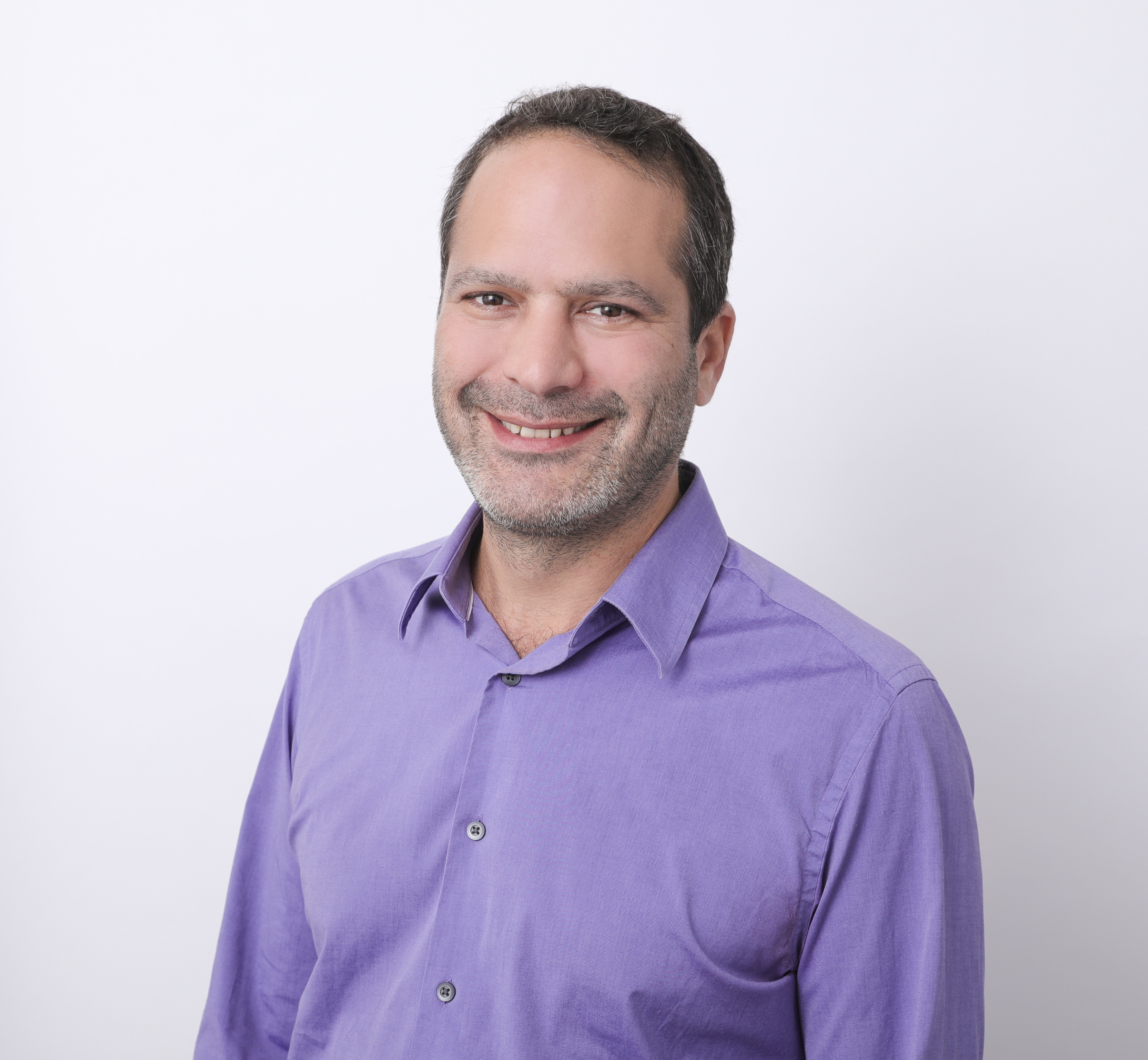
"This investment round validates our mission to move care from the hospitals to the home and become the foundation for future bedless hospitals." — Uri Bettesh, on Datos Health's Series A, April 2020
The origin story of Datos Health is not a market-size chart. It is a family emergency. Bettesh's father-in-law, a diagnosed cardiac patient, suddenly needed urgent open-heart surgery. Watching a chronically ill relative move through the machinery of modern care - the gaps between appointments, the data nobody was collecting between visits, the sense that a patient at home is essentially invisible to the system meant to be treating him - convinced Bettesh there was a company to build around the trajectory of a sick person rather than the isolated snapshots a hospital captures when they happen to walk in.
The technical name for the thing he wanted to capture is patient-generated health data, the readings and symptoms and vitals that accumulate in the long stretches when a patient is not in front of a clinician. Datos was built to manage exactly that stream and to monitor how a chronically ill individual is trending over time. It is a company that exists because of a specific person's specific surgery, which is a more honest reason to start a business than most.
Bettesh left NCR in 2014 and founded Datos Health in 2015. For a founder whose previous job title involved the phrase "food, drug, and mass merchandising," it was a hard pivot. But the underlying skill - taking an enterprise software platform from concept to a market that actually pays for it - transferred cleanly. He had done it once already, for retailers. He decided to do it again, for hospitals.
Before healthcare, Bettesh's whole career was moving merchandise efficiently - he read remote care as an operations problem, and it shows in the product.
His path to health tech ran through NCR, one of the world's largest point-of-sale companies, where he was GM of food, drug, and mass merchandising.
The north star of moving care out of the ward and into the home was his internal phrase years before the pandemic made it mainstream.
Datos's Design Studio lets care teams build their own pathways without writing software - a deliberate rejection of the one-disease-per-product model.
The platform plugs into whatever wearable or medical device a patient already owns, rather than forcing a specific gadget on the program.
When wards filled in early 2020, his team worked around the clock to shift lower-risk patients home for providers like Rochester Regional Health and Sheba Medical Center.
"With Datos Health, we're not just providing remote care solutions; we're empowering healthcare teams to enhance patient outcomes while streamlining their workflows."
"Datos has spent the last several years focused on building a solution for personalized and automated remote care across a diverse range of disease conditions."
"Our team works around the clock to offer healthcare provider partners the tools to quickly manage the transition of lower-risk patients to home care environments."
"Remote care and telemedicine solutions are helping health systems to reduce costs and improve recovery through increased engagement between patients and their care teams."
Uri Bettesh is the founder and CEO of Datos Health, a remote care automation company he started in 2015 after a career in retail enterprise software. He spent almost two decades building point-of-sale and merchandising systems at Retalix and NCR before turning to healthcare, inspired by his father-in-law's sudden open-heart surgery. Datos builds a no-code platform that lets hospitals design and automate their own remote care programs across conditions like cardiac care, oncology and chronic disease, and it raised a $7M Series A in 2020 bringing total funding to $9.2M. Bettesh frames the work as building the foundation for the 'bedless hospital' - moving care out of the ward and into the home.
Last updated: