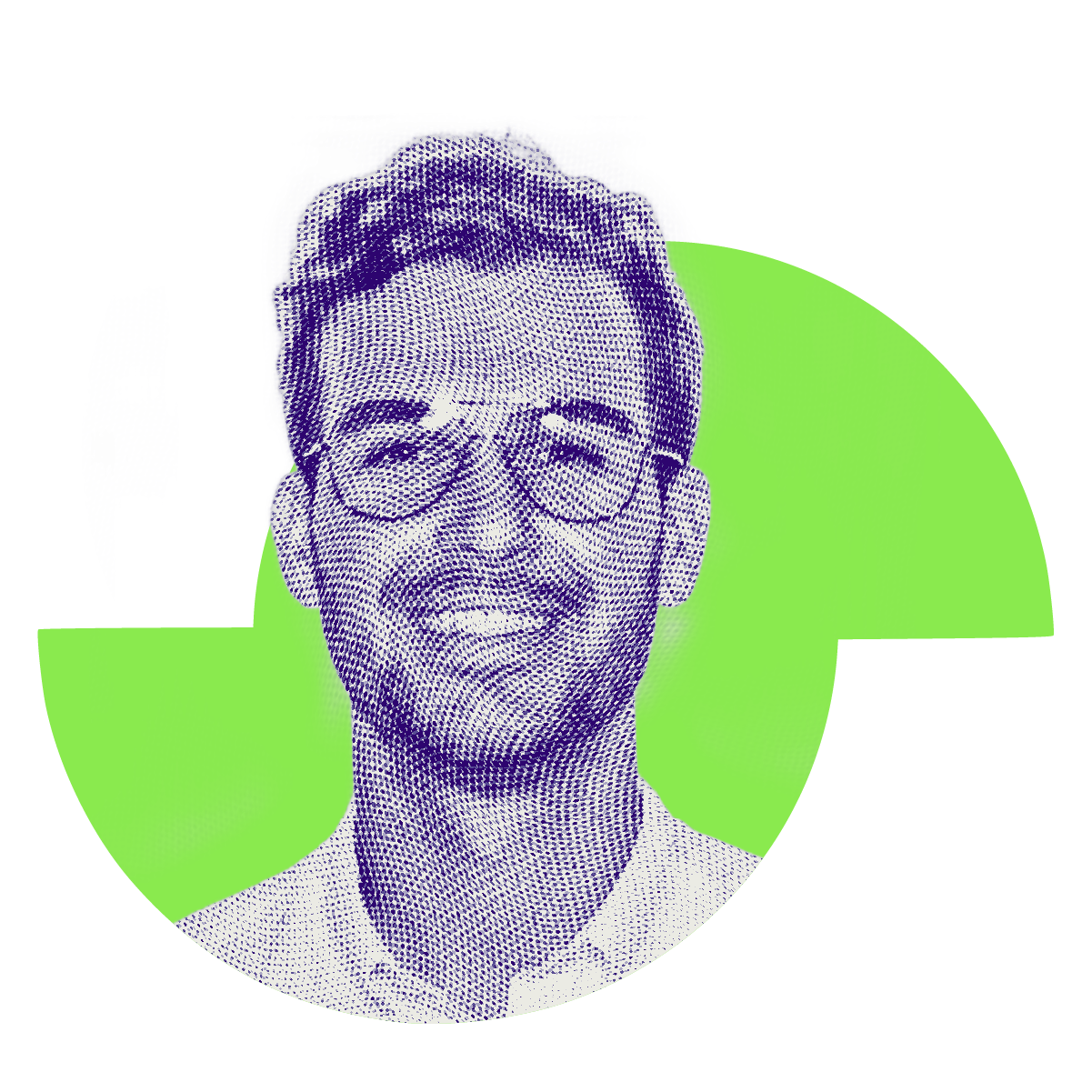
The Man Who Made Fintech Read Its Own Newspaper
In 2019, Nik Milanović sent an email. Not a pitch. Not a press release. Just a curated roundup of fintech news for the small team at Petal, the credit card startup where he was VP of Strategy. Colleagues forwarded it. Then their colleagues forwarded it. By the time the fintech world caught its breath, 10,000 people were reading This Week in Fintech - and nobody had paid for a single subscriber.
That is the Nik Milanović origin story. A Stanford philosophy graduate who thought deeply about financial inclusion, decided the industry needed better information flow, and built the infrastructure for it without asking permission. What followed was seven years of compounding - in subscribers, in community, in capital, and in credibility - that ended in March 2026 when Plaid acquired TWIF for undisclosed terms, cementing the newsletter as a genuine fintech institution.
But the story is not really about a newsletter. It's about what happens when someone genuinely believes that a better-informed, more-connected ecosystem moves an entire category forward - and then goes ahead and builds the damn thing.
"A better informed and more connected ecosystem moves the category forward."
- Nik Milanović on TWIF's missionThe philosophy degree is not incidental. Nik studied Ethics and Society at Stanford, and he doubled down by researching inequality at the Stanford Center for the Study of Poverty. He came to fintech not from Wall Street but from the conviction - formed in a high school economics class - that financial systems could be redesigned to serve everyone, not just people who already have money. Muhammad Yunus and the Grameen Bank, seen in a documentary on a flickering classroom screen, planted that seed.
That thread runs through everything: the emphasis on global reach, the community events in Lagos and Mumbai and Mexico City, the fund that backs operators and founders who understand financial access as a design problem, not a charity question.
What 7 Years of Compounding Looks Like
From Internal Email to Industry Bible
The newsletter started as a forwarded email. It scaled on word of mouth alone - no growth hacking, no paid acquisition, just the compounding logic of genuinely useful content in a community that trusts recommendations from people they respect. That organic growth became TWIF's defensible moat: a network that formed relationships in person, at happy hours, in Slack channels, and across continents.
TWIF Global Reach - Event Cities by Region
By 2026, the community had grown to include 10,000+ members in online channels, events in 84 cities, and a Slack community that Nik described as more valuable than any platform. Two newsletters per week, written personally by Nik - not farmed out, not AI-generated, not ghosted. That editorial discipline is why Plaid wanted it.
The Plaid acquisition in March 2026 was the logical conclusion of seven years of compounding trust. TWIF operates as an independent subsidiary with its own editorial mission intact - a rare and deliberate preservation of the thing that made it valuable in the first place.
"Fintech doesn't get the same coverage that it used to."
- Nik Milanović, on why TWIF needs to break news, not just summarize itA Fund Built for People Who Know the Space Cold
The Fintech Fund is not a typical venture vehicle. It's a community fund backed by 120 fintech operators and founders - people who read TWIF, who attend the events, who know the companies because they've competed with them or worked with them or watched them grow. Fund I launched in January 2022. Fund II closed at $10M in September 2024.
Nik's investing philosophy is contrarian by design. He looks for companies that are "unloved" by the market. He's skeptical of TAM as a primary metric - a philosophically coherent position from someone who studied the limits of how we measure value. He doesn't lead rounds, writing $150K-$200K checks at pre-seed and seed, which keeps him aligned with founders without dominating their cap tables.
Portfolio companies include Carrot Credit, TrueBiz, Lendtable, and Basis - an AI accounting startup that raised a $34M Series A. The fund benefits from something most VCs can only dream of: deal flow generated by 200,000 subscribers who are themselves building fintech companies. When you run the industry's read-every-morning newsletter, the best founders come to you.
"It was never really about the money. I just wanted to connect with other people working on cool things."
- Nik Milanović, on the origins of angel investingThe Conference That Didn't Wait for Permission
Stablecon - World's Leading Stablecoin Conference
Founded January 2025. Inaugural NYC event: 1,500+ attendees. 2025 flagship: 2,000+ attendees, 1,000+ C-Suite. EMEA expansion: Amsterdam, May 2026.
Stablecoins processed over $29 trillion in transaction volume in the year before Stablecon launched. Nik recognized the gap: a technology reshaping how money moves globally had no dedicated gathering point. Stablecon was founded in January 2025 and immediately positioned itself not as a crypto conference that also covered stablecoins, but as the definitive forum for an entirely new financial infrastructure category.
The first NYC event drew 1,500 attendees, including 750 C-suite executives. The second flagship conference scaled to 2,000+ attendees and 200+ speakers. Now EMEA expansion is underway - Amsterdam in May 2026, backed by Events Venture Group investment. What TWIF did for fintech information, Stablecon is doing for stablecoin deal-making.
Hire #1 to Housename: The Long Game
Nik graduated Stanford in 2011 and went straight into the guts of a startup. Funding Circle US hired him as their first American employee, in a Partnerships role that required him to do, in his own words, "20 different jobs at the same time because there was nobody else to do them." That scramble shaped him - the ability to see the whole board, not just one corner of it, became his permanent operating mode.
From Funding Circle he went to Petal - a fintech credit card built for people with thin credit files, which aligned directly with his financial inclusion convictions. As VP Strategy he developed the reputation for synthesis that would later make TWIF readable: the ability to take a complicated industry and make it legible to everyone in it.
In 2019 he started the newsletter and joined Google Pay, running Business Development and Strategy for Google Finance. He was juggling at least three distinct jobs while building the audience that would eventually make all of them redundant.
The Quotable Nik Milanović
"The burden of diversity should not have to fall on diverse people."
On inclusion in fintech"The next decade will be defined by banks partnering with fintechs rather than building or acquiring them."
2023, Visa / TechCrunch commentary"We're still at a very, very early chapter in the FinTech story."
On the long arc of financial technology"You have to look crazy for a long time before you succeed."
On startup persistence"Most successful financial products will meet customers where they are - texts, WhatsApp."
On distribution in emerging marketsPhilosophy, Coffee Machines, and Why He Invests in What Everyone Else Ignores
Nik is an unusual VC in that he spent 12 years operating before managing money professionally. He knows what it feels like to be hire #1 with no playbook. He knows what it feels like to be ignored by the New York Times because your sector isn't sexy enough. That shapes how he picks companies - he gravitates toward the overlooked and the undervalued, skeptical of the consensus that drives most venture dollars.
His first angel investment was in a coffee machine company. Not a fintech. He was just interested in the team. That irreverence - the willingness to invest in something weird because you genuinely like the people building it - is the same quality that makes TWIF actually good to read. He covers what's interesting, not what's buzzworthy.
The philosophy background is not decorative. His work at Stanford's poverty and inequality center gave him a framework for thinking about financial systems as moral infrastructure - not just markets, but allocation mechanisms that shape life outcomes for billions of people. When he writes about financial inclusion, or organizes events in Lagos, he's not performing virtue. He's following a through-line that goes back to a high school classroom in the early 2000s.
Things You Didn't Know About Nik Milanović
His very first angel investment was in a mechanical coffee machine company called Truebird - not a fintech startup.
TWIF was never intended to be public. It started as an internal Petal team email and went viral entirely by word-of-mouth forwarding.
He studied philosophy at Stanford, not finance - his focus was Ethics and Society. He also researched poverty and inequality as an undergrad.
A high school teacher's documentary about Muhammad Yunus and the Grameen Bank changed his career direction before he ever took a finance class.
He organized fintech events in 84 cities across 6 continents - including Lagos, Mumbai, Dubai, and Mexico City - not just the usual NYC/London circuit.
He ran an angel syndicate of 150+ members before ever launching a formal venture fund. The community came first; the fund was built on top of it.