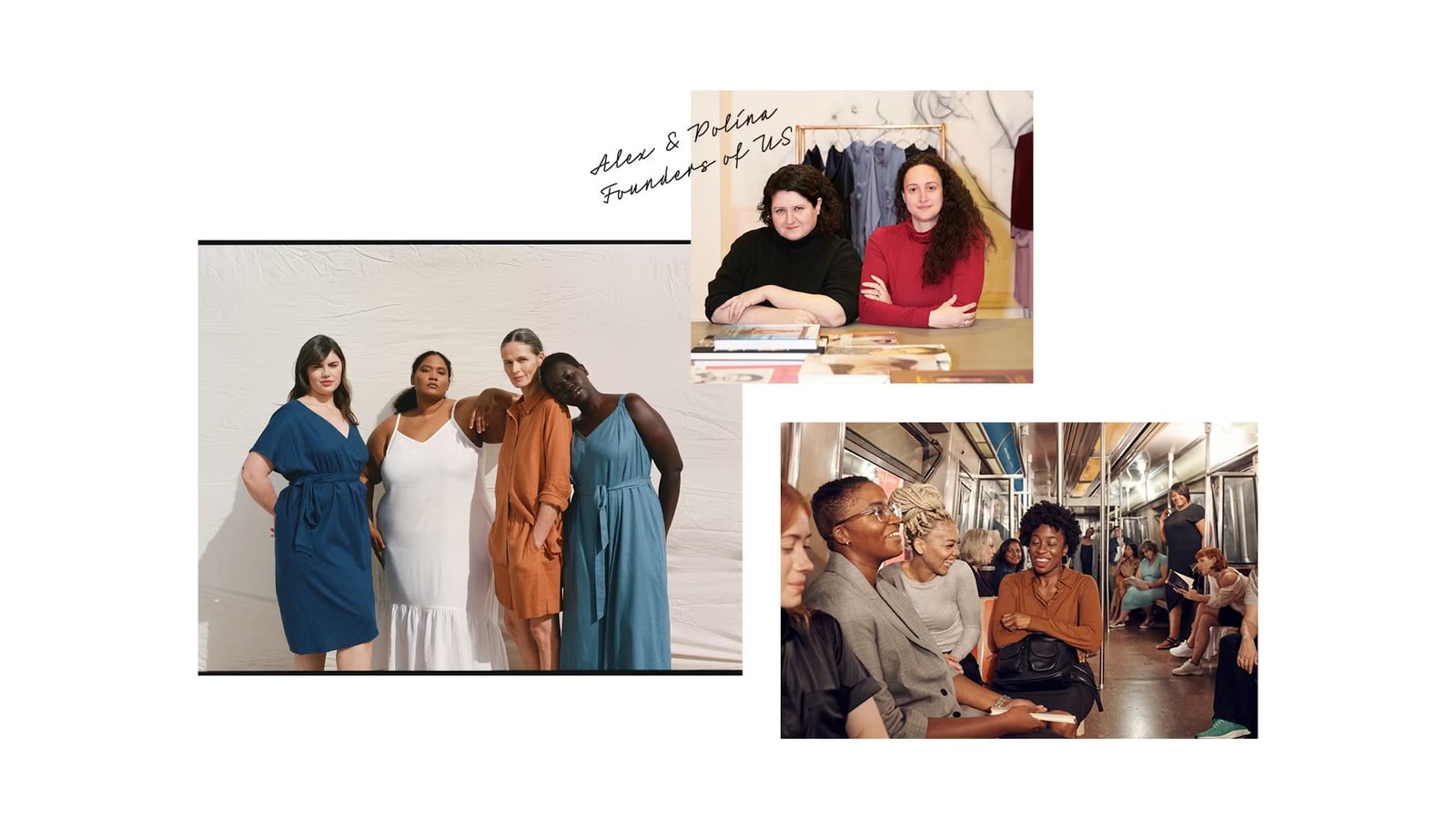
The shopping trip contained the whole problem. Alexandra Waldman and Polina Veksler could walk through the same department store, admire the same clothes and want the same evening out. Yet Waldman recalled passing Bloomingdale’s beautiful floors before reaching a small plus-size section upstairs. Two friends had entered one shop and been offered different worlds. The merchandise made the distinction politely. Politeness did not improve the selection.
- The proposition: contemporary clothes in sizes 00-40, with the same styles and no surcharge for larger sizes.
- The work: fit development across bodies, rather than relying on an enlarged sample.
- The useful wrinkle: Fit Liberty gives eligible U.S. purchases one size exchange within a year.
01 / THE OPENING BETEight pieces, and a factory willing to listen
In 2015, they founded Universal Standard. Veksler became CEO; Waldman supplied the creative direction. Each invested $150,000. Their opening collection comprised eight pieces in sizes 10-28. It reportedly sold out in six days. That was a compact experiment: a limited assortment, a specific customer and actual money changing hands. Fashion had treated these shoppers as an awkward exception. The founders treated them as customers.
The first resistance came from the supply chain. Factories were hesitant to make the proposed range. Waldman and Veksler examined where luxury garments were manufactured and eventually found a willing factory in Peru. Before there could be an inclusive photograph, somebody had to agree to cut and sew the clothes. The difficulty was practical, and the solution required a supplier prepared to participate.
A denim launch in 2016 brought a reported 1,700-person waitlist. The founders later described it as evidence that they might have a viable business. The response mattered because a six-day sellout can reflect limited supply; a queue for another product suggested interest beyond the initial collection. By 2018, the company had expanded its range to 00-40.
02 / THE PATTERN PROBLEMThe trouble with merely making it bigger
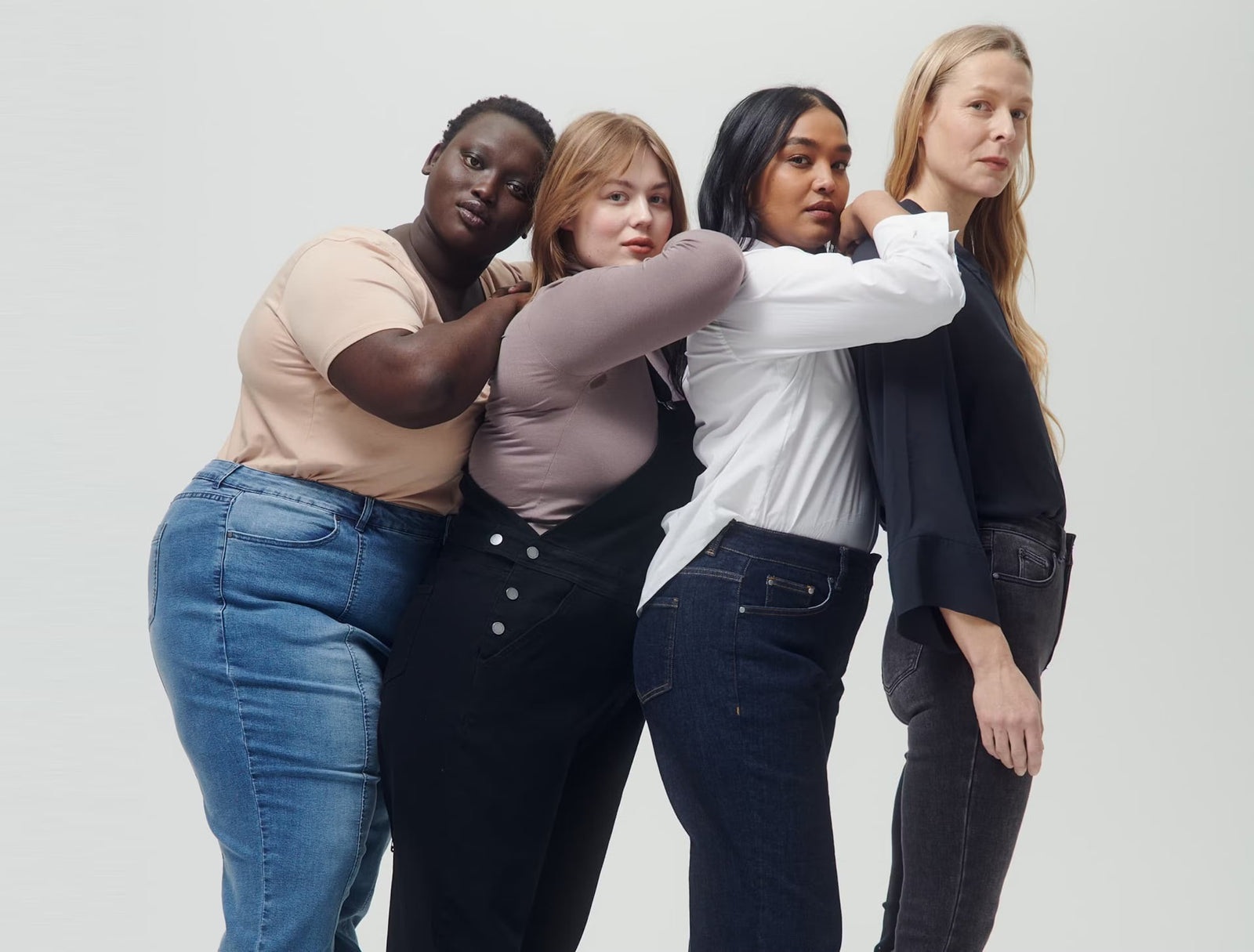
A size range is easy to type into a press release. Delivering it requires decisions about shoulders, sleeves, waists, fabric and drape. Universal Standard says its evergreen silhouettes are fit-tested across the range, with those findings informing seasonal pieces. This is its relevant expertise: preserving how a garment is supposed to look and feel as the body wearing it changes.
“We don’t fit. We engineer.”
Universal Standard / Our Story
The collection is deliberately shared. A customer buying a size 6 and one buying a size 26 can choose the same design. Neither pays a size surcharge. Even the labels reveal the point of view: the company’s letter-size chart places M at 18-20. Familiar retail shorthand becomes unreliable here, so checking the chart is a useful first step.
SAME STYLE · SAME PRICE40
The label changes. The aim is to keep the choice of clothes intact.
03 / BUY FOR TODAYA wardrobe with a modest insurance policy
There is another obstacle to buying better clothes: the suspicion that your body might change. A blazer becomes a wager on next year’s waist. Launched in 2017, Fit Liberty transfers a little of that uncertainty to the seller. Buy an eligible piece directly from Universal Standard in the United States; if your size changes within a year, the program permits one free size exchange.
The boundaries matter. International customers are excluded. Final-sale purchases and certain promotions do not qualify. Eligibility can depend on the colour, and the replacement depends on stock. A shopper expecting several size changes cannot treat it as an unlimited wardrobe subscription. The useful promise is narrower: one opportunity to keep an eligible garment working for the body that needs it.
ONE ELIGIBLE SIZE EXCHANGE
For a new customer, the sensible route is straightforward. Measure, consult the particular product’s chart, examine the fabric and inseam, then check the return conditions and Fit Liberty badge before paying. Broad sizing creates options; it cannot promise that every cut will suit every person. Shopping still involves taste, proportion and the occasionally unreasonable demands of a pair of trousers.
04 / THE COMMERCIAL QUESTIONThe price of making room
Universal Standard primarily sells apparel directly through its online store. Its staples include jeans, dresses, tops, trousers, knitwear, outerwear and workwear. This is contemporary clothing with contemporary prices: at this research snapshot, Donna jeans were listed at $148 and Ramona jeans at $168. Shoppers wanting the lowest possible ticket price may find the proposition less persuasive.
Alternatives include ELOQUII, whose core positioning is sizes 14-32, and Torrid, whose apparel range corresponds to sizes 10-30. Universal Standard spans conventional and plus sizes within one collection. That positioning serves friends who want to shop together and customers tired of choosing from a reduced assortment. The attraction is access to ordinary wardrobe decisions without the separate department.
There is an operational bill attached. More sizes multiplied by colours and styles mean more inventory combinations. Fit testing takes work before a sale occurs. A founder copying this approach needs suppliers, development time and customers prepared to pay for the result. The transferable lesson is to identify a specific denied choice, test demand with a manageable assortment and make the promise concrete.
05 / BEYOND ITS OWN RACKWhen the sizing expertise travels
Partnerships carried that expertise into other aesthetics: J.Crew in 2018, Adidas and Rodarte in 2019, then Erdem in 2021. The Erdem capsule contained eight denim and floral pieces in sizes 00-40, priced from $120 to $198 at launch. Designer ambition and broader access could occupy the same garment. The collaboration made that argument through clothes people could buy.
In April 2023, Universal Standard acquired luxury plus-size brand Henning, bringing founder Lauren Chan into brand partnerships and adding workwear expertise. Waldman died that September, aged 57. Veksler continued the business. Today’s website features a collaboration with Abisola Omole. The original shopping complaint remains a useful test: can two people who love the same clothes actually choose them?