energy-efficiency
(154)
Philip Farese and the case for a less dramatic air conditioner
He left cosmology for consulting, then followed energy efficiency into laboratories, solar, finance, and a factory floor. At Mojave Energy Systems, Philip Farese is betting that a new way to dry air should fit comfortably into the world that already exists.

Greencubator makes green ideas work
A Ukrainian nonprofit learned that good inventions need more than applause. Its answer: solar-powered camps, practical coaching, and grants for the unglamorous work of getting to market.

Kevin Surace and the trouble with leaving things alone
He helped computers find a voice, gave old windows another life, and brought AI to software testing. Kevin Surace’s career makes more sense when you remember that he also conducts.

Budderfly bets on your wasted energy
New lights. Better cooling. No upfront check. Budderfly pays to modernize buildings, then makes its money from the energy they stop wasting.
PSD and the case of the missing energy savings
A building can look efficient on a computer and tell a different story on the utility bill. PSD has built a business around closing that gap.

GridPoint’s power move: the ordinary building.
A restaurant’s air conditioner has a second job waiting for it. GridPoint connects the equipment inside everyday buildings to a bigger business: saving money for operators and freeing capacity for the grid.

NorthWestern Energy and the price of always on
A fleet of dams, a row of gas engines and a coal deal with a $0 purchase price. NorthWestern Energy is a case study in what dependable power costs - and who gets the bill.
TECO Energy and the price of keeping the lights on
In hurricane country, electricity comes with a second bill: the cost of making it dependable. TECO’s Florida utilities show how power plants, solar panels and ordinary maintenance turn that promise into a daily negotiation.

Giorgia Longobardi chose the unfamiliar path. Then came the chips.
A research choice took Giorgia Longobardi from Naples to Cambridge and into gallium nitride. Now the co-founder of Cambridge GaN Devices is working to get that science into the machines that use our electricity.

APS and the hours that matter
Arizona has sunshine to spare. Arizona Public Service has to make the electricity last through dinner - and persuade customers that the bill is worth it.

Quanex makes the parts that make the whole
A window’s overlooked edge explains Quanex’s business. Its expansion into hardware explains both the opportunity and the bill.
Portland General Electric is buying time.
The Oregon utility is learning to move electricity through the day as carefully as it moves it across the state. The experiment involves giant batteries, household thermostats and some expensive lessons.
Idaho Power is buying time
A river built Idaho Power. Now batteries, a 290-mile transmission line and the timing of everyday demand are shaping what comes next.

Baltimore Gas and Electric: The price of keeping the lights on
A painter’s gaslight experiment became central Maryland’s energy network. Two centuries later, BGE’s hardest problem is making reliability affordable.
New Jersey Resources puts the reservoir to work
A gas utility, a floating solar array, and a $367.5 million storage bet. Inside an energy company that makes its living connecting useful assets to people who need them.
NW Natural’s next act is inside the pipes
The Northwest utility once changed its fuel without replacing its business. Its next transition is testing how far old pipes can carry a new idea.

Madison Air makes the invisible count.
A hospital fan explains the business better than a balance sheet. Madison Air buys specialist brands that make air useful, then sells the reliability, efficiency and control that come with it.

Comfort Systems USA builds the other half of the cloud
Data centers need chips. They also need cold water, reliable power, and people who know where every pipe belongs. Comfort Systems USA has built a business around that less glamorous half of progress.

The power to turn it off
Southern California Edison serves 15 million people. Its hardest job is deciding how to keep the lights on when the wires themselves can become a threat.
Owens Corning is betting the house.
The company that made insulation pink spent $3.9 billion on doors. Its next act starts with a surprisingly small idea: make the builder’s job easier.
Nidec Motor Corporation makes the upgrade fit.
A better motor is only useful if someone can install it. Inside Nidec Motor Corporation’s surprisingly practical approach to moving water, air, and industry.
EMCOR builds what the cloud stands on.
The digital economy still needs electricians, pipefitters and cold air. EMCOR has built a $16.99 billion business around the things a server cannot do for itself.
Regal Rexnord makes the parts that keep the world moving
A factory can lose thousands of dollars an hour when one ordinary component stops working. Regal Rexnord has built a business around making those components - and getting them to work together.

Watsco sells the minutes back
A broken air conditioner creates a race against the clock. Watsco built a distribution business around helping the contractor win it - then put software in the contractor’s pocket.

Carlisle found its future on the roof.
A company born making bicycle inner tubes sold its way out of diversification. Its next bet: building materials that save the contractor time and the owner energy.
Georgia Power and the price of always on
Two new reactors made Georgia Power a test case for American nuclear construction. The harder question is what reliable electricity should cost the people who depend on it.

Alok Maskara and the invention that has to leave the lab
Nine patents helped turn a chemical engineer toward business leadership. At Lennox, Alok Maskara is still working on the distance between a good idea and the customer who needs it.

Dave Regnery and the case for thinking bigger
He started in finance and stayed for a career. At Trane Technologies, Dave Regnery is asking an old industrial business to think differently about growth, wasted energy and the people who make the machinery work.

George Sakellaris and the power plant that didn’t need building
He left a Greek farming village wanting to design power plants. A career in saving energy, a company founded over a restaurant napkin, and a taste for ocean racing took George Sakellaris somewhere more interesting.
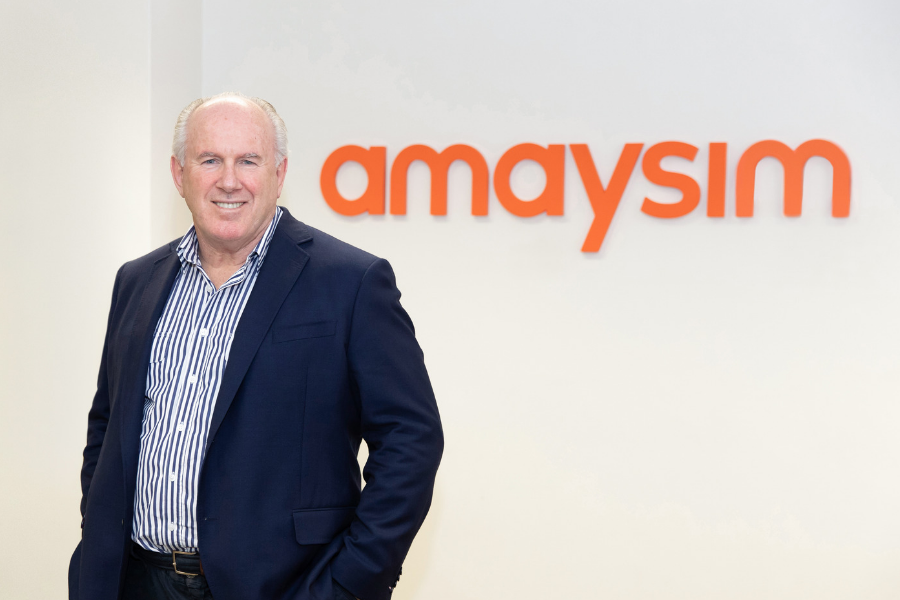
Peter O'Connell and the unfinished business of simple
He helped establish Optus, co-founded amaysim, then returned to run it when the easy growth was over. Peter O'Connell's career keeps coming back to a deceptively difficult question: why should the customer have to work so hard?