predictive-maintenance
(109)
Checkit wants to catch the fridge before it fails
Behind the cold doors of hospitals, laboratories and supermarkets, Checkit turns readings into jobs people can act on. Its next test is making that everyday usefulness pay.
StormHarvester wants the sewer alarm to mean something
A Belfast software company is teaching wastewater utilities to spot trouble before sewage escapes. Its most useful trick may be knowing when a rising water level is just rain.

The Company That Hears a Wind Turbine Break Before It Does
ONYX Insight built a business around an expensive sound: the faint mechanical warning that arrives months before a wind turbine stops. Its sensors, software and engineers now watch more than 32,000 machines - and turn vibration into a maintenance plan.

Brett Burger Makes the Invisible Measurable
For more than two decades at NI, the aerospace engineer turned product marketer has followed one stubborn idea: the best way to explain a machine is to measure something people already care about.

Nine Workplace Apps Walked Into a Merger. Eptura Wants to Run the Building.
Eptura stitched nine aging-but-useful workplace systems into one worktech platform. The bet is simple: a desk booking, a visitor badge and a broken chiller become more valuable when they live in the same data story.

Accruent Built a $2 Billion Business Out of Everything That Breaks Inside a Building
Most software organizes people or money. Accruent organizes the stubborn physical world - leases, chillers, classrooms, cell towers and the work orders nobody can afford to lose.
C3 AI Spent $3 Billion Building the Enterprise AI Future. Now It Has to Sell It.
C3 AI built for the unglamorous places where a bad prediction can ground an aircraft or stop a refinery. After a bruising fiscal year, founder Tom Siebel is back in the CEO chair to prove that deep technology can become a durable business.

Fullbay Put 20 Million Work Orders in the Cloud. Now It Wants to Predict Which Truck Breaks Next
The Phoenix software company started with an electronic medical record for trucks. A decade, 5,000-plus shops and $6.5 billion in annual commerce later, it is betting that the repair ledger can become an early-warning system.
The hospital repair problem PartsSource solved by admitting its first idea was wrong
A dot-com directory failed because biomedical technicians had their hands inside broken machines, not on a mouse. Twenty-five years later, PartsSource has turned that lesson into a clinical-technology operating system used across 15,000 sites.

The Data Center Software Bet That Begins With a Humbling Question: Is Your Asset List Even Right?
MCIM sells a single source of truth for the physical machinery behind the cloud. Its most persuasive pitch is not artificial intelligence - it is the awkward discovery that expensive facilities often run on dirty data, scattered workflows and heroic memory.
UVeye Put Cars Through an MRI. Then the Hard Part Became Trusting the Bill.
The Israeli-American company escaped a narrow security market by teaching its undercarriage scanner to spot leaks, rust and tire wear. Its next test is not whether the cameras can see more - it is whether customers trust what happens after they do.
The Factory Already Had the Answers. Seeq Made Them Take Minutes, Not Months.
Industrial plants were collecting oceans of sensor data and still waiting weeks for answers. Seeq built the missing analysis layer - and its best lesson is less about AI than about putting the people who know the process back in control.
Inside TMA Systems' $68 Million Bet on the Software Nobody Notices Until Something Breaks
The Tulsa software company spent decades organizing work orders. Then outside capital, seven acquisitions and a burst of AI turned a quiet CMMS vendor into a maintenance portfolio serving 3,000-plus organizations.
Limble Took 30 Months to Earn $12 - Then Built the Maintenance Playbook Every B2B Founder Should Steal
A failed pharmacy startup taught Bryan Christiansen to interview before he built. Two hundred maintenance conversations, one $12 customer and roughly $113 million in funding later, Limble's best lesson is still the cheapest one: make the frontline want to use the software.

Junaith Shahabdeen Put Machine Learning to Work in the Messy Middle
Long before agentic AI became a boardroom phrase, the Zan Compute co-founder was wiring sensors, software and practical economics into the overlooked routines that keep buildings usable.
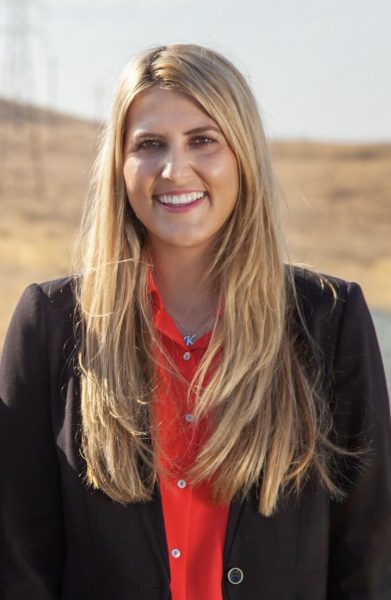
Kaitlyn Albertoli Is Teaching the Grid to See Trouble Coming
She began with a jewelry business, a sustainability course, and 35 conversations with utilities. Now her company is turning inspection images into early warnings for the infrastructure that keeps the lights on.

Lauren Dunford Is Teaching Old Machines to Tell the Truth
Her company began with an energy thesis in Kenya. The breakthrough came when factory teams showed her that the same electrical heartbeat could reveal something more urgent: where production was getting lost.

Vooban Quit Selling Advice - Then Made AI Earn Its Keep on the Factory Floor
The Quebec City firm bet that companies do not need another AI lecture. They need fewer broken machines, smarter routes and a proof of value before the expensive part begins.

Guidewheel Put a Fitbit on the Factory Floor - Then Found a Bigger Business Hiding in the Downtime
Factories do not need another grand digital-transformation promise. They need to know why Line 3 stopped at 2:17 p.m. Guidewheel built a business by making that answer fast, legible and useful on machines old enough to collect a pension.
Buzz Solutions Found the Grid’s Most Expensive Bottleneck: The Human Eyeball
Utilities learned how to photograph every pole and tower. Then the pictures piled up. Buzz Solutions built the software layer that turns that visual backlog into repair orders - and a wind-turbine class project into a utility business.
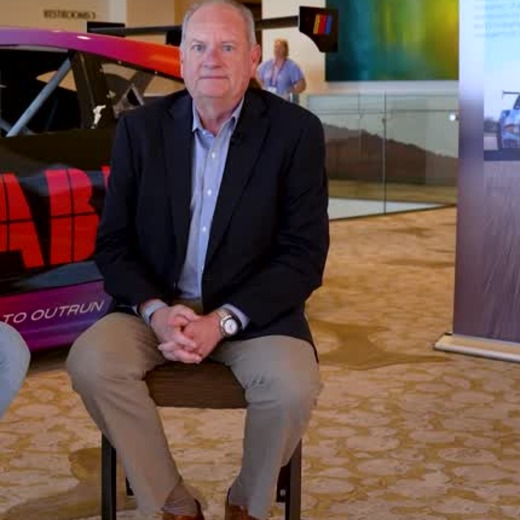
Norm Sowards Has Spent a Career Making Invisible Infrastructure Matter
From circuit breakers and predictive maintenance to NASCAR and the next generation of electricians, the ABB executive's work turns technical systems into stories people can use.
Enact Solar Wants to Be the Operating System for Every Rooftop - From First Sketch to First Fault
Solar installers still lose hours to tool-switching, proposal rework and disconnected monitoring. Enact is stitching design, engineering, financing and long-term asset care into one record - and its PVComplete acquisition makes the wager much more interesting.

The Startup That Turns Drone Photos of Cell Towers Into Money
Anne Zink built a company that lets you inspect a 300-foot cell tower without climbing it. The trick isn't the drone - it's what happens to the pictures after they land.
The Startup Teaching Cameras to Catch What Tired Human Eyes Miss on the Assembly Line
Akridata spent years fixing AI's boring, expensive data problem - then pointed the same tools at factory defects and got acquired by DIMAAG in 2026.
When Heavy Machines Break, Elevāt Makes Them Talk Back
The Seattle startup wires up off-highway equipment - tractors, cranes, fire trucks - and hands technicians an AI that reads the machine's mind before anyone opens the panel.

Altizon Gave the Factory Floor a Brain That Talks Back
A Princeton-and-Pune software company spent a decade wiring up shop floors. Now it is betting the most useful worker in the plant will be a piece of software you can talk to.
Blue Pillar Made Old Machines Talk - Then Generac Bought the Conversation
Hospitals, utilities and microgrids were full of useful machines that could not share data. Blue Pillar found a practical business in connecting the awkward old stuff - often in days, sometimes for a few thousand dollars - and became part of Generac in 2022.
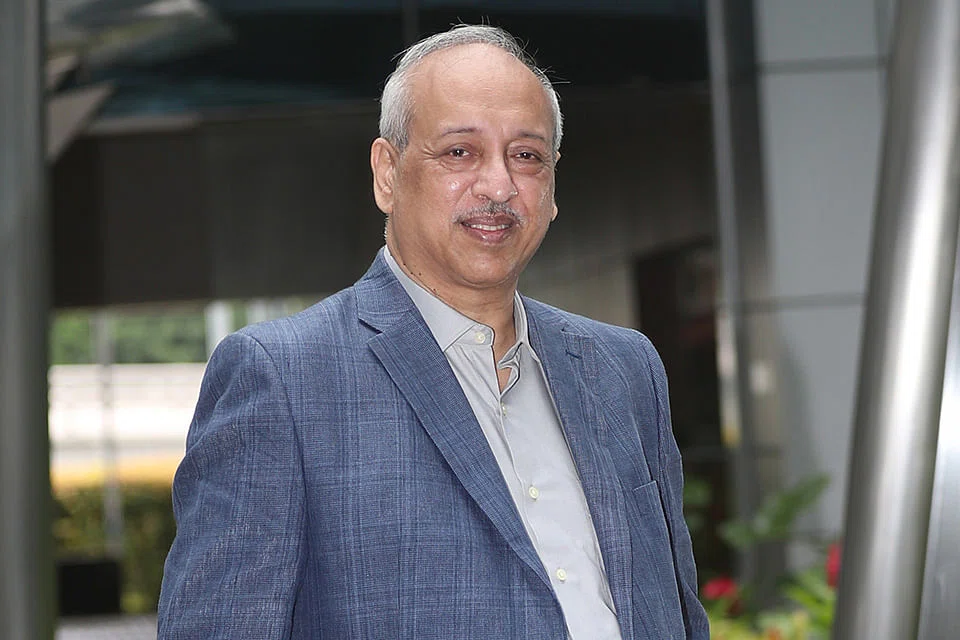
Bhargab Mitra Put a Clock on the Network’s Next Failure
The former Ericsson and Nokia executive spent a decade turning telecom maintenance from a reaction into a forecast, culminating in Accenture’s 2026 acquisition of Avanseus’s AI solution.
The Building Knows What’s Wrong. CIM Makes Sure Someone Fixes It.
Most smart-building software stops at the alert. CIM’s PEAK platform follows the problem from noisy sensor data to diagnosis, assignment and proof of repair - giving property teams a practical route to lower bills, fewer breakdowns and better-performing buildings.
Usetech Wants AI to Leave the Demo Room and Run the Factory Floor
The Dubai-based technology company is betting that enterprise AI matters most when it can spot a failing machine, reconcile a broken data flow or turn a camera feed into an operational decision.